Quick Navigation
- Why Does Restaurant Indian Food Taste So Different?
- The Non-Negotiable Pantry: Your Restaurant-Ready Spice Kit
- Mastering the Foundation: The Base Gravy and Key Techniques
- Decoding Popular Indian Restaurant Recipes
- Spice Blends & Pastes: The Restaurant Shortcuts (That Work)
- Equipment That Actually Makes a Difference
- Answering Your Burning Questions (FAQs)
- Putting It All Together: Your Action Plan
Let's be honest. You've probably had that moment. You're digging into a plate of creamy butter chicken or a fragrant lamb biryani at your favorite Indian spot, and you think, "How on earth do they make this taste so good?" I've been there too. I've tried following standard cookbook recipes, and while they were decent, they never quite hit that deep, complex, restaurant-style flavor. It always felt like something was missing. So, I went down a rabbit hole. I talked to chefs (well, one very patient chef friend), experimented endlessly, and made more than a few inedible dishes along the way. What I found out is that restaurant Indian food isn't magic—it's a set of specific techniques and understandings that most home recipes gloss over. And that's exactly what we're going to cover here.
This isn't about making a "quick and easy" version. This is about understanding the real secrets behind authentic Indian restaurant recipes. We're going to get into the nitty-gritty: the spice blends they use before you even start cooking, the order they add ingredients, and the little tricks that build layers of flavor. Forget bland or one-note curries. By the end of this, you'll know how to build flavor from the ground up.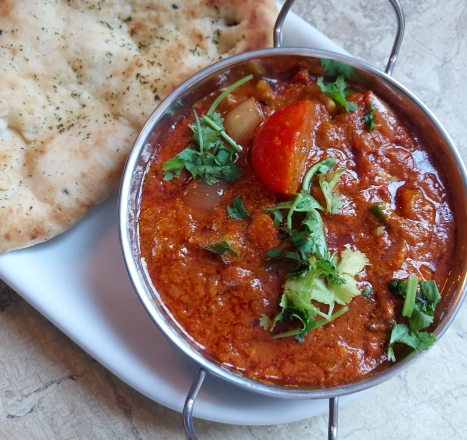
Why Does Restaurant Indian Food Taste So Different?
It's not just about drowning everything in ghee and cream (though that doesn't hurt sometimes). The difference is foundational. Home cooks often use pre-ground spices that have been sitting in the cupboard for months. Restaurants? They often toast and grind whole spices in small batches. The flavor intensity is night and day. Then there's the base. Many of us start with frying onions. Restaurants often start with a masala base—a long-cooked paste of onions, ginger, garlic, and tomatoes that forms the soul of the gravy. This base is cooked until the raw smell disappears and the oils start to separate. That separation is a key visual cue most home recipes don't emphasize enough.
Another big one is the use of specialized ingredients. Things like dried fenugreek leaves (kasuri methi), raw cashew paste for creaminess without dairy, and a specific type of red chili powder (Kashmiri) that gives vibrant color without insane heat. These are staples in professional kitchens but often treated as optional in home guides.
The Non-Negotiable Pantry: Your Restaurant-Ready Spice Kit
You can't build a house without bricks, and you can't build authentic flavor without the right spices. I'm not saying you need fifty jars. But focusing on quality and a few key players is crucial. Here’s the thing—buying whole spices and a cheap coffee grinder dedicated to spices was a total game-changer for me. The aroma alone is worth it.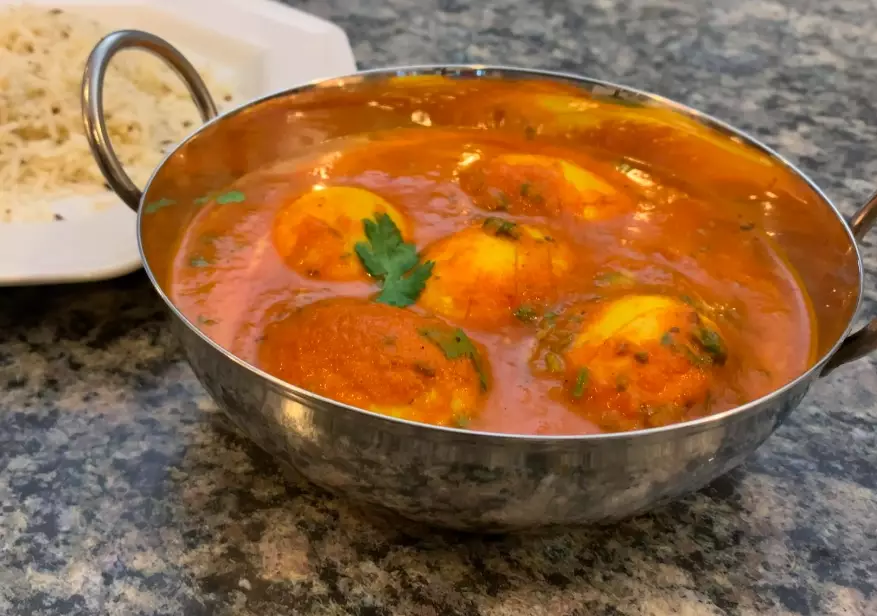
Core Whole Spices (The Aromatics)
These are your flavor builders. You'll often temper them in hot oil at the beginning to infuse the entire dish.
- Cumin Seeds (Jeera): Earthy and nutty. The backbone of countless dishes.
- Mustard Seeds (Rai): Tiny, black, and they pop like popcorn in hot oil, releasing a pungent, sharp flavor essential for South Indian and Gujarati cooking.
- Coriander Seeds (Dhania): Mild, lemony, and sweet when toasted. A major component of most curry powders.
- Cardamom Pods (Elaichi): Green for a floral, eucalyptus-like punch in curries and biryanis. Black for a smoky, camphor depth (use sparingly!).
- Cinnamon Sticks (Dalchini): Real Ceylon cinnamon, not the hard cassia bark. It adds a warm, sweet note.
- Cloves (Laung): Intensely pungent and sweet. Two or three are usually enough.
And then you have your ground spices. But here's my advice: grind what you can yourself. Cumin, coriander, and even black pepper are infinitely better fresh. For the rest, buy from a reputable Indian grocer or online source that has high turnover. Old, stale spices are the number one enemy of good Indian food.
The Ground Spice Power Trio
- Turmeric (Haldi): For color and its earthy, slightly bitter flavor. Don't go overboard.
- Red Chili Powder: This is critical. For that restaurant color, seek out Kashmiri Red Chili Powder. It's milder and gives a stunning deep red hue without blowing your head off. Mix it with a hotter variety if you want more spice.
- Garam Masala: The "warm spice blend." It's usually added at the *end* of cooking to preserve its delicate aroma. Store-bought is fine, but making your own blend (cumin, coriander, cardamom, cinnamon, cloves, black pepper) is next-level.
Mastering the Foundation: The Base Gravy and Key Techniques
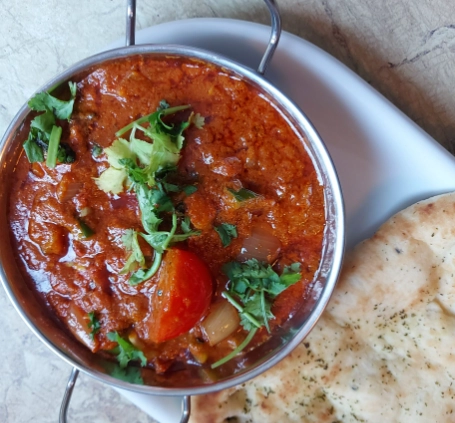
Okay, let's get practical. Many North Indian restaurant curries (butter chicken, paneer makhani, even some dal makhani) actually start from a common, pre-made base gravy. This is a huge time-saver in a busy kitchen and ensures consistency. It's basically a smooth, strained puree of cooked onions, ginger, garlic, tomatoes, and a few spices. You then build your specific dish from this base. It sounds like a cheat, but it's a legitimate professional technique that makes weeknight cooking possible.
Here's a simplified version you can make and freeze in batches:
Boil 4-5 roughly chopped onions until soft. Blend them with an equal amount of boiled tomatoes, a whole head of garlic, and a large knob of ginger. That's your blank canvas. Now, for the technique that changes everything: the bhuno process.
Bhuno means to fry the masala base patiently. You cook it on medium heat, stirring often, until it reduces, darkens in color, and the oil starts to separate around the edges. This concentrates flavor and removes any raw taste. Rushing this step is the most common mistake. It can take 15-25 minutes. Don't skip it.
Decoding Popular Indian Restaurant Recipes
Let's apply all this to some classics. I'll give you the restaurant-style approach, not the dumbed-down version.
Butter Chicken (Murgh Makhani) – The Real Deal
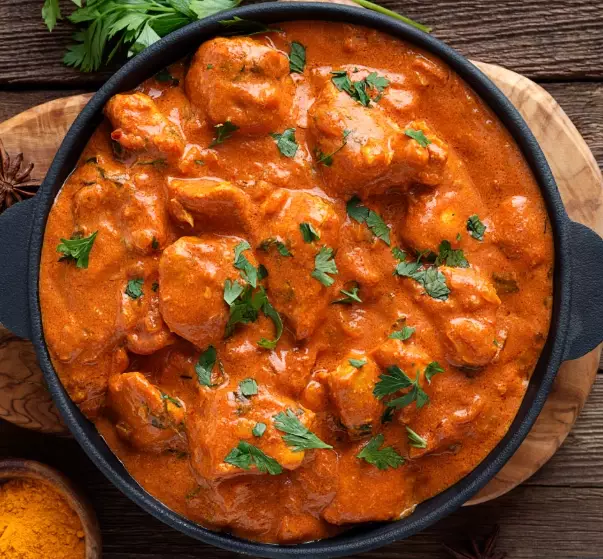
The secret here is in the marinade and the double cooking. The chicken (traditionally tandoori chicken) is cooked first, then added to the rich gravy. For the marinade, use yogurt, ginger-garlic paste, Kashmiri chili powder, and a bit of oil—no lemon if you're grilling/broiling it, as it can burn. Char the marinated chicken under a broiler to get those smoky, blackened bits. That charred flavor is key. The gravy uses a base of tomato puree (sometimes with cashew paste), butter, cream, and a hefty amount of dried fenugreek leaves crushed between your palms. The final touch is a drizzle of kasuri methi and cream.
Rogan Josh – The Aromatic Lamb Curry
This Kashmiri dish is about deep, savory flavor, not just heat. The restaurant magic comes from using a yogurt-based gravy that's carefully stabilized so it doesn't split. You temper whole spices in oil, cook the meat, then add your ginger-garlic paste. Here's the trick: whisk your yogurt until smooth and add it a spoonful at a time, letting it fully incorporate and cook before adding the next. This prevents curdling. The signature red color comes from Kashmiri chilies and a touch of Ratanjot (a natural coloring herb) or, more commonly in restaurants, a bit of food-safe red color. The flavor base is fennel and ginger, giving it a distinctive warmth.
Chana Masala – The Humble Chickpea Star
Restaurant chana masala has a tangy, robust flavor. The secret is amchur (dried mango powder) and black salt (kala namak). They add a sour and slightly sulfuric depth that lemon juice alone can't provide. Also, using a bit of tea bags or dried pomegranate seeds (anardana) in the water when boiling dried chickpeas gives them a darker color and earthier taste, just like the ones you get out. A good chana masala spice blend is also different from regular garam masala, with a higher proportion of amchur, dried ginger, and pomegranate powder.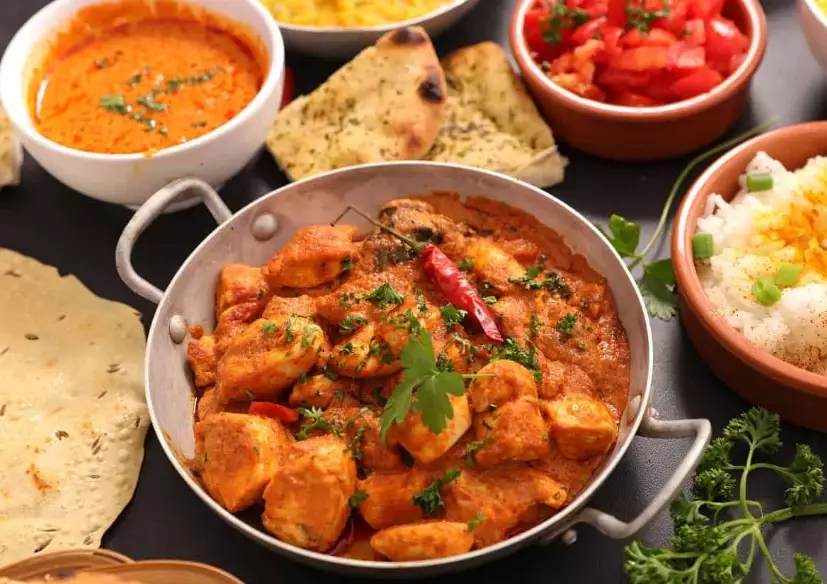
Spice Blends & Pastes: The Restaurant Shortcuts (That Work)
Even restaurants don't grind every single spice for every order. They use pre-made blends and pastes for consistency and speed. The key is using high-quality ones or making your own in batches.
| Blend/Paste | Primary Use | Key Ingredients | Home-Made Tip |
|---|---|---|---|
| Ginger-Garlic Paste | Base for almost every curry, marinade | Fresh ginger, fresh garlic, oil, vinegar (as preservative) | Make a small batch weekly. Freeze in ice cube trays for easy use. |
| Tandoori Masala | Marinating meats for grilling/tandoori dishes | Kashmiri chili, cumin, coriander, garam masala, dried fenugreek, amchur | Add a bit of orange food color and mustard oil for authentic restaurant look/taste. |
| Chaat Masala | Sprinkled on finished dishes, salads, fruits | Amchur, black salt, cumin, black pepper, asafoetida | A pinch on finished fries or scrambled eggs is a game-changer. |
| Kitchen King Masala | All-purpose curry booster for vegetables and dals | A proprietary blend, but heavy on coriander, cumin, turmeric, chili, dried herbs | A trusted brand like MDH or Everest is perfect. No need to DIY this one. |
Equipment That Actually Makes a Difference
You don't need a tandoor. Really. But a few tools help immensely.
- A Heavy-Bottomed Pot/Kadai: Thin pots burn spices. A Dutch oven or a Indian-style kadai (wok) distributes heat evenly for that crucial bhuno process.
- Spice Grinder: A dedicated coffee grinder or a small blender jar. For whole spices, a cheap blade grinder is fine.
- Immersion Blender: For making smooth purees, base gravies, and blending curries right in the pot. Saves so much mess.
- A Good Spatula: Sounds silly, but a flat-edged spatula (like a hotel turner) is perfect for scraping the bottom of the pan while frying the masala.
Answering Your Burning Questions (FAQs)
I get asked these all the time, so let's tackle them head-on.
How do I get my curry as creamy as the restaurant's without tons of cream?
Cashew paste or almond paste. Soak a handful of raw cashews in hot water for 30 minutes, then blend into a smooth paste. Add it when you add your tomato puree. It thickens the gravy and gives a luxurious, nutty creaminess. Onion paste (from the base gravy) also adds body. Cream is often just a finishing touch.
Why is my homemade curry always bland or one-dimensional?
Two main reasons: 1) Undercooked masala base. You didn't cook the onion-tomato-ginger-garlic paste long enough for the flavors to meld and the oil to separate. 2) Stale or insufficient spices. Toasting whole spices before grinding, and using enough salt (yes, salt is a flavor enhancer) are vital. Taste and adjust at the end—often a pinch of sugar or a squeeze of lemon can balance everything.
Can I make good Indian restaurant recipes without a ton of oil and ghee?
You can reduce it, but don't eliminate it. Fat is a flavor carrier. It's what toasts the spices and creates the rich mouthfeel. Restaurants use more than you need at home, for sure. Start with 2-3 tablespoons of oil/ghee for a curry for four. That's enough to cook your spices and base properly. Using a non-stick pan can help you use slightly less.
Where can I find reliable, authentic recipes online?
Look for blogs by Indian home cooks who focus on regional cuisine, not just generic "Indian food." Websites like Veg Recipes of India by Dassana are incredibly detailed and reliable for vegetarian dishes. For a more professional perspective, the YouTube channel "Your Food Lab" by Sanjyot Keer does a fantastic job explaining restaurant-style techniques. For authoritative information on Indian culinary heritage and ingredients, the Indian government's Incredible India portal often features authentic food culture articles. Another excellent resource for detailed, tested recipes is Swasti's Food Curations, which breaks down complex dishes with clear steps.
Putting It All Together: Your Action Plan
Don't try to change everything at once. It's overwhelming. Pick one dish you love—say, butter chicken or a simple dal tadka. Follow these principles with that one dish:
- Get fresh, whole spices for the key elements (cumin, coriander, cardamom).
- Focus on cooking your base (onions, tomatoes, ginger, garlic) until it's really thick and the oil separates.
- Use the right chili powder (Kashmiri) for color.
- Finish with a sprinkle of garam masala and dried fenugreek.
Master that one dish. Taste the difference. Then move on to the next. Cooking authentic Indian restaurant recipes is a skill, not a mystery. It takes practice, patience, and a willingness to embrace a bit of process. But the reward—being able to create those deep, complex, soul-satisfying flavors in your own kitchen—is absolutely worth every minute. Honestly, my first few attempts were mediocre at best. But once you get the feel for that "bhuno" stage, for toasting spices just right, it clicks. And then there's no going back.
So, what are you waiting for? Pick a recipe, stock your pantry with the essentials we talked about, and start cooking. Don't be afraid to mess up. That's part of the fun. And soon enough, you'll be the one serving restaurant-quality Indian food that has everyone asking for your secret.
Discussion