What You'll Discover
- The Soul of Tandoori Cooking: It's Not Just a Marinade
- Before You Start: The Tandoori Toolkit (No, You Don't Need a Tandoor)
- The Heart of the Matter: Core Indian Tandoori Recipes Demystified
- The Spice Cabinet: Your Real Secret Weapon
- Beyond the Recipe: Pro Tips & Common Pitfalls
- Your Tandoori Questions, Answered
- Wrapping It Up: The Tandoori Mindset
Let's be honest. The first time you had proper tandoori chicken, it was a revelation, wasn't it? That smoky, slightly charred exterior giving way to impossibly juicy, vibrantly spiced meat inside. It's the kind of dish that makes you wonder, "How on earth do they do that?" For the longest time, I thought recreating real-deal Indian tandoori recipes at home was a pipe dream, reserved for restaurants with those giant, terrifyingly hot clay ovens. I tried a few recipes, sure. The results were... fine. Tasty, even. But they lacked that soul. That deep, penetrating smokiness and the unique texture that only a tandoor seems to impart.
Then I spent a summer learning from a friend's dadi (grandmother) in Delhi. Let me tell you, she had no fancy equipment, just a small, countertop electric tandoor and decades of knowledge. The biggest lesson? It's less about slavishly copying a restaurant and more about understanding the principles. The spirit of tandoori cooking can absolutely live in your kitchen, even without a 500°C clay pit in your backyard.
This guide is my attempt to pass on that wisdom. We're not just dumping a list of Indian tandoori recipes on you. We're going to dig into the why and how, tackle the common pitfalls (I've made them all, so you don't have to), and give you the confidence to make tandoori that's not just a pale imitation, but a celebration in its own right.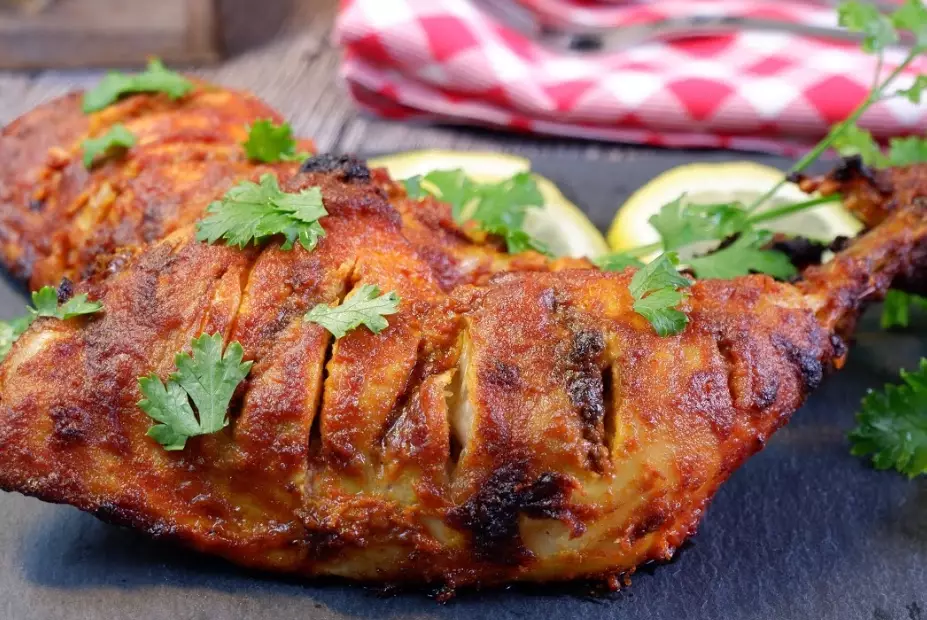
The Soul of Tandoori Cooking: It's Not Just a Marinade
Most people think tandoori recipes are all about the red color. That's the first myth to bust. The iconic hue often comes from Kashmiri red chili powder or a touch of food coloring, but it's a cosmetic flourish, not the heart. The soul lies in the technique and a few non-negotiable elements.
So, what defines a true tandoori dish?
- High, Direct Heat: A real tandoor can hit 900°F (480°C). This intense heat sears the outside almost instantly, locking in juices while creating a fantastic char.
- The Clay Oven Effect: The porous clay radiates a unique, even heat and imparts a subtle, earthy flavor you just can't get from metal. It also creates a specific humidity environment.
- The Marinade Trinity: This is the holy grail. A proper marinade for Indian tandoori recipes isn't just a sauce; it's a tenderizing, flavor-penetrating treatment. It has three key jobs:
- To Tenderize: This usually comes from an acidic component like yogurt, lemon juice, or vinegar, and sometimes from raw papaya or ginger-garlic paste.
- To Flavor: A complex blend of spices, not just "curry powder."
- To Moisturize: The yogurt and oil in the marinade help keep the protein from drying out in the brutal heat.
If your home kitchen method can tick these boxes—or get creatively close—you're on the right path.
Before You Start: The Tandoori Toolkit (No, You Don't Need a Tandoor)
Here's where most blogs just say "use your oven's broiler." That works, but it's one-dimensional. Depending on what you're cooking and the texture you want, you have options. I've ranked them from my personal favorite to "it'll do in a pinch."
| Tool/Method | Best For | How to Mimic the Tandoor | The Downside |
|---|---|---|---|
| Charcoal/Gas Grill | Chicken, fish, kebabs | Get the coals screaming hot. Cook with the lid on to create an oven-like environment and capture smoke. A smoker box with wood chips (hickory, apple) adds magic. | Weather dependent. Can be harder to control exact temperature. |
| Oven Broiler + Cast Iron | Chicken tikka, paneer tikka, vegetables | Preheat a cast iron skillet or grill pan under the broiler for 20+ mins until it's nuclear. The sear is incredible. | Smoke alarm may go off. Doesn't get the same all-around char as a grill. |
| Air Fryer | Small batches, quick weeknight tandoori-style | Excellent for circulating hot air and creating a crispy exterior. Great for marinated tofu or veggies. | Can dry things out if you're not careful. Lacks smoky flavor entirely. |
| Standard Oven Bake | When you want hands-off cooking | Use the highest temp (500°F/260°C). Finish under the broiler for color. It's the least authentic but the most accessible. | The texture is softer, more "baked" than charred. Often the juiciest result, ironically. |
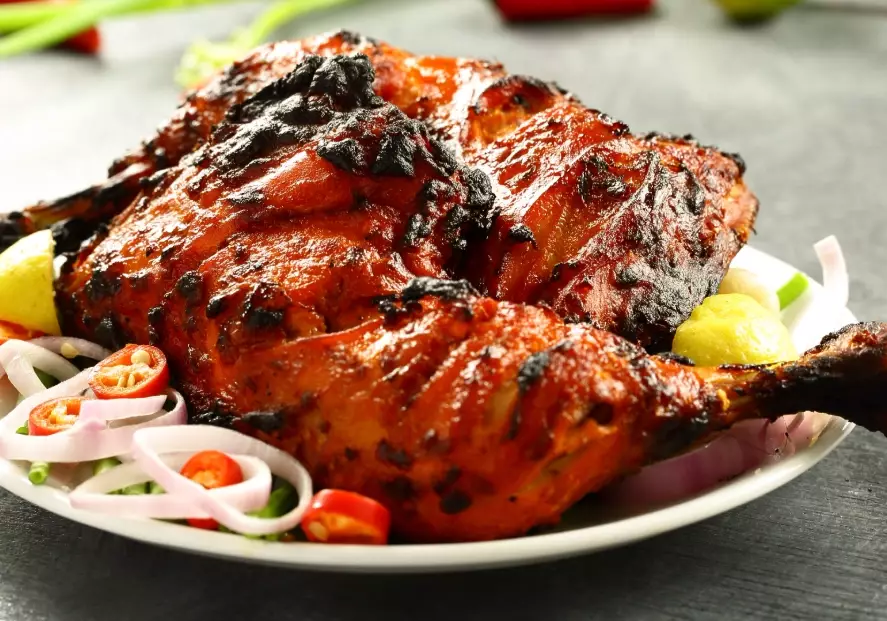
My personal go-to? The grill, every time. But on a rainy Tuesday, that cast-iron-under-the-broiler trick is a lifesaver. The key with any method is to not overcrowd. Give the pieces space, or they'll steam instead of sear.
The Heart of the Matter: Core Indian Tandoori Recipes Demystified
Let's get practical. Here are the foundational Indian tandoori recipes you should master. I'm giving you the blueprint—the ratios and steps that matter—so you can adapt based on what's in your fridge.
The Undisputed Champion: Tandoori Chicken (Murgh Tandoori)
This is the dish that started it all for most of us. The goal: crispy, flavorful skin (yes, leave it on!) and succulent meat. The single biggest mistake? Not marinating long enough, or worse, using boneless, skinless chicken breasts exclusively. They dry out too fast.
Here's my non-negotiable checklist for great tandoori chicken:
- Cut: Use bone-in, skin-on pieces. Thighs and drumsticks are forgiving and flavorful. If you must use breast, keep it on the bone.
- The First Cut: Make deep, diagonal slashes (2-3 per piece) right down to the bone. This lets the marinade penetrate and helps cook evenly.
- Marinade Time: Absolute minimum 4 hours. Overnight is ideal. The yogurt needs time to work its tenderizing magic.
- The "Drip": After marinating, let excess marinade drip off. Too much clinging yogurt will burn before the chicken cooks.
- Basting: Baste with oil or melted ghee during cooking. This adds flavor and promotes browning.
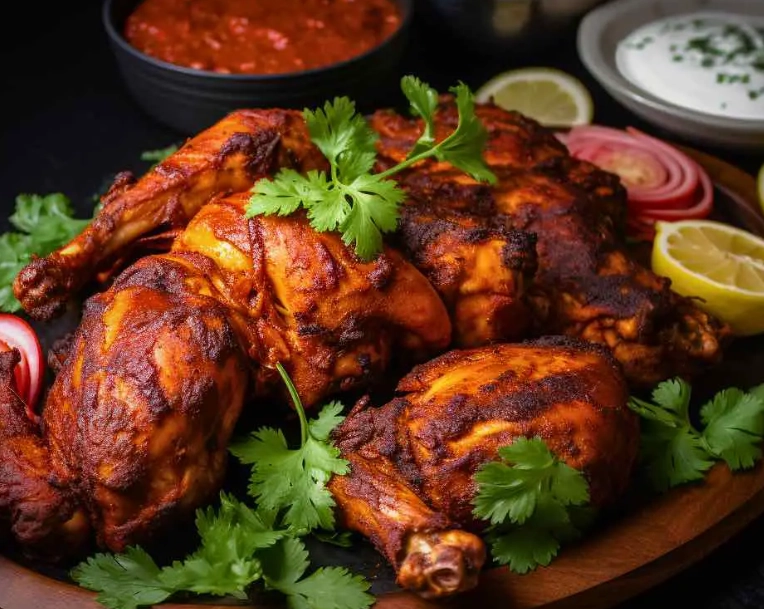
"The marinade is your insurance policy against dry chicken. Yogurt, oil, and those slashes you made are all working together to protect the meat from the inferno."
The Vegetarian Star: Tandoori Paneer Tikka
For a long time, I found paneer tikka boring. Rubbery cubes with a bit of color. Then I learned the secret: press the paneer. Wrap your paneer block in paper towels, put a heavy pan on top, and let it sit for 30 minutes. This removes surface moisture so it can sear, not steam. The second secret? A quick soak in warm, salted water for 15 minutes before marinating makes it incredibly tender.
For the marinade, I like to add a spoonful of chickpea flour (besan) to the yogurt and spices. It creates a better crust that clings to the paneer. Bell peppers, onions, and tomatoes are classic partners on the skewer. Don't be shy with the oil here either—paneer loves it.
The Flavor Bomb: Fish Tikka (Tandoori Machli)
This is a tricky one. Fish is delicate. A tandoor's fierce heat cooks it in minutes. At home, the window between perfectly flaky and overcooked rubber is slim. My advice? Use firm, thick steaks like salmon, swordfish, or halibut. Marinate for only 30-45 minutes—any longer and the acid in the yogurt will start to "cook" the fish, giving it a weird, grainy texture.
Cook it on a very well-oiled grill grate or a piece of foil to prevent sticking. It needs less time than you think. If it flakes easily with a fork, it's done. Overcooking is the enemy of good tandoori fish recipes.
The Spice Cabinet: Your Real Secret Weapon
You don't need 50 spices. You need the right ones, and preferably whole ones you toast and grind yourself. The flavor difference is night and day. I know, it's an extra step. But for a special meal, it's worth it.
Here's your essential tandoori spice list:
- Kashmiri Red Chili Powder: This is the MVP. It provides vibrant color and mild, fruity heat. If you can't find it, mix 3 parts sweet paprika with 1 part cayenne pepper.
- Cumin Seeds (Jeera): Toasted and ground. Earthy, warm, non-negotiable.
- Coriander Seeds (Dhania): Toasted and ground. Citrusy, floral. The perfect partner to cumin.
- Garam Masala: A blend. Add it at the end of the marinade process or even sprinkle on after cooking. Adding it early can make it bitter after long marination.
- Dried Fenugreek Leaves (Kasuri Methi): Crush them between your palms before adding. They give that distinct, slightly bitter, aromatic flavor found in restaurant dishes.
- Turmeric, Garlic Powder, Ginger Powder: The supporting cast. Fresh ginger and garlic go into the paste, but the powders help in the dry rub stage.
The BBC's guide to Indian spices is a fantastic resource if you want to go deeper into the origin and use of each one.
Beyond the Recipe: Pro Tips & Common Pitfalls
This is the stuff that separates a good home cook from a tandoori maestro. These are lessons from my own (many) failures.
For the most flavorful chicken, try this restaurant trick: First, marinate the chicken in a paste of ginger, garlic, salt, lemon juice, and maybe a bit of raw papaya paste for 1 hour. Rinse it off (sounds weird, I know). Then, apply the main yogurt-and-spice marinade and proceed. The first round tenderizes deeply, the second adds flavor. It's a game-changer.
Now, the pitfalls. Let's troubleshoot:
- "My chicken is dry." Likely causes: Overcooked, wrong cut (boneless breast), not enough fat in marinade, or didn't make deep enough slashes.
- "The marinade is burning black!" Too much marinade left on. Wipe off excess gently with your fingers before cooking. Also, your heat might be too high for your method. A little char is good; acrid black bits are not.
- "It tastes bland, like spicy yogurt." Not enough salt in the marinade. Salt is crucial for flavor penetration. Also, did you toast your whole spices? Pre-ground spices lose their potency fast.
- "It's not red/orange enough." This is aesthetics. Use more Kashmiri chili powder or a tiny, tiny pinch of annatto or paprika-based food coloring if you must. But remember, flavor over color.
Your Tandoori Questions, Answered
Can I make tandoori without yogurt (for dairy-free)?
Absolutely. The yogurt's job is to tenderize and provide a creamy base. For a dairy-free substitute, use a thick, unsweetened coconut milk yogurt or even a puree of raw cashews soaked in water and lemon juice. The result will be different—less tangy—but still delicious. You might need to add a touch more acid (lemon juice) to balance.
What's the best side to serve with tandoori dishes?
You need something to cut through the richness. A simple onion salad (sliced red onions with lemon juice, salt, and chaat masala) is perfect. Mint-coriander chutney (dhania pudina chutney) is a classic. For something more substantial, a light dal or raita (cucumber yogurt). Avoid heavy, creamy curries—they compete too much.
How do I store and reheat leftovers?
Store in an airtight container in the fridge for up to 3 days. Reheating is tricky. The microwave will make it rubbery. Instead, reheat gently in a covered skillet with a tiny splash of water to create steam, or wrap in foil and warm in a low oven. It won't be as crisp, but the flavor will still be great.
Is there a "quick" version for weeknights?
Yes! Use boneless, cubed chicken thighs or paneer. Make a thicker marinade with less yogurt, more spice powders, and a spoonful of oil. Marinate for just 30 minutes while you preheat your air fryer or grill pan. Cook on high heat for 8-12 minutes. It's not "classic," but it's a fantastic, fast tandoori-style dinner.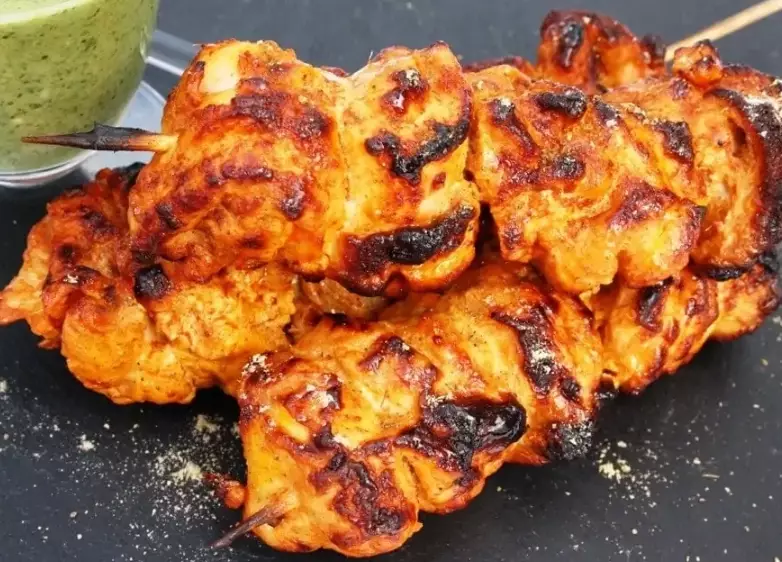
Wrapping It Up: The Tandoori Mindset
Mastering Indian tandoori recipes isn't about achieving a carbon copy of your favorite restaurant dish. That's setting yourself up for frustration unless you invest in a proper tandoor. It's about capturing the essence—the bold spicing, the contrast of textures, the joyful, communal feeling of sharing vibrant, fire-kissed food.
Start with the chicken. Get that right. Then try the paneer. Experiment with different wood chips on your grill for smoke. Play with the spice balance to suit your taste (I love extra black pepper in mine). The official Incredible India tourism page on cuisine beautifully articulates how this style of cooking is woven into the country's culinary fabric—it's lively, direct, and meant to be shared.
Don't get bogged down by dogma. My friend's dadi sometimes cooked her tandoori chicken in a heavy pot over charcoal when her tandoor was being repaired. Was it textbook? No. Was it utterly delicious and soul-satisfying? Absolutely. That's the real goal. So fire up your grill, broiler, or skillet. Make those deep slashes. Mix up that marinade with confidence. And get ready for the best homemade Indian tandoori recipes you've ever made.
The smoke alarm might go off. Your fingers might get a little stained from the spices. It's all part of the fun. Now go cook.
Discussion