Ask any Indian home cook or chef what the secret is to a great curry, and they won't just name a spice. They'll talk about the base gravy. Most of the dazzling array of Indian dishes you love—from creamy butter chicken to robust rogan josh—are built upon just four foundational sauces. Mastering these is like learning the chords that let you play any song. Forget about memorizing hundreds of recipes. Understand these four, and you can improvise confidently in your own kitchen.
I learned this the hard way. My first attempts at Indian cooking were disasters—watery, bland, or just plain wrong. It wasn't until I spent time in a friend's family kitchen in Delhi that I saw the pattern. The aunties weren't following complex recipes. They were building from one of these core gravies, adjusting spices and ingredients based on what was in the fridge. That changed everything for me.
Quick Navigation: Your Guide to the Four Foundations
The Four Pillars of Indian Cooking
Let's cut through the confusion. When we talk about "basic Indian gravy," we're referring to the cooked sauce base that forms the body and primary flavor profile of a dish before the main protein or vegetables are added. These are not the final dishes, but the canvases.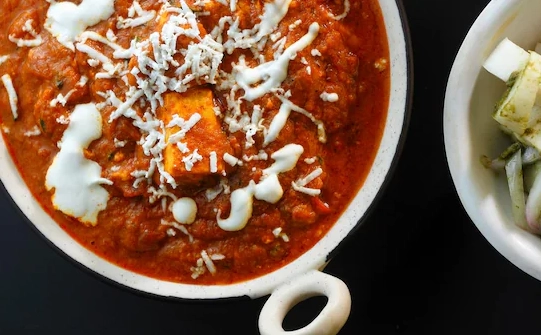
Here's the quick-reference table that lays it all out. Bookmark this.
| Base Gravy | Core Ingredients | Texture & Flavor Profile | Signature Dishes | Best For |
|---|---|---|---|---|
| Onion-Tomato | Onions, tomatoes, ginger, garlic, basic spices (turmeric, coriander, red chili). | Thick, tangy, savory, and versatile. Ranges from smooth to coarse. | Butter Chicken (Murgh Makhani), Chicken Tikka Masala, Rajma, Chana Masala. | Almost everything. The default workhorse of North Indian cooking. |
| Yogurt (Dahi) | Yogurt, ginger-garlic paste, minimal onions/tomatoes, aromatic spices (cardamom, cloves). | Creamy, tangy, subtly sour, and lightly textured. Not as thick. | Kadhi (Pakora curry), Dahi Chicken, some versions of Rogan Josh. | Dishes where a distinct tang is desired. Great for frying pakoras into. |
| Nut & Seed Paste | Cashews, almonds, poppy seeds (khus khus), melon seeds, coconut (in South). | Extremely rich, creamy, nutty, and decadent. Silky smooth texture. | Korma (Navratan or Chicken), Mughlai dishes, some rich biryanis. | Festive meals, rich meat dishes (lamb, chicken), and vegetarian delicacies. |
| "White" Sauce (Safed) | Onion paste, yogurt/cream, white pepper, ginger, cashew paste (optional). | Mild, creamy, off-white in color, with subtle aromatics. | Malai Kofta, White Chicken Korma, Safed Maans. | Delicate proteins like koftas, fish, or chicken where you want no tomato color. |
You see the pattern? Each base serves a different purpose and creates a unique eating experience. Now, let's get into the gritty details of each one.
Gravy 1: The Ubiquitous Onion-Tomato Base
This is the king. Probably 70% of the Indian restaurant curries you've eaten start here. The magic isn't in a secret ingredient, but in the technique of cooking down the onions and tomatoes.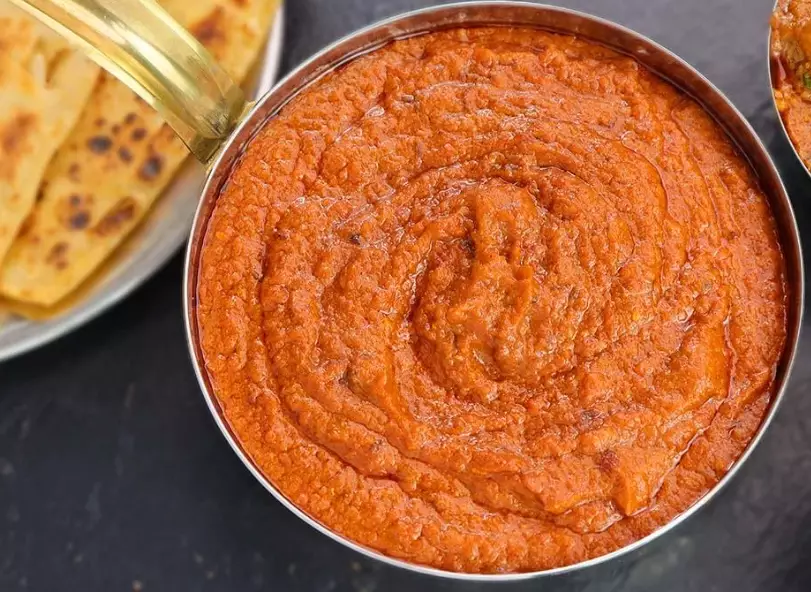
Most recipes get this wrong by rushing. They tell you to sauté onions for 5 minutes. That's a mistake. For a deep, sweet, caramelized flavor without burning the spices, you need patience. Here's my method, honed from watching my friend's mom:
- Finely chop or grate 3 large onions. Heat oil or ghee. Add a teaspoon of cumin seeds if you like.
- Add the onions and cook on medium-low heat for a good 15-20 minutes. Stir occasionally. You want them golden brown, not just translucent. This is non-negotiable.
- Add ginger-garlic paste (2 tbsp) and cook for 2 minutes until the raw smell disappears.
- Now add your powdered spices: 1 tsp turmeric, 2 tsp coriander powder, 1 tsp red chili powder. Cook for just 30 seconds. Adding them to the hot oil-onion mixture "blooms" their flavor.
- Add 4 pureed tomatoes. Here's another key: cook this mixture, stirring often, until the oil separates from the masala. You'll see little droplets of oil pooling around the edges. This can take another 10-15 minutes. This "oil separation" is the visual cue that your base is ready.
From this single base, you can diverge. Add cream and butter for Butter Chicken. Add boiled chickpeas and garam masala for Chana Masala. Add pre-cooked kidney beans for Rajma. It's your blank slate.
Gravy 2: The Tangy Yogurt (Dahi) Base
This base is all about managing acidity and preventing curdling. The tang from yogurt is different from tomato—it's brighter and pairs amazingly with fried elements.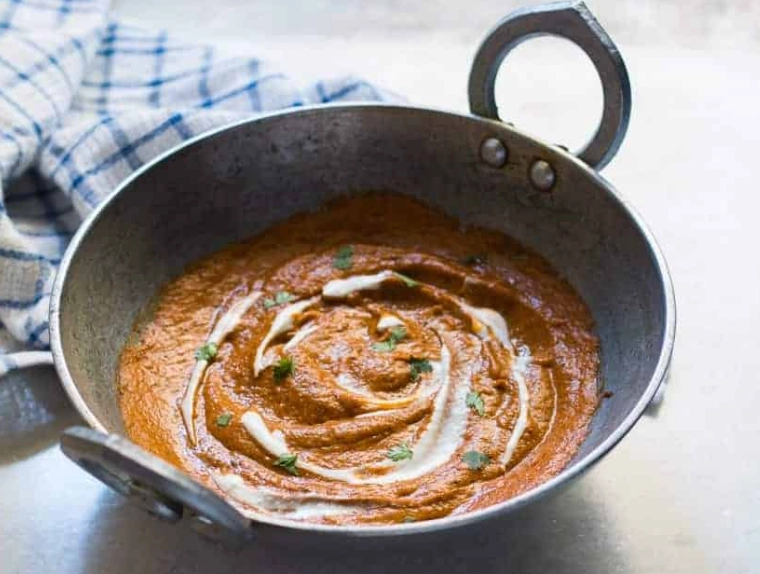
The classic dish is Kadhi. The process is unique:
- Whisk together 1 cup of full-fat yogurt with 3-4 tablespoons of besan (gram flour). The besan is crucial—it stabilizes the yogurt, thickens the gravy, and prevents it from splitting when boiled.
- Add turmeric, red chili powder, and salt. Whisk in about 2 cups of water to get a buttermilk-like consistency.
- In a pot, heat ghee with mustard seeds, cumin, fenugreek seeds, and dried red chilies for the tadka (tempering).
- Pour the yogurt mixture into the pot. Bring it to a gentle simmer, stirring constantly in one direction (an old wives' tale that seems to work!). Let it simmer for 15-20 minutes until it thickens.
- Then, you add your pakoras (fried gram flour fritters) or vegetables directly into this simmering gravy.
The result is a comforting, tangy, slightly thick soup-like curry. It's a staple in Gujarati and Rajasthani homes. The key is never to boil it violently—a steady, gentle simmer is your friend.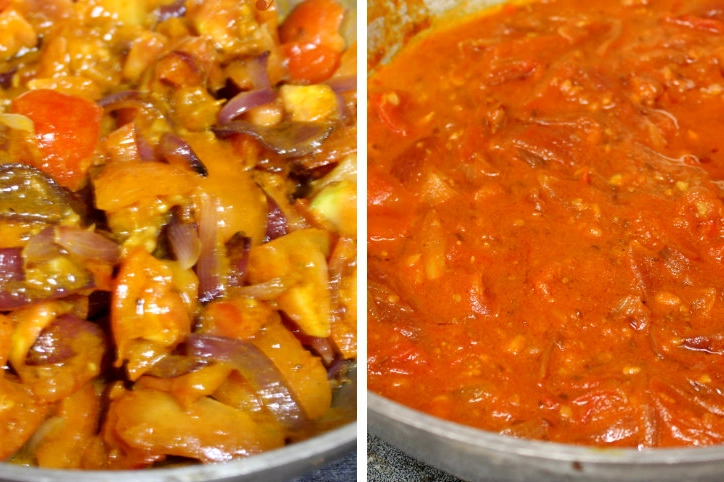
Gravy 3: The Rich Nut & Seed Paste Base
This is the luxury foundation. Born in Mughal kitchens, it's designed for richness and subtlety. The nut paste acts as both a thickener and a primary flavor agent, mellowing out spices.
A common error is using raw nut paste. It gives a raw, gritty flavor. You must toast or soak your nuts first.
- For cashews or almonds, soak them in hot water for 30 minutes, then blend into a smooth paste.
- For poppy seeds (khus khus), dry toast them lightly in a pan for a minute until fragrant, then soak and blend.
The base building is similar to the onion-tomato method, but you often use onion paste instead of chopped onions. After cooking your onion-ginger-garlic paste and spices, you add this nut/seed paste and cook it for 5-7 minutes. Then you add yogurt or cream. The final texture should be velvety.
Dishes like Korma use this base. The nuts aren't just a garnish here; they are the sauce. If you're allergic, roasted chana dal (split Bengal gram) soaked and blended can mimic the texture surprisingly well, though the flavor is different.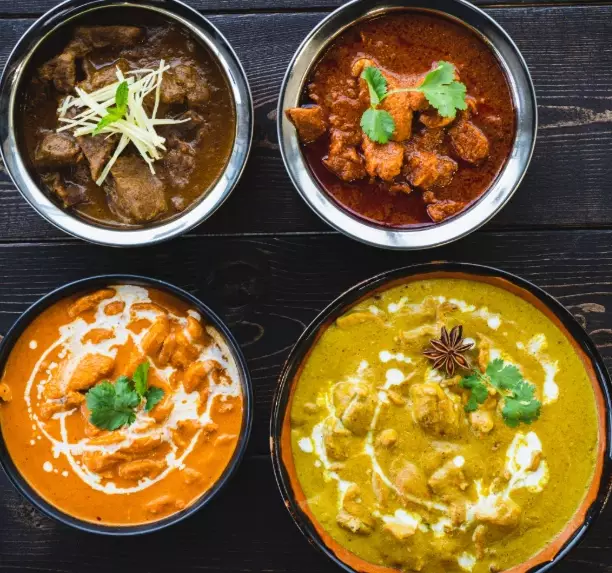
Gravy 4: The Creamy "White" Sauce (Safed) Base
This is the specialist. It exists for dishes where you want no trace of red or orange color. It's mild, fragrant, and lets the main ingredient shine.
The base starts with a paste of soaked raw cashews and/or soaked melon seeds (magaz) to provide creaminess and body without color. You sauté a paste of white onions (or just use leeks for a truly white version) and ginger. The spices are minimal: white pepper, green cardamom, maybe a bit of fennel. No turmeric, no red chili powder. You might use green chili paste for heat.
The liquid is yogurt, milk, or cream. The famous Malai Kofta uses this base. The koftas (fried paneer and potato balls) are delicate, and a tomato base would overpower them. This white gravy cradles them in mild, creamy goodness.
It's the least used of the four, but when you need it, there's no substitute.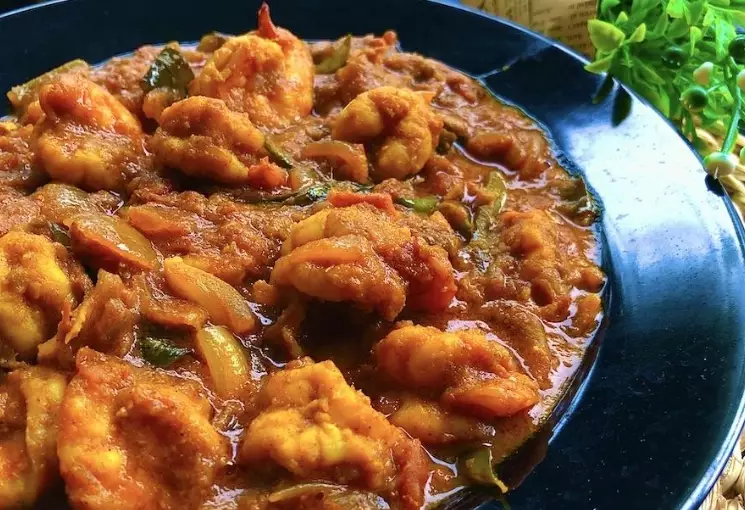
How to Choose Your Base Gravy: A Simple Decision Tree
Staring at a chicken breast and unsure where to start? Use this logic:
- Want something classic, hearty, and familiar? → Go Onion-Tomato. You can't go wrong.
- Cooking for a festive occasion or want something decadent? → Nut & Seed Paste is your choice.
- Making vegetable fritters (pakoras) or want a distinct sour note? → The Yogurt Base is calling.
- Making paneer kofta, fish, or a mild "white" curry? → Reach for the White Sauce technique.
Most home kitchens live in the onion-tomato and yogurt worlds. The nut and white bases are your weekend project gravies.
Common Mistakes & Pro Fixes
Here's where that "10 years of experience" advice comes in. These are the small things that make a big difference.
Using low-fat yogurt. It will almost certainly curdle. Full-fat yogurt is more stable. Also, always bring yogurt to room temperature before adding it to a hot dish.
Adding raw nut paste at the end. This makes the whole curry taste gritty and unfinished. Always cook the nut paste in the oil and spices for a few minutes to remove the raw edge.
Not adjusting for water content. Vegetables like zucchini or spinach release water. Meat does too. If your final dish is watery, increase the heat at the end and cook uncovered to reduce the gravy to your desired consistency. Don't be afraid to let it simmer.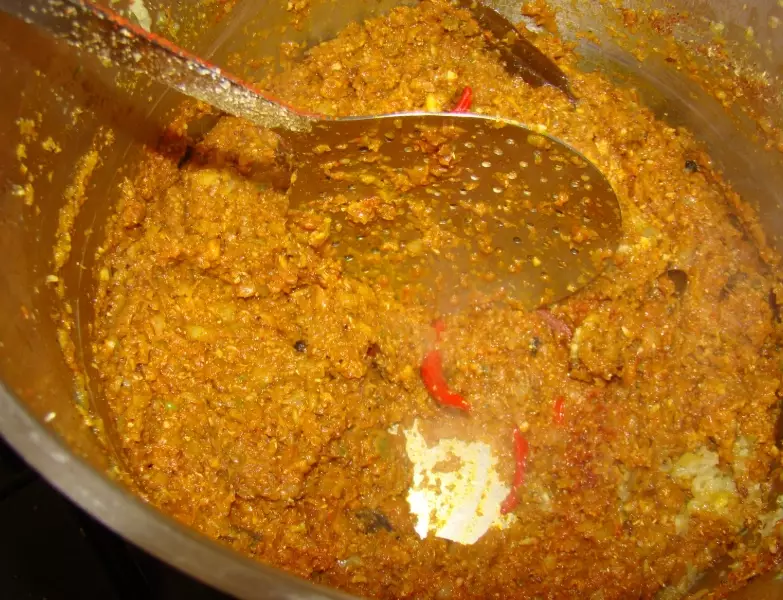
Your Gravy Questions Answered
So, there you have it. The four basic Indian gravies aren't just recipes; they're a framework for understanding an entire cuisine. Start with the onion-tomato base. Get comfortable with its rhythms. Then, branch out. Your kitchen is now your dhaba. Happy cooking.
Discussion