Let's be honest. Most online idli recipes promise soft, cloud-like results but deliver hockey pucks. I've been there. My first batch was so dense you could have used it as a doorstop. After years of trial, error, and learning from my grandmother in Chennai, I cracked the code. It's not just a recipe; it's a process. Forget the shortcuts. An authentic idli is about patience, ratios, and respecting the fermentation. This guide will walk you through every step, highlighting the tiny details most recipes gloss over.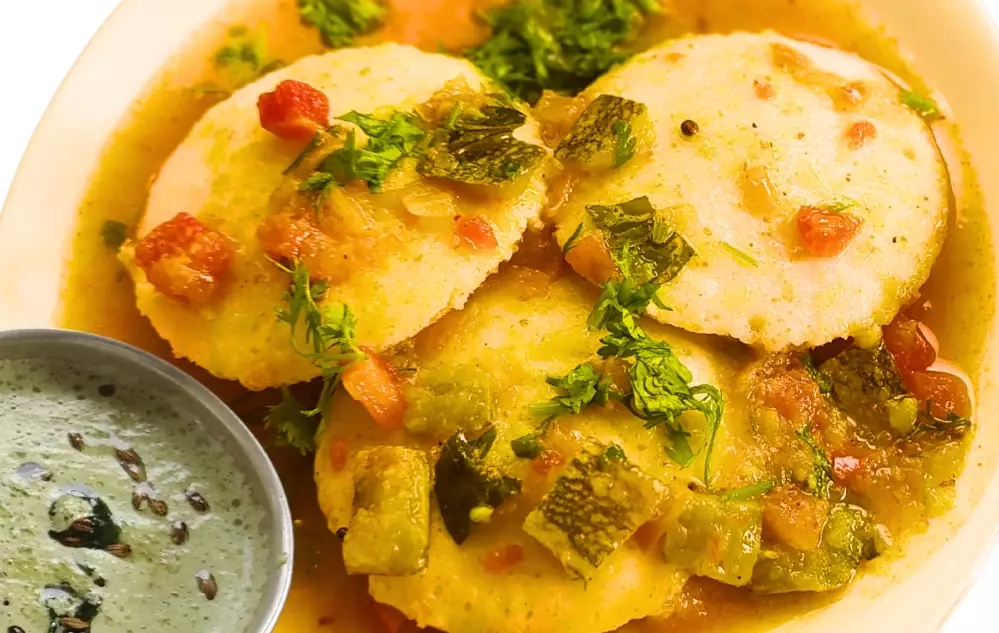
Your Quick Guide to Perfect Idli
The Exact Ingredients You Need (And Why)
This isn't a place for substitutions if you want the real taste. The magic lies in two humble ingredients and their specific preparation.
The Non-Negotiables: Idli rice (or parboiled rice like Ponni/Sona Masoori) and whole, skinless urad dal (black gram). Idli rice is a short-grain, parboiled rice that's starchier and absorbs more water, leading to a softer texture. Regular basmati won't cut it. For urad dal, the quality is paramount. Old or dusty dal won't ferment well.
Rice-to-Lentil Ratio: The Golden Rule
This is where most beginners mess up. A 4:1 ratio (rice:urad dal) by volume is the classic, foolproof standard. It gives structure from the rice and aeration from the dal. Some families use a 3:1 ratio for slightly denser, more traditional idlis. I suggest starting with 4:1.
| Ingredient | Type/Quality to Look For | Role in the Batter | Common Pitfall |
|---|---|---|---|
| Idli Rice | Parboiled, short-grain (e.g., Ponni, Sona Masoori). Not Basmati. | Provides the body, starch, and softness. | Using wrong rice type leads to hard, grainy idlis. |
| Urad Dal (Black Gram) | Whole, skinless, white variety. Fresh stock is key. | Creates the air pockets through fermentation. Responsible for fluffiness. | Old dal doesn't ferment. Skin-on dal makes batter coarse. |
| Fenugreek Seeds (Methi) | About 1/2 tsp for every cup of rice. | Aids fermentation, adds a subtle bitter note, and keeps batter from souring quickly. | Adding too much makes idlis bitter. |
| Salt | Rock salt or non-iodized sea salt. | Adds flavor. Added after fermentation. | Adding salt before fermentation can inhibit the bacteria. |
| Water | Filtered or non-chlorinated water is best. | For soaking and grinding. Chlorine can hinder fermentation. | Using icy cold water slows down fermentation. |
The Step-by-Step Idli Making Process
Follow this sequence. Rushing any step shows in the final result.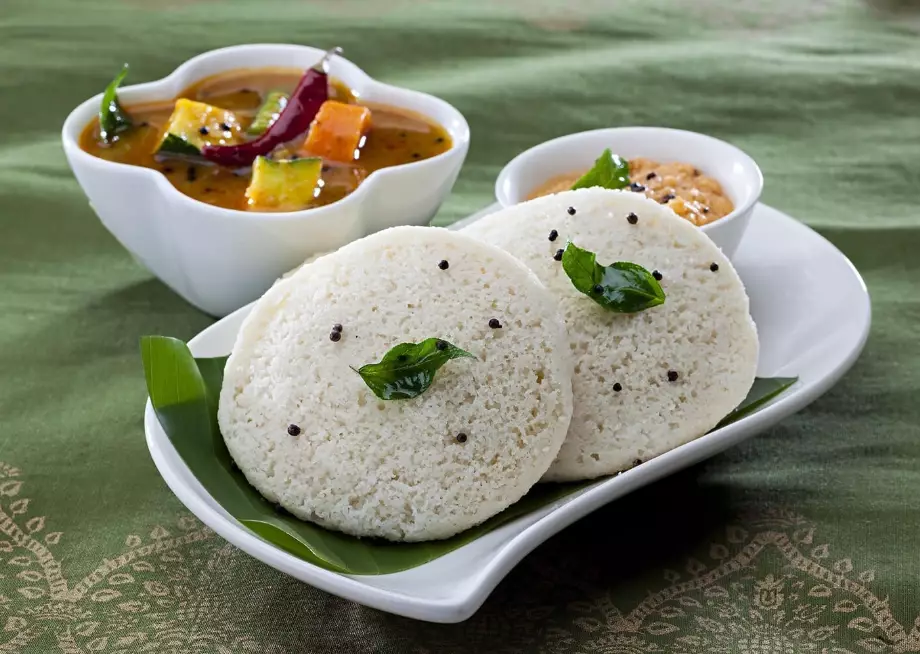
1. Soaking: Not Just a Casual Dip
Wash the rice and urad dal separately until water runs clear. Soak them in plenty of water, also separately, for a minimum of 4-6 hours. The urad dal will plump up significantly. Add fenugreek seeds to the rice while soaking. In colder climates, extend this to 8 hours. The goal is for a grain to break easily between your fingernails.
2. Grinding: Texture is Everything
This is the most crucial physical step. Drain the urad dal water but save it.
Grind the urad dal first: Use the saved soaking water little by little. You want a smooth, glossy, and voluminous paste. It should be so aerated that a small dollop dropped into a bowl of water floats. This takes time in a wet grinder (20-25 mins) or a powerful blender (with breaks to prevent overheating). Overheating the dal paste kills its rising potential.
Grind the rice next: Grind to a slightly coarse consistency, like fine semolina. Too smooth, and your idlis become gummy. Use fresh water as needed. The batter should feel gritty between your fingers.
Mix both batters thoroughly in a large, clean, non-reactive container (stainless steel or glass). The container should have at least double the volume of the batter to allow for rise.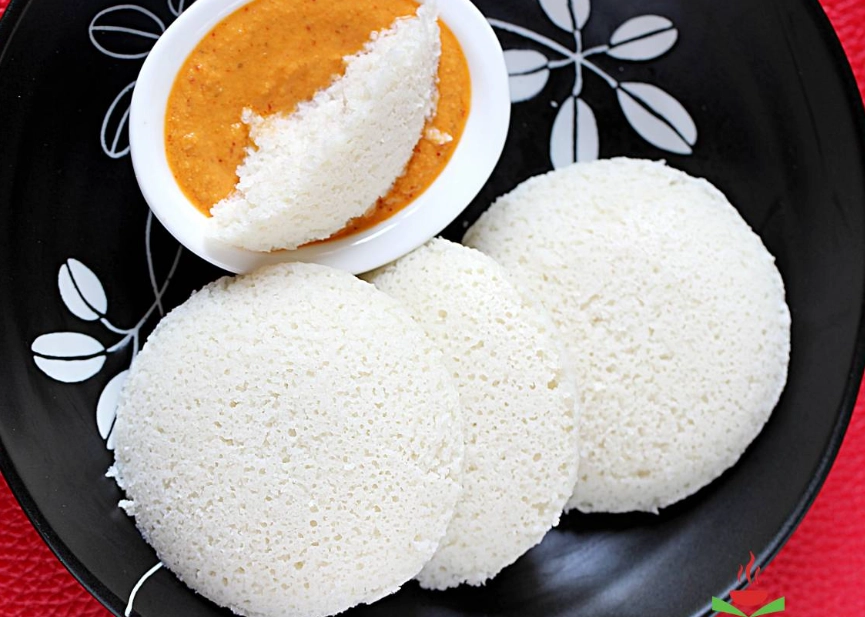
My Grandmother's Trick: After mixing, dip your hand in water and give the batter a few clockwise stirs. She swore it "invited good fermentation." Scientifically, it might evenly distribute the wild yeast starters. I still do it.
Mastering Idli Batter Fermentation
This is the soul of the recipe. No fermentation, no idli. Just steamed lumps.
Cover the container loosely with a lid or plate. Do not seal it airtight. The bacteria need oxygen. The ideal environment is warm (around 80-85°F or 27-30°C) and draft-free.
Fermentation Hacks for Different Climates
- Cold Climate: Place the container in your oven with just the light on. The bulb provides gentle warmth. Alternatively, place it near a radiator.
- Tropical Climate: Room temperature is usually perfect. Just keep it away from direct AC vents.
- Universal Trick: Preheat your oven to its lowest setting for 2 minutes, turn it OFF, then place the batter inside. The residual warmth is perfect.
Fermentation takes 8-12 hours. You'll know it's ready when the volume has nearly doubled, the surface is covered with tiny bubbles, and it has a slightly sour, yeasty aroma. Do not over-ferment. An overly sour batter makes spongy, acidic idlis.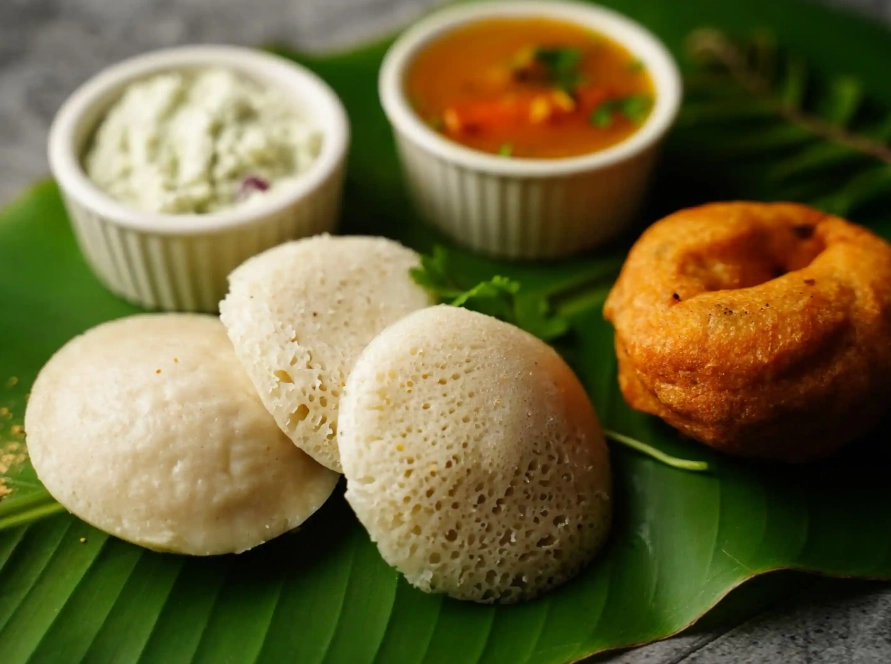
Steaming for Perfect Texture
Once fermented, gently stir in salt. Don't beat the air out. Grease your idli plates lightly with oil (gingelly oil is traditional). Pour batter into the moulds, filling only 3/4th full.
Steam over medium-high heat for 10-12 minutes. Not on a rolling boil. Aggressive boiling creates water droplets that fall on the idlis, making them wet. A steady, vigorous steam is what you need.
How to check if they're done? Insert a toothpick or knife into the center of an idli. It should come out clean. Also, the idlis will pull away slightly from the mould edges.
Let them sit in the steamer for 2 minutes after turning off the heat before removing. Use a spoon or knife dipped in water to unmould them.
Why Your Idli Fails & How to Fix It
Let's diagnose the common problems. I've faced every single one.
- Dense and Hard: Under-fermentation is the #1 culprit. The batter didn't rise enough. Ensure warmth and time. Second cause: wrong rice or over-ground rice batter.
- Flat, Not Fluffy: Batter was too thin. The consistency after grinding should be thick but pourable, like a very thick cake batter. Also, check your urad dal quality.
- Sticky and Gummy: Over-steaming or steaming on too high heat. Reduce time or heat. Could also be over-ground rice.
- Sour Taste: Over-fermentation. In warm weather, check the batter after 6-8 hours. Once fermented, you can refrigerate it to halt the process.
- Batter Didn't Rise At All: Likely dead urad dal, water was too chlorinated, or the environment was too cold. The container wasn't clean (killing bacteria).
Serving, Storing & Reheating
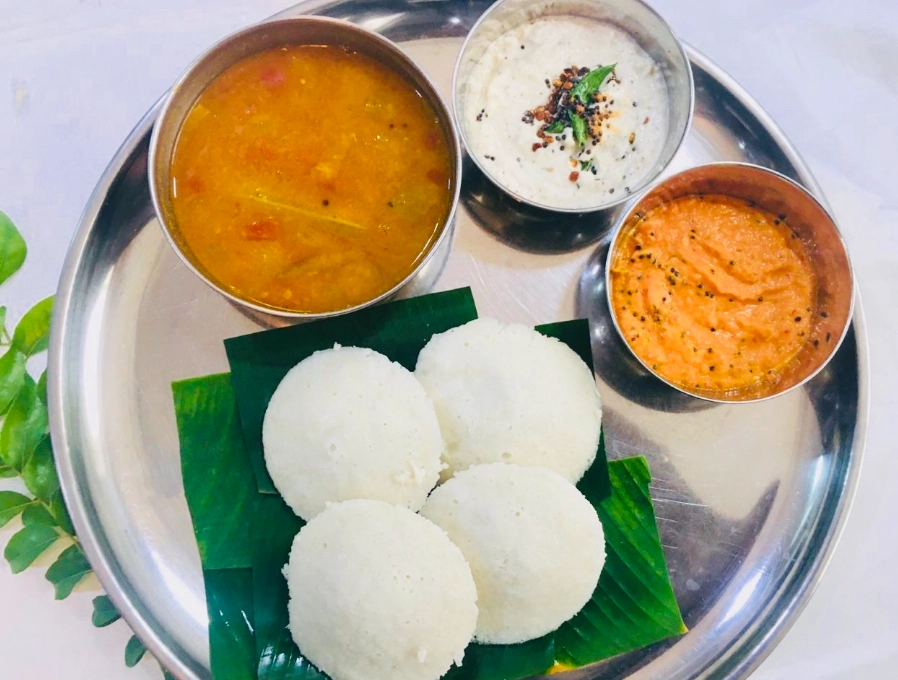
Serve idlis hot with sambar and coconut chutney. That's the classic trio. Leftover idlis? Don't worry. They make fantastic next-day snacks.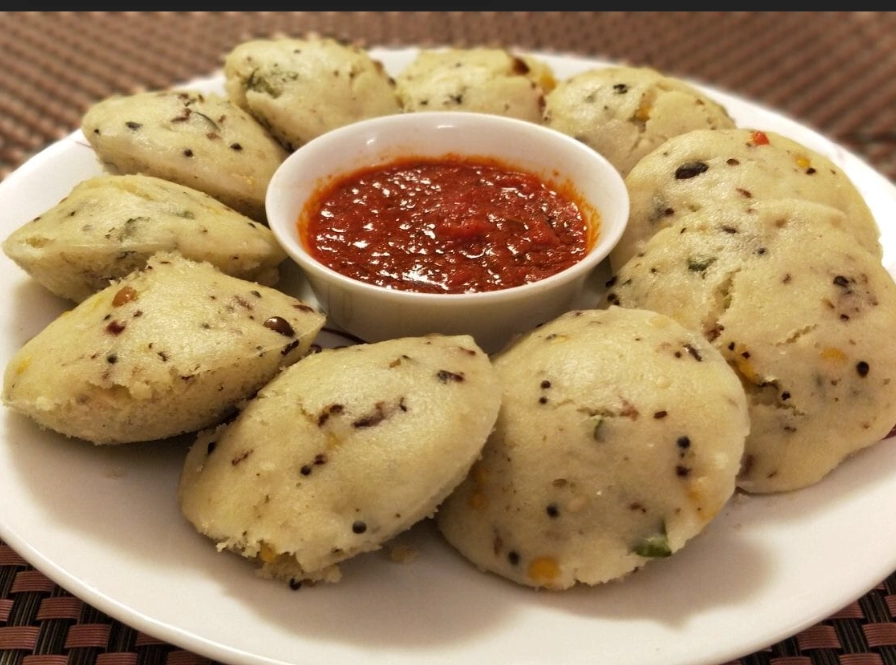
To store batter: Refrigerate fermented batter in an airtight container for up to 3 days. It will thicken; stir in a little water before using.
To reheat idlis: The worst thing you can do is microwave them—they turn rubbery. Steam them again for 3-4 minutes. Or, pan-fry them into "idli fry" with some oil, mustard seeds, and curry leaves.
Idli Expert FAQ
You can, but it's a different product. A pinch of baking soda mixed in just before steaming will give a lift if your batter is under-fermented, but it leaves a slight aftertaste and the texture is more cake-like than authentically fermented. Using yeast creates a bread-like flavor. For authentic idli, focus on creating a warm microclimate (oven light method) or consider using a small amount of previously fermented batter as a starter (like a sourdough).
Yes, but with caveats. A blender heats up the batter quickly, which can damage the urad dal's ability to trap air. Grind in short, 30-second bursts, letting the motor and dal cool down in between. Add ice-cold water to manage temperature. The texture might be slightly less voluminous than wet-ground batter, but it's a good compromise for home cooks. The Indian government's Ministry of Food Processing Industries even notes traditional wet grinding is ideal for optimal texture.
 How do I know if my urad dal is fresh enough for good fermentation?
Buy from a store with high turnover. The dal should be bright white, not yellowish or grey. It should have a mild, pleasant, bean-like smell, not musty. Before soaking, rub a few dals between your palms. If they turn powdery or leave a lot of dust, they're old. Fresh dal soaks up water cleanly and grinds to a paste that feels sticky and can hold peaks.
This is almost always a reaction with the cooking vessel. Aluminum or reactive steel idli plates can cause this, especially if the batter is slightly acidic from fermentation. Switch to stainless steel, non-stick, or cast iron idli stands. Greasing the plates well also creates a barrier. It's harmless but affects appearance.
Making authentic idli is a rewarding practice. It connects you to a slow, traditional way of cooking where time is an ingredient. Don't get discouraged by a failed batch. Each one teaches you about the temperature of your kitchen, the quality of your lentils, and the behavior of your steamer. Once you nail it, that soft, spongy, steaming-hot idli dipped in sambar is a taste of home, no matter where you are.
Discussion