If you've ever tried making idli at home and ended up with dense, hard disks instead of soft, cloud-like pillows, you're not alone. I've been cooking South Indian food for over a decade, and let me tell you, getting idli right is more about technique than just following a recipe. This guide cuts through the noise and gives you the exact steps for perfect idlis every time. No fluff, just the stuff that works.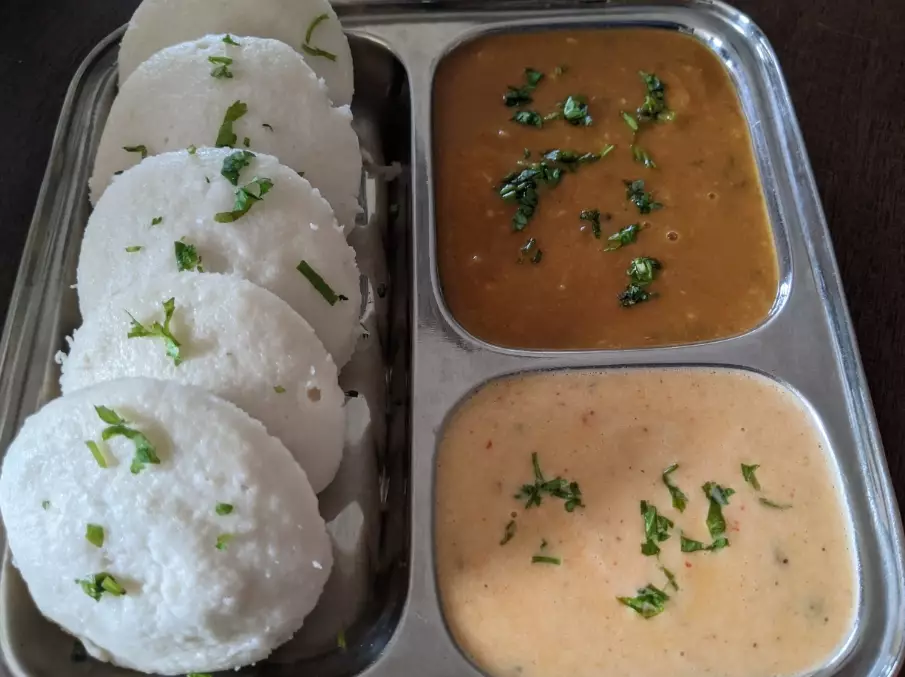
Jump to What Matters
What is Idli and Why It's a Staple
Idli is a steamed rice cake from South India, typically eaten for breakfast or as a snack. It's gluten-free, fermented, and incredibly light—when done right. The fermentation process not only makes it fluffy but also boosts its nutritional value by increasing probiotics, as noted in reports from the National Institute of Nutrition in India. Most people think idli is just rice and lentils, but the magic lies in how you handle them.
I remember my first attempt at idli. The batter didn't rise, and the idlis came out like hockey pucks. Turns out, I used tap water that was too chlorinated, which killed the natural fermentation. Lesson learned: details matter.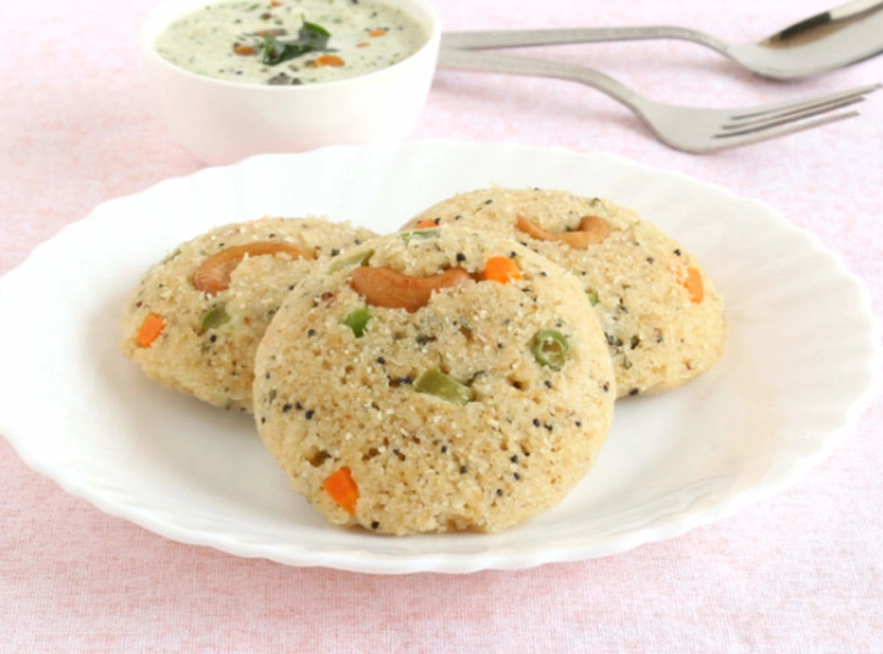
Essential Ingredients for Authentic Idli
You don't need fancy stuff. Here's what you must have:
| Ingredient | Quantity | Notes |
|---|---|---|
| Idli rice (or parboiled rice) | 2 cups | Don't use regular white rice; idli rice has more starch for better texture. |
| Urad dal (black gram lentils) | 1/2 cup | Skinless urad dal is best for a smooth batter. |
| Fenugreek seeds | 1 teaspoon | Helps with fermentation and adds a subtle bitterness. |
| Salt | To taste | Add only after fermentation. |
| Water | As needed | Use filtered or boiled water at room temperature. |
Some recipes call for poha (flattened rice), but in my experience, it's optional. If you want extra softness, add 1/4 cup of poha when grinding. But focus on the basics first.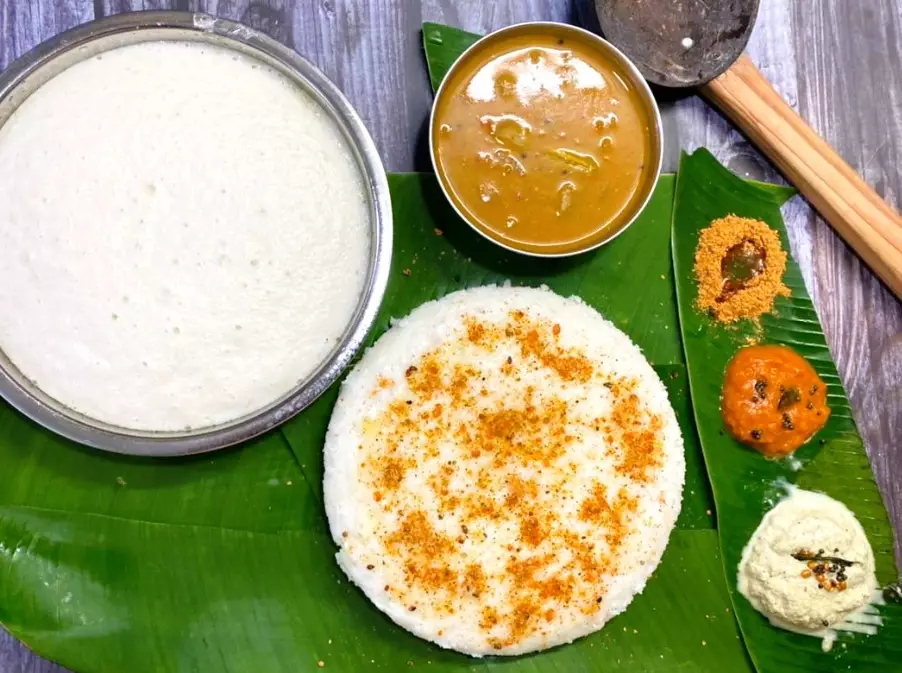
The Step-by-Step Idli Recipe
This is where most folks go wrong. Follow these steps closely.
Soaking and Grinding the Rice and Lentils
Wash the rice and urad dal separately until the water runs clear. Soak them in plenty of water for at least 6 hours, or overnight if you can. Add fenugreek seeds to the urad dal while soaking. I've found that soaking longer than 8 hours can make the batter too watery, so stick to 6-8 hours.
Grind the urad dal first. Use a wet grinder if you have one—it gives the best results. Grind with just enough water to make a smooth, fluffy paste. This should take about 20-25 minutes. Then, grind the rice to a slightly coarse consistency. Mix both batters together in a large bowl. The consistency should be like thick pancake batter.
The Fermentation Process: Getting It Right
Fermentation is the heart of idli making. Cover the bowl with a lid or plate and leave it in a warm place. Ideal temperature is around 80-85°F (27-30°C). If your kitchen is cold, preheat your oven to the lowest setting, turn it off, and place the bowl inside. Let it ferment for 8-12 hours.
How do you know it's done? The batter should double in volume and have a slightly sour smell. If it doesn't rise, don't panic. It might be too cold or the water quality is off. I once had to use a heating pad wrapped around the bowl in winter—worked like a charm.
Steaming to Perfection
After fermentation, add salt and mix gently. Grease your idli plates with a bit of oil. Pour the batter into the molds, filling them about 3/4 full. Steam for 10-12 minutes on medium heat. Don't peek too early; steam escape can make the idlis dense.
To check if they're done, insert a toothpick—it should come out clean. Let them cool for a minute before removing with a spoon. If they stick, you might have over-steamed or not greased enough.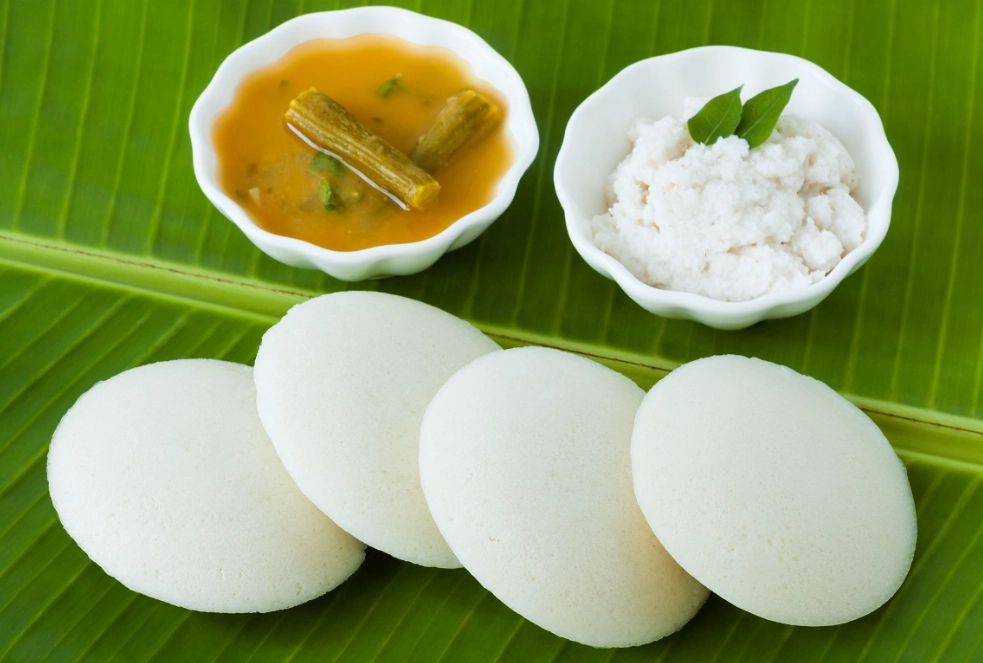
Common Idli Mistakes and How to Fix Them
Here's a quick list of pitfalls I've seen over the years:
- Batter not fermenting: Usually due to cold temperature or chlorinated water. Use warm water for grinding and keep the bowl in a warm spot.
- Idlis too hard: Often from over-grinding the rice or using too little water in the batter. Aim for a coarse rice grind.
- Idlis sticking to the plate: Grease the plates well and steam on medium heat, not high.
One mistake rarely mentioned: using old urad dal. If your dal is stored for months, it might not ferment well. Buy fresh stock from Indian grocery stores or online retailers like Amazon Pantry.
Pro Tips from a South Indian Home Cook
Beyond the recipe, here are insider tips:
Use a cast-iron idli stand if you can. It distributes heat evenly, giving uniform idlis. Non-stick stands are fine, but cast-iron gives that traditional touch.
If you're in a hurry, add a pinch of baking soda to the batter before steaming. It's not authentic, but it'll give a quick rise. Purists will frown, but it works in a pinch.
Store leftover batter in the fridge for up to 3 days. The fermentation slows down, so the idlis might be slightly less fluffy, but still good. For longer storage, freeze the batter in portions.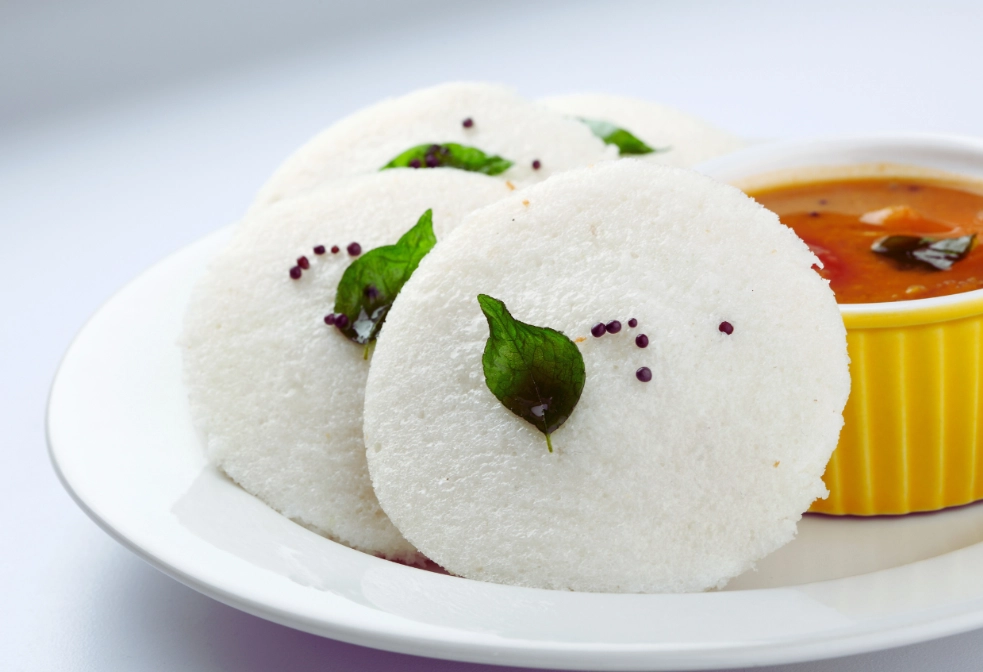
Serving Ideas and Traditional Accompaniments
Idli is versatile. Serve it hot with:
- Sambar: A lentil-based vegetable stew. Use a mix of vegetables like carrots, beans, and drumsticks.
- Coconut chutney: Blend fresh coconut, green chilies, ginger, and a bit of yogurt.
- Tomato chutney or podi: Spicy lentil powder mixed with oil.
For a twist, try idli fry: cut leftover idlis into pieces and pan-fry with spices. It's a great snack.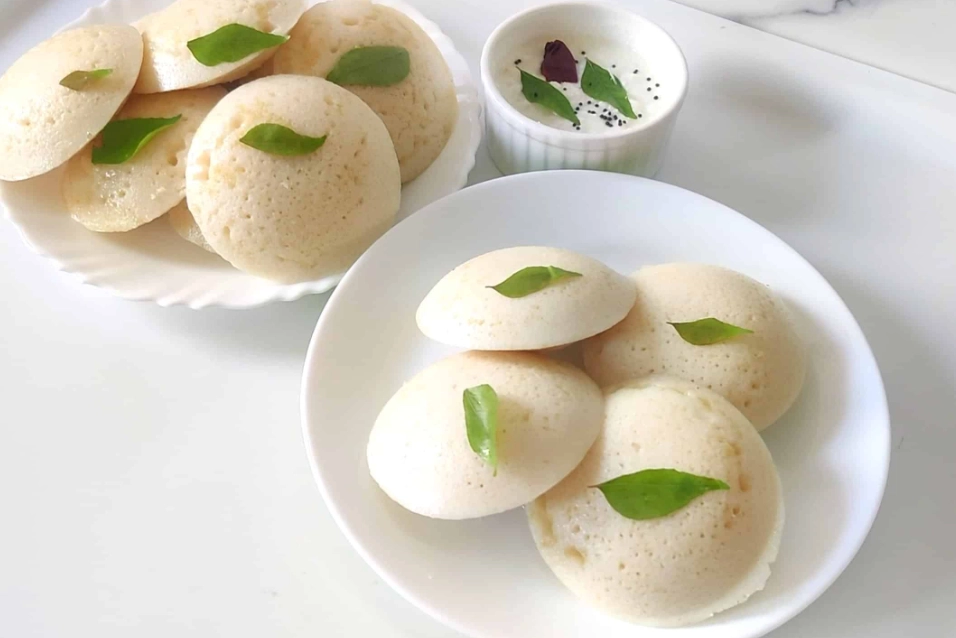
Discussion