Let's cut to the chase. You're here because you want to make idlis that are soft, fluffy, and melt-in-your-mouth perfect. Not the dense, gummy hockey pucks that sometimes happen. I've been there. After years of trial, error, and learning from my grandmother in Chennai, I can tell you the secret lies almost entirely in the ingredients and how you handle them. Forget fancy equipment; start with the right stuff.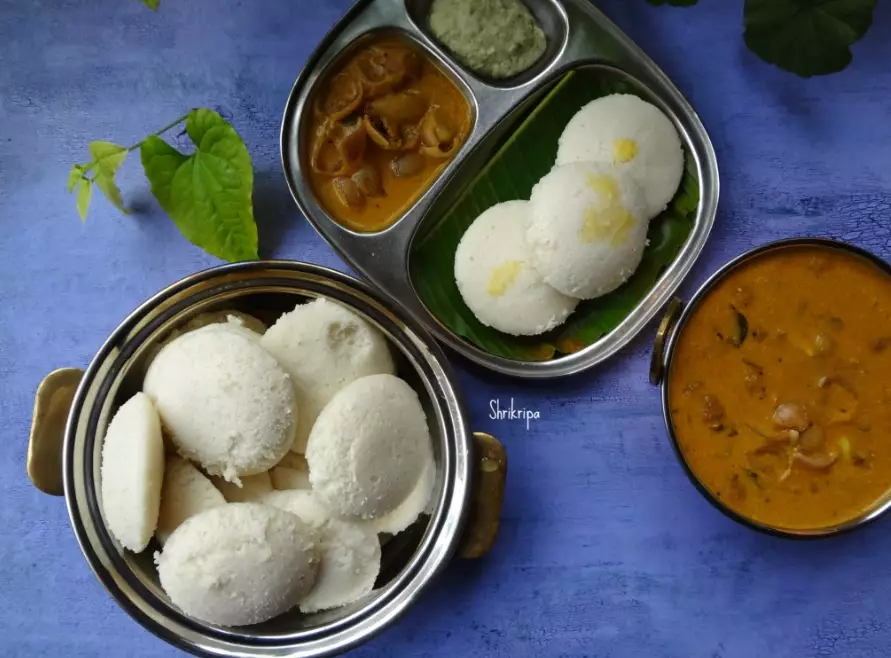
What's Inside This Idli Guide
The Non-Negotiable Core Ingredients for Idli
At its heart, idli batter needs just three things. But each one plays a critical role.
Rice: This is the body. It provides the structure and the soft, pillowy texture. You can't use just any rice. Basmati will give you a fragrant but separate-grained idli, not the classic sponge. Jasmine rice is too sticky. You need a rice that breaks down enough to become smooth but retains a slight granularity to hold air.
Urad Dal (Black Gram Lentils): This is the soul. Urad dal, specifically the skinned, split white variety, is magical. When ground and fermented, it creates a network of tiny air bubbles. This is what makes idlis rise and become airy. No other lentil works quite the same way. I've tried with chana dal, and the result was a sad, flat disc.
Salt & Water: The catalysts. Salt regulates fermentation and adds flavor. Water hydrates the grains and lentils for grinding. The temperature and quantity of water you use matter more than you think.
That's it. No baking soda, no yeast, no eno fruit salt for the traditional version. Those are modern shortcuts that often leave a chemical aftertaste.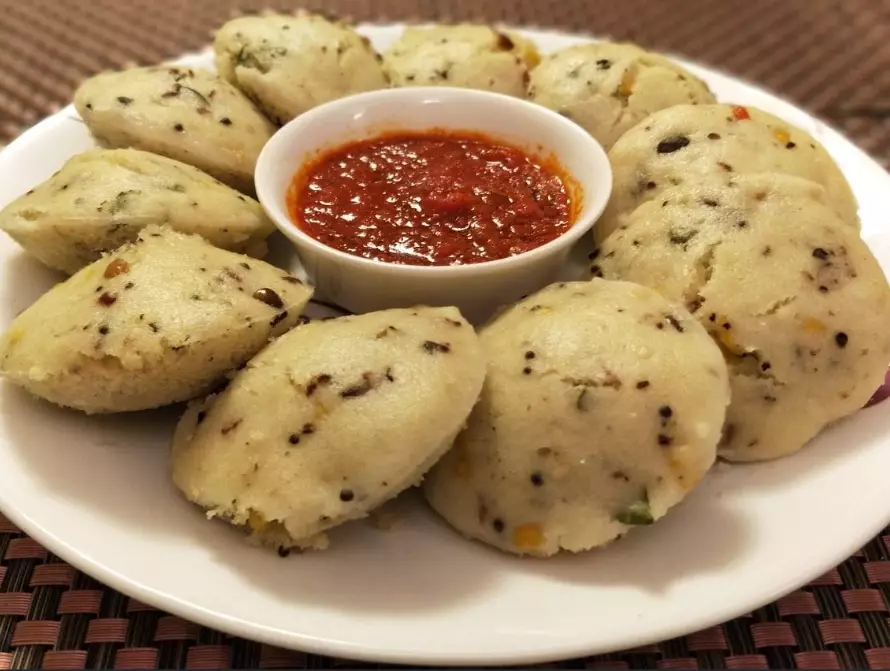
How to Choose the Right Idli Rice and Lentils
This is where most beginners go wrong. Picking the first bag of "idli rice" or urad dal you see isn't enough. Quality varies wildly.
For Rice, you have two excellent choices:
- Parboiled Rice (Idli Rice/Ukda Chawal): This is the champion. The parboiling process gelatinizes the starch inside the grain, making it harder, less sticky, and more nutritious. It absorbs water beautifully and grinds into a perfect, slightly coarse paste. Look for short or medium-grain parboiled rice. The grains should look translucent and reddish-brown before cooking.
- Raw Rice (Ponni, Sona Masoori): A good alternative. It produces a slightly softer, whiter idli. Some families, like mine in parts of Tamil Nadu, swear by a mix of parboiled and raw rice for texture. If you use only raw rice, your batter might be a bit more delicate.
For Urad Dal, non-negotiable rules:
Always buy skinned, split white urad dal. The black skins inhibit fermentation and can make the batter grey. Look for dal that is bright white, not yellowish, and smells fresh, not musty. The quality of urad dal is the single biggest factor in how well your batter ferments. Cheap, old dal simply won't froth up.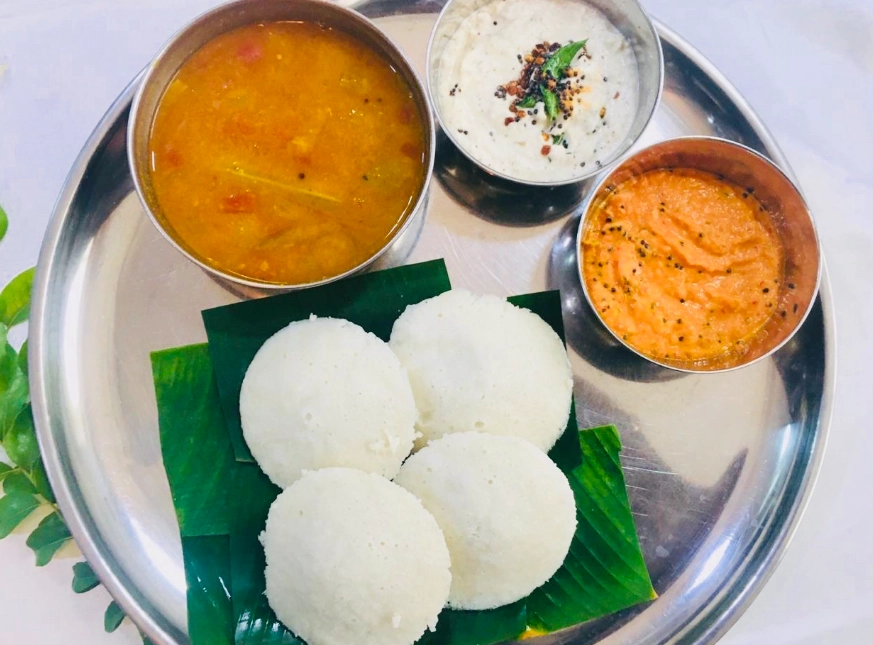
Optional (But Highly Recommended) Ingredients
While not essential, these additions elevate your idlis.
- Fenugreek Seeds (Methi): Add a teaspoon to the urad dal while soaking. It acts as a natural preservative, adds a subtle, complex bitterness that balances the sourness, and most importantly, stabilizes the fermentation. It helps prevent the batter from over-fermenting and becoming too sour too quickly.
- Poha (Flattened Rice) or Cooked Rice: Adding a handful of thick poha or a few spoons of leftover cooked rice to the rice while grinding. This introduces already-gelatinized starch, which kickstarts fermentation and can make the idlis incredibly soft. It's a fantastic hack for cold climates where fermentation is slow.
Finding Your Perfect Ingredient Ratio
The classic ratio is 4 parts rice to 1 part urad dal (4:1). This is a safe starting point. But think of it as a baseline, not a bible. Your climate, water, and dal quality will demand adjustments.
| Ratio (Rice:Urad Dal) | Resulting Idli Texture | Best For | My Personal Take |
|---|---|---|---|
| 3:1 | Extremely soft, spongy, slightly denser. | Beginners, cold climates (more dal aids fermentation). | My go-to in winter. The idlis are supremely soft but can be a tad heavy if the dal isn't ground perfectly. |
| 4:1 | The classic. Balanced, airy, and light. | Most home cooks, tropical & temperate climates. | The gold standard. Reliable and produces the textbook idli most people love. |
| 5:1 or 6:1 | Firmer, grainier texture, less rise. | Those who prefer a more substantial bite, very hot & humid climates. | I find this ratio a bit too dry for my taste. The idli lacks that cloud-like quality. |
My advice? Start with 4:1. Make a batch. Note the results. If they're not fluffy enough, increase the urad dal to a 3.5:1 ratio next time. If they're too sour or too soft, reduce it. Your kitchen has its own microbiome.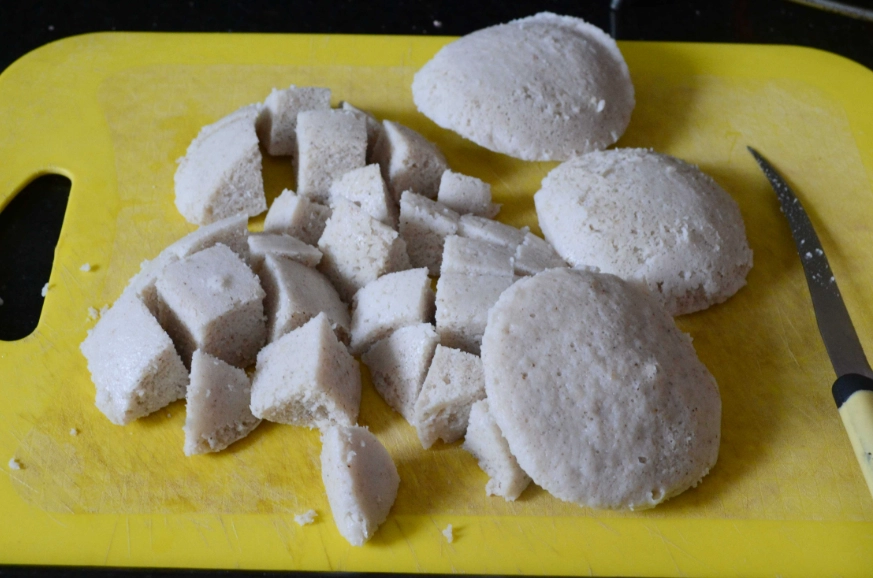
The Real Secret: It's All About Fermentation
You can have the best ingredients and perfect ratios, but if fermentation fails, the idli fails. Fermentation isn't just about letting the batter sit. It's a live process.
The urad dal, when ground, releases natural yeasts and bacteria. These microbes feast on the carbohydrates in the rice and dal, producing carbon dioxide bubbles (which make the batter rise) and lactic acid (which gives the tangy flavor).
Key factors for successful fermentation:
- Grind Consistency: Urad dal must be ground to a smooth, fluffy, airy paste. You should see volume increase as you grind. The rice paste should be slightly coarse, like fine sand. This texture difference is crucial—the smooth dal traps air, the coarse rice provides structure.
- Batter Temperature: Mix the ground rice and dal pastes with water that is at room temperature or slightly warm. Never use cold water—it shocks the microbes.
- Ambient Temperature: 25-30°C (77-86°F) is ideal. In colder climates, place the batter container in your oven with the light on, near a radiator, or in an insulated cooler with a warm water bottle.
How do you know it's ready? The batter should have doubled in volume. You'll see a frothy, spongy top with a network of tiny bubbles. A well-fermented batter will have a pleasant sour aroma, not a sharp, unpleasant smell.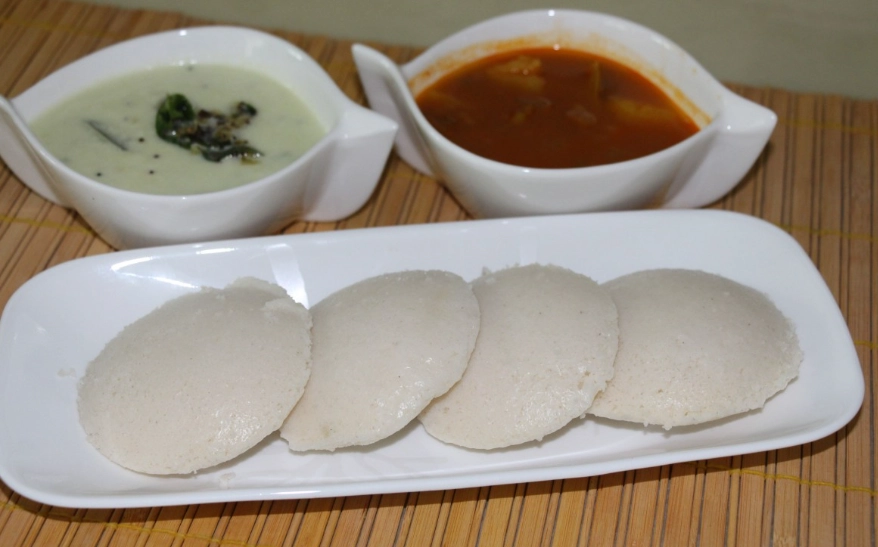
Ingredient Pitfalls & How to Avoid Them
Let's troubleshoot based on ingredients.
Problem: Idlis are hard and dense.
Likely Culprit: 1) Old or low-quality urad dal that didn't ferment. 2) Rice ground too fine. 3) Batter was too thick when fermenting. 4) Not enough salt (salt encourages microbial activity).
Problem: Idlis are too sour or taste yeasty.
Likely Culprit: Over-fermentation. The batter sat too long in a warm place. Once fermented, you must refrigerate it to slow down the process. Adding fenugreek seeds helps prevent this.
Problem: Idlis are flat, don't rise.
Likely Culprit: 1) Dead urad dal (try a new source). 2) Water used for mixing was too hot and killed the culture. 3) The steaming idli moulds were overcrowded or the steam wasn't vigorous enough.
Problem: Idlis stick to the moulds.
Likely Culprit: Not greasing the moulds adequately. Use a neutral oil like sunflower or a dab of ghee on each cavity. Also, let the idlis cool for a full minute before trying to remove them.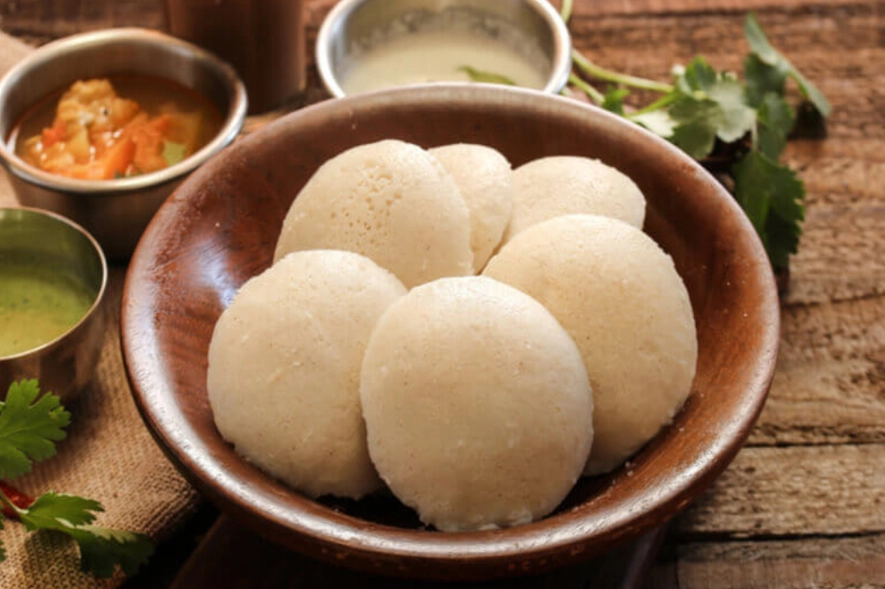
Your Idli Ingredient Questions Answered
 Is there a difference between store-bought and homemade idli batter?
The journey to perfect idlis is a dialogue with your ingredients. Listen to them. Notice how the batter behaves with different rice, different dal, in different seasons. Start with the best quality urad dal you can find—it's worth the extra dollar. Respect the fermentation process. It's not just a step; it's the transformation that turns simple ground paste into a living, rising, flavorful batter. Once you master the ingredients, you'll never look back.
Discussion