Quick Navigation
Let's be honest. When most people think of Indian food, they picture a rich, complex curry ordered from a restaurant. But that's just the tip of the iceberg. The real magic, the soul-satisfying stuff, happens at home. An Indian family meal is a different beast altogether. It's not about one show-stopping dish. It's a symphony.
I remember the first time I was invited for a proper Sunday lunch at my friend Priya's house in Delhi. The table wasn't crowded with giant bowls of creamy butter chicken. Instead, there were several smaller dishes—a couple of dals (lentil stews), a dry-spiced potato dish, a bowl of yogurt raita, a tangy pickle, fresh rotis piled high, and a simple rice pilaf. Everyone served themselves a bit of everything, creating their own perfect plate. The conversation was loud, the flavors were balanced, and the feeling was one of incredible warmth and abundance. That's the essence we're talking about.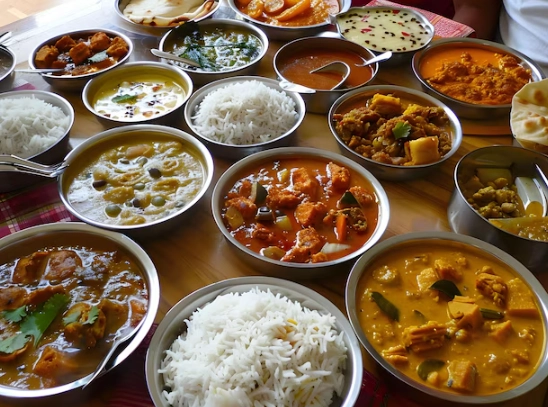
This guide is for anyone who wants to move beyond takeout and understand how to create, or simply appreciate, a true Indian family meal. We'll break down the philosophy, the practical components, and give you a roadmap to bring this beautiful tradition to your own table, whether you're cooking for two or a crowd.
The Heart and Structure of an Indian Family Meal
You can't just throw a bunch of spices into a pot and call it a family meal. There's a logic to it, one that's been refined over centuries. It's not rigid, but understanding the framework makes everything else click.
The Philosophy: The Six Tastes (Rasas)
Ancient Indian medicine, or Ayurveda, talks about six primary tastes: sweet, sour, salty, bitter, pungent, and astringent. A well-balanced meal aims to include most, if not all, of these. It's why your plate might have the sweetness of rice or chapati, the sourness of a tamarind dal or raita, the saltiness of the main dishes, the pungency (heat) from chilies, the bitterness from greens like fenugreek (methi), and the astringency from legumes or certain vegetables.
This isn't just poetic. It leads to deeper satisfaction. You eat until you're content, not until you're stuffed. When all the tastes are present, your palate feels complete. Ever eaten a heavy restaurant curry and felt like you needed something "fresh" afterward? That's often because it was missing that crucial sour or astringent element to cut through the richness. A home-style Indian family meal solves that problem intuitively.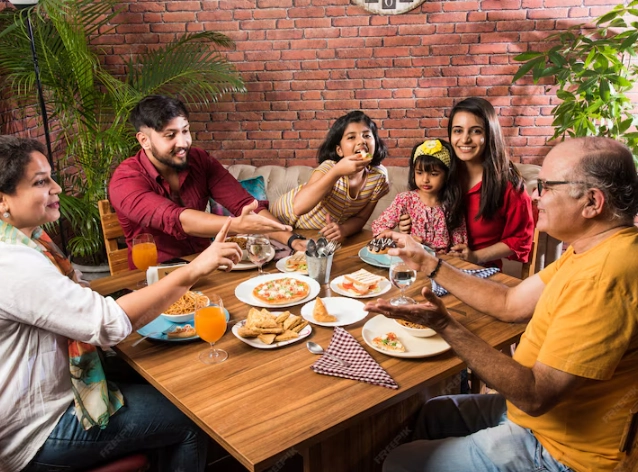
The Typical Components (What's Actually on the Table?)
While it varies wildly by region, season, and family, a standard weekday Indian family meal often includes these elements. Think of it as a checklist, not a strict rule.
| Component | Role & Purpose | Common Examples |
|---|---|---|
| Main Starch | The foundation. It soaks up flavors and provides sustenance. | Steamed rice (basmati or local varieties), various types of Roti/Chapati (whole wheat flatbread), Paratha (pan-fried flatbread), or Millet-based breads. |
| The Protein Anchor (Often Vegetarian) | The heart of the meal's nutrition. Usually a lentil or legume dish. | Dal (spiced lentil stew - like Toor Dal, Masoor Dal), Rajma (kidney bean curry), Chana Masala (chickpea curry). |
| Vegetable Dish (or two) | Adds texture, vitamins, and variety. Can be dry or with gravy. | Aloo Gobi (potato & cauliflower), Bhindi Masala (okra), Saag (spiced greens), a simple stir-fry (sabzi). |
| The "Cooling" Element | Essential for balance. Cools the palate and aids digestion. | Raita (yogurt with cucumber/boondi), plain yogurt, a simple salad of onions and tomatoes. |
| Flavor Accents | High-impact, low-volume items that personalize each bite. | Achar (pickle - mango, lime, mixed), chutney (mint, coriander, coconut), sliced raw onions, green chilies, lemon wedges. |
Notice what's often not the star? Meat. For a huge number of Indian families, daily meals are primarily vegetarian. Meat, fish, or poultry is frequently a weekend or special occasion addition, not the daily centerpiece. This is a key difference from Western meal structures and a major reason Indian family meals are often budget-friendly and nutrient-dense.
Bringing It Home: Practical Recipes & Cooking Wisdom
Alright, theory is great. Let's get practical. Here are some foundational recipes and techniques that form the backbone of countless Indian family meals. These are my go-tos, tested in a normal kitchen without fancy equipment.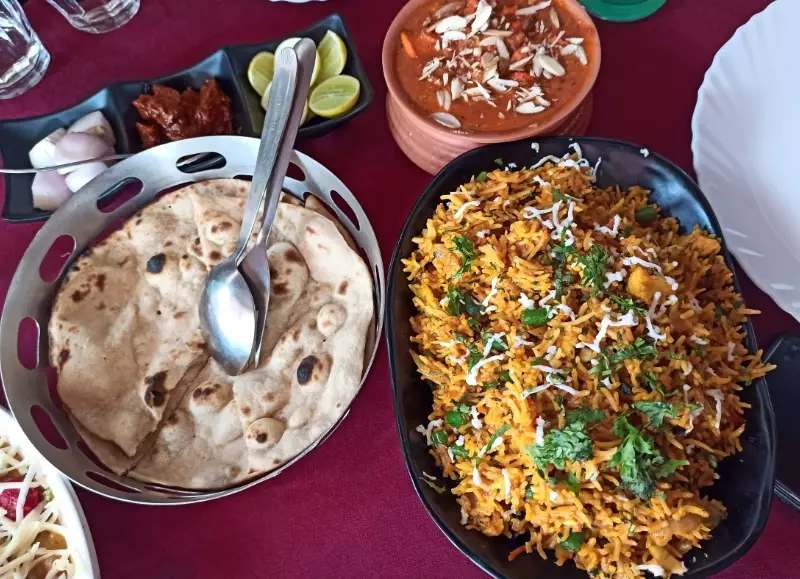
The Unbeatable Foundation: A Simple, Perfect Dal
If you learn one thing, learn to make a good dal. It's the ultimate comfort food and the most common protein source. My favorite for beginners is Masoor Dal (red lentils). They cook fast and don't need soaking.
Everyday Masoor Dal
What you need: 1 cup red lentils (masoor dal), rinsed. 1 medium onion, finely chopped. 2 tomatoes, chopped. 2 cloves garlic, minced. 1-inch ginger, grated. 1 green chili (optional). 1 tsp turmeric powder. 1 tsp cumin seeds. Salt to taste. A big pinch of asafoetida (hing - optional but magical for digestion). Fresh coriander for garnish.
The simple process: Cook the rinsed lentils in 3 cups of water with turmeric until mushy (20-25 mins). In a separate small pan, heat oil or ghee. Add cumin seeds, let them sizzle. Add asafoetida, then onions, and cook until golden. Throw in ginger, garlic, green chili, cook for a minute. Add tomatoes and cook until soft. Pour this flavorful "tadka" (tempering) into the cooked dal. Add salt, simmer for 5 more minutes. Garnish with coriander. Done.
This dal is liquid gold. Serve it over rice, dip your roti in it. It's the soul of the meal.
A Versatile Veggie Side: The Dry Sabzi
Indian home cooks are masters at turning a single vegetable into something spectacular with just a few spices. This method works for potatoes, cauliflower, green beans, cabbage—you name it.
Basic Aloo Sabzi (Dry Spiced Potatoes)
What you need: 3-4 potatoes, boiled, peeled, and cubed. 1 tsp mustard seeds. 1 tsp cumin seeds. A few curry leaves (fresh or dried). 1/2 tsp turmeric. 1 tsp red chili powder (or to taste). Salt. Oil.
How to: Heat oil. Add mustard seeds—let them pop. Add cumin seeds and curry leaves (they'll crackle). Immediately add the cubed potatoes, turmeric, chili powder, and salt. Toss gently to coat. Cook on medium heat for 8-10 minutes, letting the potatoes get slightly crispy in spots. Finish with a squeeze of lemon. It's simple, incredibly flavorful, and the perfect textural contrast to a wet dal.
The beauty of these components? They're designed to be made in parallel. While the dal simmers, you can prep and cook the sabzi. Multitasking is baked into the process.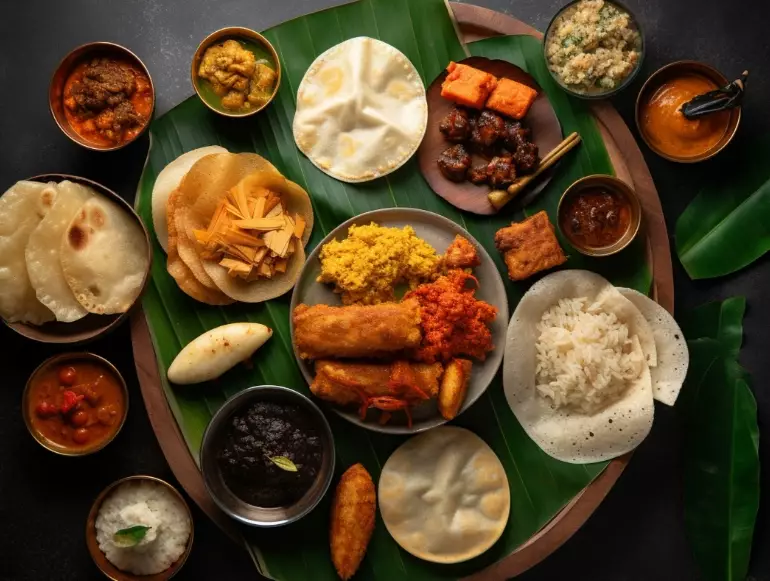
When You Want Meat: A Home-Style Chicken Curry
For a non-vegetarian Indian family meal, the approach is still balanced. The chicken curry is one component among others, not the solo act.
Here's the gist: Marinate chicken pieces in yogurt, ginger-garlic paste, turmeric, and salt for 30 mins if you have time (skip if you don't). Make a base by frying onions until deeply browned—this is crucial for color and flavor. Add ginger-garlic paste, then tomato puree. Cook until the oil separates. Add coriander powder, chili powder, maybe a bit of garam masala. Add the chicken, coat it in the masala, add a little water, and simmer until cooked. Finish with fresh coriander. It's richer than the dal, so you'll be glad to have that raita and plain rice alongside.
The Real Secret: Planning & Making It Work on a Weeknight
This is where most guides stop. They give you recipes but not the strategy. How does a busy family actually pull this off regularly? It's about smart prep and shifting your mindset.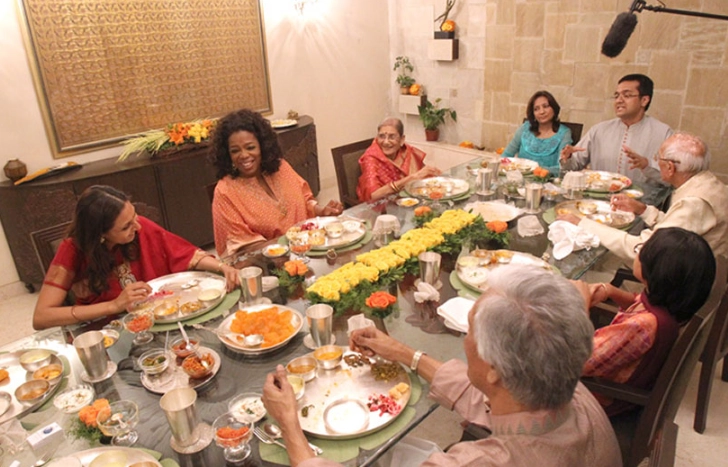
The Batch Cook & Mix-and-Match System
Indian home cooks are the original meal preppers. They don't make a completely new menu every day. They work in cycles.
- Sunday Prep: Make a big batch of a versatile base, like a tomato-onion masala (you can freeze portions). Cook a large pot of a sturdy dal like chana or rajma that tastes better the next day. Make a big batch of dough for chapatis and refrigerate it (it lasts 2-3 days).
- Weeknight Assembly: On Tuesday, heat up the dal. Quickly temper some mustard seeds and curry leaves in oil and stir it in to refresh it. Use your pre-made masala base to whip up a quick paneer or veggie dish in 15 minutes. Roll out and cook fresh chapatis from your pre-made dough. Dinner is ready in 30 minutes, tasting like you cooked all day.
Essential Tools (You Don't Need Much)
A heavy-bottomed kadai or Dutch oven is your best friend for even cooking. A good blender for making pastes. A tava (flat griddle) for chapatis, but a regular cast-iron skillet works perfectly. That's about it. I started with just one heavy pot and managed fine.
A Sample Week of Indian Family Meals
Let's make this tangible. Here's what a realistic week might look like in a household that mixes cooking from scratch with clever leftovers.
| Day | Meal Plan | Strategy & Notes |
|---|---|---|
| Monday | Masoor Dal, Aloo Gobi, Rice, Raita. | Fresh start. Dal cooks fast. Aloo Gobi is a one-pan veg dish. Use store-bought raita. |
| Tuesday | Leftover dal (refreshed with a new tadka), Cabbage Thoran (dry stir-fry), Chapati. | Use leftover dal. Cabbage cooks in 10 mins. Make chapati dough in the morning. |
| Wednesday | Chana Masala (from a can of chickpeas), Jeera Rice, Salad. | "Pantry raid" night. Chana masala comes together in 20 mins with canned chickpeas. |
| Thursday | Egg Curry, Leftover Chana, Rice. | Protein boost. Egg curry is incredibly fast. Reheat the leftover chana. |
| Friday | Fish Fry (simple marinated & pan-fried), Dal, Veg Pulao. | Weekend vibe. Keep the fish seasoning simple (turmeric, chili, salt). Use the last of the dal. |
See the rhythm? It's about flow, not perfection. Some dishes are from scratch, some are repurposed, some are pantry-based. The goal is a wholesome, varied, and flavorful table without burnout.
Answering Your Questions (The Stuff You Actually Search For)
I've scoured forums and questions. Here are the real things people want to know when they search for Indian family meals.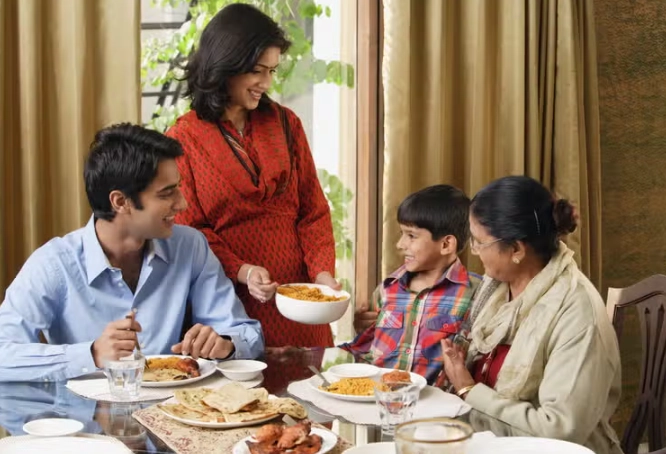
Final Thoughts: It's About Connection, Not Perfection
When I first tried to replicate an Indian family meal, I failed. I focused on one elaborate dish and forgot the supporting cast. The meal felt unbalanced and like a lot of work for one flavor.
Then I learned to think in terms of the plate, not the pot.
A successful Indian family meal isn't about culinary mastery. It's about putting together a few honest, flavorful things that work in harmony. It's about that moment when everyone serves themselves, creating their own unique combination from the shared dishes in the center of the table. There's a quiet democracy to it.
Start small. Make a pot of dal this week. Buy some decent basmati rice and a jar of lime pickle. Steam some green beans and toss them with mustard seeds and turmeric. You'll have three components. That's it. You've just created an authentic, nourishing Indian family meal.
The rhythms and rituals of these meals are what turn eating into dining and a house into a home. It's a tradition worth exploring, one simple, shared plate at a time.