Your Flavor Map
Okay, let's get straight to it. You typed that question into Google, didn't you? "What is the tastiest Indian dish?" It's a fantastic question, and honestly, it's one I've argued about with friends over countless dinners. The problem, of course, is that there's no single right answer. Asking for the tastiest Indian dish is like asking for the best song ever written—it depends entirely on your mood, your background, and what your taste buds are craving that day.
Indian cuisine isn't a monolith. It's a vast, sprawling continent of flavors, textures, and histories. What sings to someone from Punjab might not resonate with someone from Kerala. The buttery, creamy richness of the north is a world away from the coconut-laced, tangy curries of the south. And that's before we even get to street food, which is a whole other universe of deliciousness.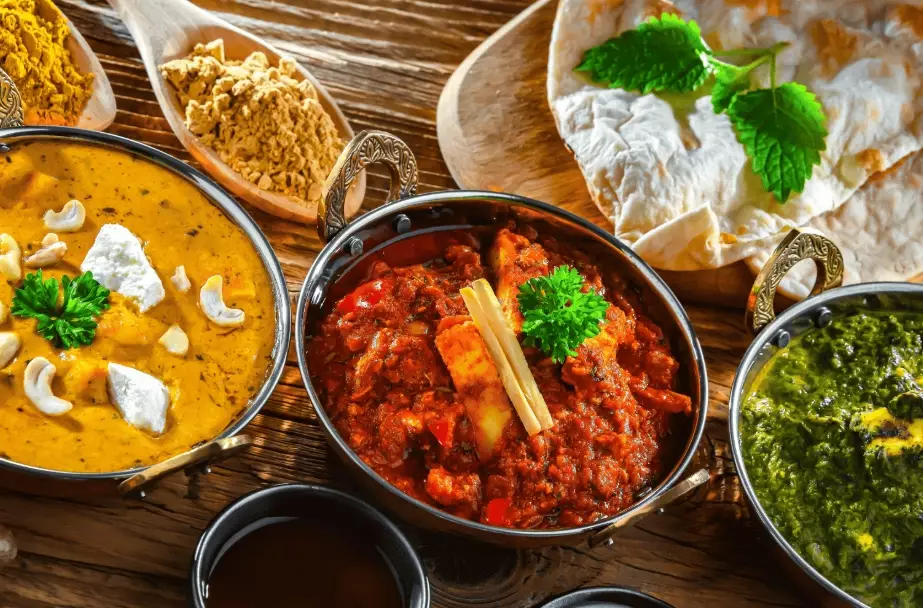
So, instead of giving you one answer, I'm going to walk you through the heavyweight contenders. Think of this as your friendly guide to the greatest hits, with some personal anecdotes and maybe a few hot takes thrown in. By the end, you should have a pretty good idea of which dish might just become your answer to "what is the tastiest Indian dish?"
First, Let's Define "Tastiest"
This is crucial. Taste is subjective. When I think "tasty," I'm considering a few things:
- Flavor Complexity: Does it have layers? Sweet, sour, salty, bitter, umami—does it dance on your tongue?
- Satisfaction Factor: Is it deeply comforting? Does it feel like a hug in a bowl?
- Memorability: Would you crave it next week? Would you dream about it?
- Versatility: Does it pair perfectly with rice, bread, or even on its own?
Your definition might be different. Maybe you're all about heat, or maybe you want something mild and aromatic. That's fine! We'll cover the spectrum.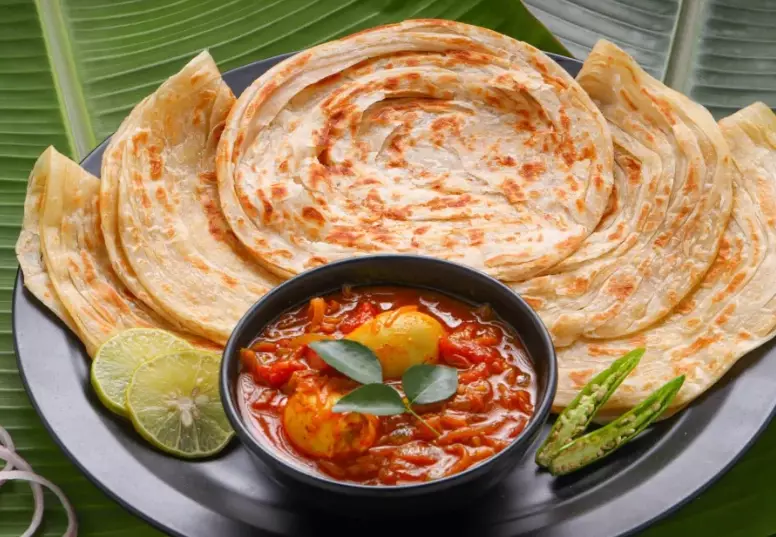
The Undisputed Heavyweight Contenders
These are the dishes that consistently top polls, fill restaurants worldwide, and spark the most passionate debates. If you're asking "what is the tastiest Indian dish," these are usually the first names out of people's mouths.
Butter Chicken (Murgh Makhani)
Let's start with the global ambassador. Creamy, tomato-based gravy, tender chunks of tandoori chicken, and a generous dose of butter and cream. It's rich, it's comforting, and it's almost universally likable. The sweetness from the tomatoes and cream balances the subtle spices like garam masala, kasuri methi (dried fenugreek leaves), and a hint of chili.
Why people love it: It's a safe bet. It's rarely too spicy, and its creamy texture is incredibly approachable. It's the gateway drug to Indian cuisine for many.
Perfect for: First-timers, anyone who prefers milder flavors, or when you just need a creamy, comforting hug from your food.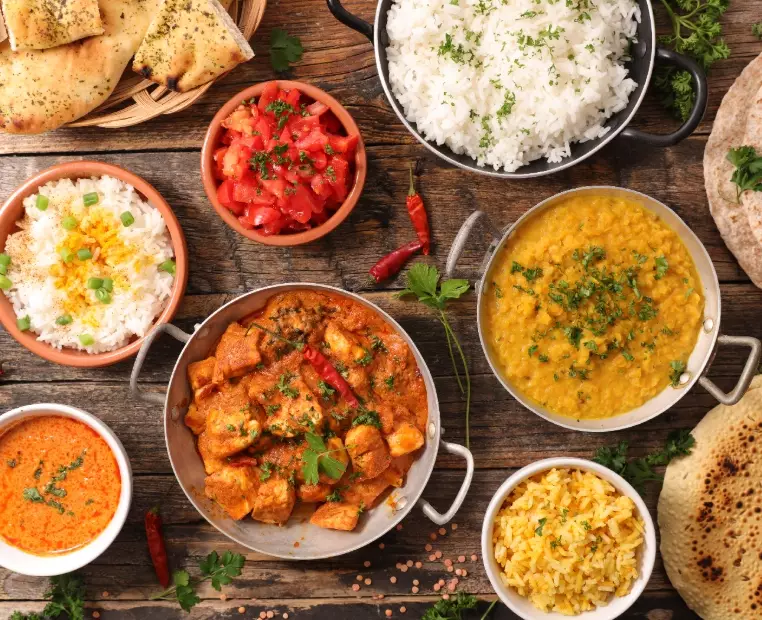
Biryani
Not a curry, but a magnificent, layered rice dish. Fragrant basmati rice is cooked with marinated meat (chicken, goat, lamb, or even vegetables), saffron, caramelized onions, and a whole symphony of whole spices like cardamom, cloves, and bay leaves. Each region has its own style—the fragrant Lucknowi style, the spicier Hyderabadi Dum Biryani, the lighter Kolkata version with potatoes.
The magic is in the "dum" cooking method, where the pot is sealed with dough to trap all the steam and aromas. You get these incredible pockets of flavor in every spoonful.
Why people love it: It's a complete meal in one pot. The aromas are intoxicating. The combination of fluffy rice, tender meat, and the occasional crispy onion is textural heaven.
Perfect for: A celebratory meal, when you're really hungry, or when you want something that feels grand and special.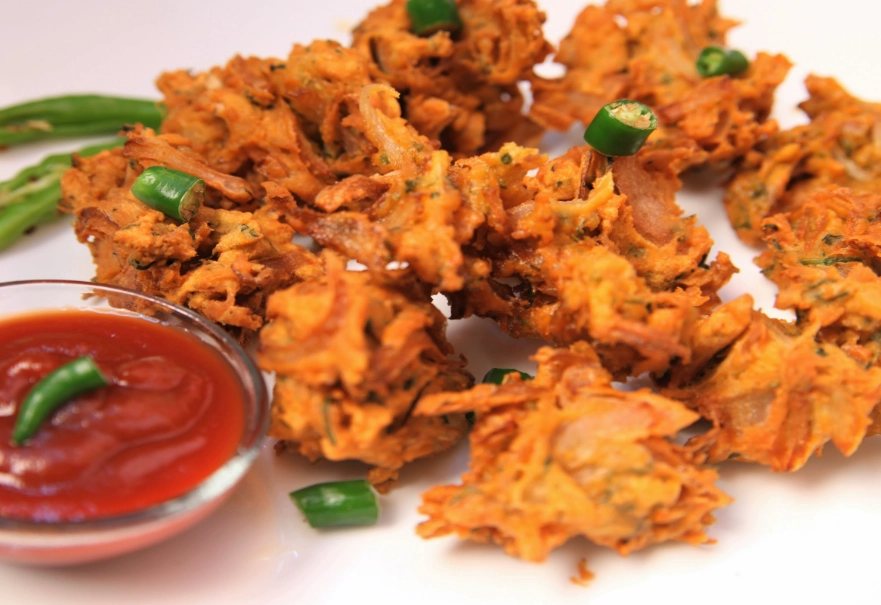
Rogan Josh
This Kashmiri dish is all about deep, resonant flavor rather than blistering heat. Tender lamb or goat is slow-cooked in a gravy colored a magnificent red by Kashmiri chilies (which are more about color and flavor than extreme heat) and infused with ginger, garlic, and fragrant spices like fennel and cardamom. The result is a rich, aromatic, and profoundly savory curry.
Why people love it: It's sophisticated. The flavor is deep and complex without being overwhelming. The meat, when cooked properly, is fall-apart tender.
Perfect for: When you want a robust, meaty curry that's flavorful but not necessarily spicy-hot.
Palak Paneer
The king of vegetarian Indian dishes for many. Soft cubes of paneer (Indian cottage cheese) nestled in a vibrant, creamy puree of spinach (palak) and spices. It's fresh, it's healthy-feeling (despite the cream often added), and it has a wonderful earthy flavor from the spinach that's brightened up with ginger, garlic, and a touch of garam masala.
Why people love it: It's a great way to eat your greens in the most delicious way possible. The texture contrast between the creamy spinach and the soft, squeaky paneer is delightful.
Perfect for: Vegetarians, anyone looking for a lighter(ish) curry option, or when you want something vividly green and fresh-tasting.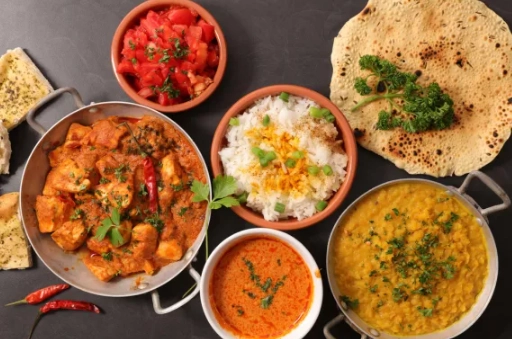
| Dish | Key Flavors | Protein | Spice Level Mild to Hot | Best Paired With |
|---|---|---|---|---|
| Butter Chicken | Creamy, tomatoey, buttery, subtly sweet | Chicken | Mild | Garlic Naan, Jeera Rice |
| Lamb Rogan Josh | Rich, aromatic, savory, deep red chili flavor | Lamb/Goat | Medium | Plain Basmati Rice, Roti |
| Chicken Tikka Masala | Creamy, tangy (often from yogurt/tomato), smoky from the tikka | Chicken | Mild to Medium | Pilau Rice, Naan |
| Chana Masala | Tangy, earthy, hearty, with a strong cumin & coriander base | Chickpeas (Vegan) | Medium | Bhatura (fried bread), Rice |
| Goan Fish Curry | Coconutty, tangy (from tamarind/kokum), spicy, fresh | Fish (often kingfish or pomfret) | Medium-Hot | Steamed Rice |
The Dark Horses & Regional Stars
While the dishes above are famous worldwide, the real magic of Indian food often lies in its regional specialties. These might not be on every menu, but they're absolute flavor bombs that can easily claim the title of tastiest Indian dish for those in the know.
Goan Fish Curry
If you love seafood and big flavors, this is a must-try. Fresh fish (like kingfish or pomfret) cooked in a gravy based on coconut milk, tangy kokum or tamarind, and a paste of roasted red chilies, garlic, and turmeric. It's a beautiful balance of creamy, spicy, and sour, and it tastes like sunshine and the sea. The cuisine of Goa has strong Portuguese influences, which you can taste in its use of vinegar and specific spices.
You can explore the unique ingredients and history of Goan cuisine through resources like BBC Good Food's guide to Goan food, which delves into its distinctive character.
Malai Kofta
Think of it as the vegetarian answer to meatballs in a creamy sauce. "Koftas" are deep-fried dumplings made from paneer, potatoes, and nuts, served in a silky, mildly spiced cream and cashew-based gravy. It's rich, decadent, and incredibly satisfying. The koftas themselves are often slightly sweet and nutty, which contrasts beautifully with the savory gravy.
Chettinad Chicken
Hailing from the Chettinad region of Tamil Nadu, this is not for the faint of heart. It's famously spicy, but the heat comes with an incredible depth of flavor. The masala uses a lot of whole black pepper, star anise, fennel, and kalpasi (stone flower), giving it a distinctive, almost peppery-woody aroma that's completely addictive.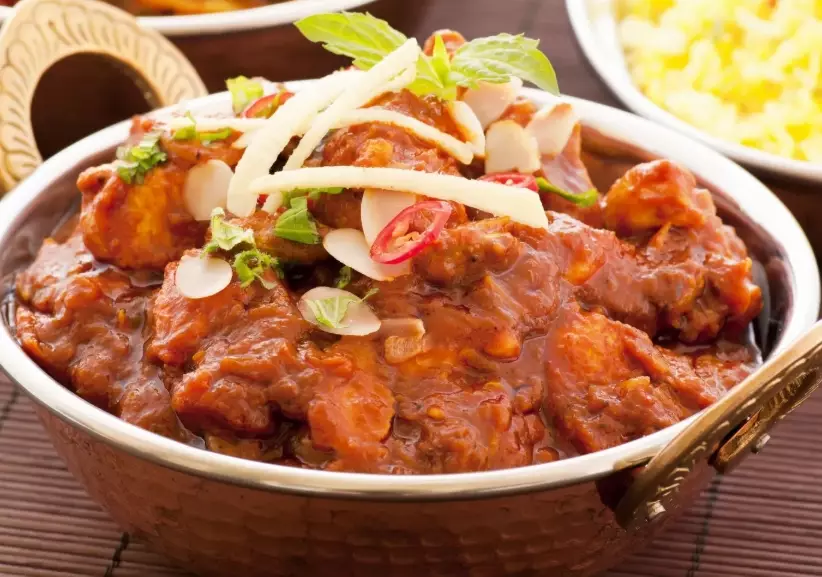
Let's talk about spice for a second. A common misconception is that all Indian food is painfully hot. It's not. Spices are used for flavor first, heat second. Dishes like Chettinad or a good Vindaloo are meant to be fiery, but many classics like Korma or Butter Chicken are mild. Always ask if you're unsure! A good restaurant will adjust the heat level.
How to Actually Choose Your "Tastiest" Dish
Okay, so you're staring at a menu, overwhelmed. Here’s a simple decision tree based on what you're feeling.
If you're new to Indian food: Start with Butter Chicken or Chicken Tikka Masala. They're friendly, familiar, and delicious. Pair with Garlic Naan.
If you want something hearty and meaty: Go for Rogan Josh (lamb) or a good Lamb Curry. Biryani is also a stellar choice here.
If you're vegetarian: You're spoiled for choice. Palak Paneer (creamy spinach), Chana Masala (chickpea curry), or Malai Kofta are all top-tier.
If you crave adventure and heat: Seek out Chettinad Chicken, a Goan Vindaloo (which is different from the British Indian restaurant version), or a Phaal curry (if you dare).
If you want something light and fresh-tasting: A Dhaniya (coriander) Chicken, a simple Tandoori platter, or a dal (lentil dish) like Dal Tadka.
See? It's about matching the dish to your mood. That's how you find your personal answer to "what is the tastiest Indian dish."
Beyond the Main Course: The Supporting Cast
You can't judge a dish in isolation. Part of what makes an Indian meal so tasty is the combination of elements. The tastiest Indian dish experience often involves:
- The Breads: A buttery, flaky Lachha Paratha to scoop up gravy. A fluffy, garlic-buttered Naan. A deep-fried, puffy Bhatura with Chana Masala. The bread is a vehicle and a delight itself.
- The Rice: Simple steamed basmati to soak up flavors, or fragrant Jeera (cumin) rice, or the majestic Biryani.
- The Accompaniments: A tangy mango chutney, a sharp onion salad, a cooling raita (yogurt with cucumber/mint). These provide contrast and refresh your palate between bites.
My personal perfect bite? A piece of tandoori chicken from a mixed grill, a dab of mint chutney, and a slice of raw onion, all wrapped in a piece of roomali roti. Heaven.
Answers to Your Burning Questions (FAQs)
Ah, the eternal debate. Most food historians agree it was invented in the UK, likely by Bangladeshi chefs catering to British tastes. Does that matter? Not really. It's delicious, it's a global phenomenon, and it's now firmly part of the "Indian restaurant cuisine" canon. Whether you consider it authentically Indian or a brilliant diaspora creation, it's undoubtedly tasty.
"Curry" is a broad British term for saucy Indian dishes. "Masala" just means a blend of spices. So "Tikka Masala" means spiced chunks (of chicken). "Vindaloo" is a specific dish from Goa, originally based on a Portuguese dish ("vinha d'alhos" – wine and garlic). The British version is often just an ultra-hot generic curry, but a real Goan Vindaloo has a distinctive vinegary, garlicky tang.
No problem at all! Indian cuisine has a wealth of mild dishes. Order a Korma (nutty, creamy, sweet), a Pasanda (mild, creamy with almonds), Butter Chicken, or Malai Kofta. Always tell your server "no spice" or "mild." And have plenty of raita and plain rice on hand to cool things down if needed.
This is a fiercely contested category. My top three contenders are:
1. Dal Makhani: Creamy black lentils, deeply comforting.
2. Baingan Bharta: Smoky roasted eggplant mashed with spices. Incredible flavor when done over charcoal.
3. Rajma Chawal: Red kidney bean curry with rice. Simple, home-style, and utterly delicious. For a deeper dive into the diversity of plant-based Indian cooking, the Saveur collection of Indian vegetarian recipes is a great resource showcasing its range beyond just paneer.
See? Another minefield of "bests."
So, What's the Final Verdict?
Look, after all this, if you put a gun to my head and forced me to name one dish as the answer to "what is the tastiest Indian dish," I'd probably say... it depends on the day.
On a cold, rainy day, it's a bowl of rich, slow-cooked Dal Makhani with a dollop of ghee and some steamed rice. On a day I'm craving something special, it's a well-spiced, aromatic plate of Hyderabadi Biryani. When I want pure, unadulterated comfort, it's a buttery, creamy Chicken Tikka Masala with garlic naan for scooping.
The real joy of Indian food is in the exploration. Your mission isn't to find the one tastiest dish. Your mission is to try as many as you can. Start with the classics, then venture into the regional specialties. Pay attention to what you love—the creamy sauces, the dry spicy stir-fries, the tangy seafood curries.
Your personal "tastiest Indian dish" is out there. It might be the famous one, or it might be a humble street food like Pav Bhaji or a regional curry you stumble upon. The search itself is a delicious journey.
So, next time someone asks you "what is the tastiest Indian dish?" you can smile and say, "Let me tell you about my top five..."
And then prepare for a long, wonderful, and hungry conversation.