Quick Navigation
Let's be honest, when we think of Indian food, our minds often jump straight to the heavy, creamy curries from restaurants. You know the ones – swimming in oil and leaving you in a food coma. But that's not what a real Indian dinner at home is about. Not at all. If you're searching for traditional Indian dinner ideas, you're probably looking for something different. Something authentic, balanced, and honestly, something you can actually make without spending all day in the kitchen.
I remember trying to recreate a "perfect" Indian dinner for friends years ago. I made three rich curries, piled on the rice, and called it a day. Everyone was impressed, but halfway through, we were all stuffed and couldn't really enjoy the flavors. An Indian friend's mother later gave me a gentle lecture. "Beta," she said (that's "child" in Hindi), "it's not a competition of heaviness. It's about balance." That changed my whole perspective.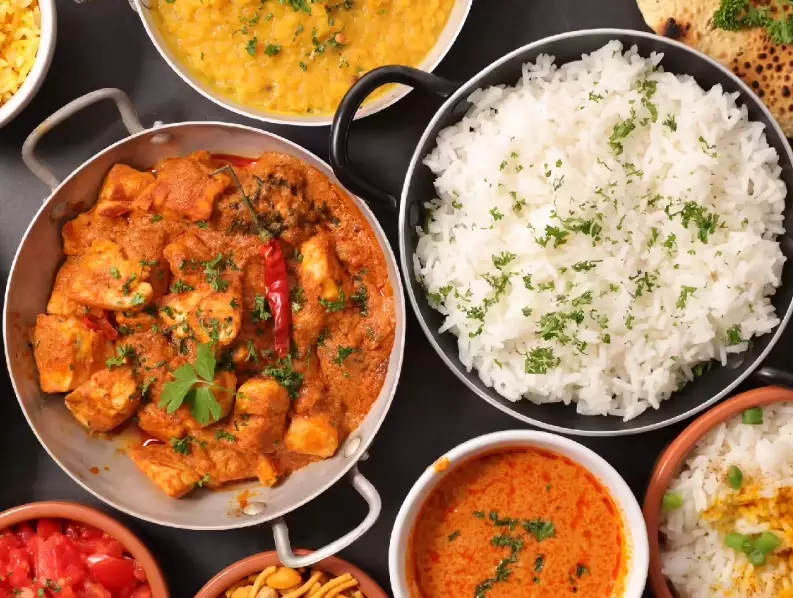
So, where do you start? The sheer diversity of India's culinary landscape can be paralyzing. Do you go North Indian with buttery naan and paneer? Or South Indian with its rice-based delights and tangy flavors? This guide is here to cut through the noise. We'll break down the core components, explore regional classics, and give you practical, actionable traditional Indian dinner ideas for every scenario – from a rushed Tuesday to a festive Saturday feast.
The Heart of the Matter: What Makes an Indian Dinner "Traditional"?
Before we dive into specific menus, let's understand the framework. A home-style Indian dinner isn't a random assortment of dishes. It follows a loose but logical structure. Think of it as a plate with several compartments, each playing a specific role.
First, you have a main carbohydrate. This is your foundation. For roughly half the country, that's rice. Long-grained, fragrant basmati rice is a king in the north. In the south, you might have steamed rice or a variety of rice-based breads like appams. The other half relies on bread (roti, chapati, naan, paratha). Wheat is the staple here.
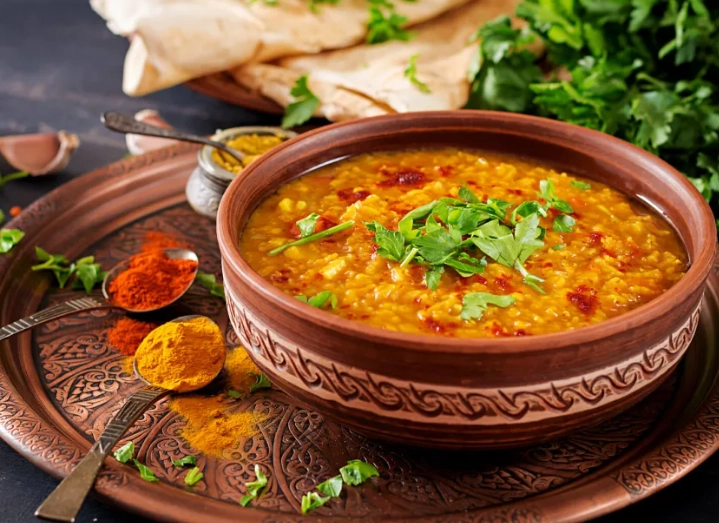
Then comes the main protein dish – the star that has the strongest flavor. This could be a dal (lentil stew), a sabzi (vegetable dish), a meat curry (chicken, lamb, goat), or a fish preparation. The key here is that it has a gravy or is moist enough to be eaten with your carb.
A dry accompaniment is crucial for contrast. This is usually a dry-cooked vegetable, a stir-fry, or a dry meat dish. It adds texture and a different flavor profile. Imagine having a wet dal and a dry aloo gobi (potato and cauliflower) on the same plate. The contrast is everything.
No Indian dinner is complete without something tangy and fresh. This is where raita (yogurt with veggies or boondi) or a simple salad (kachumber) comes in. It cuts through the richness and cleanses the palate. It's non-negotiable in my book.
And finally, the extras. A pickle (achar) for a pungent punch, perhaps a papadum (crispy lentil wafer) for crunch, and maybe a chutney. These are the accent marks on the sentence.
When brainstorming traditional Indian dinner ideas, this framework is your best friend. You don't need five elaborate dishes. You need one or two good ones that fit these roles. A simple dal (protein+gravy), a dry bhindi (okra) sabzi (dry accompaniment), some rice, and raita is a complete, satisfying, and utterly traditional meal.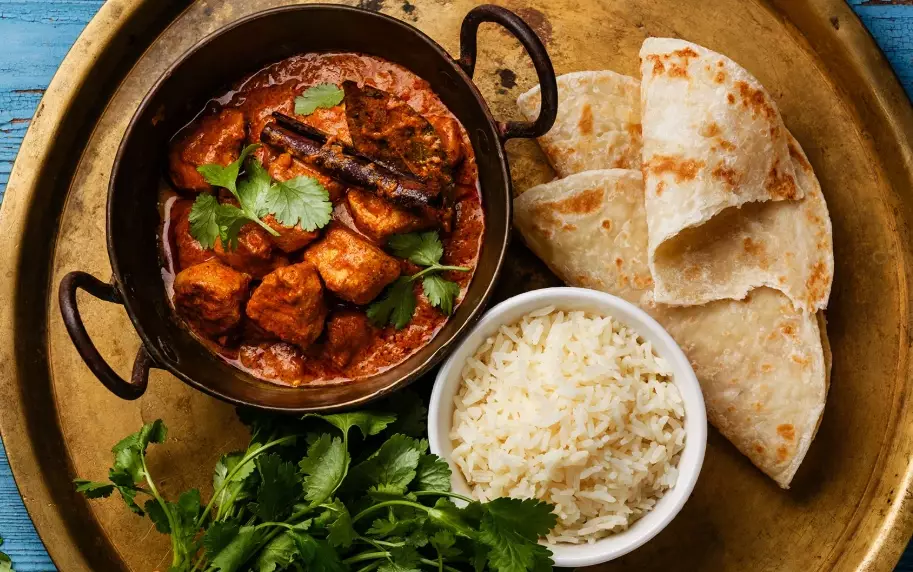
A Tour of India on Your Dinner Table: Regional Dinner Combinations
India's food changes dramatically every few hundred miles. Asking for a "traditional Indian dinner" is like asking for a "traditional European dinner." It depends! Here’s a look at how dinners come together in different parts of the country. This table should give you a fantastic starting point for authentic traditional Indian dinner ideas.
| Region | Classic Dinner Combination (A Sample) | Must-Try Dishes for Your Repertoire | The Flavor Profile |
|---|---|---|---|
| North India (Punjab, Delhi, Uttar Pradesh) | Dal Makhani (black lentil curry) + Jeera Rice (cumin rice) + Tandoori Roti + Boondi Raita + Onion Salad. Hearty and robust. | Rajma (kidney bean curry), Sarson ka Saag with Makki di Roti (mustard greens with cornbread), Butter Chicken, Aloo Paratha. | Rich, creamy, generous use of dairy (ghee, cream, paneer), tandoori flavors, warming spices like garam masala. |
| South India (Tamil Nadu, Kerala, Karnataka) | Steamed Rice + Sambar (lentil & vegetable stew) + Porial (dry bean stir-fry) + Rasam (peppery soup) + Curd (yogurt). Often served on a banana leaf. | Fish Molee (Kerala fish curry), Avial (mixed vegetables in coconut gravy), Dosa with chutney and sambar, Chettinad Chicken (fiery and aromatic). | Tangy, coconut-based, rice-centric, use of curry leaves, mustard seeds, and tamarind. Lighter on cream, big on fermentation. |
| West India (Gujarat, Maharashtra) | Gujarati Thali: Rotli (thin roti) + Dal (often sweet-sour) + Shaak (2 vegetable dishes) + Bhat (rice) + Kadhi (yogurt soup) + Papad + Chhaas (buttermilk). | Pav Bhaji, Misal Pav, Dhokla, Gujarati Undhiyu (mixed vegetable casserole), Goan Fish Curry (with coconut and kokum). | Gujarati food is famously vegetarian and often has a hint of sweetness. Coastal food (Goa, Maharashtra coast) is coconut-rich and uses kokum for sourness. |
| East India (West Bengal, Odisha, Assam) | Steamed Rice + Macher Jhol (light fish curry) + Aloo Posto (potatoes in poppy seed paste) + Chutney (mango or tomato). | Bengali Chingri Malai Curry (prawns in coconut milk), Shorshe Ilish (hilsa fish in mustard sauce), Assamese Duck Curry, Pitha (rice cakes). | Subtle, mustard oil-based, emphasis on fish, use of panch phoron (a five-spice blend), poppy seeds, and a love for sweets. |
See what I mean? A South Indian dinner feels completely different from a Punjabi one. Neither is more "Indian" than the other. This is the beauty you can tap into. Maybe you're in the mood for something light and tangy? Go South Indian. Need comfort food on a cold day? The North Indian spread has your back.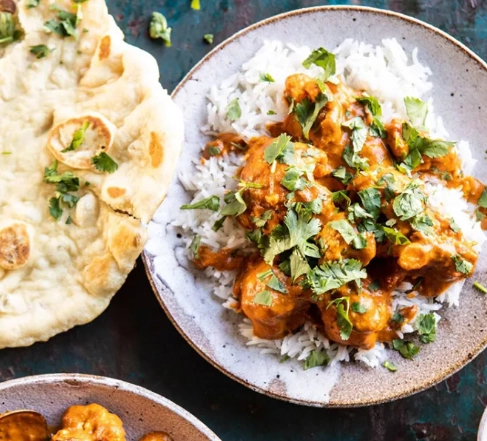
Practical Traditional Indian Dinner Ideas for Real Life
Alright, theory is great, but what do you actually cook? Let's get down to brass tacks with ideas categorized by your situation. These are menus you can actually execute.
For the Time-Strapped Cook (Under 45 Minutes)
You want authentic flavor but you also have a life. It's possible. The trick is to focus on one-pot dishes or quick-cooking proteins.
Idea 1: The Speedy Punjabi
* Main: Chana Masala (chickpea curry). Used canned chickpeas? It comes together in 20 minutes. The base gravy is just onions, tomatoes, and spices. The website BBC Good Food has a reliable, no-fuss version that's a great starting point. * Dry Side: Quick sautéed spinach (palak) with garlic and cumin. * Carb: Store-bought whole wheat rotis (heat them on a flame for 30 seconds) or instant pot basmati rice. * Fresh: Store-bought cucumber raita or just plain yogurt.
This meal is hearty, protein-packed, and feels genuinely homemade. The chana masala is the workhorse here.
Idea 2: The Express South Indian
* Main: Quick Egg Curry. Hard boil eggs separately. Make a simple gravy with coconut milk, curry powder (or a mix of coriander, cumin, turmeric), and tomatoes. Add the peeled eggs to heat through. * Dry Side: A simple porial – green beans stir-fried with mustard seeds, urad dal, and grated coconut (frozen works). * Carb: Steamed rice (a rice cooker is your best friend). * Fresh/Tangy: A small bowl of store-bought mango pickle and a lemon wedge.
This dinner is unexpectedly elegant and comes together faster than calling for takeout.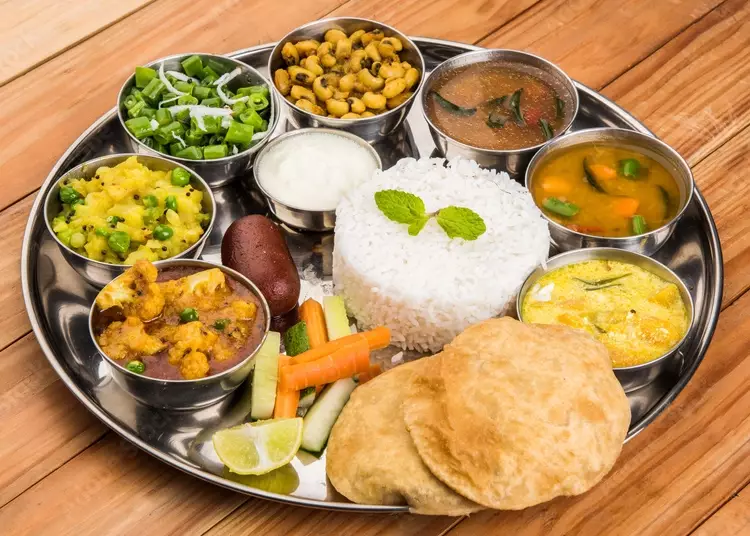
For the Vegetarian (or Just Veggie-Loving) Household
India is a vegetarian's paradise. Some of the most complex and satisfying flavors are in the vegetarian repertoire.
Idea 1: The Classic Comfort Combo
This is the ultimate home food. Dal (toor or masoor) + Bhindi (okra) fry + Jeera rice + Raita. The dal is soupy and comforting, the bhindi is crispy and slightly slimy in the best way (trust me), the rice is fragrant, and the raita ties it all together. It's simple, nutritious, and deeply satisfying.
Idea 2: The Festive Vegetarian Spread
Feeling more ambitious?
* Main 1: Paneer Butter Masala or Palak Paneer. Rich, creamy, and always a crowd-pleaser. * Main 2: Dum Aloo (baby potatoes in a spiced gravy). * Dry Side: Gobi Musallam (whole roasted cauliflower with spices) – looks stunning on the table. * Carb: Garlic Naan (you can buy good frozen ones to bake) and/or saffron rice. * Fresh: A elaborate raita with pomegranate seeds and roasted cumin. * Extra: Papadums and a sweet-tangy tamarind chutney.
This is a dinner party menu that will have everyone talking. It shows the incredible range of vegetarian Indian cooking.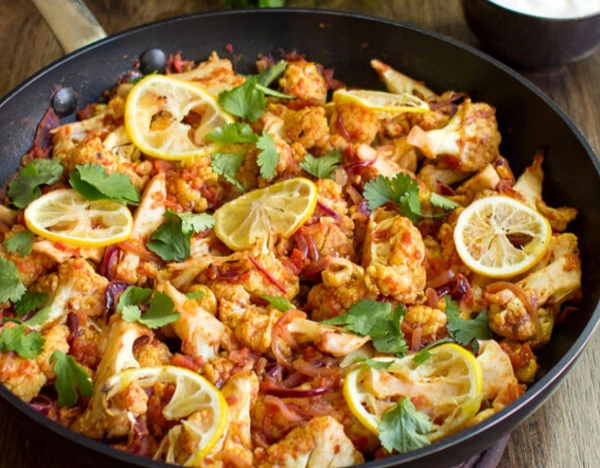
For a Special Occasion or Dinner Party
Time to pull out the stops. The key here is planning and choosing dishes that can be partially made ahead.
The Non-Veg Feast:
* Star Attraction: Butter Chicken or Lamb Rogan Josh. Make the curry base (onion-tomato-spice gravy) a day ahead. Add the cooked meat/chicken just before serving to keep it tender. * Second Protein: Tandoori Chicken or Fish Tikka. Marinate overnight, grill/bake just before guests arrive. * Vegetable Dish: Baingan Bharta (smoky roasted eggplant mash). The smokiness adds incredible depth. * Carb: Pillowy Garlic Naan and Saffron Pilaf (Pulao). * Fresh: A colorful Kachumber salad (diced cucumber, tomato, onion, lemon). * Start & End: Start with mint-cilantro chutney and papad. End with a simple dessert like Gulab Jamun (store-bought is fine!) or Kheer (rice pudding).
The make-ahead strategy is crucial. It keeps you from being a stressed mess in the kitchen while your guests are there.
Answering Your Burning Questions (FAQ)
I get a lot of questions from friends trying to crack the code of Indian dinners. Here are the most common ones.
Putting It All Together: Your Action Plan
So where do you go from here? Pick one idea from the sections above that matches your mood and time. Start with the 45-minute Chana Masala plan. It's forgiving and delivers huge flavor.
Stock your pantry slowly. Buy a bag of good basmati rice. Get a small jar of ghee (it has a high smoke point and adds authentic flavor). Keep cans of chickpeas, tomatoes, and coconut milk on hand. With these basics, you're never more than 30 minutes away from a legitimate traditional Indian dinner idea.
Remember, the goal isn't perfection. It's balance, flavor, and the joy of sharing a meal that has been crafted over millennia. Don't stress about making everything from scratch. Use a good-quality pre-made paste if it gets dinner on the table. Buy frozen parathas. The spirit of the Indian home kitchen is resourcefulness and nourishment, not culinary martyrdom.
Go on, pick a region from the table, choose a menu, and give it a try. You might just find that your search for the perfect traditional Indian dinner ideas ends right in your own kitchen.