Your Quick Guide
- Why Indian Food is a Secret Weapon for Family Dinners
- Your Game Plan: How to Approach Indian Family Dinners
- Top Indian Dinner Ideas for Family, Broken Down
- The "Get Dinner on the Table" Framework: A Sample Week
- Pro Tips & Hacks from My Kitchen (and Mistakes I've Made)
- Navigating Common Family Dinner Hurdles
- Answers to Your Burning Questions (FAQ)
- Wrapping It Up: Your Journey to Flavorful Family Nights
Let's be honest. The words "family dinner" can sometimes bring a wave of stress, not joy. What to cook? Will everyone eat it? How long will it take? Now throw "Indian" into the mix, and it might feel even more daunting. Images of complex spice blends and hours in the kitchen pop up. I used to think that way too.
But here's the truth I discovered after many trials (and a few errors): Indian food is actually one of the most forgiving and adaptable cuisines for family cooking. It's built for sharing, for big pots of something delicious that gets better the next day, and for packing vegetables into meals in a way kids might not even notice. The key is picking the right recipes and having a few smart shortcuts up your sleeve.
That's what this guide is for. We're not aiming for restaurant-level perfection. We're aiming for real, achievable, and downright tasty Indian dinner ideas for family that will have everyone asking for seconds. We'll talk about how to plan, what to make, how to adjust for picky eaters, and how to make the whole process feel less like a chore and more like a fun part of your day.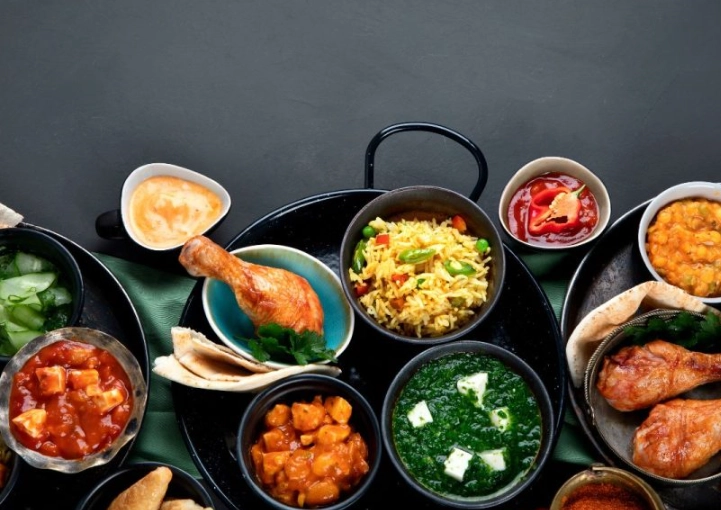
Why Indian Food is a Secret Weapon for Family Dinners
Before we jump into the recipes, let's talk about why this works so well. I remember the first time I made a simple dal (lentil stew) for my family. It was a rainy Tuesday, and I needed something cheap, nutritious, and fast. I was shocked at how much my kids liked it, especially when I let them add a little yogurt on top.
Indian cuisine, at its heart, is home food. It's designed to nourish. Dishes are often one-pot wonders or simple combinations of a main (like a curry or dry sabzi) with rice or bread. The flavors are layered, which means you can often tone them down for sensitive palates without losing the soul of the dish. And nutritionally, you're looking at a great balance of plant-based proteins (from lentils and chickpeas), vegetables, and whole grains.
Plus, many dishes are naturally gluten-free and can be easily made dairy-free. The flexibility is a huge win for modern families with diverse dietary needs.
The beauty of Indian home cooking is its resilience. You can tweak the heat, swap vegetables based on what's in your fridge, and still end up with something comforting and satisfying. It's the opposite of fussy.
Your Game Plan: How to Approach Indian Family Dinners
Jumping in without a plan is where the frustration starts. You don't need to make five different things. A typical balanced Indian meal at home has a simple structure.
Think about your week. Maybe one night is a "from-scratch" night where you have a bit more time. Another night is a "quick assembly" night using pre-made components or leftovers. Batch cooking is your best friend here. Making a double portion of a base gravy or a big pot of lentils on Sunday can set you up for two easy dinners during the week.
And let's talk about spices. You don't need a cabinet full of 50 jars. Start with a core pantry. I'd argue the absolute essentials are: cumin seeds, coriander powder, turmeric powder, red chili powder (or paprika for less heat), and garam masala. With these five, you can make a huge variety of dishes. You can buy whole spices like cumin and coriander seeds and toast/grind them for incredible flavor, but the pre-ground powders from a reliable store are perfectly fine to start. I get mine from a local Indian grocery, but many supermarkets have decent selections now.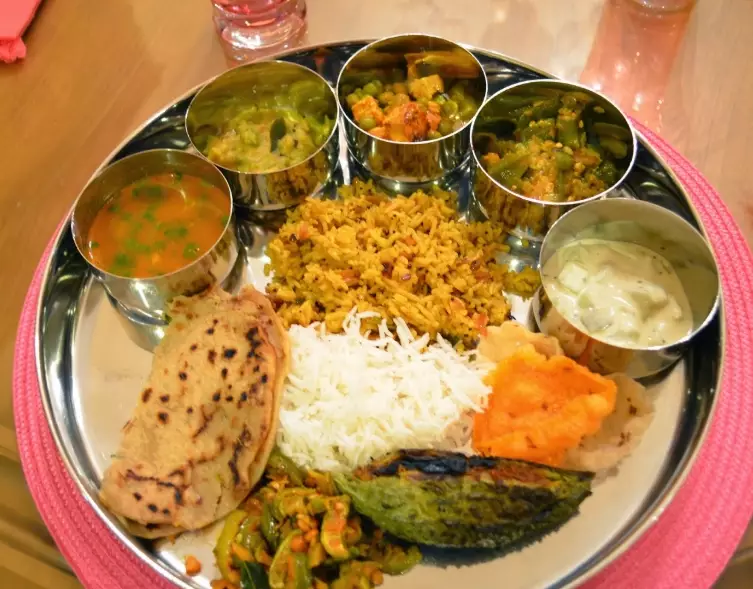
The goal is flavor, not authenticity police approval.
Top Indian Dinner Ideas for Family, Broken Down
Okay, let's get to the good stuff. Here are some categories of dishes that work brilliantly for family meals. I've split them by main ingredient to make it easy to browse based on what you have or what your family prefers.
Family-Friendly Lentil & Legume Stars (Vegetarian Powerhouses)
If you're new to Indian cooking, start here. Lentils are cheap, incredibly nutritious, and hard to mess up. They're the ultimate comforting food.
- Classic Yellow Dal (Dal Tadka): This is the ultimate gateway dish. Red lentils cook down into a creamy, mild, turmeric-yellow stew. The magic happens with the "tadka"—a sizzling tempering of cumin seeds, garlic, and maybe a dried chili poured on top at the end. The aroma is unreal. Serve with rice or roti. It's mild, creamy, and a universal crowd-pleaser.
- Chana Masala (Chickpea Curry): Canned chickpeas make this a 20-minute meal. The sauce is tomato-based, tangy, and warmly spiced. It's hearty, familiar (chickpeas!), and packed with protein. This is one of my most requested Indian dinner ideas for family when we have vegetarian friends over.
- Rajma (Kidney Bean Curry): Think of it as a deeply spiced, smoky vegetarian chili. It's another protein-packed, one-pot wonder that tastes even better the next day. Perfect for spooning over steamed rice.
My personal tip? When making dal for kids, go light on the final tadka of whole spices. You can always add a spicier version to the adults' bowls later.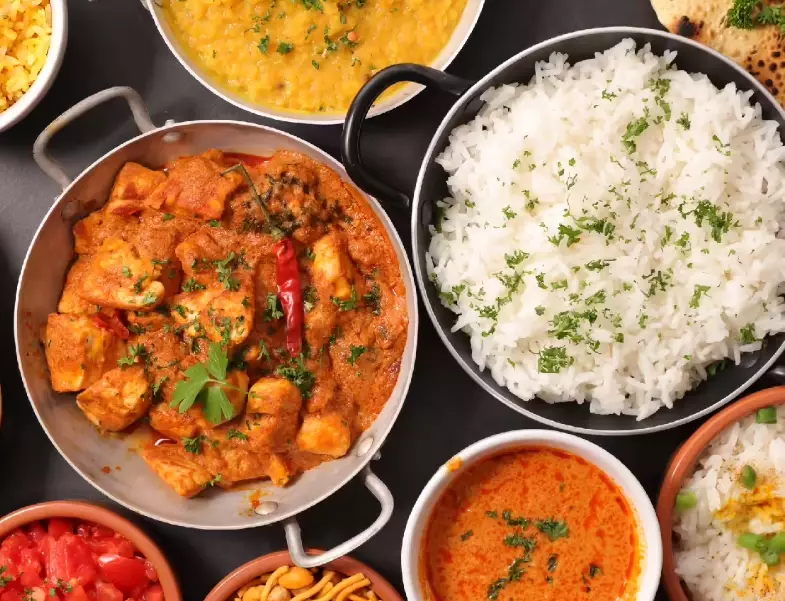
Weeknight Chicken & Meat Curries (The Crowd-Pleasers)
For many families, a protein-centric curry is the main event. The good news is that many are simpler than they look.
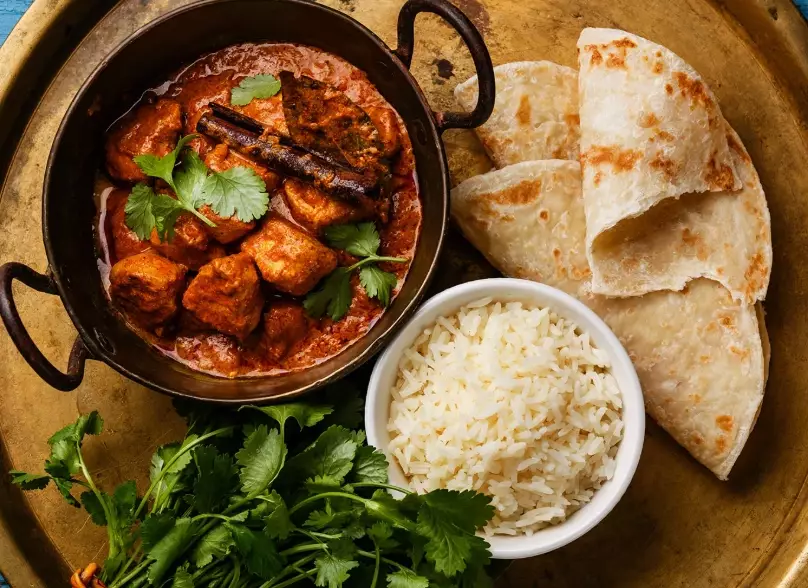
- Butter Chicken (Murgh Makhani): I know, it's the classic for a reason. It's rich, slightly sweet, and creamy with a gorgeous orange color. The secret to a simpler version? Use tomato puree or even a good-quality marinara as a base for the sauce (seriously, it works in a pinch). Marinate the chicken in yogurt and spices for even 30 minutes while you prep the sauce. It feels special but is totally doable on a weeknight.
- Chicken Curry (Basic Murgh Curry): Forget the fancy name. This is a tomato-onion based curry that is the workhorse of Indian home cooking. You can add potatoes, bell peppers, or peas. It's versatile, freezes beautifully, and the flavor profile is a perfect introduction.
- Keema (Spiced Ground Meat): This is a hidden gem for busy nights. You cook ground lamb, beef, or turkey with peas, onions, tomatoes, and warming spices. It's dry-ish, not saucy, so it's less messy. Serve it in bowls with rice, or stuff it into wraps or pita breads for a fun, hands-on meal. Kids often love it because it's familiar ground meat, just with amazing new flavors.
Vibrant Vegetable Dishes (Sabzi)
These dry or semi-dry vegetable stir-fries are quick, healthy, and add essential variety to your plate.
- Aloo Gobi (Potatoes & Cauliflower): A dry, turmeric-stained dish of tender potatoes and cauliflower with cumin and coriander. It's simple, comforting, and a great side or even a main with some dal and roti.
- Saag (Creamed Spinach) or Saag Paneer: You can use fresh or frozen spinach. Blanch it, blend it roughly, and cook it down with onions, garlic, ginger, and spices. For a treat, add cubes of paneer (Indian cottage cheese) or even firm tofu. It's a brilliant way to get greens into everyone.
- Bhindi Masala (Okra): If your family is okay with okra's texture, this is a must-try. Sliced okra is pan-fried until it loses its slime, then tossed with spices. It's crispy, flavorful, and completely different from the boiled okra some people fear.
The "Get Dinner on the Table" Framework: A Sample Week
Let's make this concrete. Here’s what a week of Indian dinner ideas for family could look like, mixing effort levels.
| Day | Main Dish 1 | Main Dish 2 / Side | Staple | Effort Level & Notes |
|---|---|---|---|---|
| Monday (Quick Start) | Chana Masala (using canned chickpeas) | Store-bought plain yogurt or quick cucumber salad | Instant Pot basmati rice or ready-made naan | Low. A 25-minute meal from pantry to table. |
| Tuesday (From-Scratch) | Butter Chicken (marinate chicken in AM) | Simple sautéed green beans with mustard seeds | Steamed rice | Medium. Feels special, active cooking time ~40 mins. |
| Wednesday (Leftover Magic) | Butter Chicken leftovers | Yellow Dal (made fresh or from freezer) | Warm naan or roti | Very Low. Reheat and supplement with a quick dal. |
| Thursday (One-Pot Wonder) | Keema (spiced ground meat with peas) | -- (It's a complete dish) | Dinner rolls or tortillas for stuffing | Low. One pan, 20 minutes, interactive serving. |
| Friday (Fun & Interactive) | Assorted Dips & Sides: Raita (yogurt dip), store-bought samosas (baked), chutneys | -- | Puri (fried bread) or papadums | Variable. A "build-your-own" snacky dinner. Low-stress. |
See? It doesn't have to be a complex production every night. Mixing and matching is the key.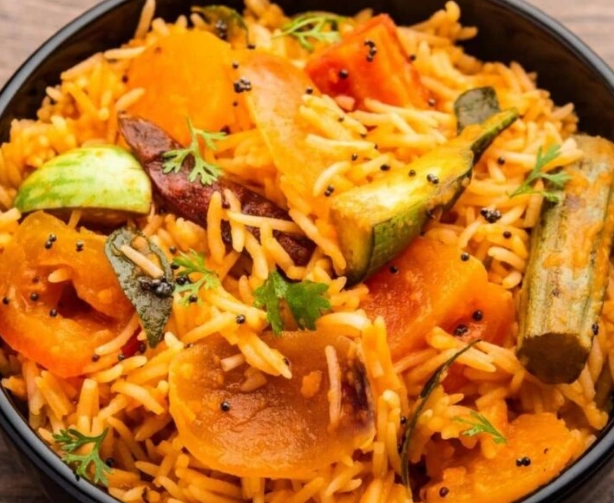
Pro Tips & Hacks from My Kitchen (and Mistakes I've Made)
I've burned garlic. I've added salt twice. I've made a curry so spicy we couldn't eat it. Here's what I've learned the hard way so you don't have to.
- The Ginger-Garlic Paste Shortcut: Buy a jar of good-quality ginger-garlic paste from an Indian store. It saves so much time and mess. If you're feeling fresh, you can make a batch and freeze it in ice cube trays. But the jar is fine. Really.
- "Bloom" Your Spices: This is the single biggest flavor upgrade. Don't just stir dry spice powder into a watery sauce. Fry your spice powders (like coriander, cumin, turmeric) in oil or ghee for 30-60 seconds before adding your main liquid (tomatoes, water, etc.). You'll see the oil separate and the fragrance explode. It transforms the dish.
- Don't Rush the Onions: Many Indian curries start with cooking down onions until they're deeply golden brown, not just translucent. This takes time (15-20 mins on medium-low). This "onion base" is the foundation of flavor. Be patient here. It makes all the difference.
- Finish with Love (Tadka/Chaunk): That final sizzle of spices in hot oil or ghee poured over a finished dal or curry is non-negotiable. It adds a burst of aroma and texture. For dal, it's usually cumin seeds and garlic. For a yogurt raita, it's mustard seeds and curry leaves. It's the restaurant touch you can do at home in 2 minutes.
A common mistake is using not enough fat. Ghee or oil carries flavor. Skimping here makes spices taste dusty and raw. You don't need a lake of it, but a few good tablespoons for tempering and frying are essential.
Navigating Common Family Dinner Hurdles
Let's address the elephant in the room: picky eaters, spice tolerance, and time. These are real concerns.
For the Spice-Averse (Especially Kids): Deconstruct the meal. Serve the mild, creamy components separately—plain rice, plain yogurt (raita), the dal before the final spicy tadka is added. Let them build their own plate. Often, seeing the vibrant colors and having control encourages tasting. Also, sweetness helps. Dishes like butter chicken or a slightly sweet dal (like Gujarati-style) are great gateways.
When Time is Short: This is where your freezer and pantry are heroes. Many Indian dishes freeze exceptionally well—curries, dals, even marinated meat for kebabs. Freeze in portion-sized containers. Also, embrace high-quality shortcuts: jarred ginger-garlic paste, canned tomatoes, pre-cut vegetables from the store, frozen spinach for saag, and even pre-made spice mixes (like MDH or Everest brand chaat masala for sprinkling) can cut prep time in half.
A meal doesn't have to be 100% from scratch to be authentic and delicious.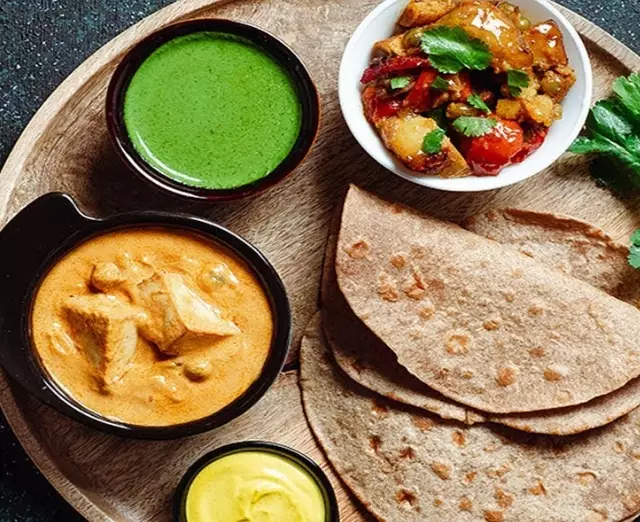
Answers to Your Burning Questions (FAQ)
I get a lot of questions from friends trying this at home. Here are the most common ones.
What's the absolute easiest Indian family dinner to start with?
Hands down, Yellow Dal (Dal Tadka) and rice. It requires minimal ingredients, is almost impossible to ruin, and is the definition of comfort food. You can find a straightforward, reliable recipe from trusted sources like Veg Recipes of India, a site dedicated to Indian vegetarian cooking. Follow the steps, don't skip the final tempering, and you'll have a winner.
I don't have an Indian grocery store nearby. What can I use?
You can do a lot with a well-stocked mainstream supermarket. For garam masala, brands like McCormick are available everywhere (though the flavor is milder). Use paprika instead of red chili powder for color without heat. Use ground cumin instead of cumin seeds. The flavors will be slightly different but still delicious. For more authentic ingredients, online retailers like Amazon or specialty food websites are a great resource for spices like kasuri methi (dried fenugreek leaves) or asafoetida (hing).
How do I make sure my curry has a rich, thick sauce, not a watery one?
Two secrets. First, cook down your onion-tomato base until the oil starts to separate from the mixture. This means the water has evaporated, concentrating the flavors. Second, many home cooks use a paste of cashews, almonds, or even melon seeds blended with water to add creaminess and body without dairy. A tablespoon of ground almond flour or cashew butter stirred in at the end works wonders too.
Are there any good resources for authentic recipes?
Absolutely. Beyond cookbooks, some fantastic websites run by home cooks and experts offer tested recipes. I already mentioned Veg Recipes of India for vegetarian dishes. For a broader range, Archana's Kitchen is another excellent, reliable source with clear instructions and videos. For cultural context and traditional techniques, the official Incredible India tourism website sometimes features culinary heritage sections that are fascinating to read, giving you a sense of the regional diversity behind the food.
Wrapping It Up: Your Journey to Flavorful Family Nights
Finding great Indian dinner ideas for family isn't about replicating a takeout menu. It's about discovering a new set of tools for your weekly cooking routine—tools that are flexible, flavorful, and designed to bring people together around a shared pot.
Start with one dish. Maybe it's dal next Tuesday. Get comfortable with the process of tempering spices. Taste as you go. Let your family give you feedback (my kids brutally tell me if a new recipe is a "make again" or a "never again").
The goal isn't perfection. The goal is a delicious, shared meal that didn't drain you. Indian home cooking, with its emphasis on hearty staples and big flavors, is uniquely suited for that.
So grab a jar of garam masala, a bag of lentils, and give it a shot. You might just find your new favorite family dinner idea waiting in a pot of simmering, fragrant curry.
And remember, the best meals are the ones everyone enjoys, not the ones that look the most impressive on Instagram. Happy cooking!