Quick Navigation
- Why Bother with Indian-Style Meal Prep?
- The Foundation: Your Indian Meal Prep Toolkit
- Crafting Your Weekly Indian Meal Prep Plan
- Top Indian Meal Prep Recipes That Actually Work
- Storing and Reheating: Keeping the Magic Alive
- Answering Your Biggest Indian Meal Prep Questions
- Making It a Sustainable Habit
Let's be honest. We all love the idea of coming home to a delicious, home-cooked Indian meal. The aromas of cumin and coriander, the rich gravy of a butter chicken, the comfort of dal and rice. But between work, life, and everything else, who has the time to cook that from scratch every single day? That's where the magic of Indian meal prep comes in. It's not about eating boring, repetitive food. It's the opposite. It's your strategy to have amazing, healthy Indian food ready to go, so you can actually enjoy your evenings instead of slaving over the stove.
I used to think meal prep was for bodybuilders eating plain chicken and broccoli. Then I tried it with Indian food, and it completely changed my week. No more last-minute takeout guilt. No more staring into the fridge at 7 PM wondering what to do with that half an onion. Just good food, ready when you are.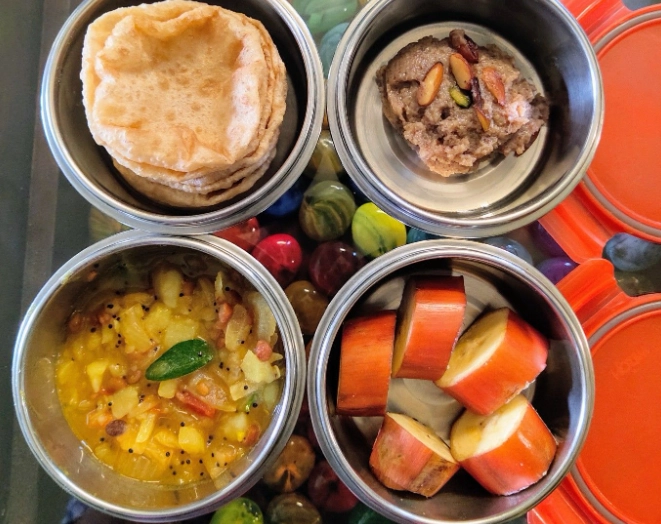
It's simple. Many Indian dishes are actually better the next day. The flavors have time to meld and deepen. A curry made on Sunday often tastes even more incredible on Tuesday. This isn't just my opinion; it's a principle of many slow-cooked cuisines. The Indian meal prep approach leverages this to your advantage.
Why Bother with Indian-Style Meal Prep?
You might be thinking, "Can't I just order in?" Sure, you can. But let's talk about what you gain by taking control.
First, your health. When you prep, you control the oil, the salt, the cream, the quality of ingredients. You'd be shocked at how much ghee or cream goes into restaurant-style dishes. The USDA's MyPlate guidelines emphasize balanced portions of vegetables, proteins, and grains—something that's easy to achieve but easy to overlook in a rushed takeout order. Homemade Indian meal prep lets you pack in the veggies (think spinach in palak paneer, peppers in jalfrezi, lentils in dal) without drowning them in fat.
Then there's the cost. Cooking a large batch of chana masala or a pot of vegetable biryani costs a fraction of what you'd pay for individual servings from a restaurant or even a freezer meal. Spices are a one-time investment that last for ages.
And finally, the mental peace. That 6 PM "what's for dinner?" panic is a real energy drain. Knowing your food is sorted is a tiny but significant victory for your daily stress levels.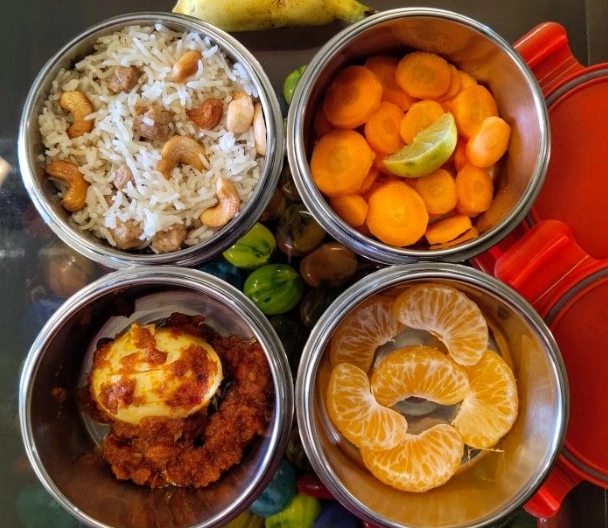
The Foundation: Your Indian Meal Prep Toolkit
You don't need a kitchen fit for a royal chef. But a few key tools make the process infinitely smoother.
Essential Equipment
A good, heavy-bottomed pot or Dutch oven is non-negotiable. It distributes heat evenly, preventing those pesky burnt spots at the bottom of your curry. A large skillet or kadai is great for drier dishes like bhurji or sautéed vegetables. For storage, I'm a convert to glass containers with locking lids. They don't stain from turmeric, they microwave safely, and you can see what's inside. A set of various sizes is perfect.
Don't underestimate the power of a rice cooker. Perfect, hands-off rice every time is a game-changer for Indian meal prep. If you're really short on time, even pre-cooked, frozen rice (just check the label for additives) can be a legitimate shortcut.
The Spice Rack: Your Flavor Arsenal
This is the heart of Indian cooking. You don't need fifty jars. Start with a core set. I recommend buying whole spices where possible (like cumin seeds, coriander seeds, cardamom pods) and toasting/grinding them in small batches. The flavor difference is night and day compared to pre-ground spices that have been sitting on a shelf for months.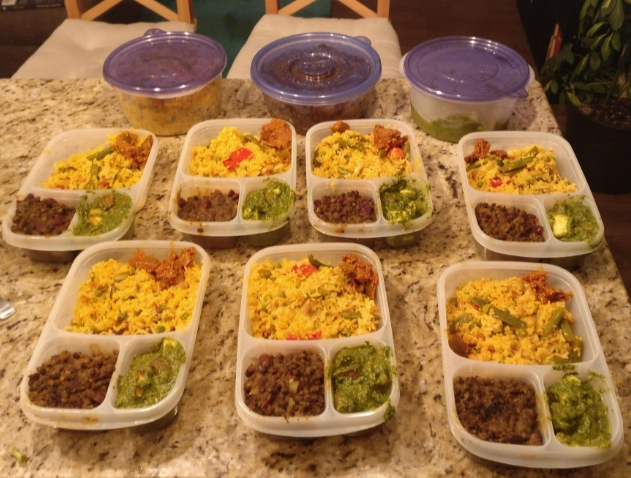
Here’s a breakdown of the absolute must-haves to begin your Indian meal prep journey:
| Spice/Ingredient | Form (Whole/Ground) | Core Uses in Meal Prep |
|---|---|---|
| Cumin | Seeds & Ground | Base for tadka (tempering), essential in curries and dals. |
| Coriander | Seeds & Ground | The backbone flavor in most curry powders, adds citrusy depth. |
| Turmeric | Ground | For color, earthy flavor, and its noted anti-inflammatory properties (research from places like Harvard Health often highlights curcumin). |
| Garam Masala | Ground Blend | Added at the end of cooking for a warm, complex aroma. |
| Red Chili Powder | Ground (Kashmiri for color, hotter varieties for heat) | Provides heat and vibrant red color to dishes. |
| Mustard Seeds | Whole (black or yellow) | For South Indian-style tempering in sambar, curries. |
| Asafoetida (Hing) | Powder | A pinch adds a savory, umami depth, especially in lentil dishes. |
Crafting Your Weekly Indian Meal Prep Plan
The biggest mistake people make? Prepping five identical containers of the same curry. You'll be sick of it by Wednesday. The key is component-based prepping. Instead of pre-assembling full meals, prep versatile bases and mix-and-match components throughout the week.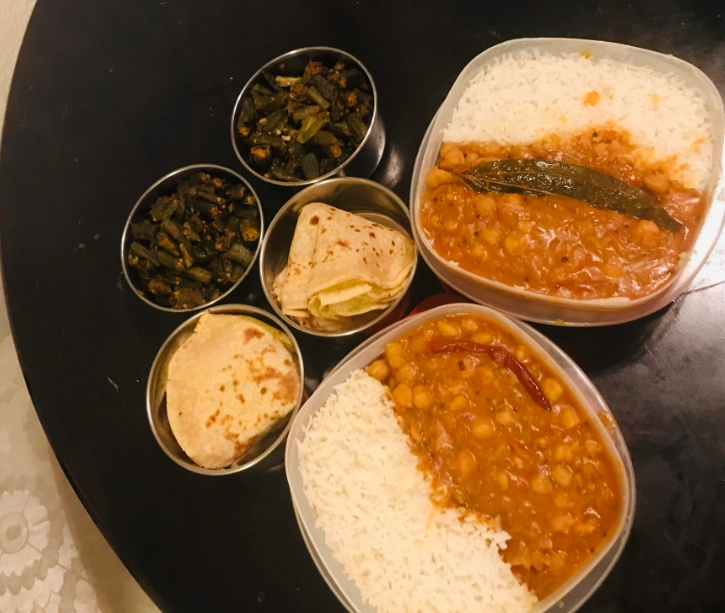
The Core Components Strategy
Think of your week's food as a playlist. You need a few great hits (main dishes), some solid backing tracks (sides and bases), and a couple of fresh features (quick-prep items).
- The Gravy/Curry Base: This is your superstar. Make one or two rich, saucy dishes in bulk.
- Example A (Creamy & Rich): A tomato-onion based gravy with pureed cashews. You can use this as the base for butter chicken (add pre-cooked chicken), paneer makhani (add paneer cubes), or even mix with boiled chickpeas.
- Example B (Light & Tangy): A kokum or tamarind-based South Indian fish curry style gravy. Works with fish fillets added later, or with vegetables like okra or drumsticks.
- The Protein: Cook a large batch of a protein that can go multiple ways.
- Shredded chicken (boiled or cooked in the Instant Pot with just salt and pepper). Use it in curries, wraps, or salads.
- A big pot of basic dal (like toor or masoor). It's a protein-rich side, a soup, or a sauce for rice.
- Pan-fried cubes of paneer or tofu. Keep them plain and add to different sauces or dry masalas during the week.
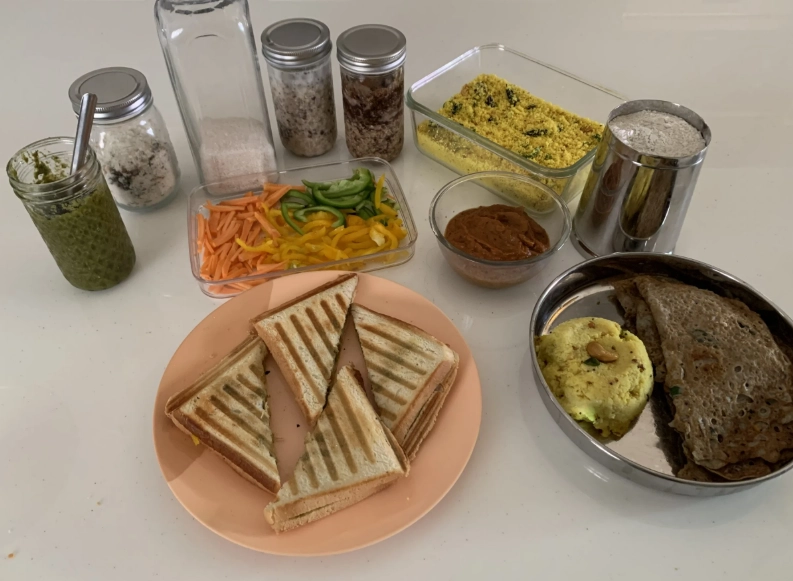
- The Carbohydrate:
- A large batch of plain basmati rice.
- Quinoa or millet for a healthier twist.
- Whole wheat chapatis or rotis (you can make and freeze them, or buy decent quality frozen ones to toast fresh).
- The Fresh Elements (Prep Day or Daily):
- Dice onions, ginger, garlic, and chilies. Store them separately in the fridge for 3-4 days for quick cooking.
- Wash and chop hearty veggies like bell peppers, carrots, cauliflower. They'll hold up for days.
- Keep yogurt (raita), fresh cilantro, and a lemon handy for garnish and brightness.
A Sample 3-Hour Sunday Prep Session
Here’s what a realistic, flowing prep session looks like. It's not about frantic multi-tasking, but smart sequencing.
Hour 1: The Foundations. Put your rice in the cooker. Start your big pot of dal simmering. While that's happening, do all your vegetable chopping (onions, peppers, ginger, etc.). Get your proteins ready—marinate chicken in yogurt and spices, or cube your paneer.
Hour 2: The Main Events. Start your primary curry base in the Dutch oven. Let it simmer and develop flavor. In another pan, cook your marinated protein (e.g., chicken tikka pieces in the oven or on a skillet). Use a third burner to quickly sauté some of your pre-chopped veggies with basic spices for a dry side dish like aloo gobi.
Hour 3: Assembly & Storage. Your rice and dal are done. Your curry base is rich and ready. Let everything cool down to room temperature—this is crucial for food safety and prevents condensation in your containers. Then, portion them out. I store components separately: rice in one big container, dal in another, curry base in a third, dry veggie dish in a fourth. This gives me maximum flexibility.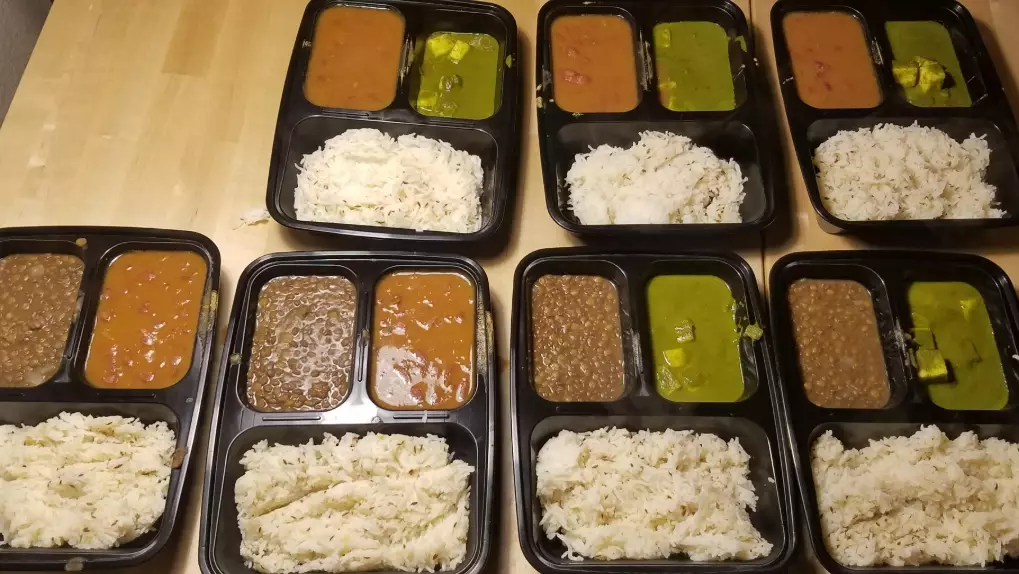
Top Indian Meal Prep Recipes That Actually Work
You need recipes that are forgiving, reheat well, and don't rely on last-minute frying. Here are my go-tos, categorized by how they fit into your week.
The Freezer Champions
These dishes freeze beautifully for 2-3 months, giving you a future "emergency meal."
- Rajma (Kidney Bean Curry): The beans hold their texture, and the thick gravy freezes and reheats perfectly. Serve with rice.
- Keema (Spiced Ground Meat): Versatile with beef, lamb, turkey, or plant-based crumbles. Freeze in portions for quick wraps, with peas for a curry, or on toast.
- Palak (Spinach) Puree Base: Make the creamy spinach gravy (blanched spinach, onions, ginger). Freeze it without the paneer or cream. Thaw, heat, add your protein and cream/milk, and you have palak paneer/chicken/tofu in 10 minutes.
The Fridge Stars (Lasts 4-5 Days)
These are your workhorse meals for the upcoming week.
- Chana Masala (Chickpea Curry): Cheap, healthy, filling. The flavors get better each day.
- Vegetable Biryani or Pulao: A complete one-pot meal. The rice soaks up the flavors. Reheat gently with a splash of water to revive it.
- Dhaba-Style Dal Tadka: A hearty, smoky lentil dish. Reheats like a dream and is incredibly satisfying.
The "Day Of" Magic: Finishing Touches
This is the secret to avoiding meal prep monotony. Have a few quick tricks to change up your prepped base.
- The Tadka (Tempering): Heat a spoon of oil or ghee. Throw in mustard seeds, cumin seeds, a dried chili, and curry leaves. Let them crackle for 30 seconds and pour this sizzling oil over your reheated dal or simple yogurt rice. Instant flavor explosion and freshness.
- The Fresh Garnish: A handful of chopped cilantro, a squeeze of lemon, a dollop of mint chutney, or a sprinkle of sev (crispy gram noodles) can completely transform a container of pre-made curry.
- The Mix-and-Match: That pre-cooked shredded chicken? Monday in the tomato curry. Wednesday, toss it with Greek yogurt, mint, and spices for a chicken salad wrap. Friday, add it to a quick tomato soup with garam masala.
Storing and Reheating: Keeping the Magic Alive
Poor storage and nuking food into rubber are the main reasons people give up on meal prep. Let's fix that.
Cooling: Never put hot, steaming food directly into the fridge. It raises the fridge's temperature and can promote bacterial growth. Spread food in shallow containers to cool faster on the counter (within 2 hours max).
Refrigeration: Most cooked Indian meal prep dishes will be good for 3-4 days. Gravy-based items often last to day 5. Use your nose and eyes. If in doubt, throw it out.
Freezing: Portion into single or double servings. Leave about an inch of headspace in containers for expansion. Label with the date and contents. "Mystery curry" from three months ago is not appetizing.
Reheating Like a Pro
The microwave is fine, but be gentle. Use a lower power setting (50-70%) and reheat in intervals, stirring in between. Adding a tablespoon of water or broth to curries and rice prevents them from drying out.
For a superior result, reheat on the stovetop. A small saucepan over low-medium heat, with a splash of water, allows you to stir and reconstitute the dish perfectly. It's worth the extra pan for your favorite curry.
For frozen items, thaw overnight in the fridge before reheating.
Answering Your Biggest Indian Meal Prep Questions
This is the #1 complaint. The key is moisture and storage. When your rice is done, fluff it with a fork and let it cool completely before putting the lid on. Trapped steam turns to water, then makes the rice mushy. Store it in an airtight container. When reheating, sprinkle a few drops of water over it and cover the bowl with a damp paper towel. The steam from the towel rehydrates the grains.
Yes, but with caution. Dishes with dairy-based sauces (like korma) can sometimes separate or get a grainy texture when reheated. Reheat them very gently on the stove, stirring constantly. Don't boil them. Personally, I prefer to prep the base of such curries (onion-tomato-nut paste) and add the yogurt or cream fresh when I reheat and serve. It's safer and tastes brighter.
Blanching is your friend. Briefly boil the spinach, then plunge it into ice water. This fixes the bright green color. Puree and use. Even then, it may darken slightly over 3-4 days, but the flavor will still be great. Freezing is actually a better long-term option for spinach-based dishes.
This question comes up a lot. While the concept of weekly "meal prep" is modern, the practice of cooking in batches is deeply traditional. In many Indian households, large batches of staples like pickles, chutneys, spice pastes (like ginger-garlic), and even par-cooked items are made to simplify daily cooking. What we're doing is just applying that sensible, time-honored principle to our modern weekly schedule. The diversity of Indian cuisine, as highlighted by cultural resources, has always been about practicality and flavor working together.
Making It a Sustainable Habit
Start small. Don't try to prep 14 meals in your first week. Maybe just prep a big pot of dal and some rice. See how it feels. Celebrate the one night you didn't have to think about dinner.
Listen to music or a podcast while you prep. Make it a relaxing ritual, not a chore.
Finally, be kind to yourself. Some weeks you'll nail it. Other weeks, life will happen, and you'll order pizza. That's okay. The goal of Indian meal prep isn't perfection. It's giving yourself more good days than stressful ones. It's about bringing the joy and nourishment of real Indian food into your busy life, on your own terms.
So, this weekend, pick one recipe. Grab some containers. Give yourself the gift of a easier, tastier week ahead. You might just find that the process itself—the smells filling your kitchen, the satisfaction of a fridge full of good food—is as rewarding as the meals themselves.
Discussion