Your Cooking Roadmap
- What Exactly Is Butter Chicken (Murgh Makhani)?
- The Blueprint: Ingredients That Actually Matter
- The Step-by-Step: Your Roadmap to Butter Chicken Bliss
- How to Serve Your Homemade Indian Butter Chicken
- FAQs: Answering Your Butter Chicken Questions
- Taking It Further: Variations and Pro Insights
- The Final Stir
Let's be honest. We've all been there. You order butter chicken from your favorite Indian spot, it arrives in that steaming bowl, and it's pure magic. Creamy, tangy, a little smoky, with that impossibly tender chicken. Then you try to make it at home and... well, it's just not the same. The sauce splits, the spices taste raw, or it's just missing that certain something. I've had more than my share of kitchen fails trying to crack this code.
But after what feels like a hundred attempts (and a few truly inedible batches), I finally pieced together a method that works. This isn't just a butter chicken recipe. It's the one that finally gave me that restaurant-style satisfaction without needing a tandoor oven in my backyard. The key, I found, isn't one single trick. It's a combination of patience, the right ingredients, and understanding the why behind each step.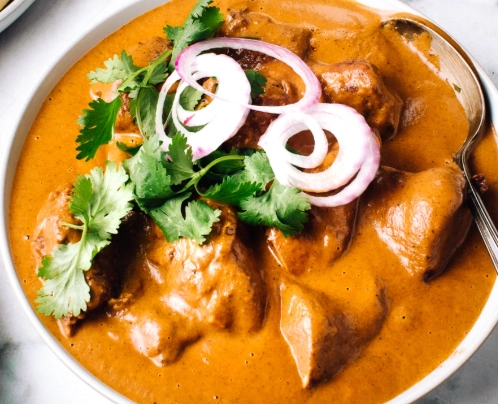
So, if you're tired of recipes that promise the world and deliver a bland, orange soup, stick with me. This guide is for anyone who wants to understand butter chicken, not just blindly follow instructions. We'll get into the history (briefly, I promise), the non-negotiables, the common pitfalls, and how to tweak it to your exact taste. This is the Indian butter chicken recipe that changed the game for me.
What Exactly Is Butter Chicken (Murgh Makhani)?
Before we dive into the pot, let's clear something up. Butter chicken, or murgh makhani, isn't some ancient, centuries-old dish. Its story is actually pretty modern and kind of brilliant. As the popular tale goes, it was invented in the 1950s at the famous Moti Mahal restaurant in Delhi. The chefs, not wanting to waste leftover tandoori chicken, decided to simmer it in a rich, buttery tomato gravy. And just like that, a global superstar was born.
That origin story explains its soul. It's meant to be rich (makhani literally means "with butter"), mildly spiced, and universally appealing. It's not supposed to blow your head off with heat. The magic is in the balance—the sweet acidity of tomatoes, the warmth of spices like garam masala and kasuri methi, the richness of cream and butter, and that subtle smokiness from the chicken. Getting that balance right is the whole goal of this authentic butter chicken recipe.
Quick Reality Check: Is it healthy? Not really, if we're being honest. It's a celebratory dish, packed with dairy and fat. You can lighten it up (we'll talk alternatives), but the classic version is unapologetically indulgent. And that's okay. Some foods are worth the splurge.
The Blueprint: Ingredients That Actually Matter
You can't build a great house with cheap materials, and the same goes for butter chicken. Substituting key ingredients will lead you down a different path. Here’s what you absolutely need and where you can maybe cut a corner.
The Chicken & Marinade
Forget dry, overcooked chunks. The chicken needs flavor and tenderness from the inside out.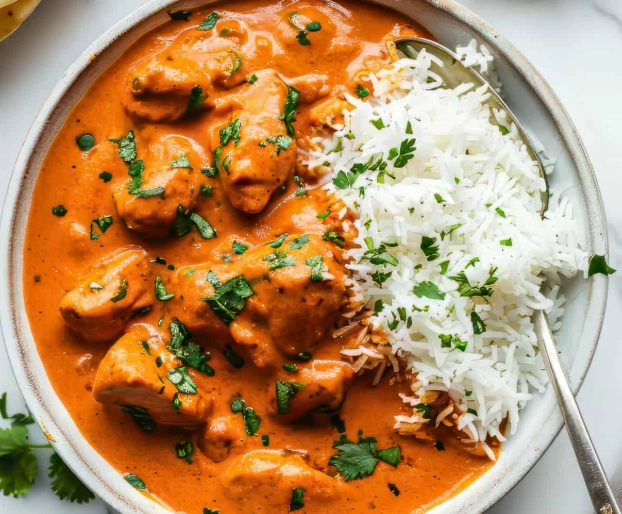
- Chicken: Boneless, skinless thighs are the winner. They stay juicy through the long simmer. Breast meat *can* work, but you have to be super careful not to overcook it, or it turns to rubber. Trust me on the thighs.
- Yogurt: Full-fat, plain yogurt. Greek yogurt is too thick and tangy. You want the regular kind to tenderize without overpowering.
- Ginger & Garlic: Freshly grated or pasted. The jarred stuff just doesn't have the same bright, pungent kick. This is non-negotiable for me.
- Basic Spices: Kashmiri red chili powder (for color and mild heat), turmeric, salt, and a touch of oil. Some recipes add lemon juice, which is fine.
Pro-Tip: Marinate for at least 2 hours, but overnight is magic. The yogurt works slowly to break down proteins, making the chicken incredibly tender.
The Heart of the Matter: The Gravy
This is where most recipes go wrong. The gravy isn't just blended tomatoes. It's a layered sauce.
- Tomatoes: I've tried everything. Canned whole San Marzano tomatoes are my gold standard for consistent, sweet-tart flavor year-round. Fresh tomatoes can be watery unless they're perfectly ripe. Tomato puree alone tastes flat.
- Cashews or Almonds: This is the secret to the creamy texture before the cream even goes in. It thickens the sauce and gives it a luxurious mouthfeel. Raw, unsalted cashews are best.
- The Flavor Base (Onion, Ginger, Garlic): Finely chopped or blended. You need to cook this until it's deeply golden and fragrant. Rushing this step gives you a raw, bitter taste.
- Core Spices: Cumin, coriander, garam masala, and the star of the show—kasuri methi (dried fenugreek leaves). Crush the kasuri methi between your palms before adding. It has a unique, slightly bitter, maple-like aroma that screams "butter chicken." You can find it in any Indian grocery or online. Don't skip it.
- The Richness: Unsalted butter (obviously) and heavy cream. Don't use half-and-half or milk; they can curdle. For the butter, I like a mix of regular and a bit of salted for flavor.
The Step-by-Step: Your Roadmap to Butter Chicken Bliss
Okay, ingredients are gathered. Let's cook. This isn't a 20-minute meal. Good food takes time. Plan for about an hour, mostly hands-off simmering.
Step 1: Marinate and Cook the Chicken
Mix all the marinade ingredients in a bowl, add the chicken pieces, and coat them well. Cover and let it sit in the fridge. When ready, you have options:
- Grill/Broil: Thread onto skewers and grill or broil until charred in spots. This gives the best smoky flavor.
- Pan-Sear: In a hot pan with a little oil, sear the pieces until cooked through and browned. Easier, still tasty.
- Bake: Spread on a tray and bake at a high heat (425°F/220°C) until cooked. Less smoky, but hands-off.
The goal is to get some color and cook it about 90% of the way. It will finish cooking in the gravy. Set it aside.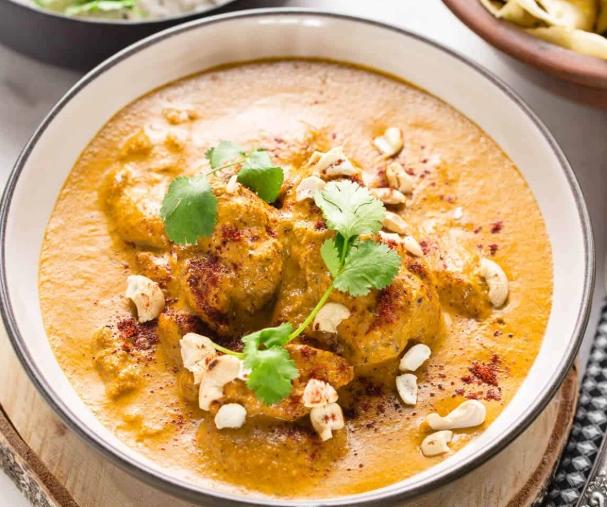
The smell of marinated chicken hitting a hot grill? That's the first sign you're on the right track.
Step 2: Build the Gravy (This is the Most Important Part)
In a heavy-bottomed pot or Dutch oven, melt a generous knob of butter. Add your blended onion-ginger-garlic paste. Now, here's the patience part. Cook it on medium-low heat, stirring often, until the paste turns a light golden brown and the oil starts to separate from the sides. This can take 10-15 minutes. Don't rush it.
Add your ground spices (cumin, coriander, chili powder) and cook for just 30 seconds until fragrant. Then, add your tomato puree (from the blended tomatoes and cashews). Be careful, it might splutter.
Now, simmer. And simmer. And simmer some more. Let the tomato mixture cook down, stirring occasionally, until it thickens significantly and the raw tomato smell is completely gone, replaced by a sweet, deep aroma. You'll see the butter start to float on top. This is the foundation of your easy butter chicken recipe success.
Step 3: The Grand Finale
Once the gravy base is thick and cooked, add the cooked chicken pieces and any juices from the plate. Stir to coat. Add about a cup of water to get your desired consistency—remember, it will thicken a bit more with the cream.
Let it bubble gently for 5-7 minutes so the chicken absorbs the gravy flavors. Now, turn the heat to the lowest setting. Stir in the heavy cream, a few more tablespoons of butter, the garam masala, and the crushed kasuri methi. Do not let it boil after adding the cream, or it might split. You're just warming it through.
Watch Out! The single biggest mistake is adding the cream when the gravy is boiling hot. Always lower the heat first. A split sauce isn't ruined, but it's not as pretty.
Taste. Adjust salt. Maybe a pinch of sugar if the tomatoes are too tart. The flavor should be rich, creamy, slightly sweet, tangy, and aromatic.
How to Serve Your Homemade Indian Butter Chicken
This isn't a solo act. It needs the right supporting cast.
- Basmati Rice: The classic partner. Rinse it well until the water runs clear for fluffy grains.
- Naan or Roti: Essential for scooping up every last bit of sauce. Store-bought is fine, but warming it on a stovetop flame makes it perfect.
- On the Side: A simple onion salad (sliced red onion with lemon juice and salt) or a cooling cucumber raita cuts through the richness beautifully.
Garnish with a drizzle of cream and a sprinkle of fresh coriander if you like. Then, dig in.
FAQs: Answering Your Butter Chicken Questions
I get a lot of questions whenever I share this Indian butter chicken recipe. Here are the most common ones.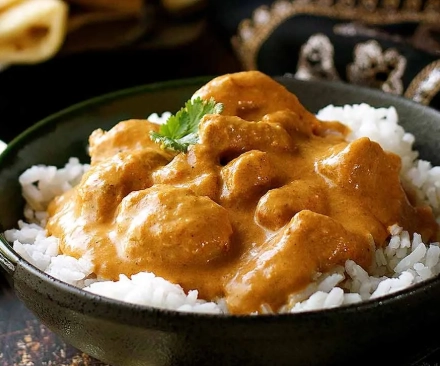
Taking It Further: Variations and Pro Insights
Once you've mastered the basic authentic Indian butter chicken recipe, you can start playing.
- Smoky Flavor: No grill? Add a tiny drop of liquid smoke to the marinade, or use the "dhungar" method: heat a piece of charcoal on an open flame until red-hot, place it in a small metal bowl in the finished curry, drizzle a few drops of oil on it, cover the pot immediately, and let it smoke for 5 minutes. It's a game-changer.
- Vegetarian "Butter Chicken" (Paneer Makhani): Replace chicken with pan-fried cubes of paneer (Indian cottage cheese). Add them at the very end so they don't get rubbery.
- Spice Level: To increase heat, add a finely chopped green chili to the gravy base, or use a hotter red chili powder instead of Kashmiri.
If you're curious about the broader culinary tradition this dish comes from, the Incredible India tourism site has fascinating context on regional cuisines. For a more academic look at Indian cooking techniques, resources from reputable institutions like BBC Food's Indian cuisine section can be incredibly informative. And when it comes to sourcing authentic spices and understanding their profiles, I often cross-reference with guides from established vendors like Spice Jungle or Penzey's Spices.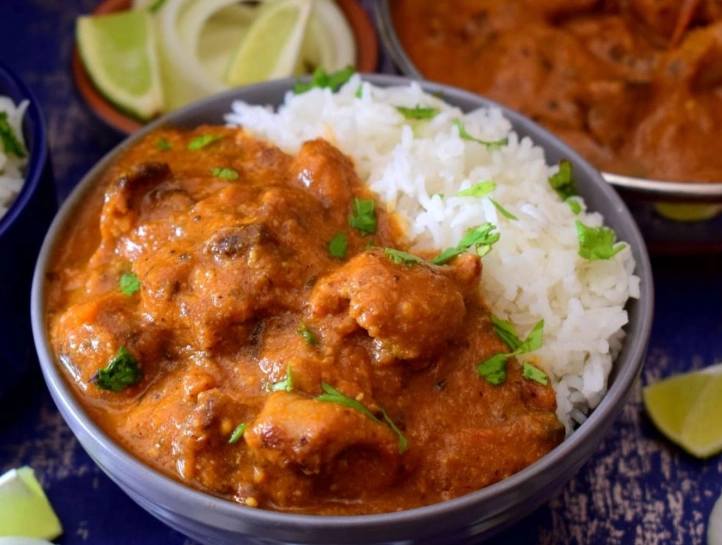
Don't be afraid to make it your own.
The Final Stir
Look, making a truly great butter chicken at home is a project. It asks for a bit of your time and attention. But the payoff? It's massive. That moment when you taste it and think, "Wow, I actually made this. This is as good as the restaurant"—that's worth every minute.
This Indian butter chicken recipe is my tried-and-true method. It respects the tradition but is written for a home cook with a standard kitchen. It explains the why, warns you of the pitfalls, and gives you room to adapt. Forget the complicated, intimidating recipes. Start here. Get your marinade going, be patient with your gravy, and don't skip the kasuri methi.
Then, sit down with a plate of steaming rice, tear off a piece of warm naan, and dive into a bowl of creamy, dreamy, homemade murgh makhani. You've earned it.
Discussion