Quick Guide
- Why Indian Cuisine is a Secret Weapon for Healthy Eating
- Top 5 Must-Try Healthy Vegetarian Indian Recipes (Ranked by Ease)
- Building Your Meal: The Thali Concept for Balanced Nutrition
- Answering Your Questions: Healthy Indian Food FAQ
- Putting It All Together: A Sample Week of Healthy Indian Meals
- Final Thoughts: It's About Wholesome, Flavorful Food
Let's be honest, when you hear "Indian food," you might picture heavy, creamy curries and piles of buttery naan. I did too, for the longest time. My first attempts at cooking Indian at home were... well, let's just say they were more about the color yellow (thanks, turmeric stains) than about balance or nutrition. But that's a huge misconception. The real heart of Indian home cooking, the kind my friend's grandma makes in her tiny kitchen in Delhi, is a treasure trove of healthy vegetarian Indian recipes. We're talking about dishes built on lentils packed with protein, seasonal vegetables singing with spices, and whole grains that keep you full for hours. It's food that's designed to nourish, not just fill you up.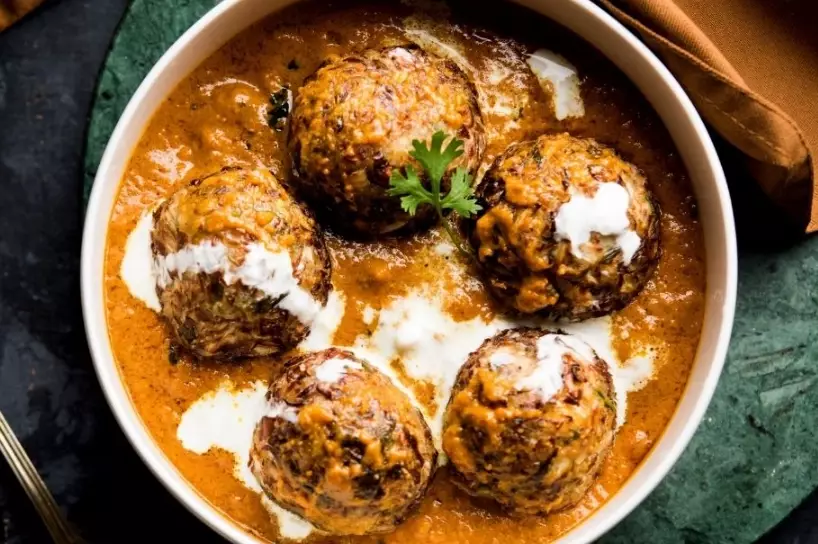
And that's what this guide is for. I'm not here to give you a fancy restaurant menu. I want to show you how to make the everyday, wholesome food that millions of Indians actually eat at home. Food that's vibrant, flavorful, and genuinely good for you. Whether you're a seasoned plant-based eater or just trying to get more veggies in your life, this cuisine has something incredible to offer.
Why Indian Cuisine is a Secret Weapon for Healthy Eating
You don't have to take my word for it. The traditional Indian diet has been studied for its potential health benefits, often linked to its emphasis on plant-based ingredients, legumes, and spices with anti-inflammatory properties. It's a cuisine that naturally aligns with a lot of modern healthy eating principles, but it's been doing it for centuries.
Think about it. The base of so many meals is dal (lentils) or rajma (kidney beans)—incredible sources of plant-based protein and fiber. Vegetables aren't just a side; they're often the star of the show, cooked in ways that preserve their texture and nutrients. And those spices? They're not just for heat. Turmeric, cumin, coriander, and ginger aren't just flavor agents; they're little powerhouses of antioxidants. When you're looking for healthy vegetarian Indian food, you're tapping into a system that's already built on balance.
The Core Ingredients of a Healthy Indian Pantry
You don't need a hundred exotic items. Start with these staples, and you can make a vast majority of healthy Indian vegetarian recipes.
- Lentils & Legumes: Toor dal (split pigeon peas), masoor dal (red lentils), chana dal (split chickpeas), and whole moong beans (mung beans). These are your protein anchors. Red lentils cook the fastest and are great for beginners.
- Whole Grains: Brown basmati rice, quinoa (a modern, high-protein substitute), and whole wheat flour for chapatis. Forget the white rice sometimes—brown basmati has a nutty flavor that holds up beautifully in a meal.
- The Spice Trinity (and Friends): Cumin seeds, coriander seeds, and mustard seeds are the workhorses. Then have ground turmeric, red chili powder (or Kashmiri chili for less heat/more color), and garam masala (a blended spice mix). Buy whole seeds when you can; toasting and grinding them fresh is a game-changer for flavor.
- Fresh Aromatics: Onions, garlic, ginger, and fresh green chilies. Non-negotiable for building flavor bases.
- Healthy Fats: Mustard oil (has a strong flavor, great for tempering), coconut oil (for South Indian styles), or a good neutral oil like avocado oil. Ghee (clarified butter) is traditional and has a high smoke point, but use sparingly if watching saturated fat.

Beyond Curry: Understanding Cooking Methods
"Curry" is a catch-all term that doesn't do justice to the variety. Here’s how healthy dishes are often built:
- Tadka/Chaunk (Tempering): The foundational technique. Whole spices are fried briefly in hot oil to release their essential oils, which then infuse the entire dish. This is where the magic starts.
- Bhunao (Sautéing & Browning): Cooking down onions, ginger, and garlic until they're deeply caramelized, not just translucent. This creates a rich, sweet base for gravies.
- Steaming & Boiling: For dishes like dhokla (steamed chickpea cakes) or simple boiled lentils. A very light and healthy approach.
- Roasting & Grilling (Tandoori Style): Marinating vegetables in yogurt and spices and then roasting or grilling them. A fantastic low-fat, high-flavor method. Think Tandoori Gobhi (cauliflower).
- Stir-frying (Bhurji): Quick cooking of scrambled or chopped ingredients, like a Paneer Bhurji (crumbled Indian cheese) or Tamatar Chilla (spiced tomato pancake).
See? It's so much more than just throwing things into a pot of sauce. Each method brings out different textures and flavors, keeping your meals interesting.
Top 5 Must-Try Healthy Vegetarian Indian Recipes (Ranked by Ease)
Let's get practical. Here are my top picks for recipes that are nutritious, delicious, and won't have you slaving in the kitchen for hours. I've ranked them based on how easy they are for a beginner to nail.
| Rank & Dish | Why It's Healthy | Key Ingredients | Time & Skill |
|---|---|---|---|
| #1: Masoor Dal (Red Lentil Soup) | High in protein & fiber, low in fat, packed with iron. Uses just one pot. | Red lentils, turmeric, cumin, onions, tomatoes. | 30 mins, Beginner |
| #2: Palak Paneer (Spinach with Indian Cottage Cheese) | Spinach is loaded with vitamins A, C, K, and iron. Paneer provides protein and calcium. | Fresh spinach, paneer, garlic, ginger, garam masala. | 40 mins, Intermediate |
| #3: Chana Masala (Chickpea Curry) | Chickpeas are a fantastic source of plant-based protein and fiber. The tomato-based gravy is rich in lycopene. | Chickpeas (canned or cooked), tomatoes, onions, chana masala spice blend. | 35 mins, Beginner |
| #4: Bhindi Masala (Okra Stir-fry) | Okra is high in fiber, vitamin C, and folate. Dry-cooked to avoid sliminess, making it a great low-calorie side. | Fresh okra, cumin seeds, coriander powder, dry mango powder (amchur). | 25 mins, Intermediate (slicing okra!) |
| #5: Vegetable Khichdi | The ultimate comfort food. A one-pot wonder of rice and lentils with veggies. Easily digestible and perfectly balanced. | Basmati rice, moong dal (split mung beans), mixed vegetables, turmeric, ghee/oil. | 45 mins, Beginner |
My personal favorite to start with is Masoor Dal. It's forgiving, quick, and so satisfying. The trick is the "tadka" at the end—heat a spoonful of oil or ghee, throw in a pinch of cumin seeds and a dried red chili, let them sizzle for 10 seconds, and then pour it over the cooked lentils. It crackles and blooms the flavor instantly. It’s one of those easy vegetarian Indian food recipes that feels like a hug in a bowl.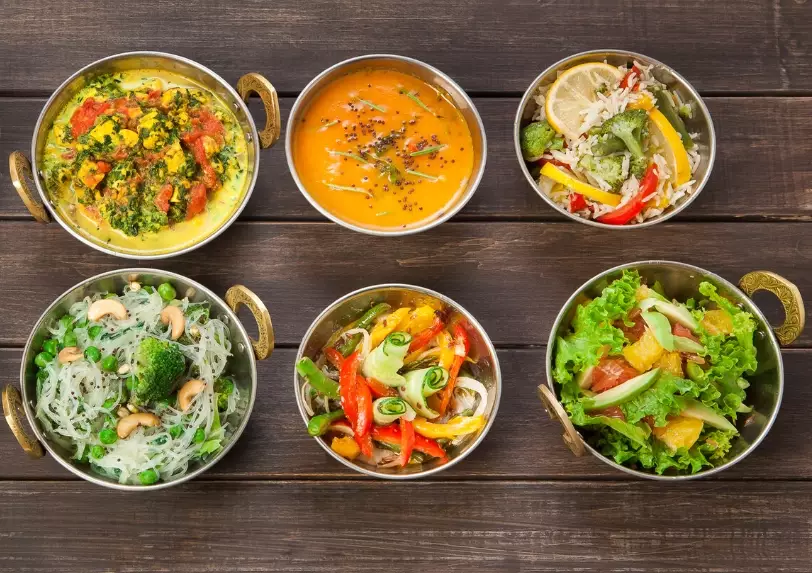
Building Your Meal: The Thali Concept for Balanced Nutrition
One of the best things about Indian meals is the thali (plate) concept. Instead of one giant portion of one thing, a balanced meal includes small portions of several different components. This is a genius way to ensure nutritional diversity and keep your taste buds happy. Here’s how to build your own healthy thali at home:
- Main Protein: A bowl of dal (lentil soup) or a legume-based curry like chana masala.
- Vegetable Dish: One or two dry or semi-dry vegetable preparations, like bhindi masala or aloo gobi (potatoes & cauliflower).
- Whole Grain: 1-2 whole wheat chapatis (flatbreads) or a small portion of brown rice or quinoa.
- Accompaniment: A small side of yogurt (raita) for probiotics and to cool the palate, or a fresh salad like kachumber (diced cucumber, tomato, onion).
- Condiment: A tiny bit of pickle or chutney for a flavor punch.
This way, you're getting complex carbs, plant protein, healthy fats, and a rainbow of vegetables all in one sitting. It completely reframes the idea of a "healthy vegetarian Indian recipes" collection from being just a list of curries to being a system for building complete meals.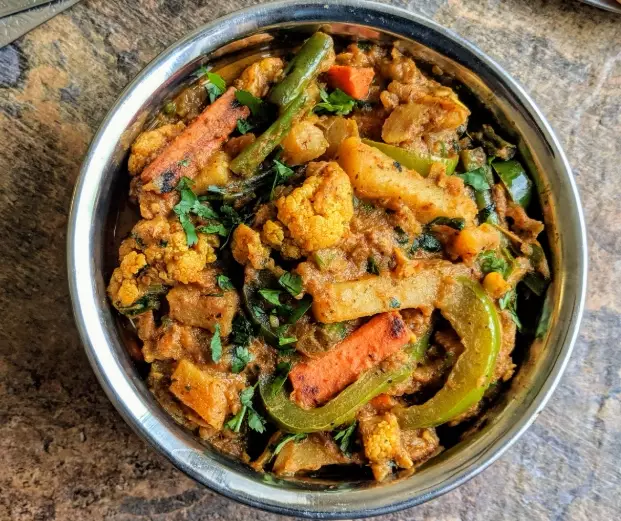
The Spice Cabinet: Your Flavor & Health Boosters
Let's demystify the spices. This isn't about setting your mouth on fire; it's about layering flavors. Here’s a quick guide to the most common ones and why they're good for you.
| Spice | Flavor Profile | Common Uses & Health Note |
|---|---|---|
| Turmeric (Haldi) | Earthy, slightly bitter, pungent. | Used in almost everything for color. Contains curcumin, a potent anti-inflammatory compound. Always cook it with a little fat and black pepper to enhance absorption. |
| Cumin (Jeera) | Warm, nutty, earthy. | Seeds used for tempering, ground powder in gravies. May aid digestion. |
| Coriander (Dhania) | Citrusy, sweet, floral. | Seeds (ground) are a base for many curries. Fresh leaves (cilantro) are a garnish. Good source of antioxidants. |
| Garam Masala | Warm, sweet, complex (blend). | A blend of spices like cardamom, cinnamon, cloves. Usually added at the END of cooking. Don't confuse it with curry powder. |
| Mustard Seeds (Rai) | Pungent, nutty when popped. | Used in tempering, especially in South Indian recipes. They pop in hot oil, releasing a fantastic aroma. |
| Asafoetida (Hing) | Pungent raw, savory when cooked. | A tiny pinch adds an umami, almost garlic-onion flavor. Traditionally believed to aid digestion, especially for beans/lentils. |
Answering Your Questions: Healthy Indian Food FAQ
Isn't Indian food really high in calories and fat?
Restaurant food often is, because it uses generous amounts of cream, butter (makhan), and oil to achieve rich textures. Homemade healthy vegetarian Indian recipes are a different story. You control the oil, you can use yogurt instead of cream, and you focus on the core ingredients—lentils, vegetables, and spices. A home-cooked dal and subzi (vegetable) meal can be very moderate in calories and high in nutrients.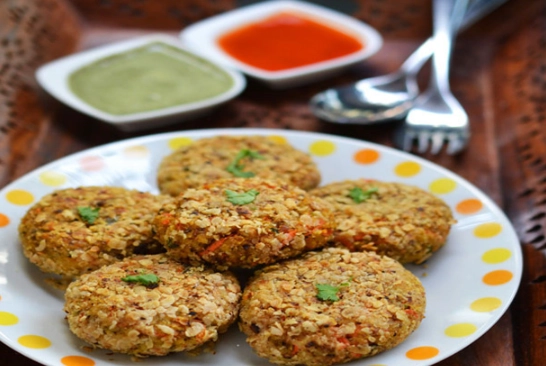
I'm trying to lose weight. Can I eat Indian food?
Absolutely. Focus on these strategies: 1) Increase the proportion of vegetables and lean protein (lentils, legumes) on your plate. 2) Opt for dry or roasted vegetable dishes (bhindi masala, tandoori veggies) over creamy curries. 3) Use whole grains like brown rice or whole wheat chapatis, and watch your portion size. 4) Be mindful of added fats—measure your cooking oil, and avoid deep-frying. A resource like the USDA's MyPlate guidelines can help with portion balance, which aligns well with the thali concept.
How do I make sure I get enough protein?
This is the easiest part! Indian cuisine is built on plant-based protein. Make sure one major component of your meal is always a lentil (dal), bean (rajma, chana), or legume-based dish. Pairing these with a whole grain (rice, chapati) creates a complete protein. Paneer and yogurt are also good sources for vegetarians. If you're looking for the protein content of specific lentils, the USDA FoodData Central is an authoritative source for nutritional data.
My beans/lentils make me gassy. Any tips?
Very common! Indian cooking has traditional hacks for this. 1) Always soak dried beans and lentils (except red lentils) for several hours or overnight, and discard the soaking water. 2) Use spices known to aid digestion, like asafoetida (hing), cumin, and ginger, in the cooking process. 3) Cook them thoroughly until very soft. Starting with easier-to-digest lentils like moong dal (mung beans) or masoor dal (red lentils) can also help.
How can I reduce the spiciness for my family?
Easy. Control the heat at three points: 1) Use less or no green chilies when sautéing. 2) Use Kashmiri red chili powder—it gives a vibrant red color with much less heat than other chili powders. 3) Add spicy elements (like extra chili powder or fresh chilies) at the end to just one portion of the dish. Remember, spice (flavor) and heat (burn) are different. You can have incredibly flavorful, healthy Indian vegetarian recipes with minimal heat.
Putting It All Together: A Sample Week of Healthy Indian Meals
Let's make this real. Here’s a simple, non-overwhelming plan for a week of dinners. It uses leftovers smartly and rotates proteins and veggies.
Monday: Masoor Dal (red lentils) + Bhindi Masala (okra) + Brown Rice. (Cook extra dal).
Tuesday: Use leftover dal as a base. Make a quick Jeera Aloo (cumin potatoes) and serve with whole wheat chapatis.
Wednesday: Chana Masala (chickpea curry) from canned chickpeas + a simple Kachumber salad (cucumber, tomato, onion) + Quinoa.
Thursday: Vegetable Khichdi (one-pot rice & lentils) with peas and carrots. Comforting and easy.
Friday: Palak Paneer (spinach & cheese) with a side of roasted cauliflower (just toss florets in oil, turmeric, and cumin, then roast).
Weekend Project: Try making your own Chapatis (whole wheat flatbreads). It's fun, and nothing beats a fresh, hot chapati. There are great tutorials from authentic sources like Veg Recipes of India, a highly trusted blog in the space.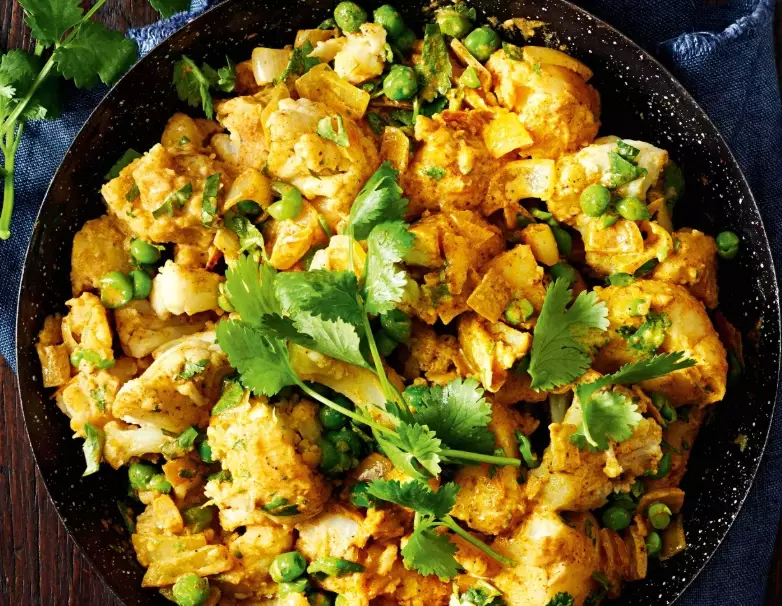
See? It's totally doable. The goal isn't perfection; it's to get more of these wholesome, flavorful dishes into your rotation. The more you cook them, the more intuitive the spice combinations become.
Final Thoughts: It's About Wholesome, Flavorful Food
At its core, searching for healthy vegetarian Indian recipes is a search for food that satisfies on every level—taste, nutrition, and spirit. It’s a cuisine that celebrates plants and transforms them with centuries of culinary wisdom. Don't get bogged down by the idea that it has to be authentic in some rigid, textbook way. Cook what tastes good to you, adjust the heat, swap in vegetables you love.
The real treasure of these healthy Indian vegetarian recipes is how they make eating well an absolute pleasure, not a chore. A humble bowl of dal isn't just food; it's comfort, it's nourishment, it's a connection to a way of eating that's both ancient and perfectly suited for today. So grab a few spices, a bag of lentils, and start experimenting. Your kitchen (and your body) will thank you.
And honestly? Even if it's not perfect the first time, the smell of cumin and onions sizzling in your kitchen is a win all by itself.
Discussion