Quick Navigation
Let's be honest. We've all ordered palak paneer at an Indian restaurant, marveled at that vibrant green color and incredibly creamy texture, and then gone home to try and replicate it with... mixed results. Maybe your spinach turned a sad, dull olive. Maybe the paneer was rubbery. Maybe the whole thing just tasted a bit flat. I've been there. For years, my homemade palak paneer was a pale, watery imitation of the real deal.
Then I spent some time talking to a friend's mom who's been cooking Punjabi food her whole life. No fancy culinary degrees, just decades of experience. She laughed at my complicated blender techniques and my fear of cream. The real trick, she said, wasn't in a secret ingredient, but in understanding a few simple steps and why they matter. This Indian palak paneer recipe is the culmination of that lesson and a lot of trial and error in my own kitchen.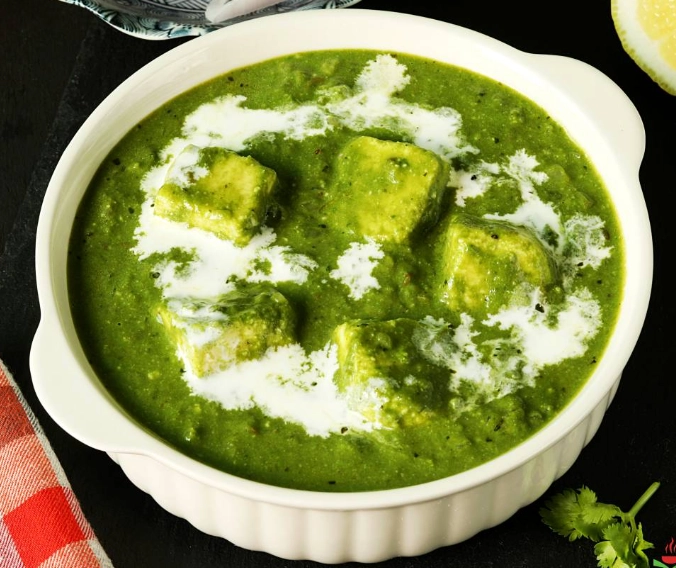
It's not the quickest weeknight dump-and-stir recipe, I'll admit. If you want that, you're better off with a jar of sauce (no judgment!). But if you want that authentic, restaurant-style taste that makes you close your eyes and savor every bite, this is the method. We're going to break down why each step works, so you can own the process.
What You'll Need: The Cast of Characters
Great food starts with great ingredients. You don't need anything wildly exotic here, but quality matters, especially for the main players.
Here's your shopping list, broken down. I find a table helps me visualize everything before I start chopping.
| Ingredient | Quantity | Notes & Why It's Important |
|---|---|---|
| Fresh Spinach (Palak) | 500g (about 1 large bunch) | The star. Baby spinach is ideal for sweetness and tenderness. Avoid pre-washed bags if they look slimy. |
| Paneer | 250g (approx. 9 oz) | Fresh, soft paneer is key. You can find it in blocks at Indian grocers or well-stocked supermarkets. Firm tofu is a poor substitute in my opinion—it lacks the milky richness. |
| Onions | 2 medium, roughly chopped | Forms the flavor base. Yellow or white work fine. |
| Tomatoes | 2 medium, roughly chopped | Adds acidity and body. Use ripe ones for better flavor. |
| Green Chilies | 2-3 (adjust to taste) | For heat. Deseed if you're sensitive. Serrano or Thai green chilies are perfect. |
| Ginger | 1.5-inch piece, peeled | Fresh is non-negotiable. That jarred paste just tastes different. |
| Garlic | 4-5 cloves, peeled | Same as ginger—fresh cloves only. |
| Heavy Cream (or Cashew Paste) | 3-4 tablespoons | For creaminess. Cashew paste (soak 15 cashews, blend smooth) is a fantastic rich, vegan alternative. |
| Spices: Cumin Seeds, Turmeric, Garam Masala, Coriander Powder, Kasuri Methi | See instructions | The soul of the dish. Garam masala is a blend; get a good one from an Indian store. Kasuri Methi (dried fenugreek leaves) is the secret umami bomb—don't skip it. |
| Oil/Ghee | 2-3 tablespoons | Ghee (clarified butter) adds an incredible nutty aroma. Vegetable oil works fine too. |
| Salt | To taste | Essential for bringing all the flavors forward. |
See? Nothing too crazy. The beauty of this Indian palak paneer recipe is in the transformation.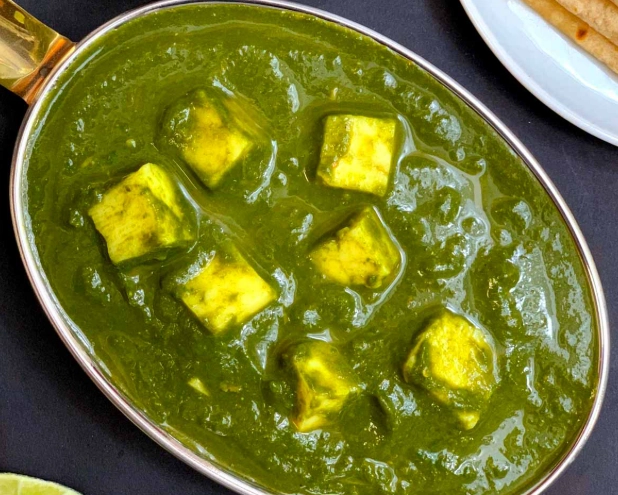
The Step-by-Step: It's All About the Method
Okay, ingredients are prepped. Let's cook. Follow these steps in order—they're designed to build layers of flavor and protect that beautiful green color.
Step 1: The Paneer Prep (Don't Just Dump It In!)
This is the first place home cooks go wrong. Taking cold paneer straight from the packet and plopping it into the gravy is a one-way ticket to Rubber City. Paneer needs a little love first.
Cut your block into 1-inch cubes. Now, you have two good options:
- Pan-Fry: Heat a teaspoon of oil or ghee in a non-stick pan. Gently fry the paneer cubes on medium heat until they get light golden spots on 2-3 sides. This creates a slightly crispy exterior that will hold up in the gravy without dissolving, while keeping the inside soft. It also adds a toasty flavor.
- Soak in Hot Water: If you want to avoid the extra oil, simply place the cubed paneer in a bowl of very hot (not boiling) water for 15-20 minutes. This plumps it up, makes it incredibly soft and tender, and helps it absorb the gravy later.
I usually pan-fry because I like the texture contrast. Set the treated paneer aside.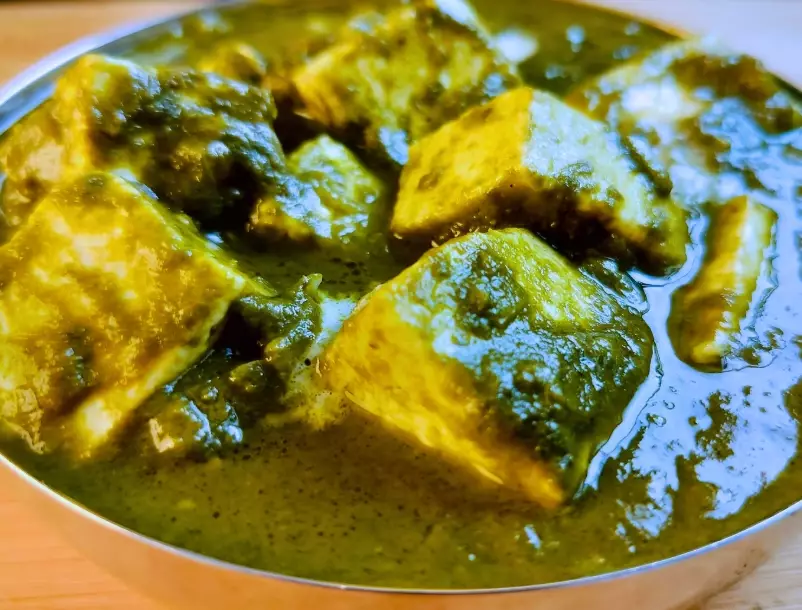
Step 2: Cooking the Spinach – The Color Saver
This is the most critical step for that iconic bright green color. The enemy of green vegetables is long, slow cooking in an acidic environment. We're going to cook the spinach fast and alone.
- Bring a large pot of water to a rolling boil. Add a big pinch of salt.
- Wash your spinach thoroughly—gritty palak paneer is the worst. Submerge the leaves in the boiling water. Literally, count to 30. Thirty seconds. That's it.
- Immediately drain the spinach and plunge it into a bowl of ice-cold water (an "ice bath"). This stops the cooking dead in its tracks, locking in the chlorophyll and that vibrant green.
- Once cool, squeeze out as much water as you can. A little moisture is fine, but you want a fairly dry spinach ball. This concentrated spinach will make your gravy thick, not watery.
Step 3: Building the Flavor Base (The "Masala")
Now for the foundation. Heat 2 tablespoons of oil or ghee in a deep pan or kadai over medium heat. Add 1 teaspoon of cumin seeds and let them sizzle for a few seconds until fragrant.
Add your chopped onions. Cook, stirring occasionally, until they turn soft and translucent. Don't rush to brown them deeply; we want sweetness, not caramelization here. This takes about 6-8 minutes.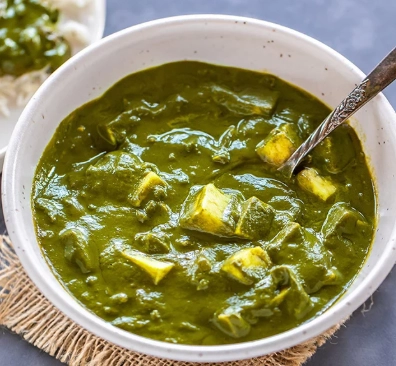
Add the ginger, garlic, and green chilies. Cook for another 2 minutes until the raw smell disappears. Then add the chopped tomatoes, 1/2 teaspoon turmeric, 1 teaspoon coriander powder, and salt to taste. Cook this down until the tomatoes break down completely and the oil starts to separate from the masala. This is a key visual cue in Indian cooking—it means the spices are properly cooked and won't taste raw. It might take 8-10 minutes on medium-low heat.
Step 4: Bringing It All Together
Let the cooked masala cool for a few minutes. Then, transfer it to a blender. Add your blanched, squeezed spinach. Blend until you get a completely smooth, vibrant green puree. You might need to add a tablespoon or two of water to get the blades moving, but be sparing.
Pour this beautiful green puree back into the pan. Rinse the blender with about 1/2 cup of water and add that to the pan too—don't waste any flavor! Bring the gravy to a gentle simmer.
Now, stir in 3-4 tablespoons of heavy cream or your prepared cashew paste. This is what gives palak paneer its luxurious, creamy texture. Finally, add your prepared paneer cubes and 1 teaspoon of crushed kasuri methi. Let it simmer together for just 3-4 minutes so the paneer heats through and absorbs some flavor.
Sprinkle with 1/2 to 1 teaspoon of garam masala, give it one final stir, and turn off the heat. The residual heat will bloom the garam masala without burning it.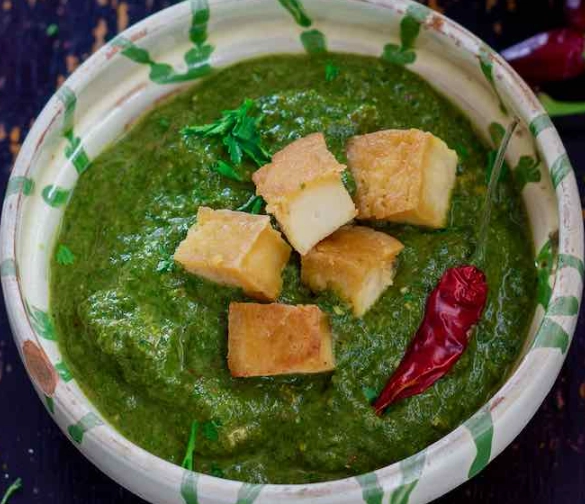
Answering Your Palak Paneer Questions (The Stuff I Googled Too)
Beyond the Basic: Variations to Try
Once you've mastered the classic Indian palak paneer recipe, it's fun to play around.
- Palak Paneer with Corn: Add a cup of sweet corn kernels with the paneer for a pop of sweetness and texture.
- Mushroom Palak Paneer: Sauté some sliced mushrooms until browned and add them in. They add a great meaty texture.
- Spicier Version: Add a chopped red chili or a 1/4 teaspoon of red chili powder to the masala when cooking the tomatoes.
- Low-Fat Twist: Skip frying the paneer (use the hot water soak), use low-fat milk instead of cream, and reduce the oil/ghee by half. It's lighter but still flavorful.
The great thing about this dish is its flexibility. It's a fantastic template.
Serving and Storing Like a Pro
Serve your palak paneer hot. It's not a salad. It craves companionship.
Best Friends: Warm, fluffy naan or buttery roti for scooping. Steamed basmati rice (maybe with a few cumin seeds tossed in) is also classic. A side of tangy pickle or some cooling raita (yogurt with cucumber) balances the meal perfectly.
Storing: It keeps well in the fridge for up to 3 days in an airtight container. The color will darken a bit—that's normal. Reheat gently on the stovetop, adding a splash of water or milk if it's thickened too much. You can freeze it for a month, but the paneer's texture may become a bit spongy upon thawing. The spinach gravy itself freezes beautifully.
The Final Word
Look, there are a hundred Indian palak paneer recipes online. Some are quicker, some have fewer ingredients. This one isn't about shortcuts. It's about understanding the why behind each step—blanching for color, treating the paneer for texture, building the masala base for depth, and finishing with cream and spices for that signature richness and aroma.
It might take you an hour the first time. The second time, it'll be 45 minutes. Soon, you'll be doing it by feel, adjusting the heat to your liking, and maybe even teaching someone else your version of this perfect Indian palak paneer recipe. That's the real goal, isn't it? Not just to follow instructions, but to make a dish your own.
So grab that bunch of spinach. Trust the process. And get ready for the best homemade palak paneer you've ever had.
Discussion