Your Samosa Adventure Guide
- More Than Just a Snack: A Bite of Culture
- Gathering Your Samosa Arsenal: Ingredients & Tools
- Crafting the Perfect Samosa Dough: It's All About Feel
- Building the Flavor Bomb: The Spiced Potato Filling
- The Moment of Truth: Shaping & Filling Your Samosas
- Frying to Golden Perfection: Temperature is King
- Samosa Science: Troubleshooting Your Batch
- Beyond the Classic: Delicious Variations to Try
- Your Samosa Questions, Answered (FAQ)
- Wrapping It Up: Your Path to Samosa Success
Let's be honest. We've all been there. You get a craving for that perfect, triangular pocket of joy – the Indian samosa. Crispy on the outside, soft and spiced within. You might order in, but it's never quite the same as that one you had at a friend's house or from that little street vendor you stumbled upon years ago. And the store-bought frozen ones? Don't even get me started. They're often a sad, soggy imitation.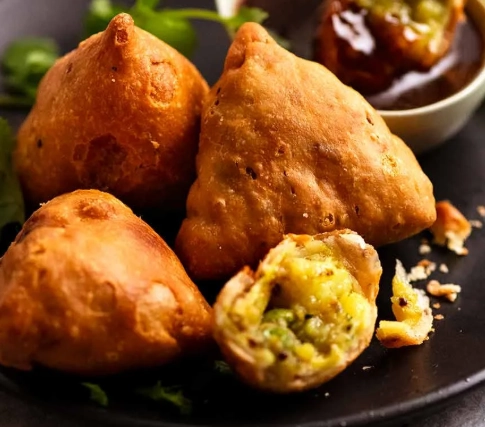
So, you search for an Indian samosa recipe. You find a few, but they seem intimidating. The pastry looks tricky, the folding is an art form, and what if the oil isn't hot enough? You close the tab and order pizza instead.
I did that for years.
But then, during a long lockdown with nothing but time and a serious craving, I decided to crack the code. After many, many batches (some great, some disastrously oily or cracked), I finally pieced together what I believe is a genuinely reliable, authentic-tasting method. This isn't just another recipe list. It's the guide I wish I had. We'll talk about the soul of the filling, the science of the pastry, and all the little tricks that make the difference between good and "oh-my-god-can-I-have-another."
Ready to make your kitchen smell incredible?
More Than Just a Snack: A Bite of Culture
Before we dive into flour and potatoes, it helps to know what we're making. The samosa has a fantastic history, traveling from Central Asia to the Indian subcontinent centuries ago, where it was utterly embraced and transformed. What started as a meat-filled pastry for travelers evolved into the iconic vegetarian version we adore today. It's a staple at every celebration, a beloved street food, and the ultimate comfort snack with a cup of masala chai.
Getting this recipe for Indian samosa right means respecting that heritage. It's not about being perfectly geometric (though we'll try!), but about capturing that essence. The good news? While it requires patience, none of the steps are actually hard. It's a project, a fun one.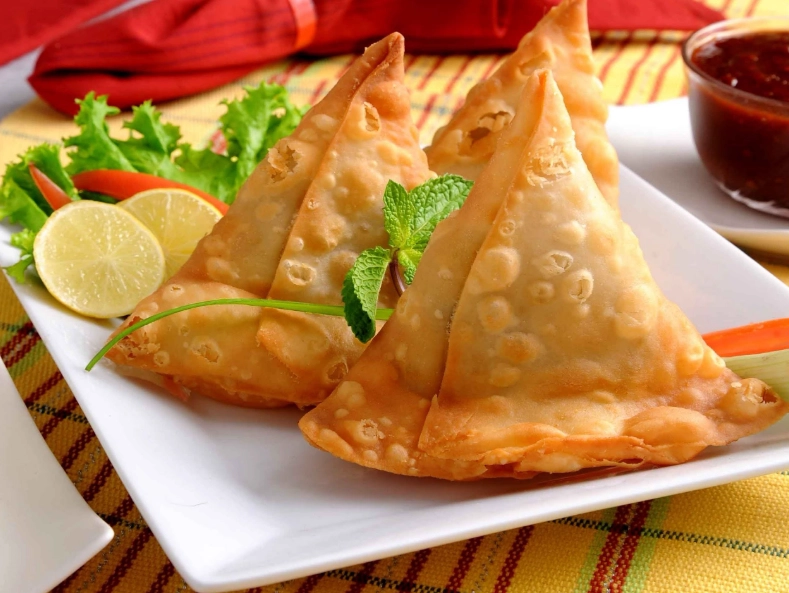
Gathering Your Samosa Arsenal: Ingredients & Tools
First things first. Let's get everything on the counter. The beauty of a classic Indian samosa recipe lies in its simplicity. You probably have most of this already.
The All-Important Pastry (The Samosa Dough)
This is what gives the samosa its signature flaky, crunchy bite. The goal is layers that shatter.
- All-purpose flour (Maida): 2 cups. This is the standard. Some recipes add a bit of whole wheat (atta) for a nuttier flavor and sturdier shell, but for classic flakiness, stick with AP flour.
- Carom seeds (Ajwain): 1 teaspoon. This is non-negotiable for me. Ajwain has a distinct, slightly thymey flavor that is quintessential to samosa pastry. It also aids digestion. If you absolutely can't find it, use half the amount of dried thyme, but it won't be quite the same.
- Salt: 1/2 teaspoon.
- Ghee or neutral oil: 1/4 cup. Ghee (clarified butter) gives unparalleled richness and flavor. Vegetable oil works perfectly fine too. The fat is rubbed into the flour to create those flaky layers.
- Water: About 1/2 cup, ice cold. Cold water prevents the gluten from developing too much, keeping the pastry tender.
The Heart & Soul: The Spiced Potato Filling (Aloo Masala)
This is where you can really make it your own. The base is simple, the spices are everything.
- Potatoes: 3 large (about 500g), starchy like Russets or Yukon Gold. Boil, cool, and cube them. Don't mash them completely; you want texture.
- Green peas: 1/2 cup, fresh or frozen (thawed).
- Oil: 2 tablespoons.
- Whole spices: 1 teaspoon cumin seeds, 1/2 teaspoon fennel seeds (optional but lovely).
- Aromatics: 1 medium onion, finely chopped; 2 green chilies, finely chopped (adjust!); 1-inch ginger, grated; 3-4 garlic cloves, minced.
- Ground spices: The holy trinity. 1 tsp coriander powder, 1/2 tsp cumin powder, 1/4 tsp turmeric powder. Plus, 1/2 tsp garam masala added at the very end.
- Fresh herbs: A big handful of cilantro, chopped.
- Acid: A squeeze of lemon juice or 1/2 tsp dry mango powder (amchur). This brightens everything up.
- Salt to taste.
For frying: Enough neutral oil with a high smoke point (like sunflower, peanut, or canola) to deep fry. You'll need a depth of about 2-3 inches in a sturdy, wide pot or kadai.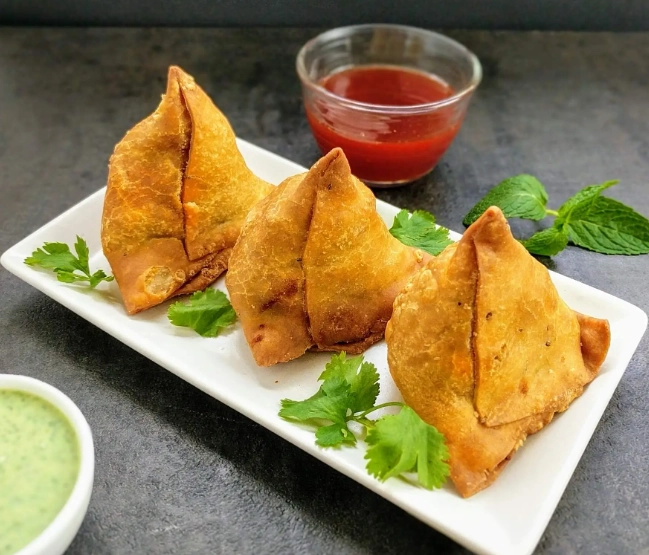
Crafting the Perfect Samosa Dough: It's All About Feel
This step is crucial. A tough dough won't roll well; a soft one will absorb too much oil. We're aiming for firm, smooth, and pliable.
Here's where you need to feel it. Slowly, add the ice-cold water, a few tablespoons at a time. Mix with your hands. The dough will start to come together. You might not need all the water. Stop when you have a dough that is firm, not sticky, and doesn't crack when you press it. It should feel like Play-Doh that's been out for a few minutes.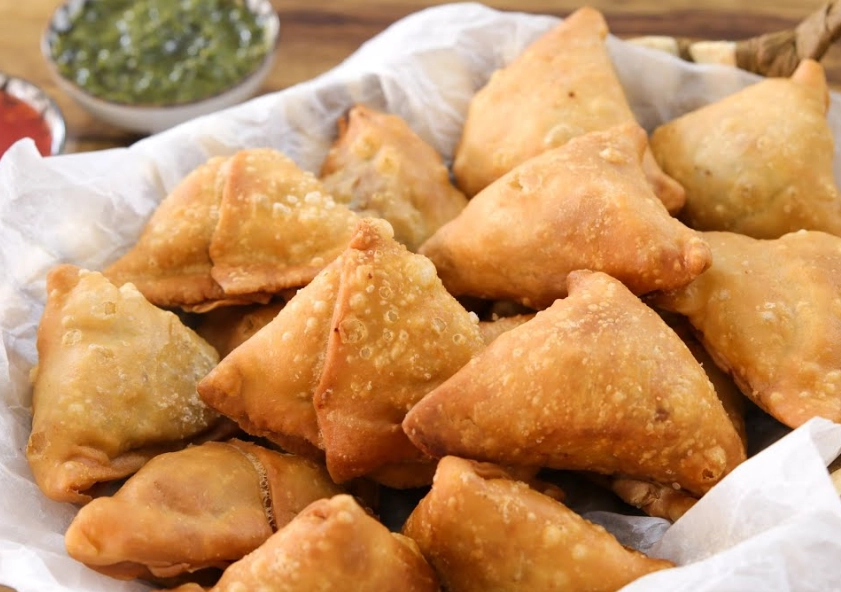
Building the Flavor Bomb: The Spiced Potato Filling
While the dough chills, make the filling. This needs to cool completely before filling, so timing is perfect.
Heat oil in a pan over medium heat. Add the cumin and fennel seeds. Let them sizzle for 10 seconds—that aroma is the start of everything good.
Add the chopped onions. Cook them slowly until they're soft and just starting to turn golden. Don't rush this. Caramelized sweetness is your friend here. Now, add the ginger, garlic, and green chilies. Stir for a minute until the raw smell disappears.
Time for the ground spices: coriander, cumin, and turmeric. Stir them into the onion mixture for about 30 seconds. Toasting the spices in the oil "blooms" them, unlocking their full flavor potential. If the mixture looks too dry, add a tiny splash of water.
Toss in the boiled potato cubes and green peas. Gently mix, trying not to break the potatoes too much. Add salt. Cook for 3-4 minutes, letting the potatoes soak up all those spices. Turn off the heat.
Finally, stir in the garam masala, fresh cilantro, and that squeeze of lemon or amchur powder. Taste! This is your moment to adjust salt or heat. Let this filling cool completely on a plate. A warm filling will steam and make the pastry soggy, and it will be impossible to handle.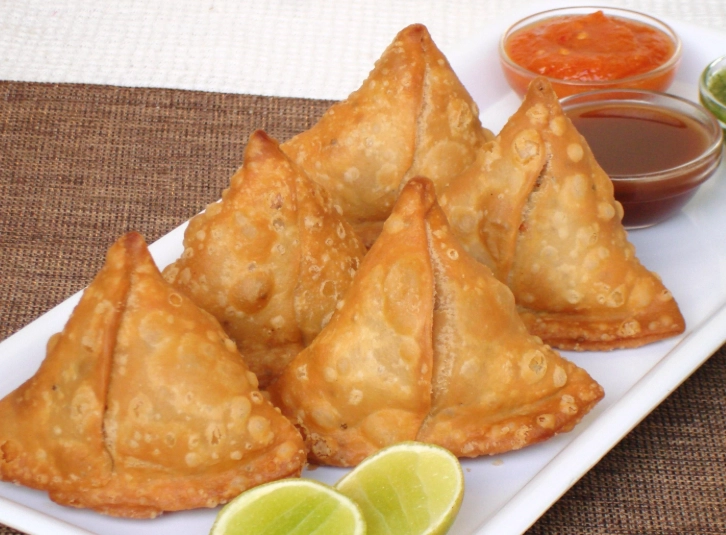
The Moment of Truth: Shaping & Filling Your Samosas
This is the part people find scary. It's really not. Think of it like making a paper cone.
- Divide: Knead the rested dough for 30 seconds. Divide it into 6 equal-sized balls. Keep the ones you're not working with covered.
- Roll: Take one ball. Roll it out on a lightly floured surface into an oval, about 7-8 inches long and 5-6 inches wide. It should be thin, but not see-through thin (about 1.5-2mm thick).
- Cut: Using a knife or a pastry cutter, cut the oval in half, right down the middle. You now have two semi-circles.
- Form the Cone: Take one semi-circle. With the straight cut side facing you, imagine it as a "D" shape. Brush a little water along the straight edge. Now, bring one corner of the straight edge to meet the middle, forming a cone shape. Press the wet seam to seal it. You should have a hollow cone that can stand on its wide base.
- Fill: Hold the cone. Spoon in the cooled potato filling, about 1.5-2 tablespoons. Don't overpack it. Leave a little space at the top.
- Seal: Brush the inside of the open edges with water. Press them together firmly to seal the samosa shut. Pinch the seam to ensure it's tightly closed. You now have a perfect triangular pyramid! Place it on a tray and cover with a cloth. Repeat with the rest.
Your first one might look a little… artistic. That's okay. By the third, you'll have the hang of it. The key is a well-rested dough that's easy to work with.
Frying to Golden Perfection: Temperature is King
This is the final hurdle. Deep-frying can be intimidating, but with the right temperature, it's foolproof.
Choose a wide, heavy-bottomed pot or a deep kadai. Pour in enough oil so your samosas can float with about an inch of space above them. Heat the oil over medium heat.
This is where a thermometer is magic. You want the oil at 325°F (160°C) for the first fry. Too hot, and the outside browns before the inside cooks. Too cool, and they'll soak up oil and become greasy.
No thermometer? Test with a tiny piece of dough. It should sink to the middle, then slowly rise to the top with gentle bubbles. If it sizzles violently and browns instantly, it's too hot.
Gently slide 3-4 samosas into the oil. Don't crowd the pot. Fry them for 6-8 minutes at this lower temperature. They won't get very brown. This is a slow cook to ensure the raw dough inside gets fully cooked through.
Remove them with a slotted spoon and drain on a wire rack. Let all the samosas have this first fry.
Now, increase the heat. Bring the oil temperature up to 350°F (175°C). This is the finishing fry. Fry the samosas again, in batches, for 1-2 minutes until they are uniformly golden brown and incredibly crisp. This double-fry method is the absolute secret to a samosa that stays crispy for hours and isn't oily.
Drain again on the wire rack. Sprinkle with a tiny bit of chaat masala if you like.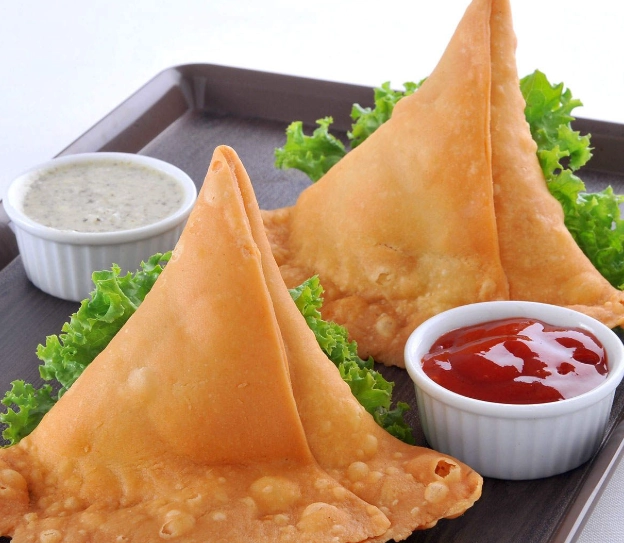
Samosa Science: Troubleshooting Your Batch
Even with the best guide, things can happen. Here’s a quick table to diagnose common how to make samosa at home issues:
| Problem | Likely Cause | How to Fix It Next Time |
|---|---|---|
| Samosas are very hard/tough | Dough was over-kneaded, or not enough fat was used. | Handle dough minimally; ensure proper fat-to-flour ratio. |
| Pastry is soft/soggy after frying | Oil temperature was too low, filling was warm/wet, or single-fry method used. | Use a thermometer, cool filling completely, and always double-fry. |
| Samosas burst open in oil | Seams not sealed properly with water, or over-stuffed. | Be generous with water on seams, and don't overfill the cone. |
| Pastry is pale but cooked | Second fry temperature wasn't high enough. | Ensure oil hits 350°F for the final crisp and color. |
| Filling tastes bland | Spices not toasted enough, or undersalted. | "Bloom" spices in oil for 30 sec; season filling aggressively. |
Beyond the Classic: Delicious Variations to Try
Once you've mastered the classic Indian samosa recipe with potato and peas, a world of fillings opens up. The method stays the same!
- Keema Samosa: A non-vegetarian favorite filled with spiced ground lamb or chicken. A richer, heartier option.
- Paneer Samosa: Replace potatoes with crumbled or small-cubed paneer (Indian cottage cheese). Add some sweet corn for texture.
- Sweet Samosas: Yes, really! Fill with a reduced milk solid (khoya) and nut mixture, or even a coconut and jaggery mix. Deep fry and enjoy as a dessert.
- The "Cheat's" Baked Samosa: For a healthier twist, you can brush the assembled samosas with oil and bake at 400°F (200°C) on a parchment-lined sheet until golden. They won't be as flaky as fried, but they're still delicious. Brush generously with oil for better browning.
I've tried the baked version. It's... fine. It satisfies the craving in a pinch, but it lacks that irreplaceable fried crunch. I see it as a different snack altogether.
Your Samosa Questions, Answered (FAQ)
Wrapping It Up: Your Path to Samosa Success
Look, making samosas from scratch is a commitment. It's not a 20-minute weeknight dinner. It's a weekend project, a fun activity to do with family, or a therapeutic way to spend an afternoon. The process of making the dough, crafting the filling, shaping each piece, and finally frying them is incredibly satisfying.
This authentic Indian samosa recipe breaks down the why behind each step. Once you understand that, you can adapt and make it your own. Remember the key pillars: a rested, fat-rubbed dough; a thoroughly cooled, well-spiced filling; sealed seams; and controlled, double-frying.
The first bite of a homemade samosa, fresh from your own kitchen, is a triumph. It's crisp, it's flaky, it's perfectly spiced. It might not be geometrically perfect, but it will be full of heart and flavor—and honestly, that's what makes the best food.
So, tie on your apron, put on some music, and give it a go. Embrace the mess. And when you pull that first golden batch out of the oil, you'll know it was worth every minute.
Got questions I didn't cover? Struggling with a step? Drop a comment below (well, if this were a real blog!). I'd love to hear about your samosa adventures.
Discussion