Your Cooking Roadmap
Let's be honest. You've probably scrolled past those gorgeous, steaming bowls of butter chicken or biryani on social media more times than you can count. The colors are vibrant, the description promises "easy" and "authentic," and you think, "I could make that." So you click. Maybe it's a blog post, maybe it's a YouTube video. The cook is effortlessly tossing whole spices into hot oil, and they're talking about "tempering" and "bhuna" and you're already lost. The list of ingredients scrolls and scrolls – ginger-garlic paste, garam masala, kasuri methi, asafoetida. Your local supermarket might have one of those, if you're lucky. You close the tab. Maybe Indian food is just for restaurants.
I get it. I was there too. My first attempt at a proper curry was a disaster. I used "curry powder" from a jar, dumped in some chicken and cream, and wondered why it tasted nothing like the food from my favorite takeaway. It was bland, one-dimensional, and honestly, a bit sad. The problem wasn't my desire to cook; it was that I was using the wrong map. I needed a guide, a proper Indian cooking tutorial, not just a list of ingredients.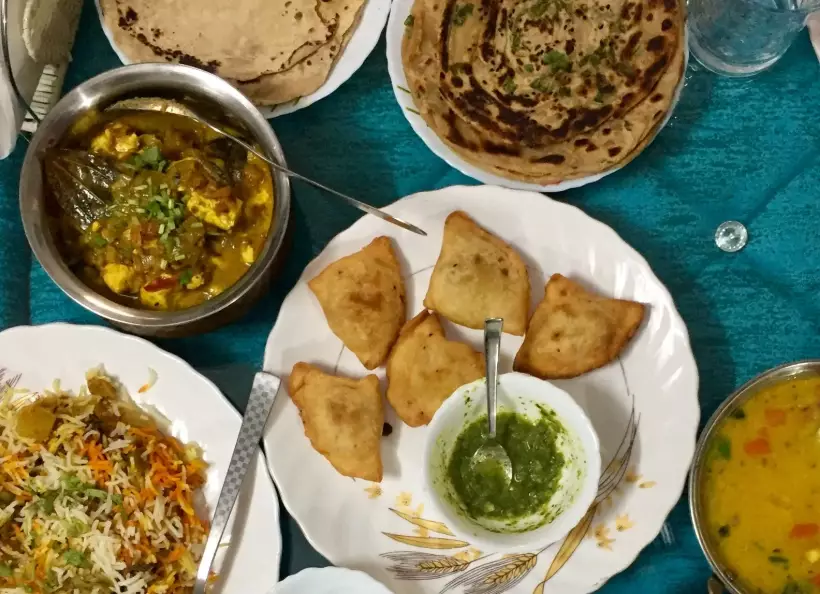
That's why I dove deep into the world of online Indian cooking tutorials. I spent months watching countless hours of video, reading blogs, and even trying a few paid courses. Some were fantastic, breaking down complex dishes into simple steps. Others were frustrating, assuming I had a fully stocked Indian pantry or years of experience. This guide is the result of all that trial and error. Think of it as your curated directory to navigating the vast, sometimes overwhelming, landscape of learning to cook Indian food at home. We'll look at the different types of tutorials, who they're best for, and how to pick the ones that will actually work for your kitchen and your goals.
What Kind of Indian Cooking Student Are You?
Before we jump into the resources, take a second. Why do you want to learn? Your answer will completely change where you should look. Are you an absolute beginner who gets nervous just chopping an onion? Or are you a decent home cook who wants to expand their repertoire into a new cuisine? Maybe you have a specific dish in mind – the perfect dal, or your grandma's old recipe you're trying to recreate.
I made the mistake of starting with a tutorial for a complex Hyderabadi biryani. Layers of marinated meat, partially cooked rice, saffron, the works. It was a seven-step process that took hours. I was exhausted, the kitchen was a war zone, and the result was... okay. It taught me a lesson: match the tutorial's complexity to your current courage level.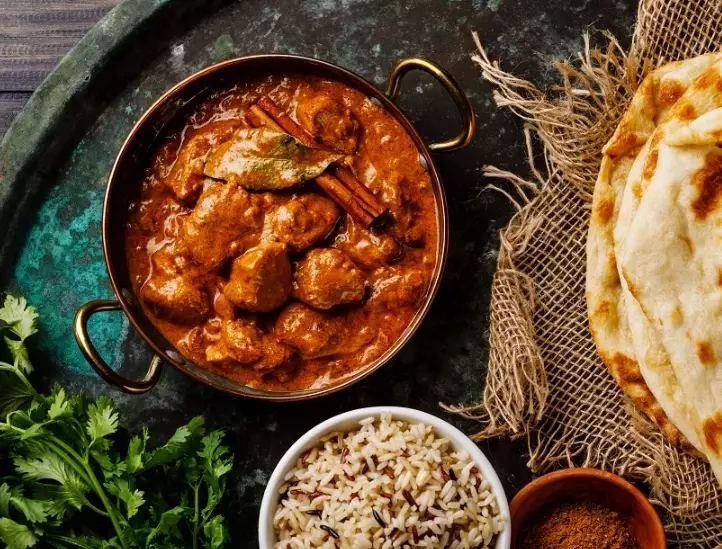
The Landscape of Learning: Free vs. Structured Tutorials
The internet offers two main paths: the vast, free ocean of content (YouTube, blogs, social media) and the more structured, often paid, world of online courses. Both have their place.
The Free Route: YouTube Channels & Food Blogs
This is where most people start, and for good reason. It's immediate, visual, and costs nothing. The quality, however, is a massive mixed bag.
The biggest advantage of video Indian cooking tutorials is seeing the process. You can watch the color change as onions fry, see the consistency of the gravy, and hear the sizzle when spices hit the oil. It's invaluable. Some channels are pure magic. The cook might be a home chef filming in their kitchen, talking you through it like a friend. The downside? The information can be scattered. One video might be brilliant, the next one rushed. There's no curriculum.
Food blogs are different. They often have more detailed written instructions, ingredient notes, and substitution suggestions. A great blog post will tell you what the dish should taste like, what to serve it with, and how to store leftovers. The downside is you have to rely on the photos, and sometimes the author's idea of "simple" might not match yours.
The Structured Route: Online Courses & Digital Cookbooks
If you're serious about building a solid foundation, a paid course can be a fantastic investment. Think of it like taking a class instead of randomly watching educational videos. A good course has a logical progression. It starts with stocking your pantry, moves to basic techniques (making ginger-garlic paste, tempering spices, cooking onions to the right stage), and then builds up to complete dishes.
The value here is in the curated path and, often, direct access to the instructor for questions. You're not just learning recipes; you're learning a system. The downside is the cost, and you need to vet the instructor carefully. Not all paid content is better than free content.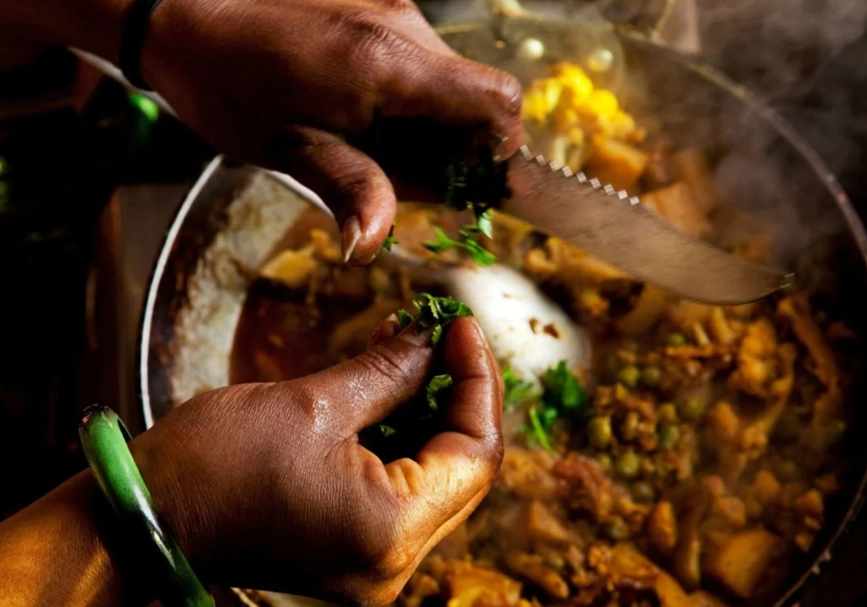
Let's break down the pros and cons of each format in a table, because sometimes you just need to see it side-by-side.
| Resource Type | Best For | Major Pros | Potential Cons |
|---|---|---|---|
| YouTube Channels | Visual learners, getting a feel for techniques, quick inspiration. | Free, immediate, shows process in real-time, huge variety. | Quality varies wildly, ads can interrupt, instructions can be inconsistent or rushed. |
| Food Blogs | Detailed readers, needing substitution ideas, printable recipes. | Often more detailed notes, better for referencing later, great for troubleshooting. | Relies on photos only, can be SEO-heavy with long stories before the recipe. |
| Online Courses (Paid) | Beginners wanting a foundation, those who like structured learning. | Curated progression, often includes foundational lessons, potential for community/Q&A. | Requires financial investment, quality depends entirely on the instructor. |
| Digital Cookbooks/PDF Guides | Having a reliable, ad-free collection of tested recipes. | Portable, usually well-edited and tested, often includes meal plans or guides. | One-time purchase, less interactive than a video course. |
My Personal Shortlist of Go-To Resources
After all my testing, these are the creators and platforms I keep going back to. This isn't an exhaustive list, but these have earned my trust.
YouTube Channels That Feel Like a Cooking Friend
- Your Food Lab: This is my top recommendation for beginners. Sanjyot Keer's energy is infectious, and his instructions are crystal clear. He does a fantastic job of explaining the "why" behind each step. His "Butter Chicken" and "Paneer Butter Masala" tutorials are legendary for a reason – they work. His videos are a masterclass in accessible Indian cooking tutorials.
- Hebbar's Kitchen: If you want sheer volume and reliability, look here. The recipes are straightforward, the videos are short and to the point, and they cover everything from basic snacks to elaborate sweets. I find their South Indian recipes, like dosa and sambar, to be particularly good. It's a no-nonsense, get-the-recipe-done kind of channel.
- Kunal Kapur: For a more chef-driven perspective. He simplifies restaurant-style dishes for the home kitchen. If you want to understand the techniques behind a perfect korma or biryani, his tutorials are excellent. He can get a bit more advanced, so maybe tackle a few basics first.
On the blog side, I consistently find great detail and reliable recipes on Swathi's Ambrosia and Archana's Kitchen. Their instructions are thorough, and they often include step-by-step photos, which is a huge help.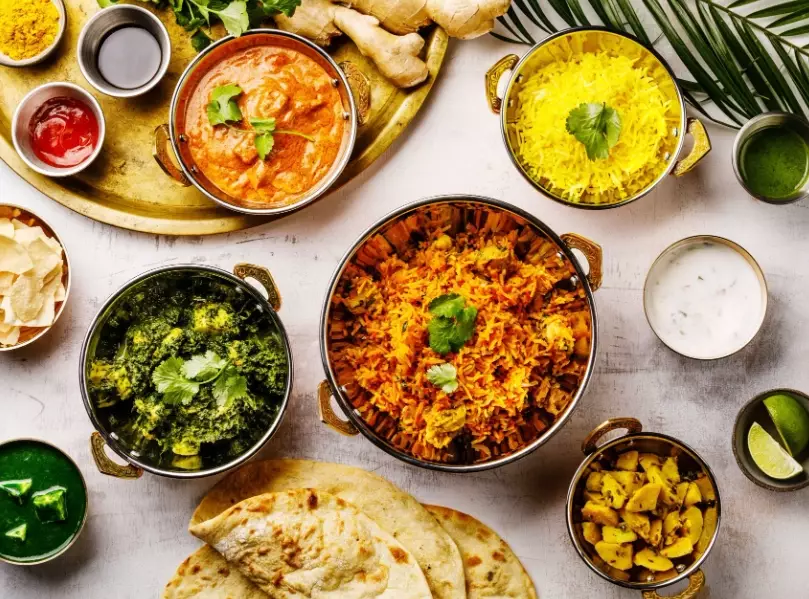
Building Your Foundation: The Non-Negotiables
No matter which Indian cooking tutorial you choose, you'll keep running into the same core concepts. Understanding these will make any tutorial ten times easier to follow.
The Holy Trinity: Onions, Tomatoes, Ginger-Garlic Paste
So many Indian gravies start here. The tutorial will tell you to fry onions until golden brown. Don't rush this. This can take 15-20 minutes on medium heat. If your onions are pale, your gravy will lack depth. Golden brown onions are the flavor base. Then come tomatoes, cooked down until they lose their raw smell and the oil starts to separate from the mixture. This "oil separating" stage is a key visual cue in countless tutorials.
Ginger-garlic paste is another workhorse. You can buy it, but making a fresh batch (equal parts peeled ginger and garlic, blitzed with a little water) is a game-changer. The flavor is brighter and more potent. A great resource that dives deep into this foundational paste is this article from Serious Eats, which breaks down the science of alliums in cooking.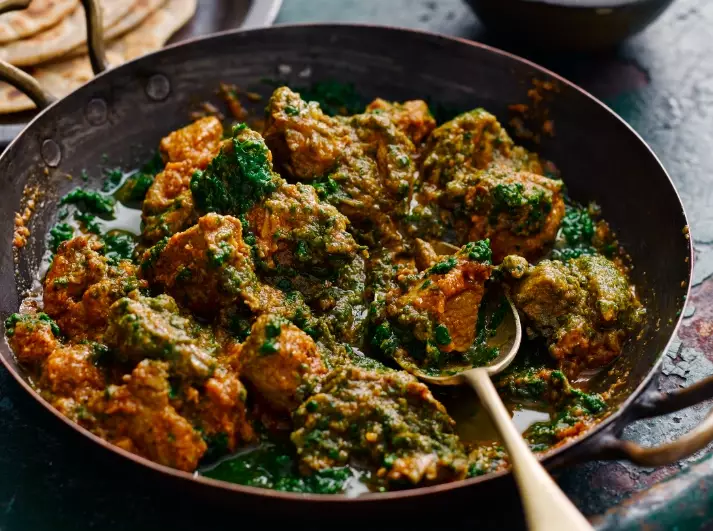
The Spice Dance: Whole vs. Ground, Tempering, and Blooming
This is where most people panic. You don't need every spice in the market. Start with a core set: cumin seeds, mustard seeds, turmeric powder, coriander powder, red chili powder (or Kashmiri chili for color without too much heat), and garam masala. That's enough for dozens of dishes.
You'll see two main uses: tempering (tadka) and blooming. Tempering is when you fry whole spices (like cumin, mustard seeds) in hot oil at the beginning or poured on top at the end. It releases their aromatic oils. Blooming is frying ground spices (like coriander, turmeric) in the oil-onion-tomato mixture for just 30-60 seconds before adding liquid. This cooks out their raw flavor and makes them incredibly fragrant (pro tip: bloom your spices in oil or ghee first for maximum flavor).
For a fantastic, authoritative reference on Indian spices, their uses, and health aspects, the BBC Good Food guide is an excellent place to start. It's well-researched and regularly updated.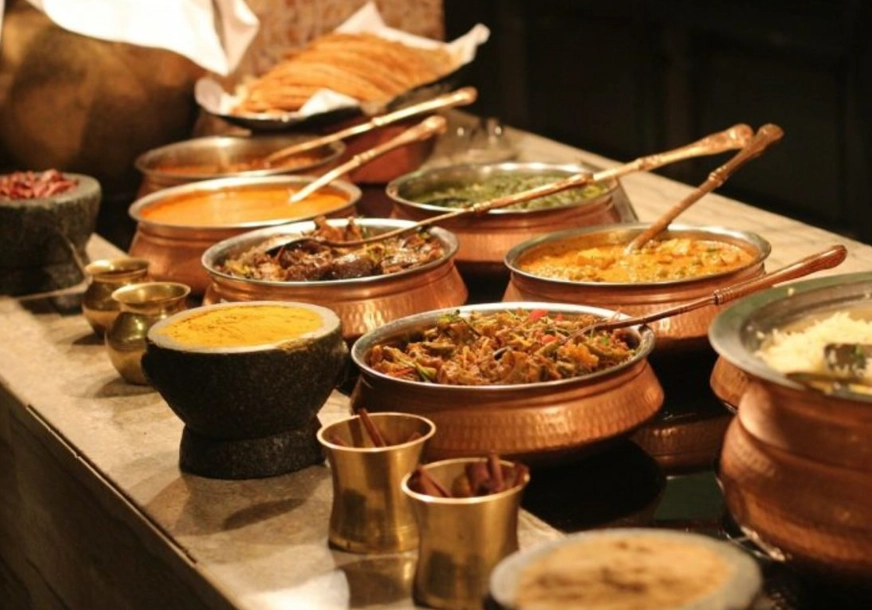
Answering Your Burning Questions (FAQs)
Putting It All Together: Your First Week Plan
Feeling inspired? Don't just bookmark 50 videos. Start small. Here's a simple, almost foolproof plan for your first week.
- Day 1: The Pantry & Prep. Don't cook. Just shop. Get your core spices (cumin seeds, turmeric, coriander powder, red chili powder, garam masala), some basmati rice, lentils (moong dal or masoor dal are forgiving), onions, tomatoes, ginger, garlic, and some chicken or paneer. Make a fresh batch of ginger-garlic paste and store it in the fridge.
- Day 2: Master the Dal. Find a simple "Yellow Dal" or "Dal Tadka" tutorial (Hebbar's Kitchen has great ones). It teaches you how to cook lentils and do a simple tempering (tadka). It's hard to mess up and incredibly satisfying.
- Day 4: A Simple Curry. Try a basic "Egg Curry" or "Paneer Butter Masala" tutorial from Your Food Lab. Focus on the onion-tomato gravy process. Don't worry if it's not perfect.
- Day 6: Rice & Reflection. Cook some plain basmati rice (the absorption method is easy). Eat your creations. What did you like? What confused you? Use those questions to find your next tutorial.
See? It's not about being perfect. It's about getting comfortable. The best Indian cooking tutorials are the ones that make you feel like you can open your cupboard, see some spices and lentils, and think, "I can make dinner from this." That's the real goal. It's a skill that feeds you, literally and figuratively, for a lifetime. So pick one dish that makes you smile, find a tutorial from a source that speaks clearly to you, and just start. Your first attempt might not be Instagram-worthy, but I promise, it will taste better than anything from a jar.
And when you get that first whiff of blooming cumin and coriander in your own kitchen, you'll know exactly what I mean.
Discussion