In This Article
Let's talk about yogurt. Not the sugary fruit-on-the-bottom kind you grab for breakfast, but the thick, tangy, almost magical ingredient that holds entire Indian meals together. I remember the first time I tried to make a proper curry at home. It was a disaster—dry, bland, and just... sad. Then a friend's grandmother, watching my struggle, simply said, "Beta, you forgot the dahi." That was the moment everything changed.
Yogurt in Indian cooking isn't just a garnish or a side. It's a foundational pillar. It tenderizes meat like a dream, adds a creamy richness without heaviness, balances fiery spices with its cool tang, and even acts as a natural thickener. If you've ever wondered why restaurant curries have that complex, rounded flavor and velvety texture you can't quite replicate, the answer often starts with yogurt. This whole journey into Indian yogurt-based recipes is about unlocking that secret.
We're going to move beyond just mixing yogurt into raita (though we'll get to that too). We're diving into the heart of the matter: main dishes where yogurt isn't an afterthought, but the star. The kind of food that feels like a hug. I'll share the recipes that actually work in a home kitchen, not just in a professional one, along with all the little tips and tricks I've learned—often the hard way—to make sure your dishes turn out right every single time.
Why Yogurt? The Science and Soul Behind the Ingredient
Before we get our hands dirty, it helps to know why we're using what we're using. Yogurt's magic is a blend of culture, literally and figuratively. Historically, in a country with a hot climate, fermenting milk into yogurt was a brilliant way to preserve it. But the culinary benefits they discovered are what make it indispensable.
The acidity in yogurt is a game-changer. It breaks down tough muscle fibers in meat, which is why it's the base of virtually every great Indian marinade. Think of it as a natural, flavor-packed meat tenderizer. Compare a chicken breast roasted plain to one marinated in spiced yogurt overnight. The difference isn't subtle; it's transformative. The yogurt-marinated one will be juicier, more flavorful throughout, and have a more appealing texture.
Then there's the thickening power. When you cook yogurt correctly, its proteins coagulate gently, lending body to a sauce. This is crucial for creating those gravies that coat the back of a spoon beautifully, without relying on flour or tons of oil. It also brings a tangy, slightly sour note that cuts through richness and balances the heat from chilies and the warmth from spices like garam masala. It adds a dimension of flavor that cream simply can't.
Quick Tip: The Yogurt Rule of Thumb
For cooking, always use plain, full-fat yogurt. Low-fat or non-fat varieties often contain stabilizers that can make them separate or become grainy when heated. You want the real, unadulterated stuff—the thicker, the better. Greek yogurt can be a good substitute in a pinch, but its thicker texture might require thinning with a tablespoon of water or milk.
But here's the thing not everyone talks about: yogurt has a mind of its own on the stove. It can curdle if you're not careful. That bitter, split mess is a real mood-killer. The key is understanding how to introduce it to heat. You almost never want to add cold yogurt directly to a boiling pot. Tempering is your friend, and we'll cover that in the essential techniques section.
The Foundation: Choosing Your Yogurt & Must-Have Tools
Okay, let's get practical. Walking into a grocery store, the yogurt aisle can be overwhelming. For authentic Indian yogurt-based recipes, your choice matters more than you think.
| Type of Yogurt | Best Used For | Flavor & Texture Notes | My Personal Preference |
|---|---|---|---|
| Whole Milk Plain Yogurt (Standard) | All-purpose: curries, marinades, raitas, drinks. | Balanced tang, creamy but pourable. The reliable workhorse. | My go-to 90% of the time. Look for brands with live cultures. |
| Homemade Dahi / Curd | Everything, especially where a pronounced tang is desired. | Can vary in thickness and sourness. The gold standard for authenticity. | Nothing beats it. If you have an Indian friend who makes it, you're lucky. |
| Greek Yogurt (Full-Fat) | Marinades, thick raitas, dips. Use cautiously in simmering sauces. | Very thick, less tangy, high protein. Can make sauces overly dense. | Great for marinades. For curries, I thin it with a bit of water first. |
| Hung Curd (Chakka) | Dips, kebabs (like seekh kebab), sweets, thickening agent. | Incredibly thick, spreadable, concentrated flavor. | A project, but worth it for specific dishes. Strain regular yogurt overnight. |
As for tools, you don't need anything fancy. A heavy-bottomed pot or kadai is non-negotiable for even heat distribution and preventing the yogurt from scorching. A good whisk is handy for smoothing out yogurt before adding it. And a spice grinder or mortar and pestle for fresh spices will elevate your game from good to "wow, did you make this?"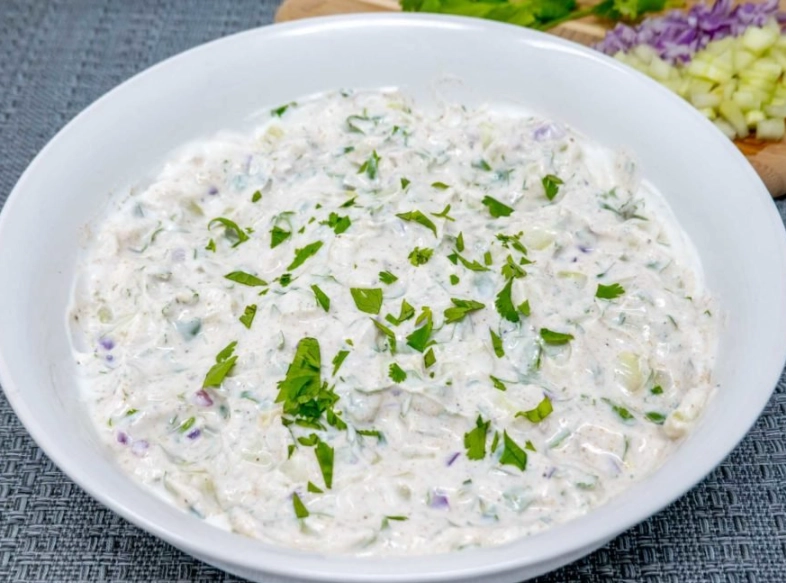
A quick story: I used to buy the cheapest yogurt I could find. My curries were always a bit... watery and lacked depth. Switching to a good-quality, organic whole milk yogurt was a revelation. The sauce clung to the meat better and had a cleaner, richer taste. It's one ingredient where spending a little more makes a visible difference on the plate.
5 Can't-Miss Indian Yogurt-Based Recipes You Need to Master
Here we go. These are the recipes that form the backbone of a weeknight rotation and weekend feasts. They're the ones I make over and over again because they're reliable, delicious, and showcase yogurt in different, beautiful ways.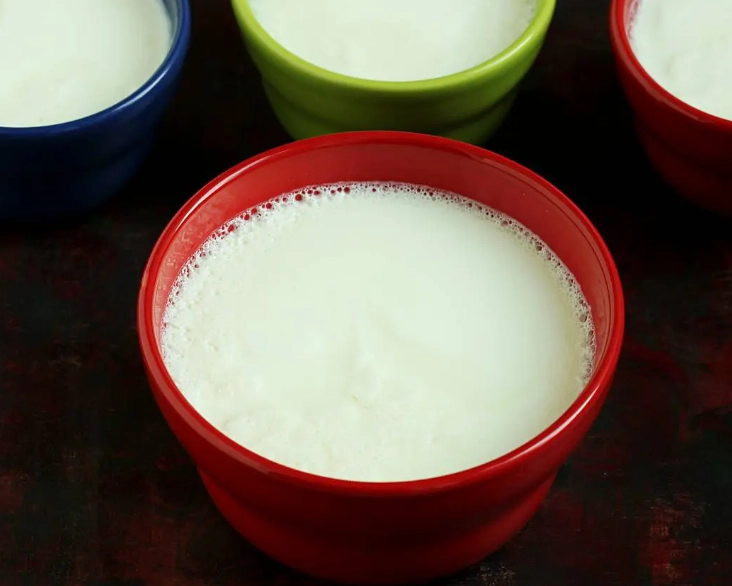
Chicken Tikka Masala (The Crowd-Pleaser)
Yes, it's arguably Britain's national dish, but its roots are in the tandoori tradition, and the marinade is everything. The yogurt here does double duty: it tenderizes the chicken and forms the base of the iconic, creamy orange sauce.
For the Marinade:
- 1.5 lbs boneless chicken (thighs are best), cut into chunks
- 1 cup thick plain yogurt
- 2 tbsp ginger-garlic paste
- 1 tbsp Kashmiri red chili powder (for color, not extreme heat)
- 1.5 tsp garam masala
- 1 tsp turmeric
- 1 tsp salt
- Juice of 1 large lemon
The Method: Whisk the marinade ingredients until smooth. Add the chicken, coat thoroughly, cover, and refrigerate for at least 4 hours, ideally overnight. The longer, the better. You can grill, broil, or pan-fry the chicken pieces until charred in spots and cooked through. For the sauce, sauté onions, ginger, garlic, and spices like cumin, coriander, and paprika. Add tomato puree, cook down, then stir in another 1/2 cup of yogurt, a bit at a time, to create a luxuriously creamy gravy. Finish with the cooked chicken, a splash of cream (optional, but traditional), and fresh cilantro.
Why it works: The yogurt's acidity breaks down the chicken proteins, resulting in incredibly tender, flavorful bites. In the sauce, it provides a tangy backbone that balances the tomatoes and cream.
Lamb or Goat Rogan Josh (The Hearty Classic)
This Kashmiri dish is all about deep, slow-cooked flavor and a vibrant red color. Yogurt here isn't just a marinade; it's the primary liquid for braising the meat, making the gravy rich and complex without being overly heavy.
Brown chunks of lamb shoulder in hot oil. Remove, and in the same pot, fry whole spices (bay leaves, cardamom, cloves, cinnamon) until fragrant. Add a paste of onions, ginger, and garlic. Now, here's the critical step for any Indian yogurt-based recipe where yogurt is added to a hot pot: lower the heat. Take the pot off direct flame if you're nervous. Whisk your yogurt until completely smooth, then add a spoonful at a time to the onion mixture, stirring constantly until it's fully incorporated before adding the next spoonful. This prevents curdling. Once all the yogurt is in, add back the meat, ground coriander, cumin, and Kashmiri chili powder. Add just enough water to cover, bring to a simmer, cover, and cook low and slow until the meat is fall-apart tender. The yogurt will have melted into the sauce, creating a velvety, aromatic gravy.
Kadhi (The Comforting Stew)
This is a gem often overlooked outside of Indian homes. Kadhi is a savory, soupy stew where spiced, chickpea flour (besan)-thickened yogurt is the main event, often with vegetable fritters (pakoras) dropped in. It's tangy, soothing, and usually served with rice.
Whisk together 1 cup yogurt, 3-4 tbsp besan, turmeric, salt, and a little water into a smooth, lump-free batter. In a pot, heat ghee or oil, add mustard seeds, cumin seeds, dried red chilies, and curry leaves—let them crackle. Carefully pour in the yogurt-besan mixture, whisking constantly. Add more water to reach a soupy consistency. Bring to a gentle simmer (never a rolling boil) and cook for 15-20 minutes, stirring occasionally, until the raw taste of the besan is gone and the kadhi has thickened slightly. The besan stabilizes the yogurt, preventing any chance of splitting. Drop in some onion or spinach pakoras at the end for a complete meal.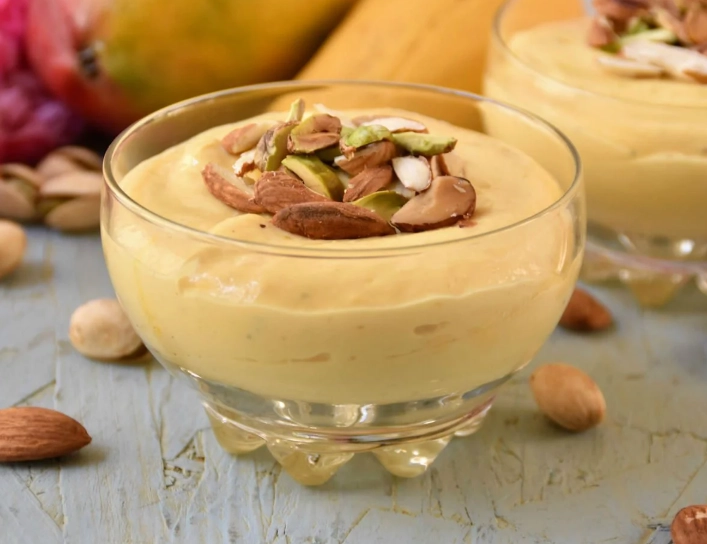
Watch Out: The Curdling Point
This is the single biggest fear when cooking with yogurt. If your sauce looks grainy or has separated, you've likely added the yogurt to heat that's too high or too fast. Solution: Always take the pot off the heat or reduce it to the lowest setting. Whisk your yogurt until it's completely smooth and room temperature. Add it a spoonful at a time, stirring vigorously until fully blended. A tiny pinch of besan (chickpea flour) mixed into the yogurt before adding can also act as a stabilizer. If it does curdle slightly, don't panic. Sometimes blending the sauce with an immersion blender can save it.
Boondi Raita (The Essential Cool-Down)
No list of Indian yogurt-based recipes is complete without raita. It's the cooling counterpart to any spicy meal. While cucumber raita is common, Boondi Raita is my personal favorite for its textural fun. Boondi are tiny, fried chickpea flour pearls.
Whisk 2 cups of cold, thick yogurt until smooth. Season with roasted cumin powder, black salt (kala namak, for that distinctive eggy flavor), regular salt, and a pinch of chili powder. Add a handful of fine boondi (available at Indian stores), some chopped cilantro, and maybe a dash of chaat masala. Let it sit for 10 minutes—the boondi will soften slightly but retain a pleasant bite. The yogurt soaks into them, creating little flavor bombs.
Mango Lassi (The Sweet Finish)
We started with savory, let's end with sweet. A lassi is a yogurt-based drink that can be salty or sweet. The mango version is a classic for good reason—it's like sunshine in a glass.
In a blender, combine 1 cup chopped ripe mango (fresh or frozen), 1 cup plain yogurt, 1/2 cup cold milk or water, 1-2 tablespoons of honey or sugar (adjust to taste), and a pinch of cardamom powder. Blend until silky smooth. Pour into a tall glass, maybe top with a sprinkle of cardamom or a pinch of saffron threads soaked in a tablespoon of warm milk. It's refreshing, filling, and the perfect way to end a spicy meal or cool off on a hot day. For a more traditional take on yogurt drinks, you can explore resources like the Ayurveda.com website, which discusses the health and digestive benefits of traditional preparations like lassi and buttermilk (chaas) in Ayurvedic practice.
Seriously, if you try only one thing from this list, make it a lassi. It's foolproof and instantly rewarding.
Level Up: Pro Techniques & Answering Your Questions
You've got the recipes. Now let's dig into the "how" and "why" to make sure you succeed. I've gotten tons of questions from friends and readers over the years, so I'll tackle the most common ones here.
The Art of the Marinade
Why marinate in yogurt? It's not just flavor, it's science. The lactic acid and enzymes in yogurt gently break down protein strands. For the best results, always make deep cuts in the meat (especially chicken or lamb) to let the marinade penetrate. Don't be shy with the salt in the marinade—it helps with seasoning all the way through. And time is your best friend. A 30-minute marinade is okay, but overnight? That's where the magic happens. The meat absorbs all the spices and becomes unbelievably tender.
Preventing the Dreaded Curdle
We touched on it, but it's so important it deserves its own recap. The three golden rules: 1) Room temp yogurt: Take it out of the fridge 20-30 minutes before using. 2) Low and slow heat: Never add to a raging boil. 3) Gradual addition: A spoonful at a time, mixing thoroughly. If you're still nervous, the besan trick (a teaspoon whisked into the yogurt) is a fantastic safety net for curries.
FAQs: Your Burning Questions, Answered
My two cents: Don't be afraid to experiment. Once you get the basic technique down—how to work with the yogurt without it curdling—you can start playing with spices. Add a pinch of fenugreek leaves (kasuri methi) at the end for a haunting aroma. Bloom your whole spices in hot oil at the beginning. Toast and grind your own cumin and coriander seeds. These little steps elevate your Indian yogurt-based recipes from home-cooked to restaurant-quality.
Wrapping It Up: Your Yogurt Journey Starts Now
Look, I get it. Trying a new cuisine or technique can feel intimidating. I had my share of split sauces and bland curries. But understanding the role of yogurt—this humble, fermented dairy product—was the key that unlocked a world of flavor for me.
It's more than just an ingredient; it's a technique, a tenderizer, a flavor balancer, and a tradition. Whether you're simmering a hearty lamb rogan josh, whisking up a cooling raita, or blending a sweet mango lassi, yogurt is your secret weapon for creating authentic, satisfying Indian food at home.
So, grab a tub of good whole-fat yogurt, pick a recipe from this list (I'd recommend starting with the Chicken >> or the Lassi >> if you're a beginner), and just give it a try. Don't worry about getting it perfect; just get it cooked. The first time you taste the rich, creamy, tangy broth of a soup, you will be able to see the image of the image, and the image will be used to create a new image. I promise you, it's worth the effort.
Happy cooking!
Discussion