Your Quick Guide
Let's be honest. The idea of cooking Indian food can feel a bit intimidating. All those spices, the long lists of ingredients, the fear of ending up with a bland curry or, worse, something that just tastes... wrong. I get it. I've been there. The first time I tried to make a proper dal, it was so watery my spouse politely asked if it was "spiced lentil soup." Not a great start.
But here's the secret I learned after a lot of trial and error (and a few more questionable meals): authentic Indian vegetarian cooking doesn't have to be complex. At its heart, it's about simple, wholesome ingredients transformed by a handful of key spices. You don't need a pantry that looks like a spice market. You just need to know where to start.
That's what this guide is for. We're cutting through the overwhelm and getting straight to the good stuff—simple vegetarian Indian recipes that are genuinely easy, surprisingly quick, and packed with the flavors you love from your favorite restaurant. Whether you're a complete beginner or just looking to expand your meat-free Monday repertoire, these dishes are your ticket.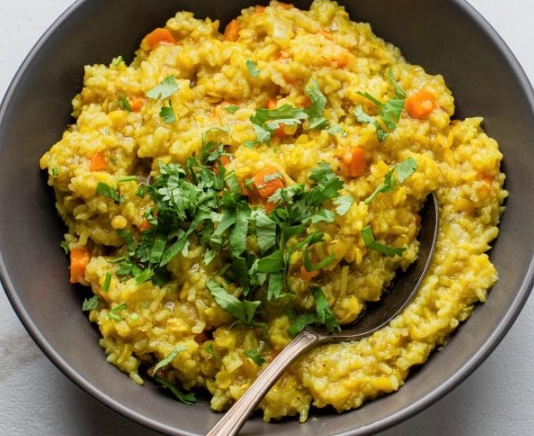
Before You Start: Your Simple Indian Kitchen Toolkit
You don't need specialized gear. A few basics will get you 90% of the way.
A good, heavy-bottomed pot or pan is non-negotiable. It distributes heat evenly, which is crucial when you're tempering spices. A thin pan will burn your cumin seeds in seconds, and that bitter taste ruins everything. I learned that the hard way with a cheap skillet I had in college.
For spices, a small coffee grinder dedicated to spices is a game-changer for freshness, but it's not essential for beginners. Pre-ground is absolutely fine to start. The real essentials? Think of your spice cabinet in two groups:
The Absolute Must-Haves (The "Holy Trinity")
- Ground Turmeric (Haldi): Earthy, slightly bitter, and gives that iconic golden color. Don't go overboard—a teaspoon is plenty for most dishes.
- Ground Cumin (Jeera): Warm, nutty, smoky. The backbone flavor for countless simple vegetarian Indian recipes.
- Coriander Powder (Dhania): Citrusy, floral, and slightly sweet. It balances the heat and earthiness of other spices.
With just these three, you can make a huge variety of basic curries and dals.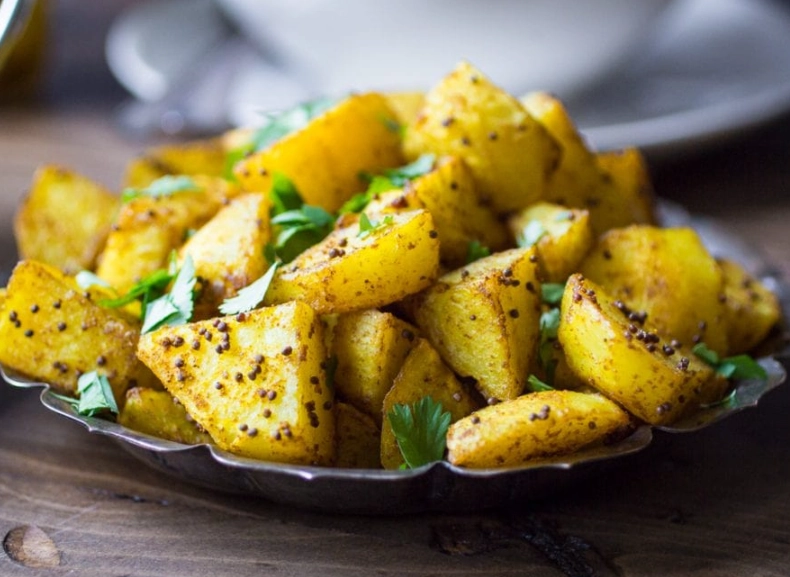
The Next-Level Flavors (The "Game Changers")
- Garam Masala: A warming blend of spices like cardamom, cinnamon, and cloves. Add it at the end of cooking for maximum aroma.
- Whole Cumin & Mustard Seeds: For "tadka" or tempering—sizzling them in hot oil to release their fragrance before adding other ingredients. This one technique elevates a dish instantly.
- Red Chili Powder or Paprika: For heat and color. Kashmiri red chili powder gives vibrant color without brutal heat.
See? Not so scary. You might have half of these already.
5 Foolproof Simple Vegetarian Indian Recipes to Master First
These aren't just easy. They're the classics for a reason—delicious, forgiving, and the foundation for a hundred other dishes.
| Recipe | Key Flavor | Prep Time | Why It's Great for Beginners |
|---|---|---|---|
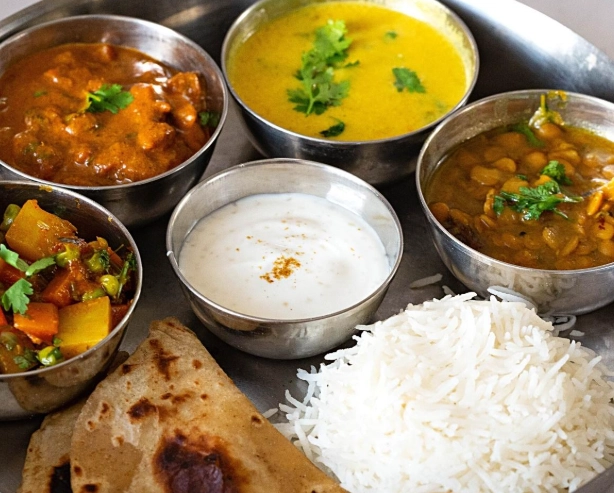
| 1. Classic Yellow Dal (Moong Dal) | Comforting, earthy, creamy | ~30 mins | One-pot meal, hard to overcook, teaches you the base technique for all lentil dishes. |
| 2. Simple Aloo Gobi (Potato & Cauliflower) | Hearty, spiced, satisfying | ~35 mins | Uses common veggies, dry curry style means less worrying about gravy consistency. |
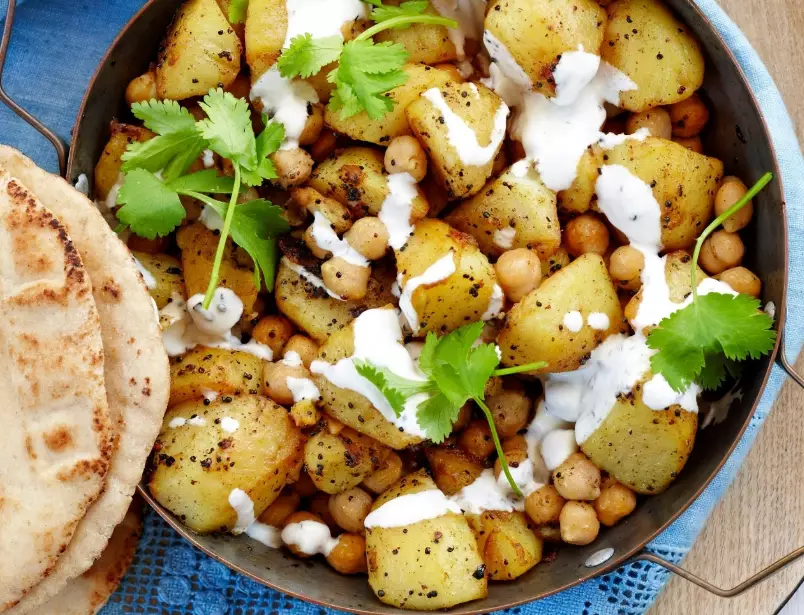
| 3. Quick Chickpea Curry (Chana Masala) | Tangy, robust, protein-packed | ~20 mins | Uses pantry-stable canned chickpeas, flavor develops quickly, incredibly versatile. |
| 4. Spinach & Paneer (Saag Paneer Simplified) | Creamy, mildly spiced, rich | ~25 mins | Introduces you to paneer (which doesn't need cooking, just warming) and blending greens. |
| 5. Jeera Rice (Cumin Rice) | Fragrant, buttery, simple | ~20 mins | Turns basic rice into something special with one spice. The perfect side. |
Let's break down two of these in detail, so you can see just how straightforward the process is.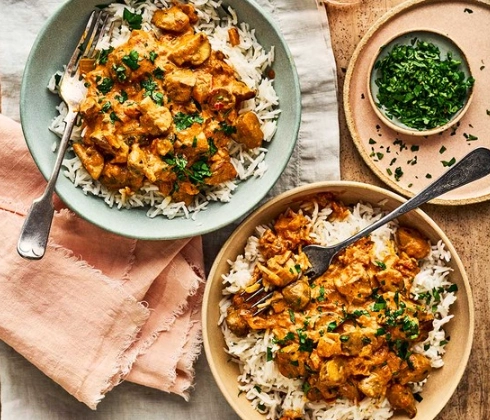
Deep Dive: The Ultimate Beginner's Yellow Dal
This is the ultimate comfort food. If you only learn one of these simple vegetarian Indian recipes, make it this one. It's forgiving, nourishing, and the template for so many other lentil dishes.
You'll need:
- 1 cup split yellow moong dal (or red lentils/masoor dal—they cook even faster)
- 1 medium tomato, chopped
- 1 small onion, finely chopped
- 2 cloves garlic, minced
- 1-inch ginger, grated
- 1 tsp turmeric powder
- 1.5 tsp cumin powder
- 1.5 tsp coriander powder
- Salt to taste
- For the tempering (tadka): 2 tbsp ghee or oil, 1 tsp cumin seeds, 1 dried red chili, a pinch of asafoetida (hing, optional but great for digestion).
Now, the method. It's almost too easy.
First, rinse the dal in a few changes of water until it runs clear. This is important—it removes any dust and stops it from getting foamy. Throw it in your pot with 3 cups of water, the turmeric, and a pinch of salt. Bring it to a boil, then simmer for 20-25 minutes until it's soft and mushy. You can mash it a bit with the back of a spoon. If it looks too thick, add a splash of hot water.
While that's cooking, heat the ghee or oil in a small pan. Add the cumin seeds and let them sizzle for about 10 seconds—they should darken a shade and smell amazing. Then add the dried red chili and asafoetida if using. Swirl it for another 5 seconds and immediately pour this entire sizzling mixture into the cooked dal.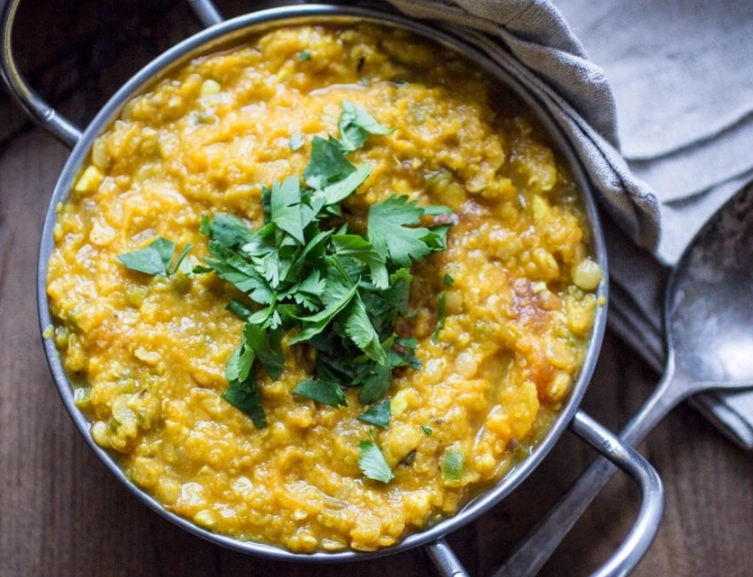
Stir it all together. Taste. Add salt. That's it. You have a perfect, authentic dal. Serve it with rice or roti. The whole process is meditative and simple. For a more detailed, traditional approach to dal and its variations, the BBC Good Food collection on dal recipes is a fantastic, trusted resource that aligns with this simple philosophy.
Deep Dive: 20-Minute Chickpea Curry (Chana Masala)
This is the king of quick, pantry-based dinners. It's hearty, packed with protein, and the tang from the tomatoes is just incredible.
Grab:
- 2 cans (15 oz each) chickpeas, drained and rinsed
- 1 can (14 oz) crushed tomatoes
- 1 large onion, finely chopped
- 2-3 cloves garlic, minced
- 1-inch ginger, grated
- 1 green chili, slit (optional, for heat)
- 1.5 tsp cumin powder
- 1.5 tsp coriander powder
- 1 tsp turmeric powder
- 1 tsp garam masala (added at the end!)
- 1 tsp dry mango powder (amchur) or a big squeeze of lemon juice
- Salt to taste
- Fresh cilantro for garnish
Heat some oil in your pan. Cook the onions on a medium heat until they're soft and golden brown. This is key—don't rush it. Caramelized onions are the flavor foundation. Then add the ginger, garlic, and green chili. Cook for another minute until the raw smell disappears.
Now, add all your ground spices except the garam masala. Stir for 30 seconds. This "blooms" the spices in the oil, waking up their flavors. Immediately add the crushed tomatoes. Cook this masala base for 5-7 minutes, until the oil starts to separate from the sides. You'll see little droplets of oil around the edges. That's what you want.
Add the chickpeas and about half a cup of water. Simmer for 10 minutes, letting the chickpeas soak up all that gorgeous flavor. Now, turn off the heat. Stir in the garam masala and the amchur or lemon juice. The residual heat will release the garam masala's aroma without burning it. Garnish with cilantro. Done.
Serve with jeera rice or naan. It's restaurant-quality, but you made it in the time it takes to watch a sitcom. For those interested in the nutritional aspects and broader context of plant-based eating in India, the National Institutes of Health (NIH) has published research on traditional Indian diets and health, which often highlights the benefits of these legume-based dishes.
Answering Your Questions About Simple Indian Cooking
Building Your Skills: Where to Go From Here
Once you're comfortable with these simple vegetarian Indian recipes, the whole world opens up.
Try a variation. Add some chopped spinach to your yellow dal in the last 5 minutes of cooking. Toss some green peas into your aloo gobi. Use black beans instead of chickpeas in the curry (sounds weird, tastes fantastic).
Your "Next Step" Recipe Challenge
Ready to level up slightly? Try a Rajma (kidney bean curry). It follows the exact same process as the chana masala, just with kidney beans and a slightly longer simmer. It's a north Indian classic that's pure comfort.
Remember, the goal isn't perfection. It's getting a tasty, satisfying meal on the table that makes you feel good. Indian home cooking is generous and adaptable. It's about feeding people, not winning awards.
So, pick one recipe from the list above. Gather your spices. Put on some music. And just start. You might burn a cumin seed or two. Your first roti might look like a map of a strange country. It doesn't matter. You'll be eating something delicious that you made with your own hands, and that's always a win.
What are you waiting for? Your kitchen is about to smell amazing.
Discussion