Let's be honest. Most homemade idlis are a disappointment. They come out dense, sour, or worse, stick to the plate like glue. You followed a recipe, but something felt off. The truth is, making the best Indian idli isn't just about mixing rice and lentils. It's a subtle dance of ratios, timing, and technique that most quick guides gloss over. After a decade of perfecting this in my own kitchen (and eating my share of hockey pucks), I've nailed down a method that delivers cloud-soft, melt-in-your-mouth idlis every single time. This isn't just another recipe; it's the definitive guide that fills the gaps everyone else leaves out.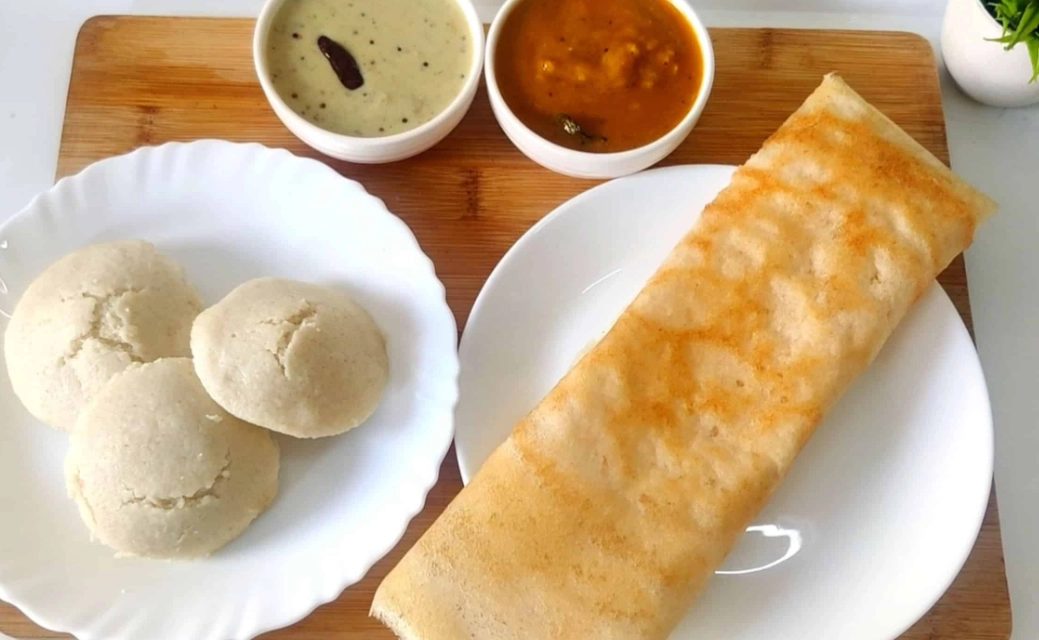
What's Inside This Idli Masterclass?
- The Non-Negotiable Ingredients & Tools
- How to Achieve the Perfect Idli Batter Consistency?
- The Fermentation Secrets No One Talks About
- The Steaming Technique That Makes All the Difference
- What Are the Common Idli Mistakes and How to Fix Them?
- Serving, Storing, and Next-Day Hacks
- Your Idli Questions, Expertly Answered
The Non-Negotiable Ingredients & Tools
Skip this part, and you're setting yourself up for failure. You can't make a Ferrari with bicycle parts.
Idli Rice vs. Regular Rice: This is the first big mistake. Idli rice (parboiled rice, like Ponni or Sona Masoori) is starchier and softer than basmati. It creates the signature soft, spongy texture. Using basmati will give you a grainy, separate feel. If you can't find idli rice, a mix of regular parboiled rice and a handful of beaten rice (poha) works as a great substitute.
Urad Dal (Black Gram): Get the whole, skin-on urad dal. The skin adds to the fermentation. Split, skinless urad dal won't give you the same volume or structure. A study published in the Journal of Food Science and Technology highlights the crucial role of urad dal's protein and fiber in creating the idli's airy network during fermentation.
The Ratio is Sacred: Forget the 4:1 rice-to-dal ratio you see everywhere. For the fluffiest idlis, I swear by a 3:1 ratio (3 cups idli rice to 1 cup urad dal). The higher proportion of dal gives more protein for the bacteria to feast on, resulting in better aeration. Add 1/2 cup of thick poha (flattened rice) to the rice while soaking for extra softness.
Tools You Actually Need: A good wet grinder is the gold standard—it generates less heat, preserving the bacteria needed for fermentation. But a powerful blender works fine. Just pulse in short bursts and keep the jar cool. You'll also need a large ceramic or steel vessel for fermenting (plastic can sometimes hinder the process) and a proper idli steamer with plates. Don't try to improvise with a regular pot and plate; steam circulation is key.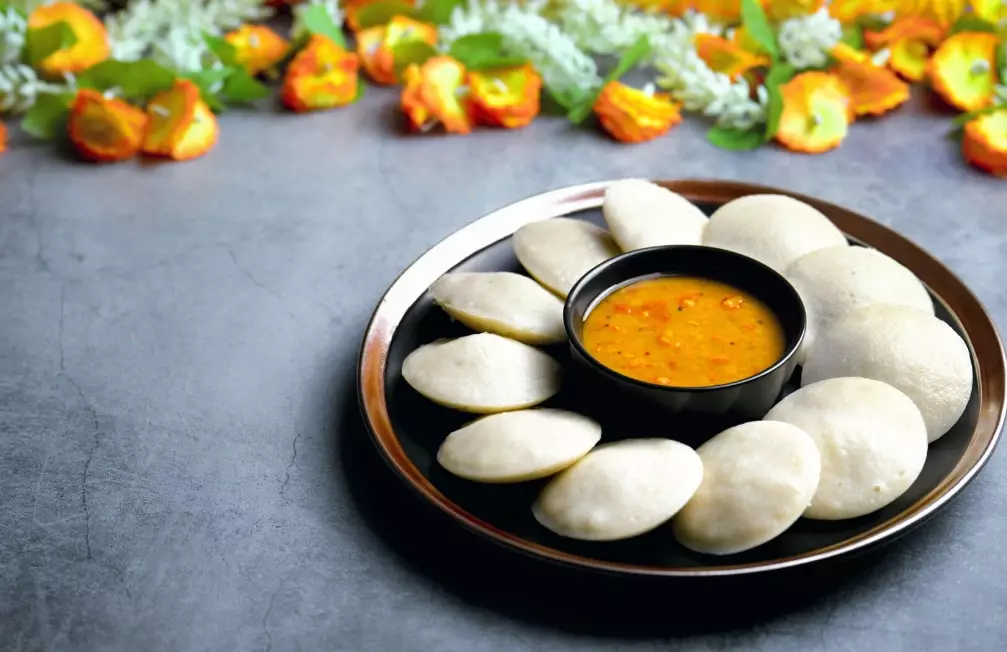
How to Achieve the Perfect Idli Batter Consistency?
This is where 90% of idlis go wrong. The batter shouldn't be a smooth paste or a watery soup.
Soaking: Soak the rice and dal separately for minimum 4 hours, ideally 6. The dal needs longer to soften fully. I add a teaspoon of fenugreek seeds to the dal—it aids fermentation and adds a subtle, complex flavor.
Grinding Order: Always grind the dal first. Grind it with just enough water to get a thick, fluffy paste that forms soft peaks. This incorporates air. Then, grind the rice and poha to a slightly grainy consistency, like fine sand. Over-grinding the rice releases too much starch, leading to dense idlis.
The Final Mix: Combine the two batters in your large fermentation vessel. Add salt (about 1.5 tsp per cup of dal used). Now, the crucial part: mix by hand. Seriously. The warmth and motion from your hand kickstart the fermentation process better than any spoon. Mix for a good 3-4 minutes in one direction until it's fully incorporated.
The ideal consistency? It should be thick, like a cake batter, but pourable. When you drop a spoonful, it should hold its shape briefly before slowly settling. If it's runny, add a bit of fine semolina (rava). If it's too thick, sprinkle in a tablespoon of water.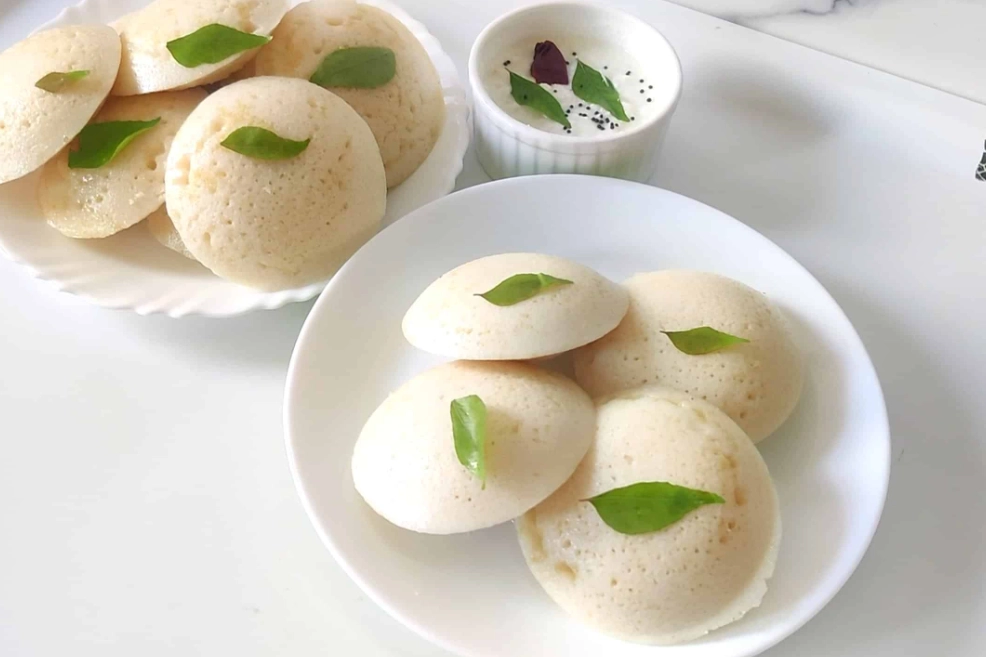
The Fermentation Secrets No One Talks About
Fermentation isn't just waiting; it's creating the perfect environment. This is the soul of the idli.
Temperature is Everything: The ideal temperature is between 25°C to 32°C (77°F to 90°F). In colder climates, your batter will simply sit there. Here are your lifelines:
- Oven with Light On: The pilot light or the heat from the interior light creates the perfect warm box.
- Microwave Hack: Heat a large glass of water for 2 minutes until boiling. Place the water glass and your batter bowl (covered) inside the microwave and shut the door. The trapped steam and residual heat work wonders.
- Instant Pot Yogurt Setting: If you have one, this is a foolproof method.
How Long is Long Enough? Don't go by the clock; go by the batter. It should almost double in volume and be filled with tiny bubbles. You should see a spongy, aerated texture when you scoop it. In summer, this can take 8-10 hours. In winter, it might need 14-16. A slight tangy aroma is good, but if it smells strongly sour, it's over-fermented.
The Fold, Don't Stir Rule: Once fermented, never aggressively stir the batter. You'll deflate all those precious air bubbles. Gently fold it from the bottom up, just to mix any separated water.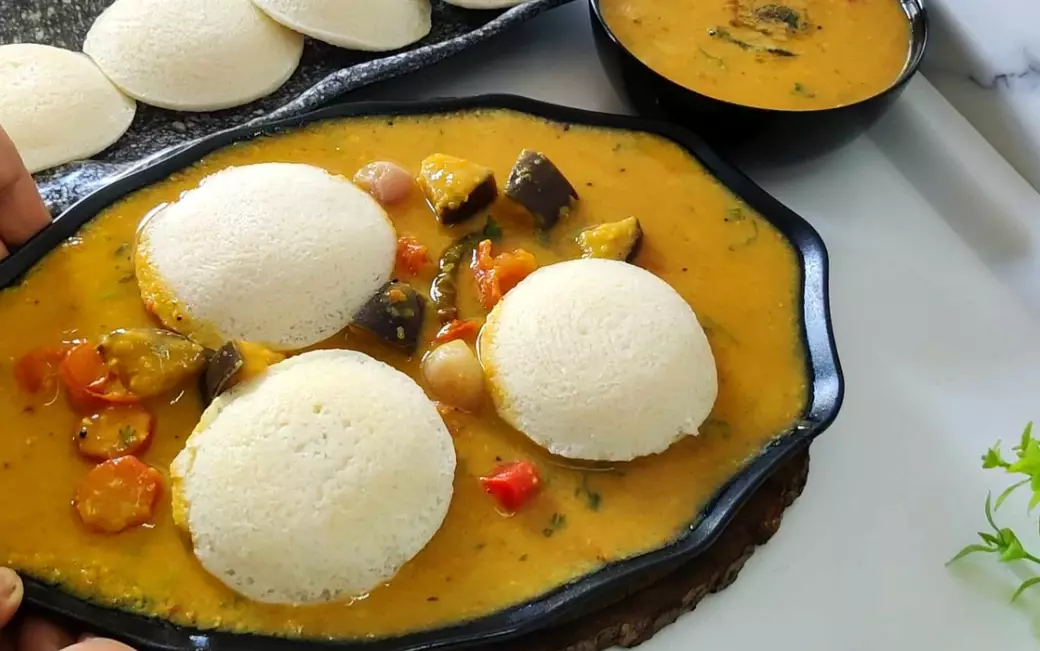
The Steaming Technique That Makes All the Difference
You've come this far. Don't ruin it now.
Grease the idli plates with a neutral oil (like sunflower) or ghee. Pour the batter, filling each mold only 3/4 full. It needs space to rise.
Water in the Steamer: Use boiling water to start. This gives immediate steam power. Keep the heat on medium-high. Rolling, aggressive boiling can make the idlis wet. You want a steady, strong flow of steam.
Cover with a Cloth: Before putting the lid on, drape a thick kitchen cloth over the steamer. This absorbs condensation, preventing water droplets from falling on your idlis and making them soggy. This one trick changed my idli game forever.
Steaming Time: 10-12 minutes from when the steam starts escaping vigorously. Don't peek before 10 minutes. To check, insert a toothpick; it should come out clean.
The Cool-Down: Turn off the heat. Wait 2 minutes before opening the lid. Then, sprinkle a few drops of cold water around the idlis. This contracts them slightly, making them easier to remove with a spoon.
What Are the Common Idli Mistakes and How to Fix Them?
| Problem | Likely Cause | How to Fix It Next Time |
|---|---|---|
| Dense, Hard Idlis | Batter too thick, under-fermented, or over-stirred after fermentation. | Ensure batter is pourable. Ferment until doubled. Fold gently. |
| Sour Idlis | Over-fermentation, especially in hot weather. | Reduce fermentation time. Place batter in a cooler spot after it doubles. |
| Flat Idlis (No Rise) | Batter too runny, salt added too early (inhibits yeast), or dead fermentation due to cold. | Use correct water ratio. Add salt only after grinding. Ensure warm fermentation spot. |
| Sticky Idlis | Plates not greased well, undercooked, or batter was over-ground (too sticky). | Grease generously. Steam for full 12 mins. Don't over-grind rice. |
| Gray/Dark Idlis | Using a reactive metal vessel for fermentation (like aluminum). | Use only food-grade plastic, stainless steel, or ceramic. |
Serving, Storing, and Next-Day Hacks
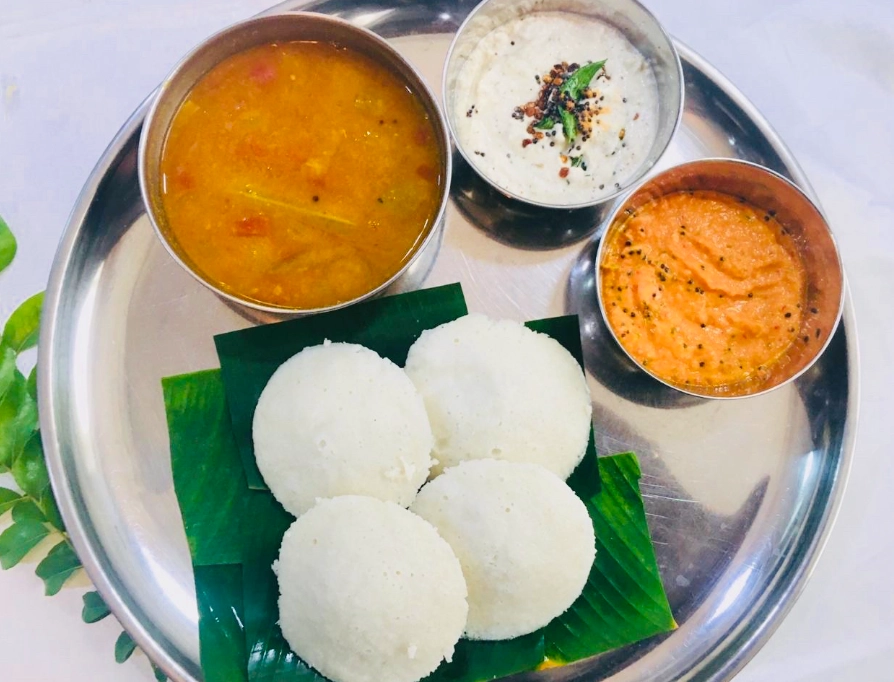
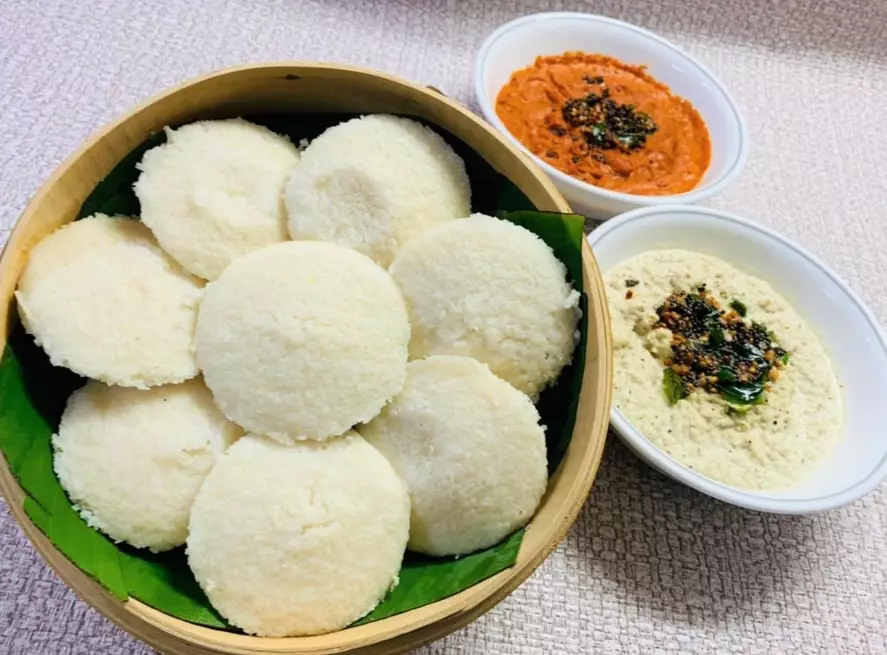
Serve idlis piping hot with classic accompaniments: fluffy coconut chutney, tangy sambar, and a fiery gunpowder (molagapodi) mixed with oil. But what about leftovers?
Let leftover idlis cool completely, then store them in an airtight container in the fridge for 2-3 days. To reheat, sprinkle water and steam for 5 minutes or microwave covered with a damp paper towel for 60 seconds.
Don't Throw Away Leftover Batter! Refrigerate it. It thickens over time, making it perfect for crispy dosas or uttapams the next day. Just thin it out slightly with water.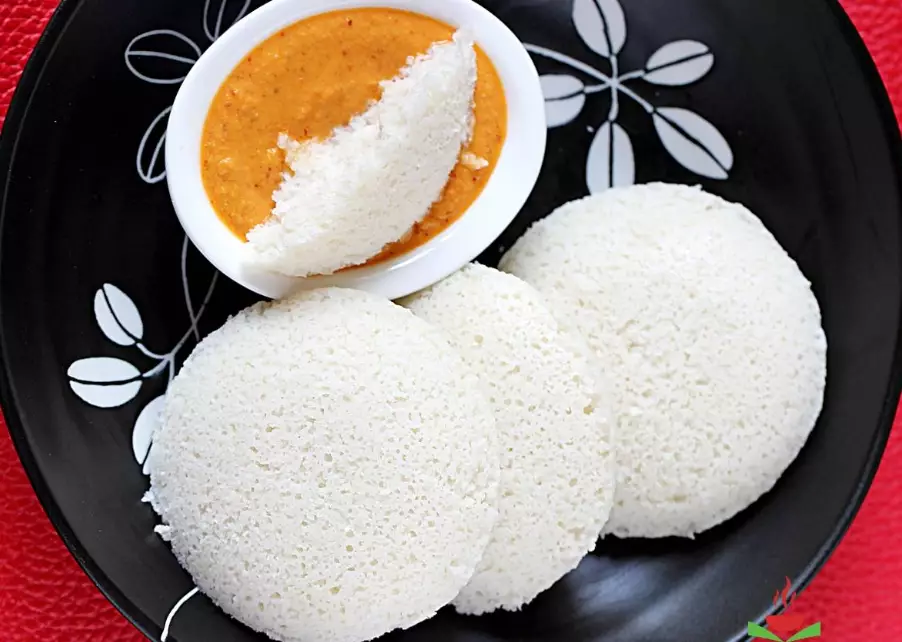
Idli Upgrades: Beyond the Basic
Once you've mastered the classic, try these:
- Rava Idli: A quick version with semolina, yogurt, and baking soda. Great for instant cravings.
- Stuffed Idli: Place a teaspoon of spiced potato mixture (aloo masala) in the center of the batter in the mold before steaming.
- Oats Idli: Substitute 1/3 of the rice with oats for a fiber boost.
Your Idli Questions, Expertly Answered
 Is there a quick method for idli when I'm short on time?
The journey to the best Indian idli recipe is one of patience and attention to detail. It's not complicated, but it demands respect for the process. Start with the right ingredients, master the fermentation environment, and steam with care. When you pull apart that first fluffy, white idli and dip it into chutney, you'll know every minute was worth it. Forget the dense versions of the past. You're now equipped to make idlis that are not just good, but authentically, consistently perfect.
Discussion