Let's be honest. The idea of traditional idli – planning ahead, soaking, grinding, fermenting overnight – can kill any spontaneous breakfast craving. That's where the Suji Idli recipe comes in as a genuine lifesaver. It's the South Indian breakfast hack you need: soft, pillowy steamed cakes made from semolina (suji or rava), ready in the time it takes to brew your coffee. No waiting, no uncertainty. This isn't a compromise; it's a legitimate, delicious alternative that has earned its place in busy kitchens everywhere.
What's Inside This Guide?
Why Suji Idli Wins for Modern Kitchens
I've been making both traditional and instant idlis for over a decade. While I love the fermented tang of the classic version, I reach for my suji idli recipe four times out of five. The reason is pure practicality wrapped in great taste.
First, the time. From bowl to steamer, you're looking at 25 minutes, tops. Ten minutes to prep the batter, fifteen to steam. Compare that to the 8-12 hour fermentation window for traditional idli, and it's a no-brainer for a weekday.
Second, reliability. Fermentation is a fickle friend. A cold kitchen, old batter culture, or just bad luck can leave you with flat, dense idlis. Suji idli batter doesn't ferment. It relies on a chemical leavener – usually baking soda or eno fruit salt – for its rise. This means consistent results, every single time, regardless of the weather. The Food Safety and Standards Authority of India even highlights the stability and ease of use of ingredients like semolina in everyday cooking.
Third, the texture. Done right, suji idlis are incredibly light and porous, perfect for soaking up sambar or chutney. They have a slightly grainier, more substantial mouthfeel compared to their rice-lentil cousins, which I personally enjoy.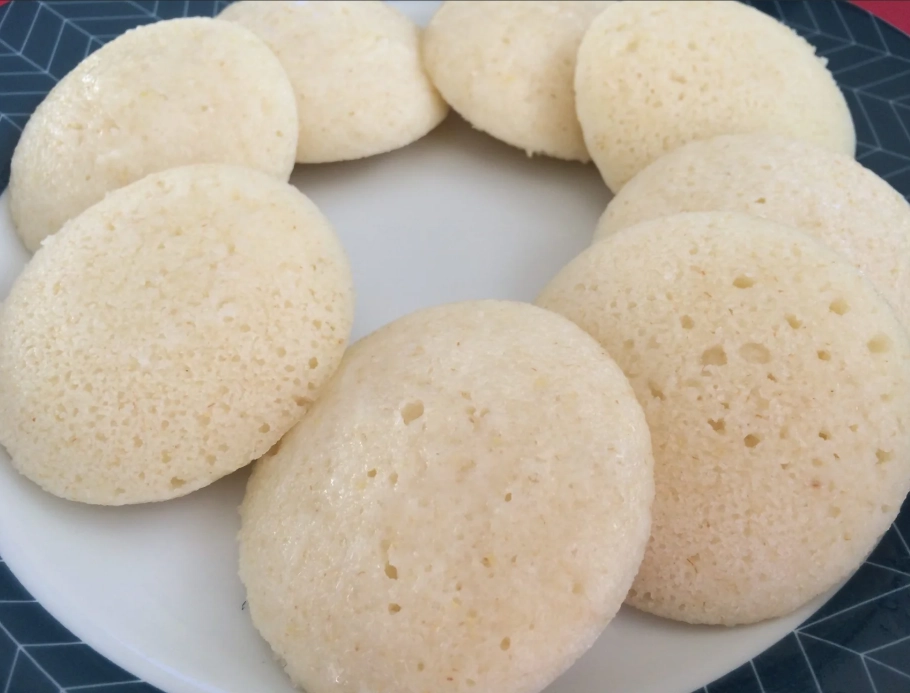
Your Suji Idli Ingredients: A Simple Breakdown
This is where most blogs just list items. Let's talk about why each ingredient matters. Getting these right is 80% of the battle.
| Ingredient | Quantity | Role & Critical Notes |
|---|---|---|
| Fine Semolina (Suji/Rava) | 1.5 cups | The star. Must be fine-grained. Coarse rava will give you a gritty, unpleasant texture. I prefer the "Bombay rava" variety for this. |
| Plain Yogurt (Curd) | 1 cup | Provides moisture, tang, and helps bind the batter. Use slightly sour yogurt for better flavor. If you only have fresh yogurt, add a teaspoon of lemon juice. |
| Water | ~1 cup (adjustable) | To achieve the perfect batter consistency. The amount varies based on your semolina's absorbency. |
| Fruit Salt (Eno) or Baking Soda | 1 tsp | The leavening agent that creates the air pockets. Eno is preferred as it contains citric acid, which reacts instantly for a better rise. |
| Salt | To taste | Self-explanatory, but season the batter well. Tasteless batter makes for bland idlis. |
| Mustard Seeds & Curry Leaves | For tempering (tadka) | This is the flavor bomb. Tempering in oil and folding it into the batter adds a deep, aromatic base note that steamed idlis desperately need. |
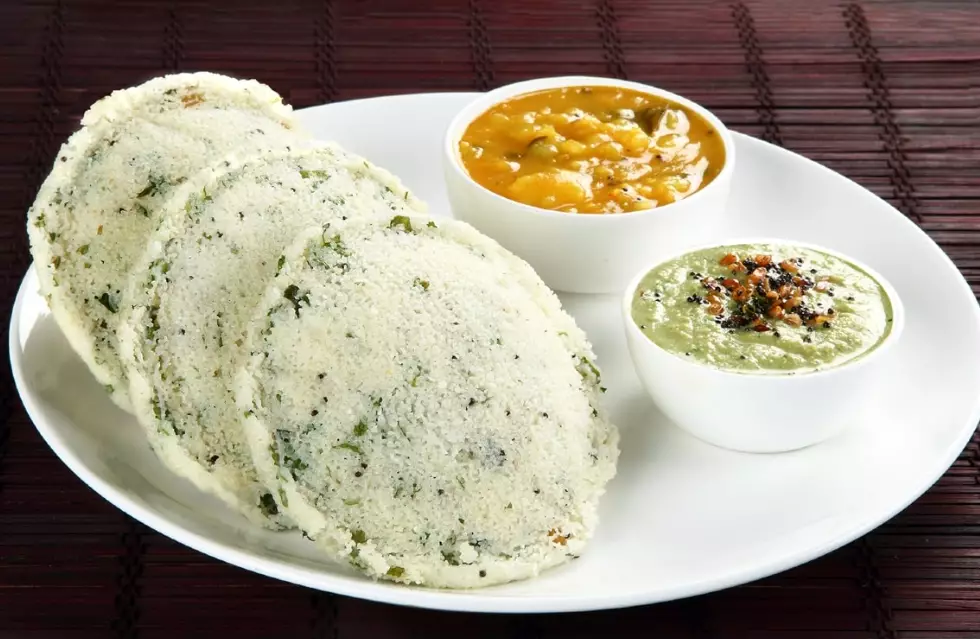
| Grated Carrot & Coriander | 2-3 tbsp each | Optional, but highly recommended for color, texture, and a hint of sweetness. |
You'll also need an idli steamer or a regular steamer with small plates. If you don't have one, greased muffin tins or small bowls placed in a large pot with a steamer basket work in a pinch.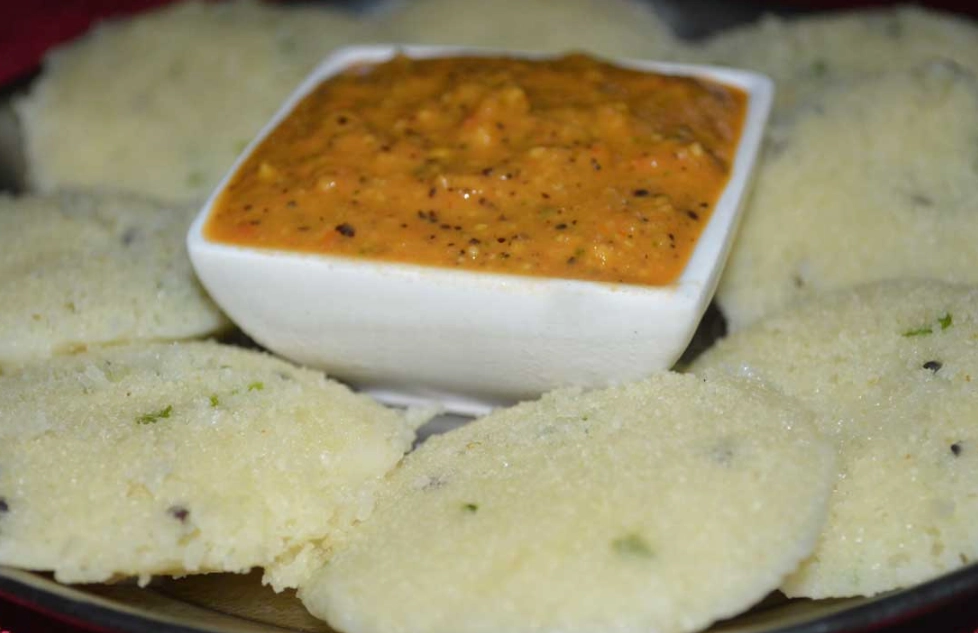
The Foolproof Step-by-Step Process
Here’s the exact method I've refined after countless batches. Follow this sequence to avoid common pitfalls.
Step 1: The Tempering (Tadka) – Don't Skip This
Heat a tablespoon of oil in a small pan. Add a teaspoon of mustard seeds. When they crackle, throw in a sprig of curry leaves (torn), a pinch of asafoetida (hing), and maybe a dried red chili. Let it sizzle for 10 seconds and turn off the heat. This infused oil is your secret weapon. Set it aside.
Step 2: Making the Base Batter
In a large mixing bowl, combine the fine semolina and yogurt. Mix well. Now, gradually add water while stirring continuously. You're aiming for a thick, flowing consistency – think pancake batter, but a tad thicker. It should coat the back of a spoon but drip off slowly. This is crucial. Too thin, and your idlis will be flat; too thick, and they'll be doughy.
Now, stir in the salt and the tempered oil with all its crispy bits. Add your grated carrots and chopped coriander. Mix gently. Cover the bowl and let it rest for 15-20 minutes. This resting period is non-negotiable. It allows the semolina to fully hydrate and swell, which is key to a soft texture.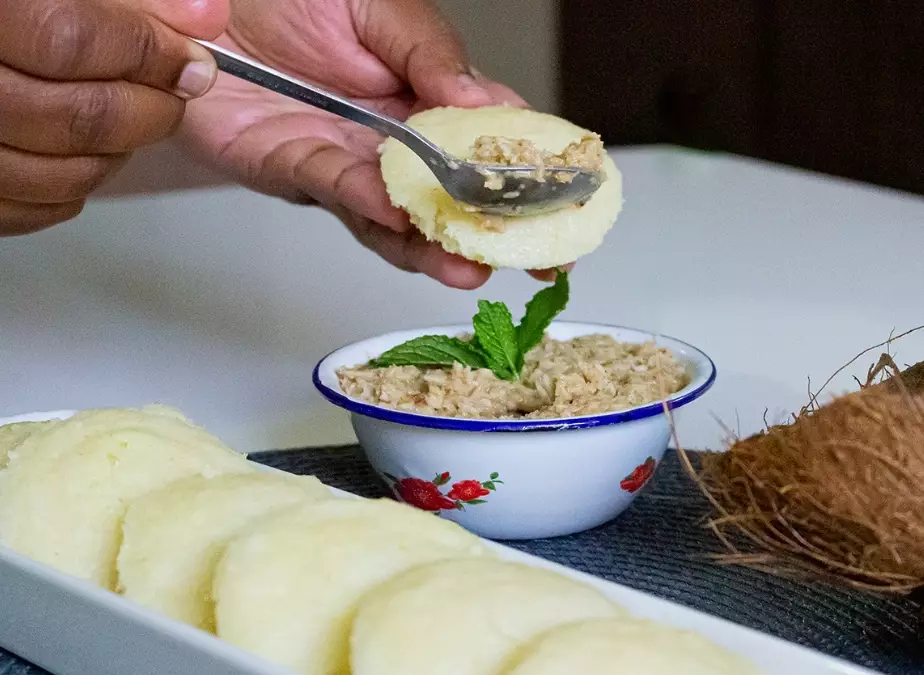
Step 3: The Final Activation & Steaming
While the batter rests, get your steamer going. Grease your idli plates generously with oil. After 20 minutes, check your batter. It will have thickened slightly. If it feels too thick, add a tablespoon or two of water to bring it back to the original consistency.
Now, right before you're ready to pour, add one teaspoon of fruit salt (Eno) or ½ teaspoon of baking soda to the batter. Sprinkle it evenly and then fold it in gently with a spatula. Do not whisk or stir vigorously. You'll see the batter become frothy and increase in volume slightly.
Immediately pour the batter into the greased molds, filling them ¾ full. Place the plates in the pre-heated steamer. Steam on medium-high heat for exactly 12-15 minutes. Do not peek before 10 minutes, as the sudden drop in steam pressure can cause them to collapse.
To check for doneness, insert a toothpick. It should come out clean. Let them sit in the steamer, off the heat, for 2-3 minutes before demolding. Use a spoon or a small knife to gently lift them out.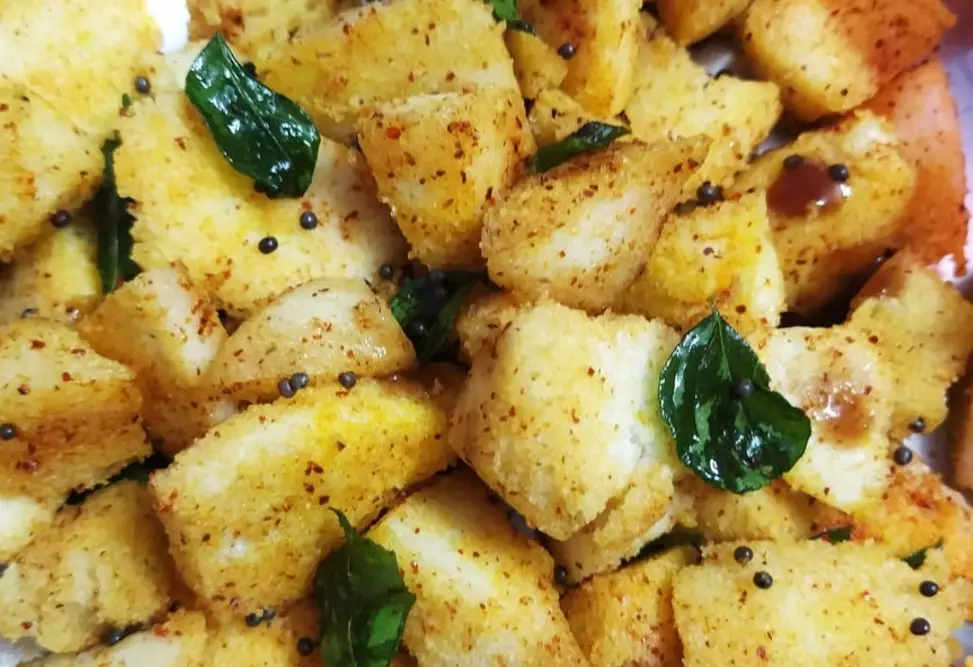
Your 20-Minute Countdown Timer
Minute 0-5: Make the tempering (tadka).
Minute 5-10: Mix semolina, yogurt, water, tadka, and veggies. Let rest.
Minute 10-12: Grease idli plates, get steamer boiling.
Minute 20: Add Eno, fold, pour into molds.
Minute 20-35: Steam. Your perfect suji idlis are ready.
The Real Secrets to Perfect Suji Idli Texture
Anyone can follow a recipe. Making exceptional suji idli requires understanding the nuances. Here's what most recipe videos won't tell you.
The Water Variable: The amount of water in the recipe is a guideline. Different brands of semolina absorb liquid differently. Your batter after resting should be easily pourable. If it's a stiff paste, it's too dry. Add water, a tablespoon at a time, until it's right. A wetter batter leads to softer idlis.
The Steam Power: You need a vigorous, rolling steam throughout the cooking time. If your steamer isn't sealed well or the heat is too low, the idlis will be gummy and wet. A tight-fitting lid and a consistent medium-high flame are essential. According to general culinary science, steaming is one of the best methods to retain nutrients and texture, as highlighted by resources like the Harvard T.H. Chan School of Public Health in their discussions on healthy cooking methods.
The Resting (Again): I can't stress this enough. Letting the hydrated batter sit is what allows the semolina to lose its gritty raw edge. It's the difference between a refined bite and feeling like you're eating sand.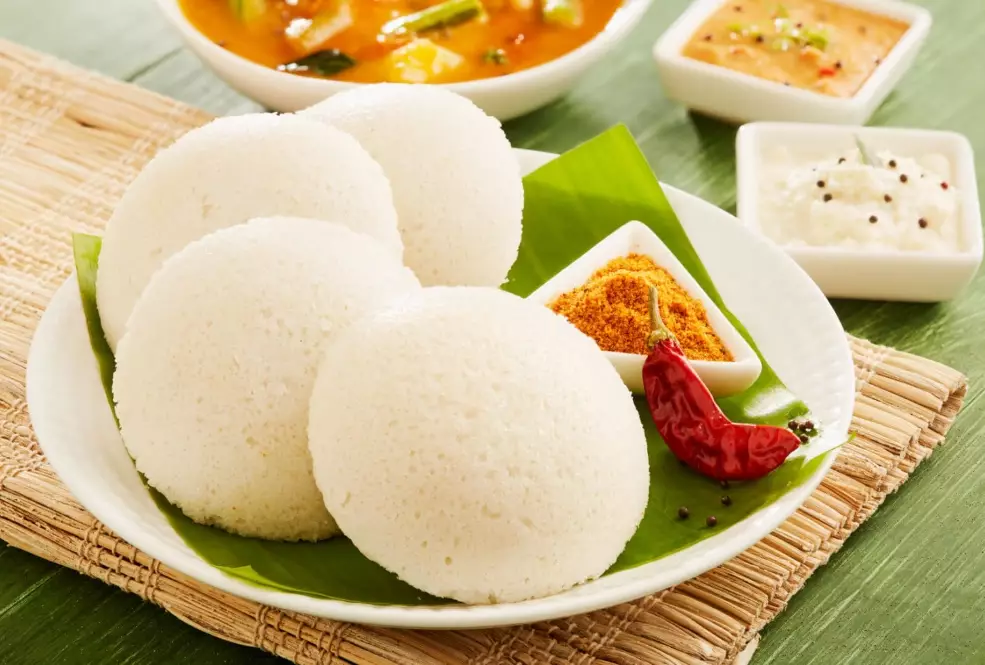
My Texture Pet Peeve: Rubbery idlis. This happens from over-mixing the batter after adding the Eno. You're beating the air out. Fold, don't stir.
Serving, Storing, and Making It a Meal
Fresh, hot suji idlis demand classic companions. Sambar and coconut chutney are the gold standard. But don't stop there.
For a quick fix, I often serve them with just a dollop of butter and some podi (gunpowder chutney) mixed with gingelly oil. It's sublime.
Storing and Reheating: These idlis taste best fresh. But if you have leftovers, let them cool completely, store in an airtight container in the fridge for up to 2 days. To reheat, always steam them again for 5-7 minutes. Microwaving will make them tough and rubbery. You can also crumble leftover idlis, pan-fry them with some onions and spices, and make a fantastic "idli upma" for your next meal.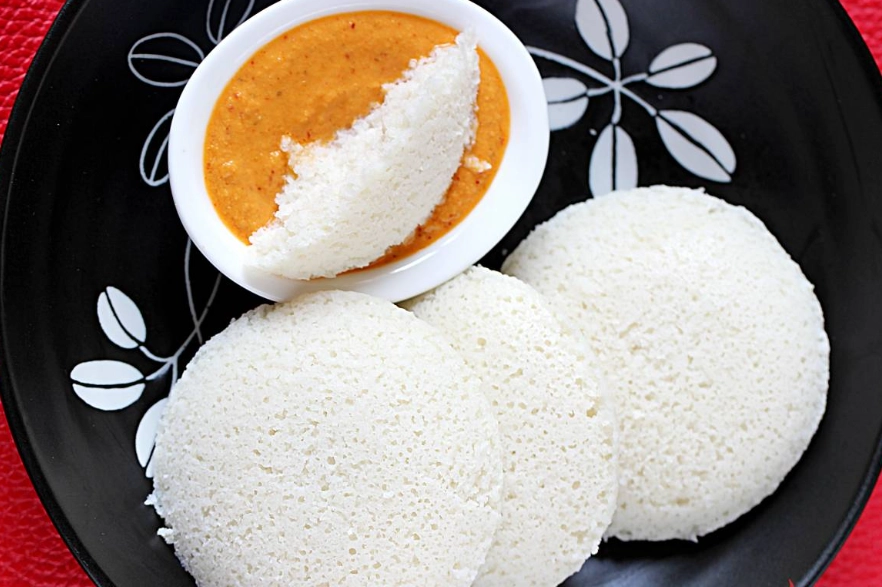
Your Suji Idli Questions, Answered by Experience
 My idlis are sticking to the plates horribly. What am I doing wrong?
Discussion