Let's be honest. The promise of "instant" Rava Idli is often a trap. You mix semolina, yogurt, and water, steam it with hope, and what comes out is a dense, sometimes gummy, sometimes crumbly disc that bears little resemblance to the light, spongy pillows you get at a good South Indian restaurant. I've been there. For years, my homemade Rava Idli was a hit-or-miss affair, mostly miss. It took me a decade of tweaking, failing, and talking to home cooks in Karnataka to crack the code. This isn't just another recipe list. This is the guide I wish I had when I started, detailing not just the steps, but the why behind each one to guarantee success.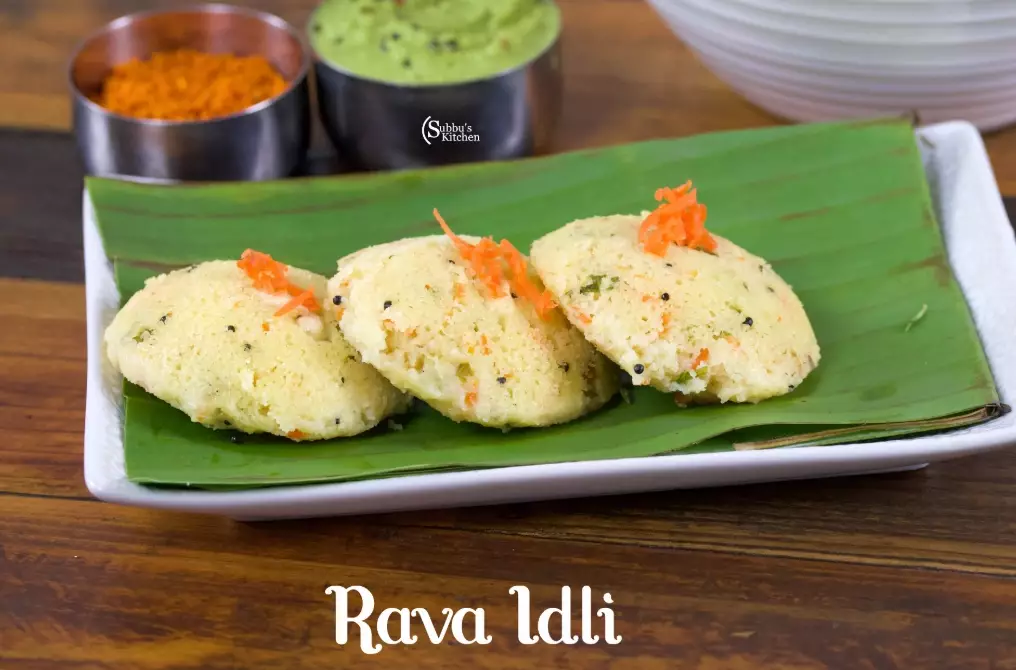
What's Inside This Guide?
The Real Secret: It's All About the Ingredients
Most recipes treat the ingredients as a simple checklist. That's the first mistake. The quality and treatment of each component directly dictate the final texture.
Semolina (Rava/Sooji): This is the star, and your choice here is critical. Do not use fine, powdery sooji meant for halwa. You need the medium-coarse variety. Fine rava absorbs liquid differently and leads to a pasty, dense batter. The coarse grains give the idli its distinct, slightly granular yet soft texture. I prefer the Bombay Rava variety for its consistent grain size.
The Fermentation Agent (This is the game-changer): Traditional recipes call for yogurt. It works, but it's inconsistent. The acidity and bacterial culture in yogurt vary wildly. A thick Greek yogurt can make the batter too dry, while a runny one might not provide enough lift. My non-consensus, expert-level swap? Use sour cream or a mix of sour cream and buttermilk. Sounds odd, but hear me out. Sour cream has a consistent, mild acidity and fat content that reacts perfectly with the baking soda, creating incredible lift and a tender crumb. It's my secret weapon for guaranteed fluffiness.
Enok (Soda): Baking soda is non-negotiable for the instant version. It's the chemical leavener that creates the air bubbles since we aren't doing a long fermentation like with rice idli. Don't be scared of it. Just don't overdo it, or you'll taste it.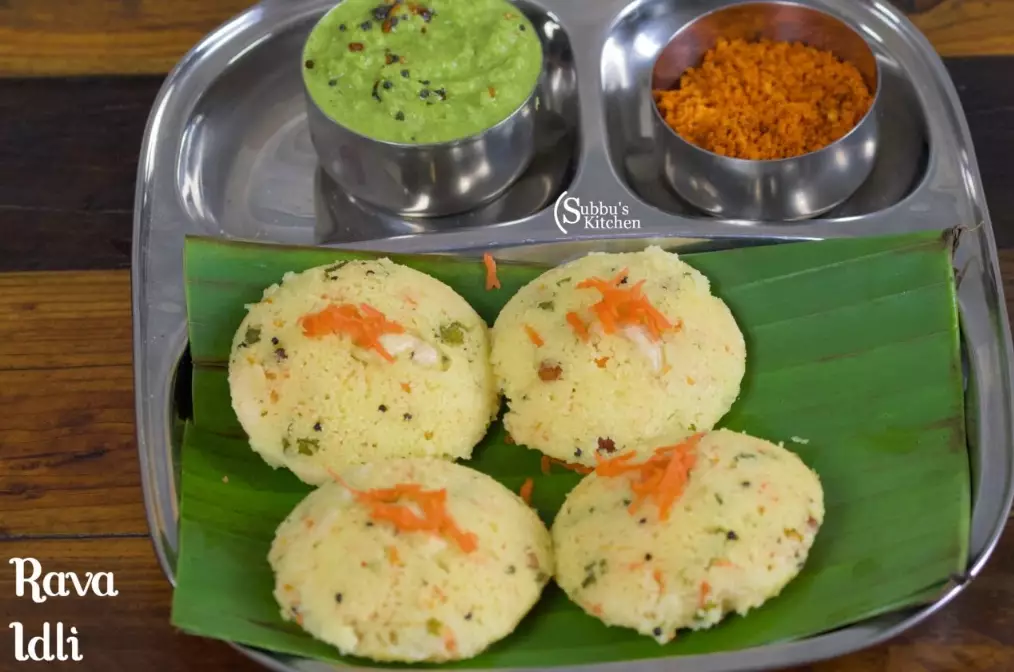
Your Complete Ingredient Checklist
| Ingredient | Quantity | Critical Notes & Purpose |
|---|---|---|
| Medium-coarse Semolina (Rava) | 2 cups | The backbone. Must be dry-roasted until fragrant. |
| Sour Cream (or thick Yogurt) | 1 cup | Primary wet ingredient for acidity and tenderness. |
| Water | Approx. 1.5 cups | Adjustable. Goal is a thick, pourable batter. |
| Baking Soda (Enok) | 1 tsp | The leavening agent. Do not substitute with baking powder. |
| Mustard Seeds | 1 tsp | For the tempering (tadka). |
| Chana Dal (split Bengal gram) | 1 tbsp | Adds crunch and nutty flavor to the tempering. |
| Urad Dal (split black gram) | 1 tsp | Another tempering element for depth. |
| Curry Leaves | 10-12 leaves | Essential for authentic aroma. Don't skip. |
| Cashew Nuts (broken) | 2 tbsp | For garnish and richness. |
| Ginger (finely grated) | 1 inch piece | Adds a warm, digestive note. |
| Green Chili (finely chopped) | 1-2 | Adjust to heat preference. |
| Cilantro (finely chopped) | 3 tbsp | For fresh color and flavor. |
| Salt | To taste | Add after roasting rava, before adding liquids. |
| Oil/Ghee | 2 tbsp | For tempering and greasing molds. |
Pro-Tip from the Kitchen: Dry-roasting the rava is NOT an optional step. It's what removes the raw taste and allows the grains to better absorb the liquid without becoming mushy. Roast on medium-low heat, stirring constantly, for 4-5 minutes until you smell a warm, nutty aroma. Let it cool completely in the pan itself before proceeding. Adding hot rava to yogurt will cook it prematurely and ruin the texture.
The Foolproof Step-by-Step Process
Follow this sequence religiously. Timing and order matter more than you think.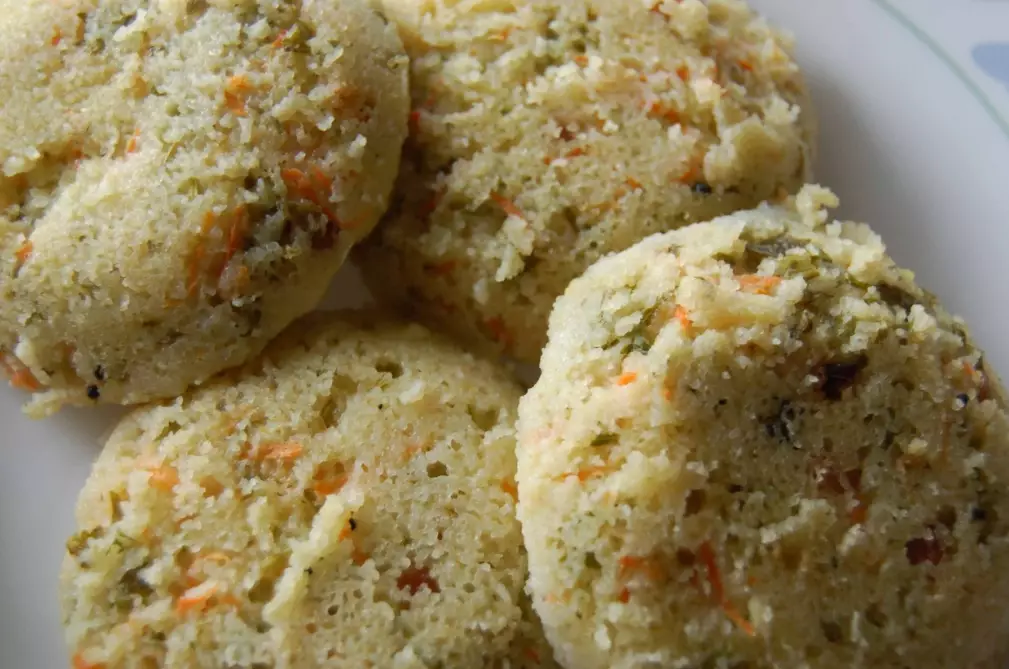
1. The Foundation: Tempering & Batter Prep
Heat 1 tablespoon of oil or ghee in a kadai. Add mustard seeds and let them splutter. Throw in the chana dal and urad dal. Fry until the dals turn light golden. Now add the curry leaves, cashews, and grated ginger. Sauté for 30 seconds until the cashews are lightly colored and the kitchen smells incredible. Pour this entire tempering, along with the hot oil, into your bowl of cooled, roasted rava. Mix well. The fat coats the rava grains, further preventing sogginess.
Add salt, chopped green chili, and cilantro to the rava mixture. Give it another mix.
Now, add the sour cream (or yogurt). Use a whisk or spatula to combine. It will look dry and crumbly—that's fine. Gradually add water, about half a cup at a time, whisking continuously. Stop when you achieve a thick, dropping consistency. Think of a thick pancake batter. It should coat the back of a spoon but still be pourable. Cover and let this batter rest for 20 minutes, no more, no less. This resting period is when the rava hydrates properly. If you skip it, the idli will be dry inside.
2. The Final Act: Steaming to Perfection
While the batter rests, get your steamer ready. Fill the base with water and bring it to a rolling boil. Generously grease your idli plates with oil or ghee. This is crucial for clean release.
After 20 minutes, check your batter. It may have thickened slightly. Add a tablespoon or two of water if needed to bring it back to the original consistency. Now, and only now, add the baking soda. Sprinkle it over the batter and whisk vigorously for about 30 seconds. You'll see the batter become lighter and slightly frothy. Work quickly from this point.
Immediately pour the batter into the greased molds, filling them only 3/4 full. Place the idli stand in the preheated steamer. Cover with a lid. Steam on medium-high heat for exactly 12-14 minutes.
Do not open the lid before 10 minutes have passed. The steam collapse is a real thing. After 14 minutes, insert a toothpick into the center of an idli. It should come out clean. If not, steam for another 2 minutes.
Turn off the heat. Let the idli stand sit in the steamer, with the lid slightly ajar, for 3-4 minutes. This sudden cooling helps them firm up just enough to demold easily. Use a spoon or a wet finger to gently loosen the edges and lift them out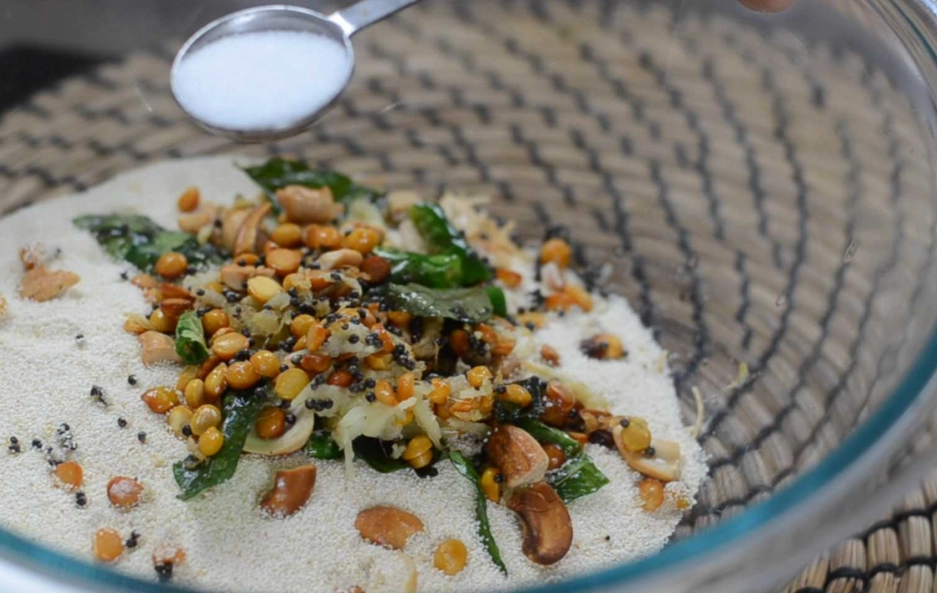
Why Is My Rava Idli Hard? Texture Troubleshooting
If your idlis aren't soft, one of these things went wrong.
Dense and Heavy: Batter was too thick. The rava didn't have enough liquid to expand. Next time, aim for a pourable consistency. Also, check your baking soda—it might be old and lost its potency.
Crumbly and Dry: You over-steamed them. 18-20 minutes of steaming will dry them out completely. Stick to the 12-14 minute window. Alternatively, you didn't let the batter rest, so the rava wasn't hydrated.
Gummy or Wet in the Center: Batter was too thin, or you under-steamed. The toothpick test is your best friend. Also, ensure your steamer is at a full boil before adding the plates, and maintain a steady steam throughout.
Sticking to the Molds: Inadequate greasing. Don't be shy with the oil or ghee. A pastry brush works wonders to get into every crevice.
Serving, Storing, and Reheating Like a Pro
Serve Rava Idli piping hot. The classic accompaniment is coconut chutney and sambar. A dollop of homemade gunpowder (molaga podi) mixed with ghee on the side is a game-changer.
To store, let them cool completely on a wire rack. Place them in a single layer in an airtight container. They'll keep in the fridge for 3-4 days.
Reheating: The microwave is the enemy here—it makes them rubbery. Always re-steam. Place the idlis in a steamer for 5-7 minutes until heated through. They'll come back to nearly fresh softness.
You can also freeze them. Layer them between parchment paper in a freezer-safe bag. They keep for a month. Re-steam from frozen for 8-10 minutes.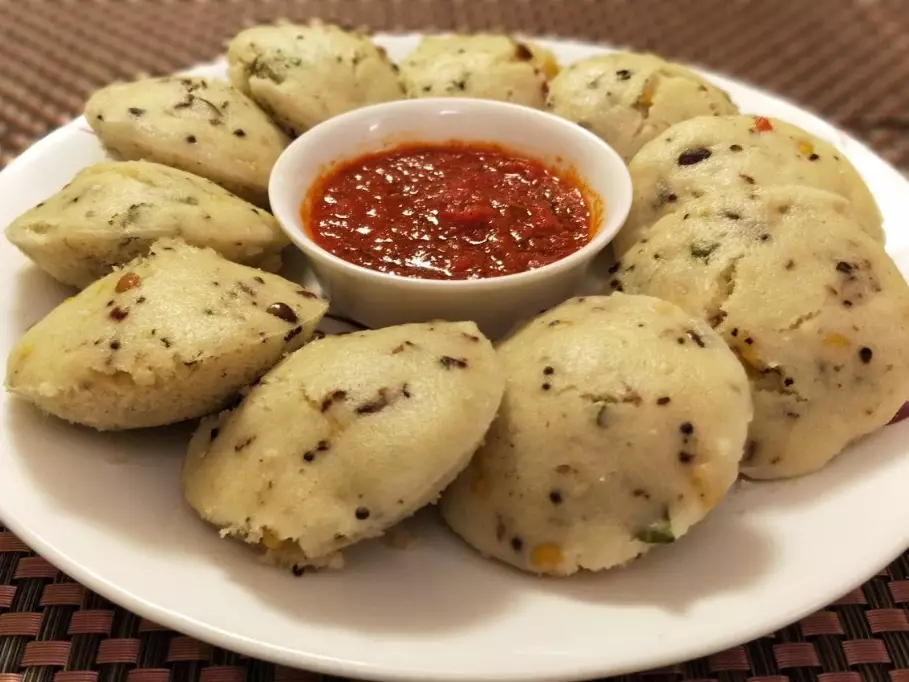
Your Rava Idli Questions, Answered by Experience
You can, but you need to replace the acidity. Use 1 cup of plain, unsweetened plant-based yogurt (cashew or coconut work, but they're milder). To boost the reaction, add 2 teaspoons of lemon juice or white vinegar to the batter along with the baking soda. The results are good, though sometimes slightly less tender than the dairy version. Another trick is to use a tablespoon of fruit salt (Eno) instead of baking soda, adding it just before steaming with a pinch of sugar to aid the reaction.
You're overfilling the molds or your batter is too active. Remember, you only need to fill them 3/4 full. The baking soda reaction causes the batter to rise. If you're using a very acidic base (like strong yogurt) with fresh baking soda, the reaction can be vigorous. Try reducing the baking soda to 3/4 teaspoon. Also, ensure your steamer lid isn't pressing down directly on the idli stand; there should be some headspace for the steam to circulate without condensing and dripping onto the batter, which can also cause weird textures.
 Is there a way to make Rava Idli ahead of time for a quick breakfast?
Absolutely. The batter itself can be made ahead, which is a huge time-saver. Prepare the batter up to the point before adding the baking soda. Cover it tightly and refrigerate for up to 24 hours. When you're ready to cook, take the batter out, let it come to room temperature for 15-20 minutes, adjust consistency with a little water if it has thickened, then add the baking soda, whisk, and steam immediately. The flavor actually deepens with this overnight rest.
Often, yes. Beyond consistent technique, many commercial kitchens use a pinch of fruit salt (Eno) instead of or in addition to baking soda for a more reliable rise. Some also add a tablespoon of cream of wheat (farina) or even a bit of rice flour to the semolina for a softer, more cohesive texture. The biggest "secret" is usually the fat—they use ghee generously, both in the tempering and for greasing the molds, which adds immense flavor and richness that home cooks often skimp on.
Discussion