Your Quick Guide
Let's be honest. For most of us, the magic of Indian food isn't just the meat or the veggies – it's that incredible, soul-warming sauce they're swimming in. That's the gravy. It's the heart of the dish. You know what I'm talking about. The rich, tomato-based sauce in a butter chicken that you just want to mop up with every last piece of naan. The creamy, cashew-laden gravy in a royal korma. The spicy, tangy base of a good chana masala.
And for the longest time, I thought making these Indian gravy recipes at home was some kind of guarded secret. My early attempts? Let's just say they ranged from watery tomato soup to a burnt, gritty mess that tasted more like dust than dinner. It was frustrating.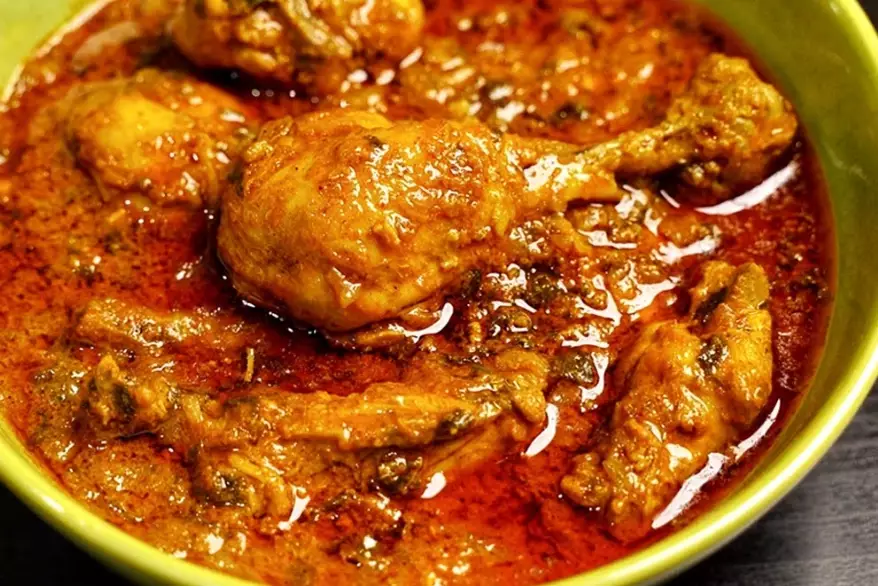
But here's the thing I learned after burning one too many pans and wasting a small fortune on spices: it's not magic. It's a method. Once you get the basic framework down – what Indians call the "masala" base – the entire world of Indian curries opens up to you. You're not just following one recipe; you're learning a language. And that's what this guide is for. We're going to ditch the intimidation and break down exactly how to build those legendary gravies from the ground up.
What Actually *Is* an Indian Gravy? (It's Not Just Sauce)
This is where we need to start, because the Western idea of "gravy" (think Thanksgiving) doesn't really apply. In Indian cooking, the gravy is the main event. It's a complex, layered concoction where spices aren't just sprinkled on top; they're cooked into a paste that forms the very foundation of the dish.
The core of most Indian gravy recipes is the bhuna masala. "Bhuna" means to fry or roast. So, you're essentially roasting a paste of aromatics (onions, ginger, garlic) and spices in oil until the raw smell disappears, the oil starts to separate from the paste, and you get this deep, concentrated flavor. That's the golden moment. That's what gives restaurant-style gravies their depth. Miss this step, and your gravy will taste raw and one-dimensional.
It's a technique, not just a list of ingredients. And the ingredients themselves can vary wildly by region. A gravy from Punjab in the north (like butter chicken) is often tomato-onion based, rich with dairy. A gravy from Kerala in the south might use a lot of coconut and curry leaves. The common thread is the technique of building and layering flavors.
The Four Pillars of Any Great Indian Gravy
Before we jump into recipes, let's talk ingredients. You don't need a hundred spices. You need a handful of good ones, and you need to understand their role. I made the mistake of buying a giant "curry powder" once and wondering why my food tasted nothing like the restaurant. That's because traditional Indian gravy recipes don't use a pre-mixed curry powder. They build the spice blend fresh.
The Aromatic Base: Onions, Ginger, Garlic
This is your trinity. Onions provide sweetness and body when cooked down. Ginger adds a sharp, warm punch. Garlic gives that deep, savory backbone. The ratio matters. For a rich gravy, you often need more onions than you think – they cook down into a paste that thickens the sauce. I like to chop my onions finely or even grate them for a smoother texture. Ginger and garlic are best used as a fresh paste. The jarred stuff works in a pinch, but fresh makes a noticeable difference.
The Core Spices: Your Flavor Architects
These are the non-negotiables. You'll see them in 90% of Indian gravy recipes.
- Cumin Seeds: Earthy, nutty. They're often tempered in hot oil first to release their aroma.
- Coriander Powder: Mild, lemony, and slightly sweet. It's the workhorse spice that provides bulk and a rounded flavor.
- Turmeric Powder: Earthy, pungent, and gives that iconic golden color. Don't go overboard, or it can taste bitter.
- Red Chili Powder (Kashmiri is best): Provides heat and a vibrant red color without being overwhelmingly spicy. Cayenne can be a hotter substitute.
- Garam Masala: The finishing spice. A warm blend (cinnamon, cardamom, cloves, etc.) added at the end to perfume the dish. Never add it at the start with the other powders, or its delicate aroma will cook off.
You can find detailed information on the cultural significance and varieties of these core spices on resources like the Incredible India tourism website, which often features culinary heritage sections.
The Liquid: More Than Just Water
This is what turns your fried masala paste into a luscious gravy. Your choice here defines the character.
- Water/Stock: The simplest option. Using a good vegetable or chicken stock adds another layer of flavor.
- Tomatoes: Blended fresh tomatoes, canned crushed tomatoes, or tomato puree. They add tang, sweetness, and body. Cooking them down is key.
- Dairy: Yogurt (whisked smooth to prevent curdling), cream, or even milk. Adds richness, tang, and a creamy texture. Butter, obviously, is in a league of its own for decadence.
- Nut Pastes: Soaked and blended cashews, almonds, or poppy seeds. This is the secret to those luxurious, creamy, restaurant-style gravies for dishes like korma or pasanda. They thicken and add a subtle sweetness.
- Coconut: Coconut milk or freshly ground coconut paste is essential for South Indian and Goan gravies.
The Thickening Agent: Getting the Right Body
Nobody wants a watery curry. The thickness comes from a few places:
- Onion Paste: Long, slow cooking of onions until they melt down.
- Nut/Seed Pastes: As mentioned above.
- Flour/Cornstarch: A bit of a cheat, but sometimes used. A more traditional method is making a "roux" with besan (gram flour).
- Reduction: Simply simmering the gravy uncovered until it reduces to your desired consistency. This also concentrates the flavors.
Mastering the Method: A Step-by-Step Walkthrough
Let's cook. I'm going to walk you through a classic, foundational tomato-onion gravy. This is the bedrock for so many popular Indian gravy recipes. Get this right, and you've won half the battle.
Foundation Recipe: The All-Purpose Tomato-Onion Gravy
This makes enough gravy base for about 500g (1 lb) of your main ingredient (chicken, paneer, chickpeas, etc.).
Ingredients:
- 3 medium onions, roughly chopped
- 2 large tomatoes, roughly chopped (or 1 cup canned crushed tomatoes)
- 1-inch piece of ginger, peeled
- 4-5 cloves of garlic
- 2-3 tbsp oil or ghee (ghee is better for flavor)
- 1 tsp cumin seeds
- 1.5 tsp coriander powder
- 1/2 tsp turmeric powder
- 1 tsp Kashmiri red chili powder (adjust to taste)
- 1 tsp garam masala
- Salt to taste
- 1 cup water (approx.)
- 1 tbsp dried fenugreek leaves (kasuri methi) – optional but highly recommended
- 2 tbsp cream or 1 tbsp butter – optional for finishing
The Process:
- Make the Paste: This is the modern shortcut. Throw the onions, tomatoes, ginger, and garlic into a blender. Blitz it into a smooth puree. Yes, you can chop and cook them separately for more control, but this one-paste method is foolproof for beginners and still delivers great results.
- The Bhuna (Frying the Masala): This is the critical step. Heat the oil or ghee in a heavy-bottomed pan over medium heat. Add the cumin seeds and let them sizzle for 10 seconds. Now, carefully add the entire puree from the blender. It will splutter, so be careful. Add the coriander powder, turmeric, and red chili powder. Stir well.
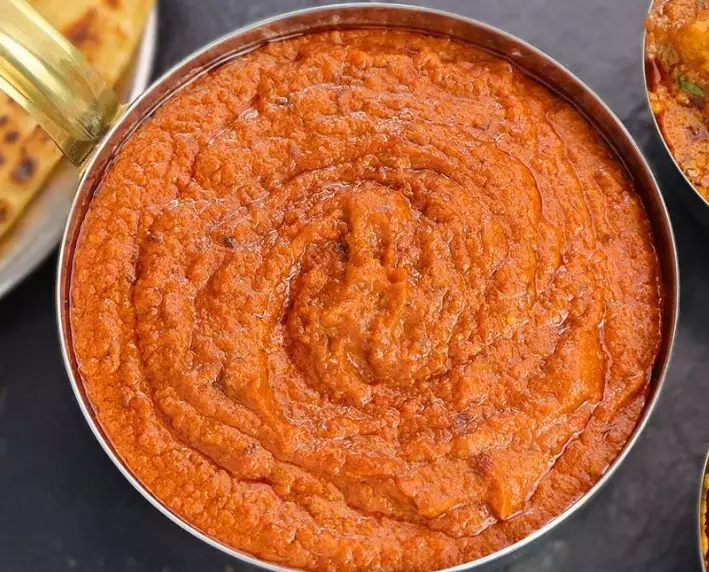
- Now, you cook. And you keep cooking. Stir frequently to prevent sticking. You'll see the mixture bubble, then slowly thicken. The color will change from bright to a deeper, brick-red shade. Keep going. After about 15-20 minutes, you'll see the magic sign: the oil will start to separate from the masala paste, pooling around the edges of the pan. This means the raw taste is gone, and the flavors are concentrated. This step cannot be rushed. Low and slow is the key.
- Add & Simmer: Once the oil has separated, add your main ingredient (e.g., pre-cooked chicken tikka, boiled chickpeas, fried paneer cubes). Stir to coat it in the masala for a minute. Then, add about 1 cup of water (or stock). Add salt. Bring to a simmer, then reduce heat, cover, and let it cook for 10-15 minutes so the flavors meld.
- The Finishing Touches: Uncover. If you want a thicker gravy, let it simmer a bit more. Now, turn off the heat. Crush the dried fenugreek leaves between your palms and sprinkle them in. Sprinkle the garam masala. If using, stir in the cream or butter. This final fat addition gives a gorgeous sheen and mellows any sharp edges. Done.
Hear that sizzle when you add the puree? That's the sound of flavor being born.
The first time I successfully saw that oil separate, I did a little dance in my kitchen. It's a game-changer. You've now made a base gravy that can be adapted endlessly. Add more cream and butter for a makhani. Add some soaked, blended cashews along with the tomatoes for a korma twist. It's your canvas.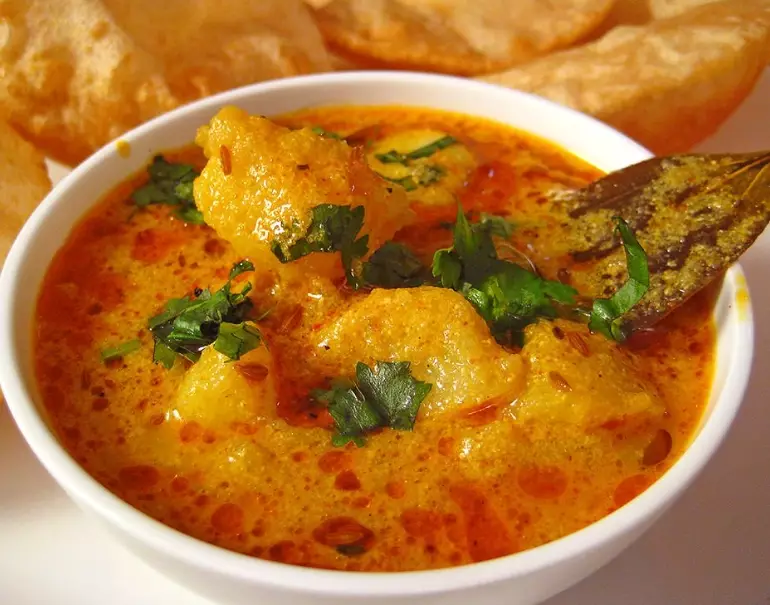
Answering Your Indian Gravy Questions (The Stuff That Drives Us Crazy)
I get it. Theory is one thing, but when you're in the kitchen, problems pop up. Here are the answers to the questions I searched for endlessly when I started.
Why is my gravy bitter?
Usually one of three culprits: 1) Burnt garlic or onions. If they catch at the bottom during the bhuna, that bitterness spreads. Use a heavy pan and stir often. 2) Too much turmeric. It's potent. Stick to 1/2 tsp or less for a recipe this size. 3) Overcooked spices. If your heat is too high when you first add the coriander/turmeric/chili powder, they can burn in seconds before the wet puree cools things down. Add them quickly and stir immediately.
How do I get my gravy creamy and smooth like restaurants?
Two words: nut paste and finishing fat. Restaurants almost always use cashew paste (soak 15-20 cashews in hot water for 30 mins, then blend into a smooth paste). Add this paste during the last few minutes of cooking the masala base. Then, they finish with a generous dollop of butter or cream. It's not "healthy," but it's the truth. A blender also helps. For a super-smooth texture, let the cooked gravy cool slightly, blend it, then return it to the pan with your main ingredient.
Can I make Indian gravy without onions or garlic?
Absolutely. In Jain cooking or for certain dietary needs, they use alternatives. The body from onions can be replaced with a paste of raw peanuts, bottle gourd (lauki/doodhi), or even pumpkin. The pungency of garlic is harder to replicate, but a touch of asafoetida (hing) fried in oil at the start can provide a savory depth. It's a different flavor profile, but can be delicious.
My gravy is too thin / too thick. Help!
Too thin: Simmer it uncovered. Let the water evaporate. You can also make a slurry with 1 tsp of cornstarch or besan (gram flour) mixed with 2 tbsp of cold water. Stir this into the simmering gravy and cook for 2-3 minutes until thickened.
Too thick: Easy. Just add warm water or stock, a little at a time, until you reach the desired consistency. Remember to adjust seasoning (salt) after adding more liquid.
Leveling Up: Pro Tips for Restaurant-Style Magic
You've got the basics down. Now let's steal some secrets from the pros.
- The "Dhungar" Smoking Method: This is next-level. After your gravy is done, place a small piece of charcoal on your stove burner until it's red-hot. Place it in a small metal bowl (like a steel katori). Place this bowl in the center of your pot of gravy. Drizzle 1/2 tsp of ghee over the hot charcoal. It will immediately start smoking. Quickly cover the pot with a lid. Let it sit for 5-10 minutes. Remove the bowl. Your gravy will have an incredible, smoky aroma like it came from a tandoor. Works wonders for butter chicken or dal makhani.
- Whole Spices for Depth: Don't just rely on powders. Tempering whole spices in hot oil at the very beginning (like a bay leaf, a cinnamon stick, 2 green cardamom pods, 2 cloves) infuses the oil with a complex fragrance that permeates the entire dish.
- Acid is Your Friend: If your gravy tastes a bit flat or overly rich, a tiny squeeze of lemon juice or a pinch of amchoor (dry mango powder) at the very end can brighten it up dramatically. Don't overdo it.
- Time is an Ingredient: The best Indian gravy recipes often benefit from resting. Making it a few hours ahead, or even the day before, allows the flavors to marry and deepen. Reheat gently before serving.
For more inspiration on classic dishes that use these techniques, you can explore the vast recipe collections on trusted culinary sites like BBC Good Food, which often feature authentic recipes developed by expert chefs.
Putting It All Together: Three Can't-Miss Gravy Recipes to Try
Let's apply everything. Here are three iconic dishes, each showcasing a different gravy style.
1. The Weeknight Hero: Easy Chana Masala (Chickpea Curry)
This is a tomato-onion based gravy that's packed with protein and flavor. It's forgiving, healthy, and comes together fast.
The Twist: Use canned chickpeas for speed. The key flavor booster is "chana masala" spice blend (available at Indian stores) or extra amchoor for tang. Follow the Foundation Recipe above, using two cans of drained chickpeas as your main ingredient. Finish with lots of fresh cilantro.
2. The Crowd-Pleaser: Simple Chicken Korma
A creamy, nut-based gravy that's mild but rich.
The Twist: When you blend your onion-tomato-ginger-garlic paste for the Foundation Recipe, add 1/4 cup of soaked raw cashews to the blender. Proceed with the recipe. At the end, use cream for finishing and go lighter on the red chili powder. The cashew paste creates that iconic, velvety texture.
3. The Flavor Bomb: Home-Style Egg Curry (Anda Curry)
A fantastic way to practice a brown, onion-based gravy.
The Twist: Skip the tomatoes. Use 4-5 onions, sliced thin. Cook them in oil over medium-low heat, stirring often, until they turn a deep, golden brown (this takes patience, maybe 25 minutes). *Then* blend them into a paste. This paste is your gravy base. Add your spices, some water, and hard-boiled eggs. It's savory, hearty, and incredibly satisfying with rice.
Which one will you try first?
Final Thoughts: Your Journey with Indian Gravies
Look, mastering Indian gravy recipes isn't about achieving some unattainable perfection. It's about understanding a process that's stood the test of time. It's about tasting as you go, learning from the little mistakes (we all make them), and eventually developing the confidence to tweak things to your own taste.
Does my gravy always turn out perfect? No. Sometimes I'm impatient and don't cook the masala down enough. Sometimes I get distracted and add too much chili. But that's cooking. It's live and learn.
The real joy comes when you serve a dish you made from scratch – that rich, aromatic gravy clinging to tender pieces of chicken or paneer – and see someone's face light up. Or when you realize you can look in your fridge, see some vegetables that need using, and know how to turn them into a delicious curry without even looking at a recipe. That's freedom. That's the power of learning the language of the Indian gravy.
So, grab your onions, heat up that pan, and start your bhuna. Your kitchen is about to smell amazing.