Your Cooking Roadmap
Let's be honest for a second. The idea of making homemade Indian food can feel a bit... daunting. You think of a hundred spices, mysterious techniques, and dishes that seem to take forever. I get it. I used to stand in the spice aisle, completely overwhelmed, before just grabbing a jar of pre-made curry paste and calling it a day. The results were okay, but they never had that magic, that depth, that "wow" factor you get from a great restaurant or, better yet, a friend's Indian grandmother's kitchen.
But here's the secret I learned after years of trial, error, and a few spectacularly smoky failures: it's not as hard as it looks. In fact, making incredible homemade Indian food is one of the most rewarding things you can do in your kitchen. It's about understanding a few core principles, not memorizing a thousand recipes. The flavor payoff is insane, it's often healthier than takeout, and the smell that fills your house? Unbeatable.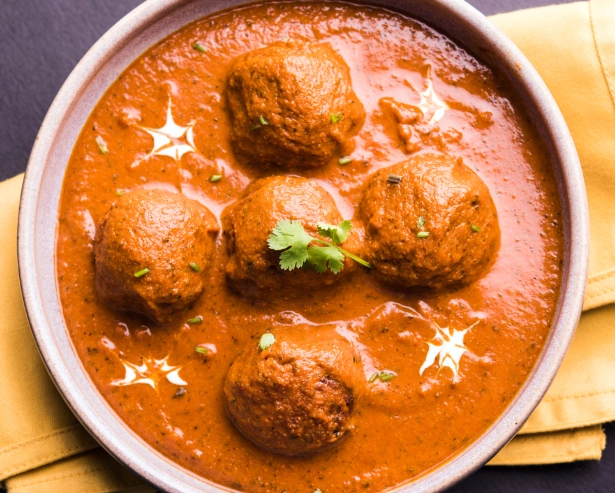
This guide isn't about turning you into a professional chef overnight. It's about giving you the confidence, the key recipes, and the straight talk to start cooking real, delicious Indian food at home. We're going to skip the fluff and get right to the good stuff.
The Foundation: What You Really Need to Start
Before you run out and buy every spice in the store, let's talk basics. You don't need a tandoor oven or specialized equipment. Your standard pots, pans, and a good blender or food processor will do just fine. A heavy-bottomed pot or Dutch oven is your best friend for slow-cooked curries—it distributes heat evenly and prevents burning.
The real investment is in your spice cabinet. But even that doesn't have to break the bank. You can start small.
Where you source your spices matters more than you think. That dusty jar of ground cumin that's been in your cabinet since 2018? Toss it. The flavor in Indian cooking comes from freshness. Whole spices, toasted and ground yourself, are a game-changer. I buy my whole spices from a local Indian grocery store or a reputable online retailer. The difference in aroma and potency is night and day compared to most supermarket brands. For pre-ground spices you use often (like turmeric or red chili powder), try to buy from stores with high turnover.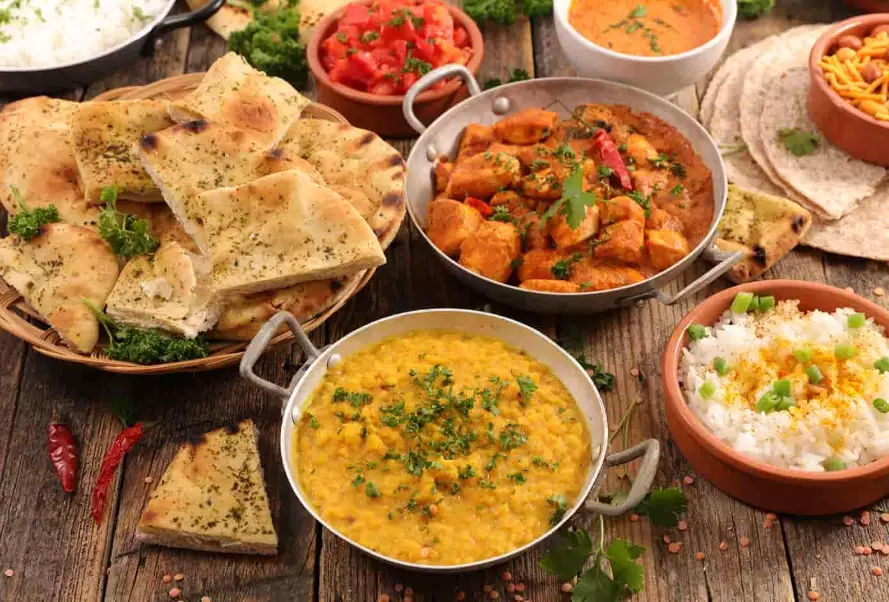
The Non-Negotiable Spice Pantry
Here’s my curated list. You don't need all of these on day one, but this is your target. I've organized them by how you'll use them.
| Spice | Form (Whole/Ground) | Its Job in Your Homemade Indian Food | Beginner Priority |
|---|---|---|---|
| Cumin Seeds | Whole & Ground | The earthy, warm backbone. Often the first spice in the oil. | Top Priority |
| Coriander Seeds | Whole & Ground | Citrusy, floral, and sweet. Balances heat and adds complexity. | Top Priority |
| Turmeric Powder | Ground | Earthy, pungent, and gives that iconic golden color. Anti-inflammatory too! | Top Priority |
| Garam Masala | Ground (Blend) | A warming blend (cinnamon, cardamom, cloves, etc.). Added at the END of cooking. | Top Priority |
| Mustard Seeds | Whole (black or yellow) | Pop them in hot oil for a nutty, pungent flavor. Essential for South Indian and tempering. | High |
| Cardamom Pods | Whole (green) | Intensely aromatic and floral. Used in sweets and savory dishes. Crush pods lightly before using. | High |
| Red Chili Powder | Ground | Provides heat and color. Kashmiri chili powder is milder and gives a vibrant red. | Medium |
| Fenugreek Seeds | Whole & Leaves (Kasuri Methi) | Bitter, maple-syrup aroma in small doses. Dried leaves are a secret weapon for restaurant flavor. | Medium (Get the dried leaves first) |
See? Not so scary. With just the top four, you can make a huge variety of dishes.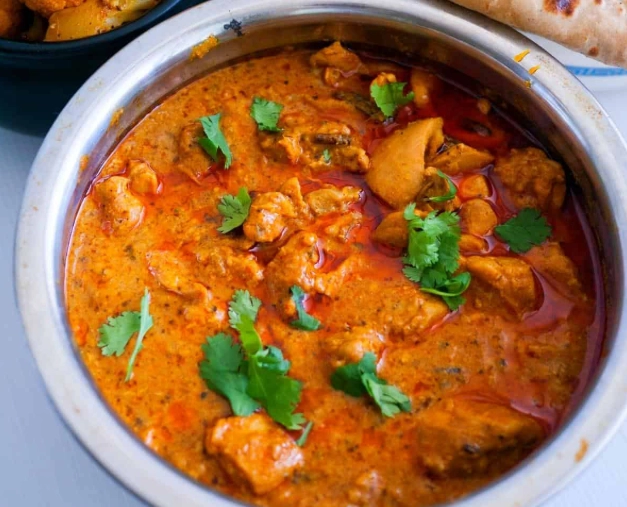
Let's Cook: Three Foolproof Recipes to Build Your Confidence
Enough theory. Let's get cooking. I've chosen three dishes that teach you fundamental techniques. Master these, and you can tackle hundreds of others.
1. The Weeknight Hero: Simple Chicken Curry (Murgh Masala)
Why this recipe works: It teaches you the foundational technique of creating a "masala" base—onions, tomatoes, ginger, garlic, and spices cooked down into a thick, flavorful gravy. It's versatile, forgiving, and freezes beautifully.
What you'll learn: Browning onions properly, balancing tomatoes, and simmering a curry to tender perfection.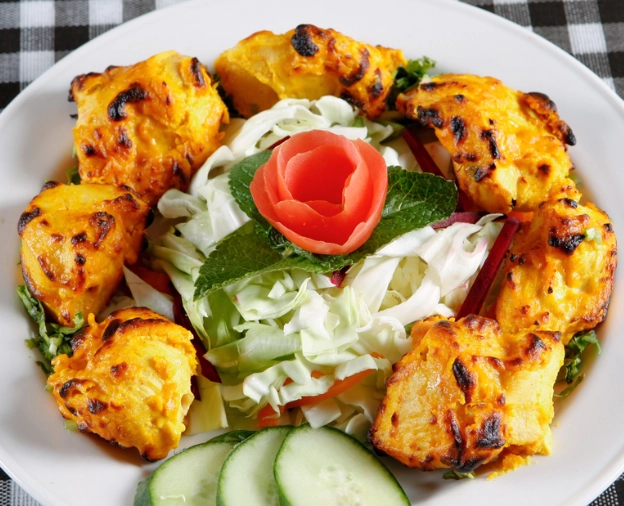
My personal tweak: I add a tablespoon of plain yogurt at the end for a touch of creaminess without heavy cream. Also, a big pinch of dried fenugreek leaves (kasuri methi) rubbed between your palms before stirring in is the restaurant secret you've been looking for.
The biggest beginner trap here? Impatience. Rushing the onion-cooking stage leads to a raw, sweet taste instead of a deep, caramelized base. Give it a good 15-20 minutes on medium-low heat. Stir occasionally. Let them turn a lovely golden brown. This step is non-negotiable for great homemade Indian food.
2. The Comfort Bowl: Red Lentil Dal (Masoor Dal)
If you only learn one Indian dish, make it dal. It's the ultimate comfort food, packed with protein, and infinitely customizable. This is where you learn the magic of "tadka" or "chaunk"—tempering whole spices in hot oil or ghee and pouring it over the finished dish. The sizzle releases incredible aromas.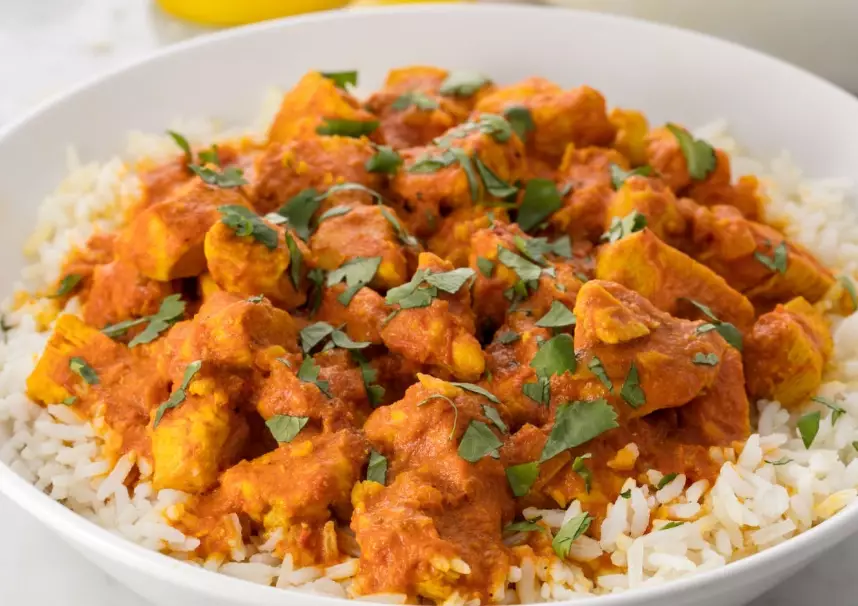
The process is simple.
Cook rinsed red lentils with turmeric and water until mushy. In a separate small pan, heat ghee or oil. Add a teaspoon of cumin seeds and let them sizzle. Add a few crushed garlic cloves, a dried red chili, and a pinch of asafoetida (if you have it) for about 30 seconds until fragrant. Then, carefully pour this entire sizzling mixture into the cooked dal. It will bubble and foam dramatically. Stir it in. The transformation is instant—a simple lentil soup becomes something complex and heavenly.
3. The Crowd-Pleaser: Baked Samosas (Yes, Baked!)
Everyone loves samosas, but deep-frying can be messy and intimidating. My workaround? A baked version with a whole-wheat olive oil crust. Are they exactly like the fried street food version? No. But are they delicious, flaky, and guilt-free? Absolutely. They're perfect for parties and a fantastic project for a weekend afternoon.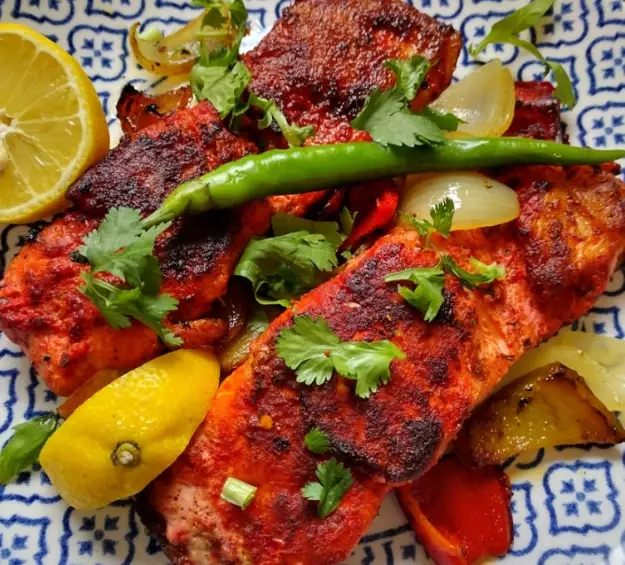
The filling is the star: boiled and mashed potatoes, peas, and a vibrant mix of cumin, coriander, amchur (dried mango powder for tang), and garam masala. The key is to let the filling cool completely before stuffing the pastry.
Leveling Up: Techniques That Make All The Difference
Once you're comfortable with the recipes above, these techniques will take your homemade Indian food from good to "how did you make this?!"
- The Onion-Tomato Base (Masala): We touched on this. The ratio and cooking time vary by region. A North Indian butter chicken uses a much richer, creamier, and longer-cooked base than a South Indian coconut curry. Play with it.
- Blooming Spices: Adding ground spices to the hot oil-onion mixture for just 30-60 seconds before adding liquids. This "blooms" their oils and intensifies their flavor dramatically. Just don't burn them!
- Marinating: Using yogurt, lemon juice, ginger-garlic paste, and spices to tenderize and flavor meat for kebabs or tandoori-style dishes. Overnight is best.
- Using Dairy: Cream, yogurt, and milk are often added at the end to create richness and mellow heat. A pro tip: temper your dairy. Mix a little of the hot curry into your cold yogurt/cream before adding it all back in. This prevents curdling.
Answering Your Burning Questions (The FAQ)
Taking It Further: Resources and Inspiration
When you're ready to dive deeper, the internet is your oyster. But quality varies. I look for resources that focus on technique and explain the "why."
For understanding the science and history behind Indian spices and cooking methods in a global context, the food science sections of reputable outlets like BBC Food or Serious Eats often have brilliant, well-researched articles that can be applied to Indian techniques.
But honestly? Some of the best lessons come from watching people cook. Search for "grandma makes [dish name]" or look for home cooks from specific Indian regions on YouTube. You'll see the little touches—the way they crush ginger with the side of a knife, the sound the oil makes when the tempering is ready, the consistency they're looking for. It's invaluable.
So, what are you waiting for? Pick one recipe from this guide. Gather your spices. Put on some music. And start. Your first attempt might not be perfect, and that's fine. Mine certainly wasn't. But the journey of creating vibrant, soul-satisfying homemade Indian food in your own kitchen is one of the most delicious adventures you can have.
Just remember: start simple, be patient with your onions, and don't be afraid to taste and adjust as you go. That's the real secret, passed down in home kitchens for generations. Now, go make something amazing.