Jump to Sections
- Why Bother With Indian Food for Kids Anyway?
- The Golden Rules for Kid-Friendly Indian Cooking
- Your Starter Pantry for Easy Indian Recipes for Kids
- Top Easy Indian Recipes for Kids (They'll Actually Eat)
- How to Get Kids Involved (Without Creating Chaos)
- Answering Your Biggest Worries (FAQs)
- Final Thoughts: You've Got This
Okay, let's have an honest chat. You're probably here because the idea of making Indian food for your kids feels… daunting. Maybe you're picturing a long list of spices you can't pronounce, hours spent by the stove, and that inevitable moment when your little one pushes the plate away because it's "too spicy." I get it. I've been there, standing in my kitchen with a jar of turmeric, wondering if this is a battle worth fighting.
But what if I told you it doesn't have to be that way? Indian cuisine is a treasure trove of simple, nutritious, and incredibly flavorful dishes that are perfect for family meals. The secret is knowing where to start and how to adapt. Forget the complex restaurant-style curries for now. We're talking about easy Indian recipes for kids that are weeknight-friendly, mild on the heat, and big on comfort.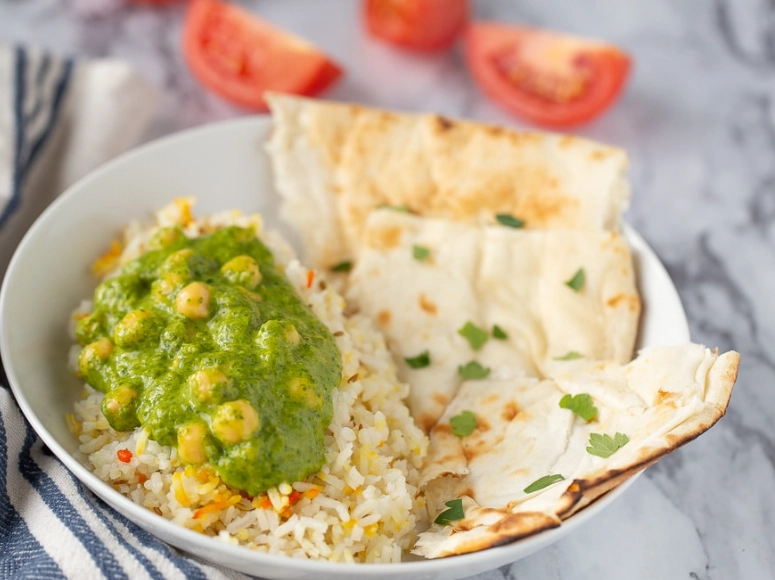
Think creamy lentil soups, fluffy spiced rice, soft flatbreads perfect for dipping, and mild chicken dishes that are packed with flavor, not fire. The goal isn't to replicate a five-star curry house. The goal is to get a healthy, delicious, and stress-free dinner on the table that everyone—yes, even the picky one—will actually eat.
Why Bother With Indian Food for Kids Anyway?
Before we dive into the recipes, let's talk about the "why." It's not just about variety (though that's a great bonus). Indian cooking has some serious advantages for growing kids.
First, it's a fantastic way to incorporate legumes, lentils, and vegetables in a way that feels exciting. Lentils (dal) are a staple protein source and are often cooked into creamy, soupy textures that are easy for small mouths to manage. Second, the use of spices like turmeric, cumin, and coriander isn't just for flavor. Many have noted digestive and anti-inflammatory properties. For instance, the National Center for Complementary and Integrative Health provides research perspectives on turmeric (curcumin), a common ingredient. Remember, we're talking about culinary amounts, not supplements, which adds a gentle layer of goodness to the meal.
Most importantly, introducing a wide range of flavors early on can help develop more adventurous palates. Starting with mild, creamy, or slightly sweet versions of Indian dishes can be a gateway to a world of food.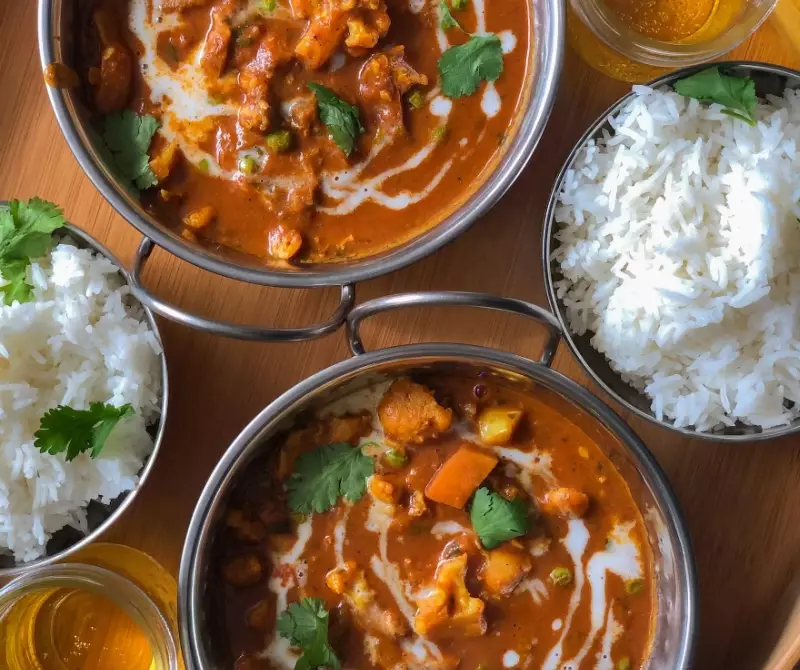
The Golden Rules for Kid-Friendly Indian Cooking
I learned these the hard way, after a few failed experiments that ended with cereal for dinner. Follow these, and you'll skip the tears (yours and theirs).
- Spice is Nice, Heat is Optional: Indian flavor comes from aromatic spices (garam masala, cumin, coriander), not just chili powder. You can build incredible flavor without a single speck of red chili. Save the heat for the adults' portion by adding chili flakes or a spicy chutney on the side.
- Creaminess is Your Friend: Yogurt, cream, coconut milk, and pureed tomatoes or cashews create rich, smooth sauces that coat food beautifully and temper any sharp spice edges. Kids love dippable, saucy textures.
- Familiar Formats Win: Serve curries over plain rice or with soft naan for dipping. Offer sides of cooling yogurt (raita). Presenting new flavors in a familiar context (like a "soup" or a "dip") reduces mealtime resistance.
- Involve Them: Let kids sprinkle the garnish (cilantro, sev), help knead chapati dough, or stir the pot (safely!). Ownership makes them more likely to try the final product.
Your Starter Pantry for Easy Indian Recipes for Kids
You don't need a wall of spices. Start with these basics. You can find most in the international aisle of any major supermarket.
| Spice/Ingredient | Flavor Profile | Kid-Friendly Role |
|---|---|---|
| Turmeric Powder | Earthy, warm, slightly bitter | Gives a warm yellow color, mild flavor. Often used in very small amounts. |
| Cumin Seeds/Powder | Nutty, warm, earthy | The backbone of flavor. Toasting seeds lightly brings out a nuttiness kids enjoy. |
| Coriander Powder | Light, lemony, floral | Adds a fresh, citrusy note that brightens dishes without heat. |
| Garam Masala | Warm, sweet blend (cinnamon, cardamom, cloves) | A finishing spice. Smells like autumn. Adds complexity without chili heat. |
| Red Chili Powder | HOT. Use with caution. | Leave this out of the main pot! Add only to adult portions. |
| Ginger-Garlic Paste | Pungent, aromatic base | Use a light hand. Sautéing well removes raw bite, leaves sweet aroma. |
| Lentils (Masoor Dal, Moong Dal) | Mild, nutty, creamy when cooked | Perfect protein source for soups and stews. Cooks quickly. |
See? Not so scary. With just these, you can make a dozen different easy Indian recipes for kids.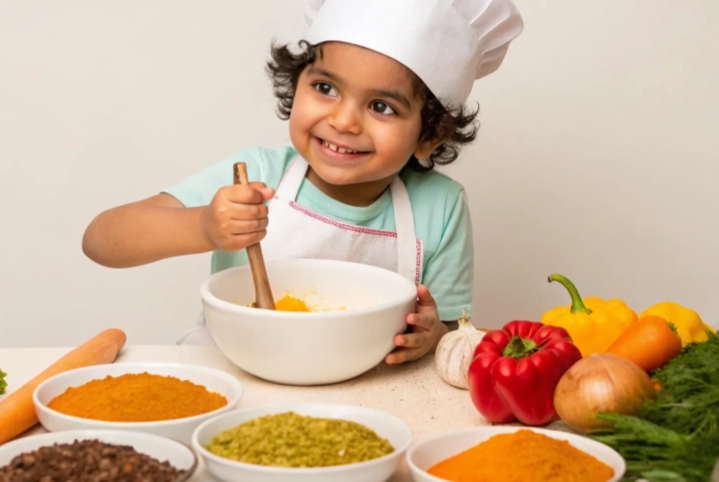
Top Easy Indian Recipes for Kids (They'll Actually Eat)
These are my go-to, tested-on-real-kids (and skeptical spouses) recipes. They're categorized by mealtime to make your life easier.
Breakfast & Quick Snacks
Sooji Halva (Creamy Semolina Pudding)
Ready in 15 mins | Serves 4 | No Chili
This is the ultimate gateway dish. It's warm, sweet, and pudding-like—think of it as Indian cream of wheat, but way more delicious. It's a common comfort food for kids in India.
What You'll Need:
- 1/2 cup fine semolina (sooji/rava)
- 1/4 cup ghee or unsalted butter
- 1/2 cup sugar (adjust to taste)
- 2 cups whole milk
- 10-12 raw cashews or almonds, chopped
- 1/4 tsp cardamom powder
- A pinch of saffron strands (optional, but lovely)
How to Make It:
- Heat the ghee in a non-stick pan on medium heat. Throw in the nuts and toast them until golden. Scoop them out and set aside.
- In the same ghee, roast the semolina. Stir constantly for 5-7 minutes until it smells nutty and turns a light golden color. This step is crucial for flavor.
- Meanwhile, warm the milk slightly (microwave or stove).
- Carefully pour the warm milk into the roasted semolina. Stand back a little—it will splutter! Stir vigorously to avoid lumps.
- Keep stirring as it thickens. Add the sugar, cardamom, and saffron. Cook for another 3-4 minutes until it comes together like a thick pudding.
- Turn off the heat, stir in the toasted nuts, and serve warm. It's heaven in a bowl.
Perfect for a cozy weekend breakfast or an after-school snack.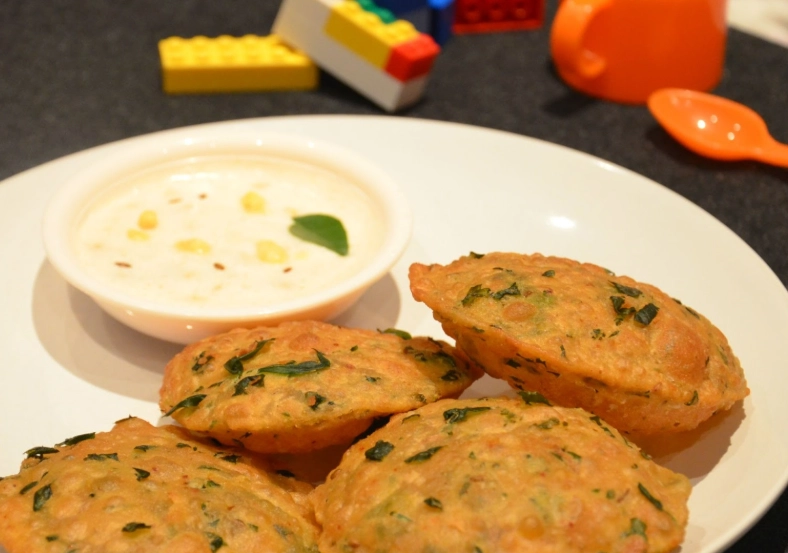
Lunchbox & Dinner Heroes
Yellow Dal (Mild Lentil Soup)
Ready in 30 mins | Serves 4-6 | No Chili
This is the ultimate easy Indian recipe for kids. Dal is to India what chicken soup is to many other cultures—hug in a bowl. This version uses moong dal (split yellow lentils) which cook fast and have a gentle, slightly sweet flavor.
What You'll Need:
- 1 cup moong dal (split yellow lentils)
- 3 cups water
- 1 medium tomato, chopped
- 1/2 tsp turmeric powder
- 1 tsp salt (or to taste)
- 2 tbsp ghee or neutral oil
- 1 tsp cumin seeds
- A pinch of asafoetida (hing, optional but aids digestion)
- 1-2 dried red chilies (FOR THE TADKA/TAHKA - adult flavor boost!)
How to Make It:
- Rinse the dal until the water runs clear. Combine it in a pot with 3 cups water, tomato, turmeric, and salt.
- Bring to a boil, then lower heat, cover partially, and simmer for 20-25 minutes until the dal is completely soft and mushy. You can mash it a bit with the back of a spoon for a creamier texture.
- Now, the magic step: the "tadka." In a small pan, heat the ghee. Add cumin seeds and let them sizzle for 10 seconds. If using, add the asafoetida. Here's the kid-friendly trick: Pour half of this fragrant ghee into the dal and stir. This is the base flavor for everyone.
- To the remaining ghee in the pan, add the dried red chilies. Let them sizzle and darken slightly. Pour this spicy ghee over only the adult portions in their individual bowls.
- Serve the mild dal over steamed rice or with chapati. A dollop of plain yogurt on the side is perfect.
See how easy that was? One pot, two flavor levels. Everyone's happy.
Chicken Tikka Masala (The Mild, Creamy Version)
Ready in 40 mins | Serves 4 | Customizable Heat
Yes, you can make this at home, and no, it doesn't need to be fiery. This is a simplified, baked version that cuts down on oil and fuss.
For the Chicken:
- 1.5 lbs boneless, skinless chicken thighs, cut into bite-sized pieces
- 1/2 cup plain full-fat yogurt
- 1 tbsp ginger-garlic paste
- 1 tsp paprika (for color, not heat)
- 1/2 tsp garam masala
- 1/2 tsp salt
- 1 tbsp lemon juice
For the Sauce:
- 1 tbsp oil
- 1 medium onion, finely chopped
- 1 tbsp ginger-garlic paste
- 1 tsp ground cumin
- 1 tsp ground coriander
- 1/2 tsp turmeric
- 1 can (14 oz) tomato puree or crushed tomatoes
- 1/2 cup heavy cream or coconut milk
- 1 tsp sugar (balances the tomatoes)
- Salt to taste
- 1 tsp garam masala (added at the end)
- Chopped cilantro for garnish
How to Make It:
- Marinate: Mix all chicken ingredients. Let it sit for 20 mins (or overnight for best results). Preheat oven to 425°F (220°C).
- Bake: Spread chicken on a parchment-lined baking sheet. Bake for 15-20 mins until cooked through and slightly charred at edges.
- Sauce: While chicken bakes, heat oil in a large pan. Cook onion until soft and golden. Add ginger-garlic paste, cook for 1 min. Add cumin, coriander, turmeric. Stir for 30 seconds until fragrant.
- Pour in tomato puree, sugar, and salt. Simmer for 10 mins until thickened. Stir in cream and garam masala.
- Add the baked chicken pieces to the sauce. Simmer together for 5 mins. Garnish with cilantro.
Serve this with rice or naan. The sauce is the star—creamy, tangy, and deeply flavorful without relying on chili heat.
How to Get Kids Involved (Without Creating Chaos)
Cooking shouldn't be a spectator sport. Getting kids involved is the single best way to build their interest in new foods. Here are age-appropriate tasks:
- Toddlers (3-5): Washing vegetables (they love water play), tearing cilantro or spinach leaves, sprinkling pre-measured spices into a bowl, using a cookie cutter on chapati dough.
- Young Kids (6-9): Measuring ingredients, kneading chapati dough (it's like play-doh!), stirring the dal (under supervision), setting the table with Indian-themed decor they draw.
- Tweens (10+): Sautéeing onions (with guidance), following a simple recipe step, making their own raita by mixing yogurt and grated cucumber, helping with the tadka.
Answering Your Biggest Worries (FAQs)
I've heard all the questions from friends and readers. Let's tackle them head-on.
Won't the spices upset my child's stomach?
In the small amounts used for flavor in these easy Indian recipes for kids, spices like cumin, coriander, and turmeric are generally very gentle. In fact, cumin and ginger are often used to aid digestion. The key is to start with tiny amounts and use whole spices (like cumin seeds) toasted and cooked well, which makes them more digestible than raw powder. Always introduce one new spice at a time so you can monitor any reaction.
My kid only eats beige food. How do I introduce colorful curries?
Start with beige! Seriously. Dishes like plain jeera (cumin) rice, lightly spiked with peas, or a simple dal that's more yellow than fiery red. Sooji halva (the semolina pudding) is a perfect beige starting point. You can also serve the colorful sauce (like the tikka masala) on the side as a "dipping sauce" for their familiar chicken pieces or naan bread, letting them control the interaction.
Are these recipes actually nutritious?
Absolutely. When you cook at home, you control the ingredients. These recipes focus on lean proteins (lentils, chicken), complex carbs (whole wheat chapati, rice), vegetables cooked into sauces, and healthy fats (ghee in moderation, nuts). The use of yogurt and tomatoes provides calcium and vitamins. For official guidelines on building a healthy plate for kids, resources like the MyPlate guidelines from the USDA are a great reference, and these recipes can easily fit into that framework.
I don't have an Indian grocery store nearby. Can I still make this?
Yes! The core spices—turmeric, cumin powder, coriander powder, and garam masala—are increasingly common in the spice aisle of large supermarkets. For lentils, check the bulk food or health food section for red or yellow lentils. Online retailers also carry everything you need. Don't let lack of a specialty store stop you.
Final Thoughts: You've Got This
Look, I'm not going to pretend every meal will be a wild success. Some nights, despite your best efforts, they might just eat the rice and yogurt. And that's okay. The goal is exposure, not perfection.
The world of easy Indian recipes for kids is vast and forgiving. Start with one dish—maybe the Yellow Dal or the Sooji Halva. Make it a few times until it feels like yours. Then try another. Celebrate the small wins: when they try a new flavor, when they help stir the pot, when they ask for seconds.
Cooking should be fun, a way to connect and nourish. Indian food, with its vibrant colors, warm aromas, and rich stories, offers a beautiful way to do just that for your family. So grab that jar of turmeric, take a deep breath, and start simple. Your next favorite family meal might just be a spice blend away.
Oh, and one last thing? The kitchen might smell amazing for hours. Consider that a bonus.