Quick Guide
- Your Fear-Free Guide to Indian Chicken at Home
- The Recipes: Tried, Tested, and Weeknight-Approved
- How to Choose Your First Recipe: A Quick Comparison
- Answers to the Questions You're Probably Typing Into Google
- Taking Your Easy Indian Chicken Recipes to the Next Level
- The Real Goal: Making It Your Own
Let's be honest. You see a recipe for butter chicken and your mouth waters, then you scroll down. Twenty-eight ingredients. Three hours of marinating. A dozen spices you've never heard of. You close the tab and order pizza instead. I've been there more times than I care to admit.
But here's the thing I learned after burning my first attempt at a curry (I used cinnamon instead of cumin, don't ask): authentic Indian flavor doesn't have to be complicated. The real magic of Indian home cooking is in its adaptability and heart. It's about getting a delicious, satisfying meal on the table without needing a degree in spiceology.
That's what this whole guide is about. We're stripping away the intimidation and focusing on the easy Indian recipes chicken that are genuinely doable. The ones that use spices you can find, steps you can follow, and deliver that warm, aromatic flavor you're craving. No fancy equipment, no obscure ingredients hiding in the back of a specialty store. Just good food, made simple.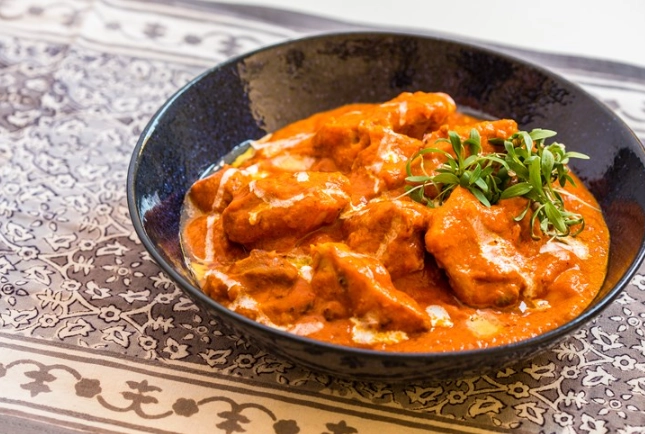
Your Fear-Free Guide to Indian Chicken at Home
Before we jump into the recipes, let's clear the air. The biggest hurdle isn't skill—it's confidence. You might worry about which spices are essential, whether you can substitute something, or if the whole process is just too slow.
I used to think I needed every single spice listed. Then I tried making a simple chicken curry with just four: cumin, coriander, turmeric, and garam masala. It was a revelation. It was *good*. It wasn't "restaurant-style," but it was deeply flavorful, comforting, and mine. That's the goal here.
The Non-Negotiable Spice Starter Kit
You can build countless easy Indian chicken recipes from this short list. Don't feel pressured to buy all at once. Start with the first three, then add garam masala.
- Ground Cumin: Earthy, nutty, foundational. It's in almost everything.
- Ground Coriander: Citrusy, sweet, and floral. It balances the heat.
- Turmeric: Earthy, peppery, and gives that iconic golden color. (Warning: it stains like crazy).
- Garam Masala: The magic blend. It's a pre-mixed powder of warming spices like cardamom, cloves, cinnamon. It's your flavor finisher.
See? That's manageable. You probably have cumin already. From here, you can expand if you get hooked—things like mustard seeds, Kashmiri chili powder (milder and brighter red), or dried fenugreek leaves (kasoori methi) add incredible depth. But you don't need them to start.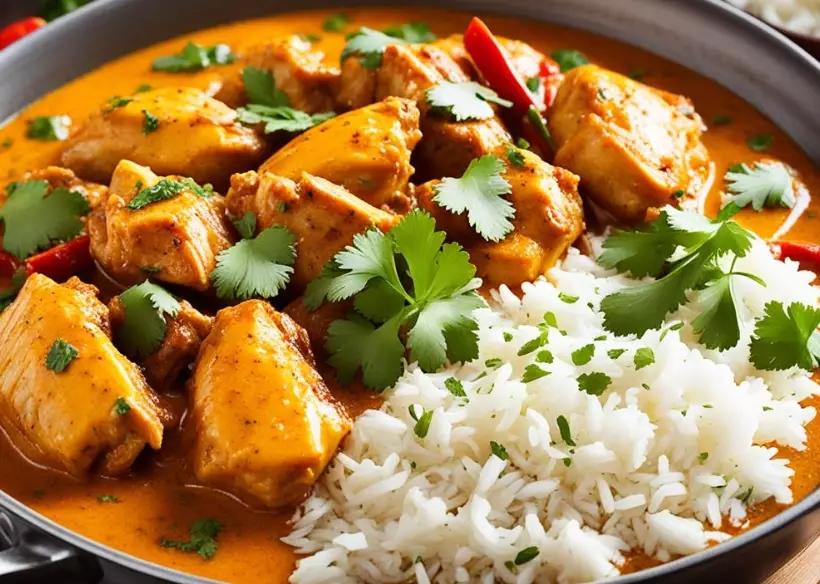
The Protein: Thighs vs. Breasts (The Eternal Debate)
This is where I have a strong opinion. For most easy Indian recipes for chicken, especially curries, bone-in, skin-on chicken thighs are the undisputed champion. I know, I know. Breasts are leaner and quicker. But hear me out.
Thighs are forgiving. They don't dry out when you simmer them in a sauce for 20 minutes. They stay juicy and absorb flavors like a dream. The bones and skin add immense flavor to the dish as it cooks. If you're really pressed for time or prefer white meat, boneless, skinless thighs are a great middle ground. Chicken breasts can work in a pinch for quicker stir-fry styles like chicken tikka masala, but you have to be vigilant not to overcook them into rubber.
My personal rule? Weeknight comfort curry = thighs. Lighter, quicker lunch prep = breast chunks, marinated and cooked fast.
The Recipes: Tried, Tested, and Weeknight-Approved
Alright, let's get to the good stuff. These three recipes are my go-tos. They cover different styles, cooking methods, and flavor profiles. Each one is designed to be straightforward, with clear steps and room for your own tweaks.
1. The 30-Minute Chicken Tikka Masala (The Crowd-Pleaser)
This is probably the most-searched easy Indian chicken recipe online for a reason. It's creamy, mildly spiced, and universally loved. My version cuts corners without cutting flavor, using tomato paste and cream for a rich sauce that comes together in the time it takes to cook the rice.
What you'll love: It feels indulgent. The yogurt-marinated chicken stays tender, and the sauce is perfect for mopping up with naan. It's a guaranteed hit with kids and adults alike.
The shortcut: We skip the traditional tandoori oven step for the chicken. Instead, we pan-sear or broil the marinated chunks to get some color and flavor, then simmer them briefly in the sauce. It's not 100% authentic, but it's 100% delicious and doable on a random Wednesday.
Key Ingredients: Boneless chicken (thighs or breast), plain yogurt, tomato paste, heavy cream or coconut milk, garam masala, ginger, garlic.
Pro tip I learned the hard way: Don't skip blooming your spices. After you cook the onions and ginger-garlic paste, add the dry spices (garam masala, paprika) to the hot oil for just 30 seconds before adding the tomato paste. It wakes up their oils and makes the flavor pop. The difference is noticeable.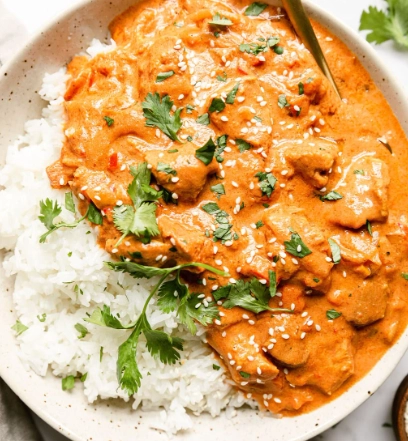
2. One-Pot Chicken & Potato Curry (The No-Fuss Comfort Food)
This is the ultimate lazy-day curry. Everything goes into one pot. You brown the chicken, sauté the aromatics, throw in potatoes and spices, add water, and let it simmer. The potatoes thicken the sauce, and you get a complete meal with minimal cleanup.
What you'll love: The hands-off time. Once it's simmering, you can set a timer and walk away. The result is a hearty, wholesome curry that tastes like it cooked all day.
The shortcut: It's all in the one pot. No separate marination, no pre-cooking components. It's rustic, home-style cooking at its best. This is a fantastic entry point for your first easy Indian chicken curry attempt.
Key Ingredients: Bone-in chicken pieces (legs or thighs work great), potatoes, onions, tomatoes (canned are fine), cumin, coriander, turmeric.
My personal tweak: I love adding a handful of fresh spinach or frozen peas in the last 5 minutes of cooking. It adds color and a little veggie boost without extra effort.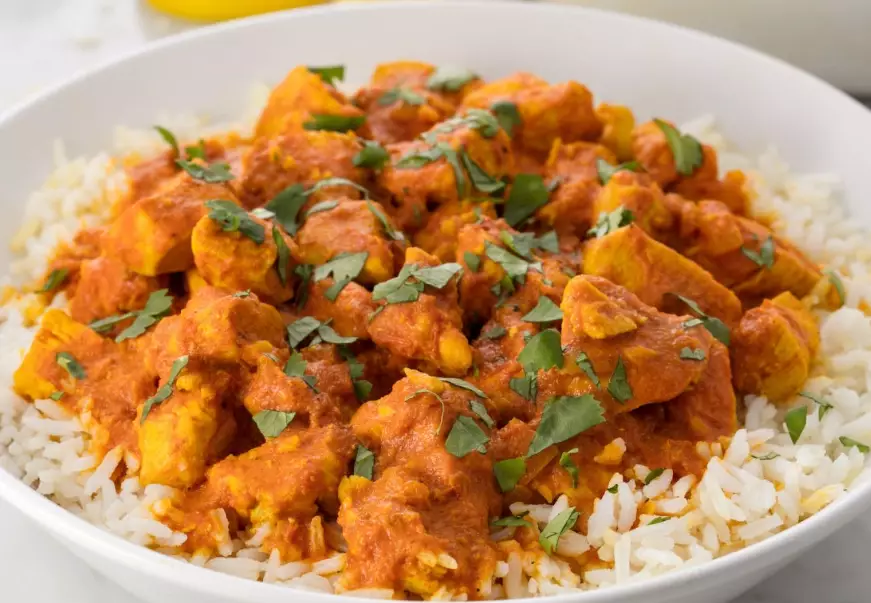
3. Baked Lemon Turmeric Chicken (The "Healthy-ish" Option)
Not every Indian chicken dish is a heavy curry. This one is bright, vibrant, and cooked in the oven on a sheet pan. It's marinated in a simple blend of yogurt, turmeric, lemon, and garlic, then baked until juicy and slightly charred at the edges.
What you'll love: How light and fresh it feels. The lemon cuts through the richness of the yogurt, and the turmeric gives it a beautiful color and anti-inflammatory boost. It's great with a simple salad or quinoa.
The shortcut: The oven does all the work. Marinate it in the morning (or even just 30 minutes before), throw it on a tray, and bake. Minimal active cooking time.
Key Ingredients: Chicken pieces (I prefer bone-in for this), plain yogurt, fresh lemon juice and zest, lots of turmeric, garlic, a touch of oil.
A warning: The high heat can cause the yogurt marinade to darken quickly. Don't panic if it looks a little blackened in spots—that's just caramelized flavor. But keep an eye on it to prevent burning.
See? Three different paths to the same destination: a delicious Indian-inspired chicken dinner without the stress.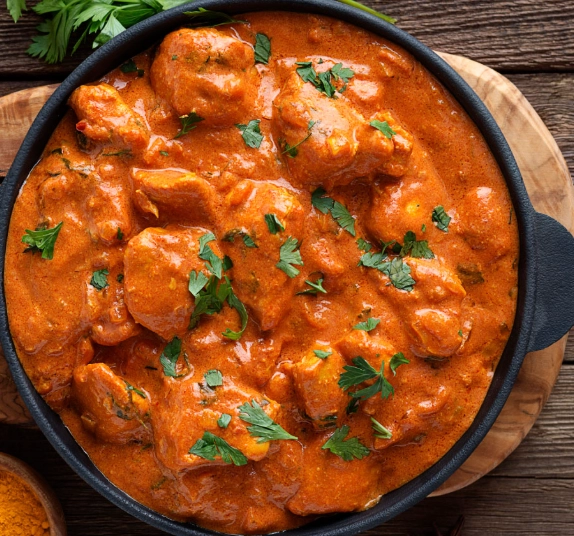
How to Choose Your First Recipe: A Quick Comparison
Stuck deciding? This table breaks down which easy Indian chicken recipe might suit your mood and time.
| Recipe | Best For | Active Time | Key Flavor Profile | Leftover Quality |
|---|---|---|---|---|
| 30-Min Chicken Tikka Masala | Impress guests, family dinner | ~25 mins | Creamy, rich, aromatic | Excellent (flavors deepen) |
| One-Pot Chicken & Potato Curry | Comfort food, minimal cleanup | ~20 mins | Hearty, earthy, savory | Very Good |
| Baked Lemon Turmeric Chicken | Lighter meal, meal prep | ~15 mins | Bright, tangy, fresh | Good |
Honestly, you can't go wrong with any of them. Start with the one that makes your stomach growl the loudest.
Answers to the Questions You're Probably Typing Into Google
I've gotten a lot of emails and comments over the years. These are the real questions people have when they're standing in their kitchen, spice jar in hand.
Taking Your Easy Indian Chicken Recipes to the Next Level
Once you've mastered a basic curry or two and your confidence is up, here are a few simple upgrades that make a huge difference.
- Bloom Your Whole Spices: If you buy cumin seeds or mustard seeds, try this. Heat oil, add the whole seeds, and let them sizzle for 30 seconds until fragrant (mustard seeds will pop!). Then add your onions. This technique, called tadka, adds a deep, toasted flavor base.
- The Ginger-Garlic Paste Power-Up: Instead of powder, use fresh. Equal parts peeled ginger and garlic cloves, smashed into a rough paste with a mortar and pestle or grated on a microplane. The flavor is brighter and more potent. You can even make a batch and freeze it in an ice cube tray.
- Finish with Freshness: A garnish isn't just for looks. A squeeze of fresh lime juice, a handful of chopped cilantro, or a dollop of cool yogurt on a hot curry right before serving balances and lifts all the flavors.
I started with jarred ginger-garlic paste. It worked fine. Moving to fresh was a game-changer, but only do it when you're ready. Don't let perfection be the enemy of a very good dinner.
The Real Goal: Making It Your Own
At the end of the day, the best easy Indian recipes chicken are the ones you make repeatedly. The ones you tweak to your family's taste. A little more chili powder for heat. A spoonful of honey if the tomatoes are too acidic. Peas instead of spinach. Coconut milk because you're out of cream.
That's how Indian home cooking lives and breathes. It's adaptable. It's forgiving. It's meant to nourish and comfort, not to be a rigid, stressful performance.
So pick a recipe from above. Gather your four basic spices. Take a deep breath. And just start. The first time might not be perfect (mine certainly wasn't), but it will be tasty, it will be homemade, and it will be a step toward making these incredible flavors a regular, easy part of your cooking life.
You've got this. Now go turn on the stove.