Quick Guide
- The Foundation: It All Starts With Treating Spices Right
- Mastering the Holy Trinity (And Its Variations)
- The Tomato Dilemma: Cooking Out the Acidity
- Layering Spices: The Time-Based Strategy
- The Role of Dairy and Nuts: Body and Balance
- Equipment: Do You Need Special Gear?
- Frequently Asked Questions (The Real Ones We All Have)
- Putting It All Together: A Mental Checklist
Let's be honest. You've followed an Indian recipe to the letter, measuring every teaspoon, simmering for the exact time, and still... something's off. It's tasty, sure, but it doesn't have that deep, restaurant-quality magic. That haunting fragrance, the layers of flavor that unfold one after the other, the perfect balance where you can't pinpoint any single spice. What's missing? It's rarely the ingredients. It's almost always the technique—the quiet, often unspoken Indian cooking secrets passed down through generations.
I learned this the hard way. My first butter chicken was a bland, orange soup. My biryani was just spicy rice with chunks of chicken. It was frustrating. The breakthrough came not from another recipe, but from watching my friend's grandmother in Delhi. She wasn't reading measurements. She was listening to the crackle of cumin in oil, smelling the moment the ginger lost its raw edge, judging doneness by how the oil separated from the gravy. That's where the real secrets live.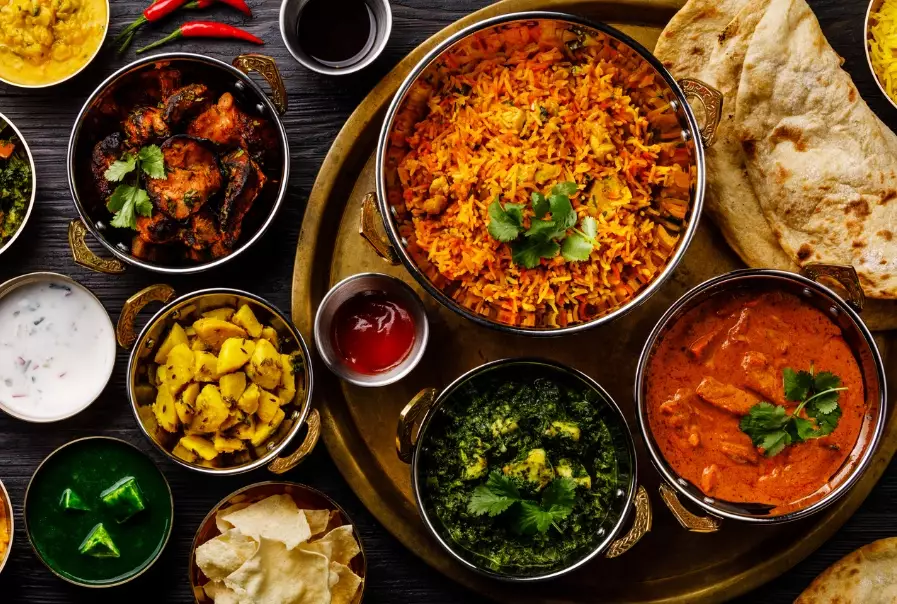
This guide isn't about giving you one more list of spices. It's about teaching you how to use them. We're going to move beyond the basic "add turmeric and cumin" instructions and dig into the why and how. These are the methods that transform a list of spices into a symphony.
The Foundation: It All Starts With Treating Spices Right
Think of your spices as living things. They have oils, aromas, and flavors that are trapped inside. Your job as a cook is to release them at the right time and in the right way. This is the cornerstone of authentic flavor, and honestly, most pre-ground spices you buy have already lost half their soul by the time they hit your shelf.
Whole vs. Ground: A Game Changer
This is non-negotiable for certain spices. Cumin, coriander, cardamom, peppercorns—their flavor compounds are volatile. Grinding them releases these compounds, and they start fading immediately. A bag of pre-ground cumin powder has a generic, dusty flavor. Whole cumin seeds, toasted and ground just before use, are floral, citrusy, and complex. It's a different ingredient altogether.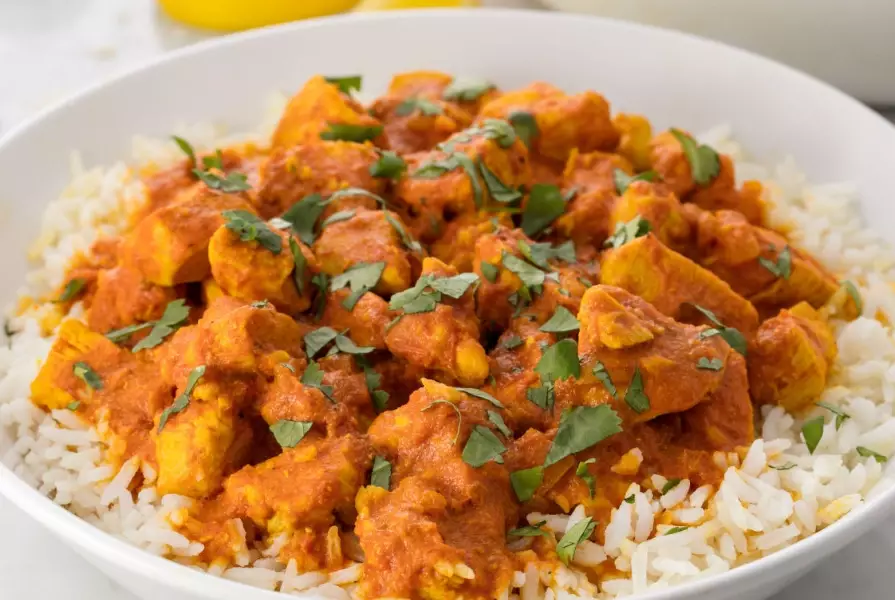
So, which spices should you always buy whole? Here's my practical list:
- Non-negotiable (Always Whole): Cumin seeds, coriander seeds, black peppercorns, green cardamom pods, brown mustard seeds.
- Highly Recommended: Fennel seeds, fenugreek seeds, dried red chilies (like Kashmiri).
- Okay to Buy Pre-ground: Turmeric, asafoetida (hing), chili powder (if you're using it for color and heat, not primary flavor).
The Art of Blooming Spices (Tadka/Baghaar)
This might be the single most important Indian cooking secret you can learn. Blooming, known as *tadka* or *baghaar*, is the technique of frying whole or ground spices in hot oil or ghee. Heat unlocks fat-soluble flavor compounds that water never can. It transforms raw, harsh spice flavors into rounded, nutty, deeply integrated ones.
There are two main ways, and using the wrong one can ruin a dish:
| Technique | How To Do It | Best For | Classic Example |
|---|---|---|---|
| Hot Oil Bloom (Start of Cook) | Heat oil/ghee until shimmering. Add whole spices (cumin, mustard seeds). They should sizzle and pop immediately. Cook for 30-60 seconds until fragrant, then add onions/ginger. | Curries, dals, sabzis (vegetable dishes). Lays the foundational flavor layer. | Most North Indian curries start with cumin seeds in hot oil. |
| Tempered Finish (End of Cook) | Prepare dish. In a small pan, heat a few tbsp of oil/ghee. Fry additional spices (garlic, dried chilies, cumin) until very fragrant, 1-2 mins. Pour this sizzling oil and spices directly over the finished dish and cover immediately. | Dals, yoghurt dishes (raita), soups. Adds a powerful top note of aroma and flavor. | A simple dal is transformed by a *tadka* of ghee, cumin, garlic, and red chili poured on top. |
Mastering the Holy Trinity (And Its Variations)
Every cuisine has its base. For French, it's mirepoix (onions, carrots, celery). For Indian cooking, it's the aromatic paste. But it's not one-size-fits-all. The combination changes by region and dish, and getting this right is a major secret to Indian cooking.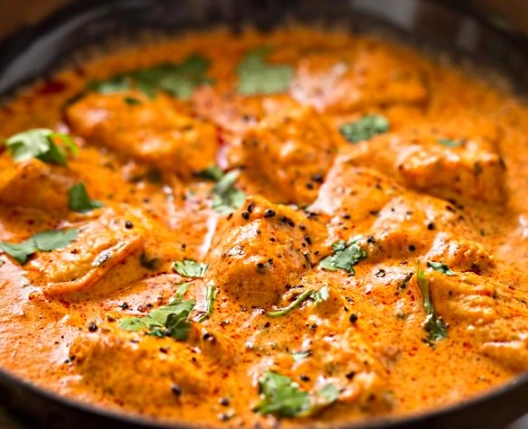
The most common base is onion-ginger-garlic. But here's the secret within the secret: how you cook them matters more than what they are.
- Onions: They must be cooked slowly until deeply golden, almost caramelized. This isn't a 5-minute sauté. This is 15-20 minutes of patient stirring over medium-low heat until they melt into a sweet, jammy foundation. No shortcuts. Blond onions give a raw, sharp sweetness. Browned onions give depth and richness.
- Ginger & Garlic: Usually grated or made into a paste. They are often added after the onions are softened. The key is to cook them until their raw smell completely disappears and a warm, fragrant aroma takes over. This takes about 2-3 minutes of constant stirring.
But wait, there's more. In South India, the base might be mustard seeds, curry leaves, and lentils fried in oil. In Bengal, it often starts with a paste of mustard seeds and poppy seeds. Recognizing which base to use is half the battle. A resource like the cultural sections of Incredible India can give you insights into these regional differences, reminding you that "Indian food" is really dozens of distinct cuisines.
The Tomato Dilemma: Cooking Out the Acidity
Tomatoes are in so many Indian dishes, but a tinny, acidic tomato taste is a dead giveaway of a beginner cook. The goal is to cook the tomatoes down until they lose their bright red color and separate from the oil. This process, called "cooking until the oil separates," is crucial.
You'll see the curry or masala start to look glossy, and little droplets of oil will appear around the edges of the pan. This means the water from the tomatoes has evaporated, and the concentrated tomato pulp has fried slightly in the oil, mellowing its acidity and sweetness. This can take a good 10-15 minutes. Rushing it means a tart, unfinished gravy.
Layering Spices: The Time-Based Strategy
You don't just dump all your spices in at once. Different spices release their best flavors at different times and under different conditions. This layering is what creates complexity.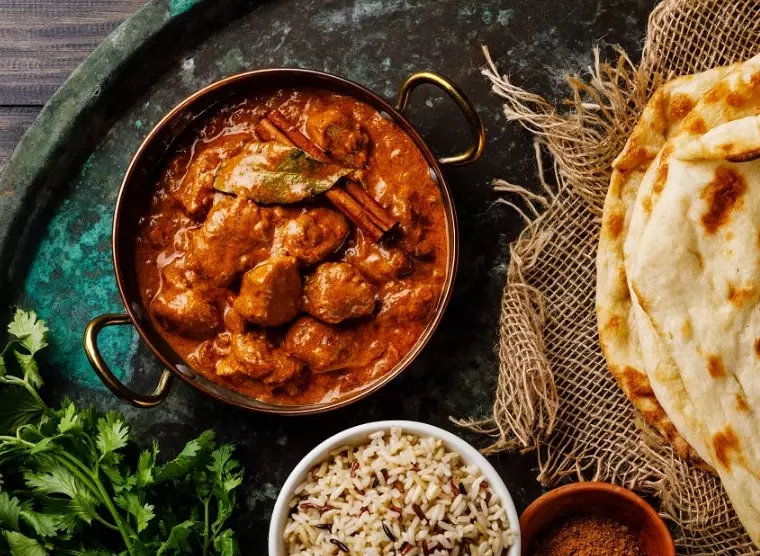
- Whole Spices at the Start: Hardy spices like bay leaf, cinnamon, cardamom pods, and cloves go into the hot oil first. They infuse the oil with a subtle background aroma over a long cook time.
- Ground Spices After Aromatics: Once your onions, ginger, and garlic are cooked, you add your main ground spices (coriander, turmeric, red chili powder). Why now? Frying them briefly in the oil-onion mixture (for about 30-60 seconds) blooms their flavors without burning them. If you add them to bare, hot oil, they'll burn in seconds. If you add them too late, they'll taste raw and dusty.
- Delicate Spices at the End: Spices like garam masala, dried fenugreek leaves (kasuri methi), and fresh herbs (cilantro) are heat-sensitive. Their beautiful, volatile aromas are destroyed by long cooking. Stir them in during the last 2-3 minutes of cooking, or even as a garnish.
This layered approach is a fundamental Indian cooking secret that most recipe cards gloss over with a simple "add all spices."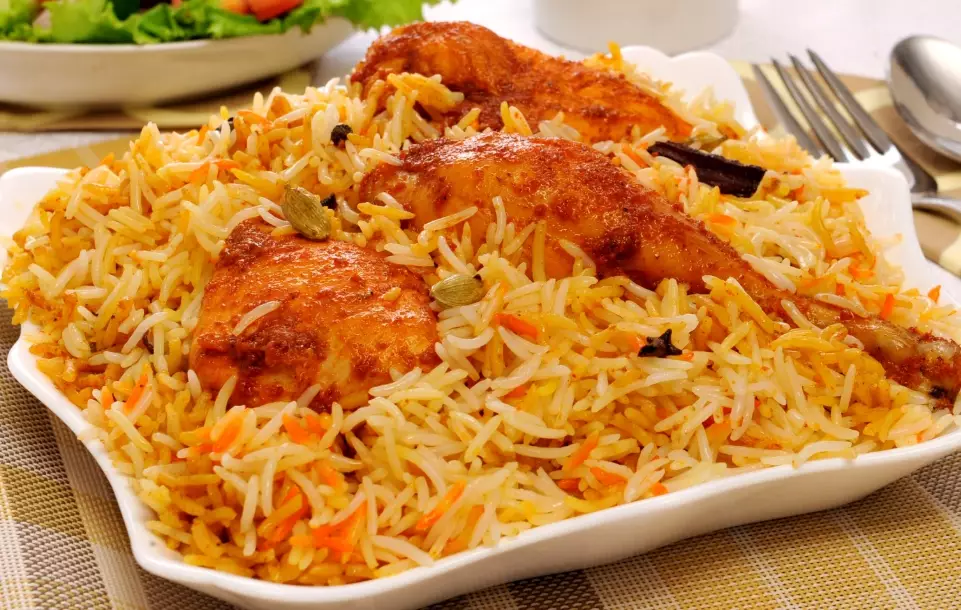
The Role of Dairy and Nuts: Body and Balance
Ever notice how restaurant curries are so luxuriously creamy and rich, yet you can't always see why? It's not just cream. It's often a paste of nuts or seeds, or the use of dairy in specific ways.
- Cashew Paste: Soaked cashews blended into a smooth paste are a magic trick for creamy Mughlai curries like butter chicken or korma. They add body, a slight sweetness, and a velvety texture without being heavy like flour.
- Yogurt: Used as a marinade for meats (the lactic acid tenderizes) and stirred into curries. The key is to use full-fat, strained (Greek-style) yogurt to prevent splitting. And always whisk it well and add it off direct heat, stirring constantly.
- Ghee vs. Oil: Ghee (clarified butter) isn't just a cooking fat. It's a flavor ingredient. It has a nutty, rich aroma that oil lacks. Using a spoonful of ghee for the final *tadka* or to sauté spices can elevate a dish immensely. But it's not always necessary—many daily dishes use mustard oil or coconut oil for their distinct regional character. The science behind how fats carry flavor is fascinating, and sites like Serious Eats often break this down brilliantly, explaining why ghee works so well for spice infusion.
Equipment: Do You Need Special Gear?
Not really. A heavy-bottomed pot (like a Dutch oven) is your best friend for even heat distribution and preventing burns during long simmering. A cast-iron *tawa* (griddle) is great for rotis, but a non-stick pan works too. The one tool I'd genuinely recommend is a simple spice grinder or a powerful small blender. A coffee grinder dedicated to spices is a game-changer for freshness.
A mortar and pestle is wonderful for small quantities and pastes—it crushes rather than cuts, releasing oils differently—but it's not essential. Don't let a lack of "authentic" equipment stop you. My most memorable meals in Indian homes were cooked in perfectly ordinary-looking pots and pans.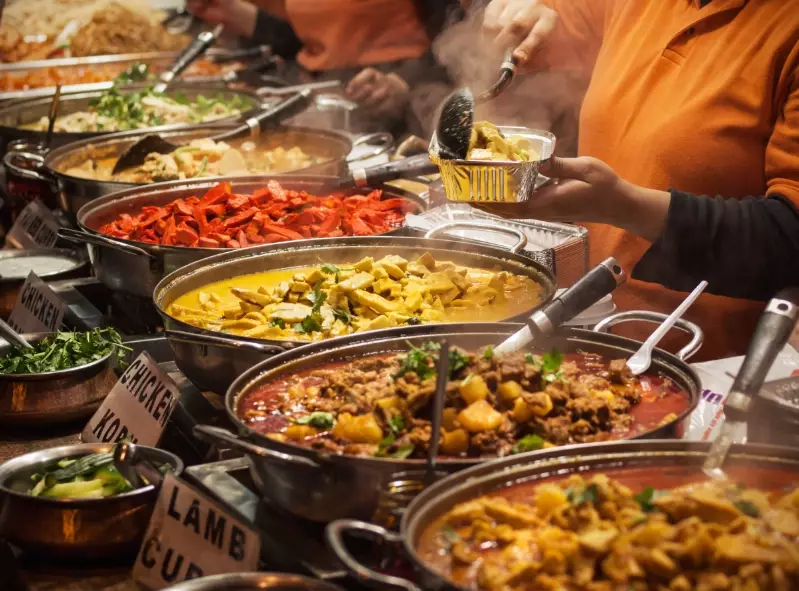
Frequently Asked Questions (The Real Ones We All Have)
Let's tackle some specific hurdles. These are the questions I had, and the answers that finally made things click.
My curry is too watery. How do I thicken it?
First, did you cook it uncovered to let water evaporate? Simmering with the lid off is the primary way. If it's still thin, here are fixes: a tablespoon of cashew or almond paste, a spoonful of roasted chickpea flour (besan) mixed with water, or mashing some of the cooked potatoes/vegetables into the gravy. Avoid cornstarch—it gives a gloppy texture that's all wrong.
Why does my garam masala taste bitter?
You probably burned it. Garam masala, being a fine powder, burns extremely easily. Never add it to very hot oil alone. Always add it at the end of cooking, off direct heat, or stir it into the dish with a little liquid first. Also, check its age. Old, stale garam masala can taste flat and bitter.
How do I get that vibrant red color like in restaurants?
It's usually not just chili powder. It's a combination of Kashmiri red chili powder (which is mild and gives a bright red hue) and sometimes a tiny, tiny pinch of edible red food color. The base of well-caramelized onions and tomatoes also contributes a deep red-brown color. For authenticity, many chefs use soaked and blended dried Kashmiri chilies. The BBC Good Food guide to chilies is a great reference for understanding the color vs. heat dynamic.
Is there a substitute for asafoetida (hing)?
Not really. Its funky, umami, garlic-onion flavor is unique. If you must, a tiny bit of minced garlic and onion powder can vaguely approximate its role in digesting beans, but the flavor profile will be different. If you're cooking Indian food regularly, just get a small jar. It lasts forever, and a pinch is all you need.
Putting It All Together: A Mental Checklist
So, next time you cook an Indian dish, don't just follow the ingredient list step-by-step. Think like a conductor building layers of sound. Ask yourself:
- Are my spices fresh and (where possible) whole?
- Is my oil hot enough for the *tadka* to sizzle properly?
- Are my onions truly golden brown, not just translucent?
- Have I cooked the raw smell out of my ginger-garlic and tomato?
- Did I add my ground spices at the right time (after aromatics, before liquid)?
- Have I saved my delicate spices (garam masala, fresh herbs) for the very end?
- Am I simmering uncovered to thicken the gravy to my liking?
These questions are the real Indian cooking secrets. They're not about mystery ingredients, but about mindful process.
It might feel like a lot at first. It did for me. I remember standing over the stove, annoyed, thinking "this onion cooking is taking forever." But then I tasted the result. The depth was incomparable. That's when these techniques stopped being steps and started being the secret language of the cuisine.
Start with one secret. Maybe just focus on blooming your whole cumin seeds properly. Or commit to caramelizing your onions fully. Master that one thing. Then add another. Your food will transform, step by step, from a rough sketch into a vivid painting. The flavors will become clearer, deeper, and more balanced. And that, more than any single recipe, is the ultimate goal. Happy cooking.
Discussion