Key Sections
- Why Few-Ingredient Indian Cooking Actually Works Better
- The Non-Negotiable Foundation: Your 5-Spice Pantry
- The Fresh Stuff You Probably Already Have
- Top Easy Indian Recipes with Few Ingredients (That Don't Taste Like Compromises)
- Mastering the Technique: It's More Than Just Mixing
- Answering Your Burning Questions (FAQ)
- Building Your Confidence: Start Here, Then Explore
Let's be honest. Sometimes you look at an Indian recipe and your eyes glaze over. The ingredient list scrolls forever. You need ten different spices you've never heard of, and half of them require a special trip to a store across town. I've been there. You just want something tasty, something that feels like a real meal, without turning your kitchen into a science lab or spending your entire grocery budget on one dish.
That's where the magic of easy Indian recipes with few ingredients comes in. It's not about cutting corners on flavor. It's about being smart. Indian home cooking, the real stuff people make on a Tuesday night, is often brilliantly simple. It relies on a handful of core ingredients used in clever ways. My own journey started with a failed attempt at a 25-ingredient curry. It was a disaster. The cleanup took longer than the cooking. I swore there had to be a better way, and there is.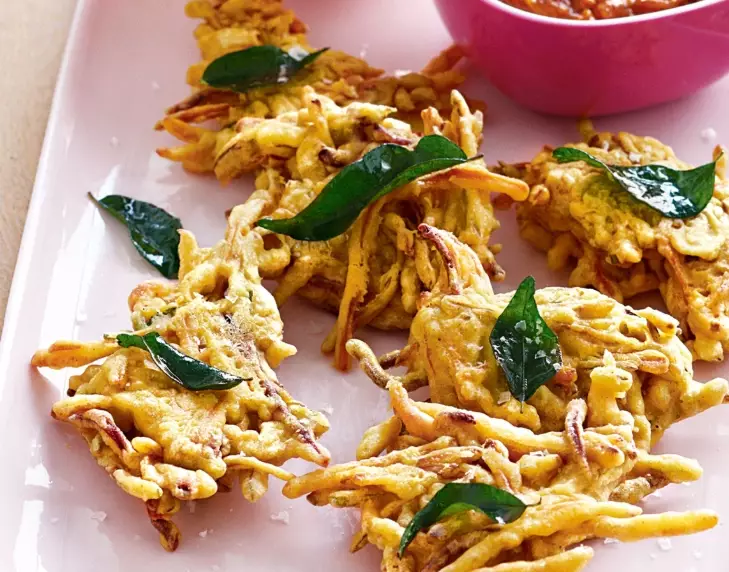
Why Few-Ingredient Indian Cooking Actually Works Better
Think about it. When you have fewer ingredients, each one has to work harder. You learn what each spice really does. You taste the onion, the tomato, the garlic in a way that gets lost in more complex dishes. This approach is less about overwhelming the palate and more about creating harmony. It's forgiving, too. No turmeric? The dish will be pale but still taste great. No fresh cilantro? It's fine. Really.
I find these easy Indian recipes with few ingredients are the ones I make again and again. They become part of my weekly rotation, not just a "special occasion" project. They're the ones I can make from memory when I'm tired after work.
The Non-Negotiable Foundation: Your 5-Spice Pantry
Okay, "few ingredients" doesn't mean no ingredients. You need a base. The good news is, this base is small, cheap, and lasts forever. If you have these five spices, you can make a shocking variety of dishes. Forget the giant spice rack for now.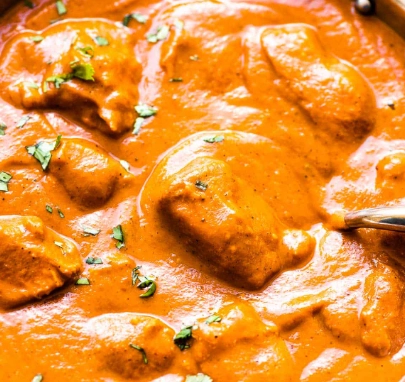
| Spice | Why It's Essential | What It Tastes Like |
|---|---|---|
| Cumin Seeds | The earthy, nutty backbone. They're often fried in oil first to release their flavor into the entire dish. | Warm, earthy, slightly citrusy. It's the flavor you'd miss most if it was gone. |
| Turmeric Powder | Provides that iconic golden color and a warm, peppery earthiness. It's also a great anti-inflammatory, which is a nice bonus. | Earthy, slightly bitter, peppery. Don't worry, the bitterness cooks out. |
| Coriander Powder | The friendly, citrusy balancer. It rounds out the sharper notes of cumin and chili. | Light, lemony, and floral. It's the peacemaker of the spice blend. |
| Red Chili Powder (Kashmiri is best) | For heat and color. Kashmiri chili powder gives a vibrant red hue without brutal heat. | Moderate heat with a sweet, smoky undertone. It's manageable. |
| Garam Masala | The finishing touch. A blend of warm spices like cardamom, cinnamon, and cloves. Added at the end of cooking. | Warm, sweet, and complex. It's the "perfume" of the dish. |
See? Just five. You can find all of these at any decent supermarket or, for better quality and price, at an Indian grocery store. With this kit, you're 80% of the way there for countless easy Indian recipes with few ingredients.
The Fresh Stuff You Probably Already Have
Beyond spices, the holy trinity of fresh ingredients for simple Indian cooking is: Onions, Tomatoes, Garlic-Ginger. That's it. Onions form the sweet, caramelized base. Tomatoes provide acidity and body for sauces. Garlic and ginger (often mashed together into a paste) are the flavor powerhouses. You can buy ginger-garlic paste in a jar to save time, but making a small batch yourself is easy and tastes better. Just blend equal parts peeled garlic and ginger with a tiny bit of water.
Protein? Chicken thighs (more forgiving than breasts), lentils, chickpeas (canned are perfectly fine), paneer (Indian cheese), or potatoes. Vegetables? Spinach, cauliflower, peas, potatoes. Nothing fancy.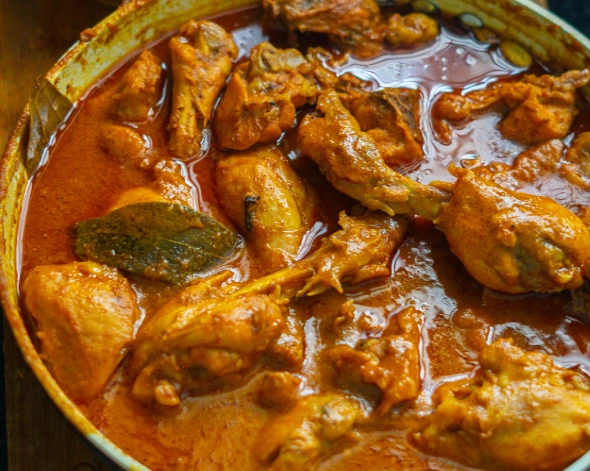
Top Easy Indian Recipes with Few Ingredients (That Don't Taste Like Compromises)
Let's get to the good part. These are my go-to recipes, tested in my own kitchen more times than I can count. They're the definition of easy Indian recipes with few ingredients.
1. The 6-Ingredient Chickpea Curry (Chana Masala Simplified)
Why it works: Canned chickpeas are a pantry superhero. This dish is vegan, packed with protein, and comes together in one pot in under 30 minutes. It's my ultimate lazy-day meal.
You need: Oil, 1 onion, 2 tomatoes, ginger-garlic paste, your core 5 spices, 2 cans of chickpeas.
How simple is it? Fry cumin seeds in oil. Add chopped onions and cook until soft. Add ginger-garlic paste, cook for a minute. Add spices (turmeric, coriander, chili), stir. Add chopped tomatoes, cook until mushy. Dump in the chickpeas (with their liquid!), simmer for 15 minutes. Finish with garam masala. Done. Serve with rice or bread. The beauty is in the simmering—the chickpeas soak up all that spiced tomato goodness. Sometimes I throw in a handful of spinach at the end if I have it. If you want to explore more about the nutritional powerhouse that is the chickpea, the USDA FoodData Central has great data on its protein and fiber content.
Seriously, it's that easy. The first time I made this, I couldn't believe something so simple came from my kitchen.
2. 5-Spice Potato Fry (Aloo Sabzi)
This is Indian comfort food at its purest. Boiled potatoes tossed in those core spices. It's a side dish that often becomes the main event for me. Boil some potatoes (or use leftover baked potatoes). Heat oil, fry cumin seeds and a pinch of mustard seeds if you have them (if not, no sweat). Add the boiled, cubed potatoes. Sprinkle your turmeric, coriander, and chili powder over them. Toss and fry until the potatoes get a little crispy on the edges. Finish with garam masala and a squeeze of lemon. It's salty, spicy, crispy, and soft all at once. Perfect with a dollop of yogurt.
3. One-Pan Tandoori-Style Chicken
Forget the clay oven. This is a cheat's version. Take chicken thighs (bone-in for more flavor, boneless for ease). Make a marinade with yogurt (plain, full-fat is best), a big spoonful of ginger-garlic paste, and your spices—turmeric, coriander, chili powder, and a generous amount of garam masala. Add a splash of lemon juice and salt. Coat the chicken and let it sit for as little as 30 minutes or up to overnight. Then, just bake it on a sheet pan at 400°F until cooked through and slightly charred at the edges. The yogurt tenderizes the chicken and the high heat gives it that characteristic smoky-ish flavor. It's not authentic tandoori, but it's delicious, healthy, and requires almost no active cooking time.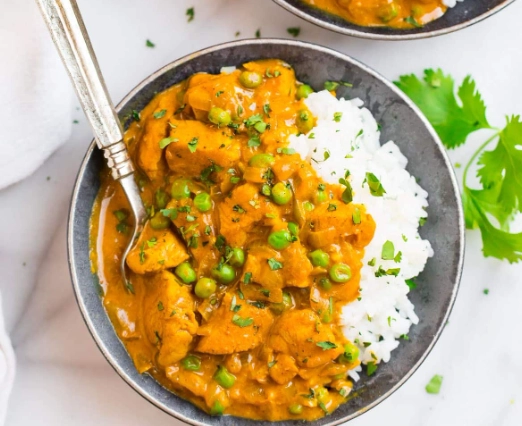
Mastering the Technique: It's More Than Just Mixing
With easy Indian recipes with few ingredients, technique becomes your secret weapon. It's what transforms simple items into something special.
The "Tadka" (Tempering): This is the first step for many dishes. Heating whole spices (like cumin seeds) in hot oil or ghee. You'll hear them sizzle and pop, and the oil becomes infused with their flavor. This flavored oil then cooks the onions and becomes the flavor base for the entire dish. It takes 30 seconds but makes a world of difference.
The Onion Cook-Down: Don't rush the onions. Cooking them slowly until they're deeply golden and sweet is crucial. This isn't just softening; it's building a flavor foundation. This step alone can take 10-15 minutes. Put on some music and stir occasionally. It's worth it.
"Cooking" the Spices: After you add your powdered spices (turmeric, coriander) to the onions, you need to fry them for a minute or two. This removes their raw, dusty taste and unlocks their full aroma. You'll smell the change—it becomes fragrant and deep.
Finishing with Garam Masala: Always add garam masala at the end, after you've turned off the heat or in the last minute of cooking. Its complex flavors are delicate and will vanish if cooked for too long.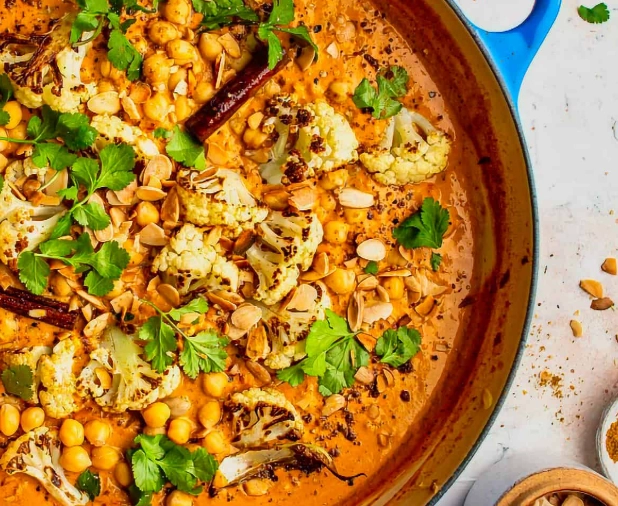
Answering Your Burning Questions (FAQ)
I get a lot of questions from friends starting out. Here are the real ones, not the textbook stuff.
Building Your Confidence: Start Here, Then Explore
The goal of these easy Indian recipes with few ingredients isn't to become a master chef overnight. It's to get one or two dishes down so well you don't need a recipe. Maybe it's the chickpea curry. Make it three times. The first time, follow the instructions. The second time, try adding a handful of frozen peas. The third time, maybe you throw in a chopped bell pepper with the onions.
That's how you learn. That's how cooking becomes fun instead of stressful.
Once you're comfortable, then you can slowly expand your pantry. Maybe buy some mustard seeds for your potato fry. Or some dried mango powder (amchur) for a tangy kick. But there's no rush. The dishes you can make with that core five-spice pantry are vast and satisfying.
The real secret? The best easy Indian recipes with few ingredients are the ones that get you into the kitchen, not the ones that keep you out because the list is too long.
So, pick one. The chickpea curry is a foolproof start. Grab those cans from the pantry, chop an onion, and just start. You might surprise yourself. The smell of cumin seeds sizzling in oil is one of the most welcoming smells in the world. It smells like a meal is coming, and it's going to be good.