Quick Guide
Let's be honest. When you think of a healthy dinner, a rich, creamy butter chicken or a plate of fluffy naan dripping with ghee probably isn't the first image that pops into your head. For years, Indian food got a bit of a bad rap in the health department, often labeled as too heavy, too oily, or just plain indulgent. I used to think that way too. My early attempts at "healthy" eating meant sadly pushing away the biryani and dal I loved, convinced they were off-limits.
What a mistake that was.
The truth is, the core of traditional Indian home cooking is a treasure trove of healthy Indian dinner ideas. We're talking lentils packed with protein and fiber, vegetables simmered in complex spice blends, and cooking techniques that, when done right, are incredibly nourishing. The problem isn't the cuisine itself—it's how it's sometimes adapted in restaurants or rushed weeknight cooking, where oil and cream become shortcuts for flavor.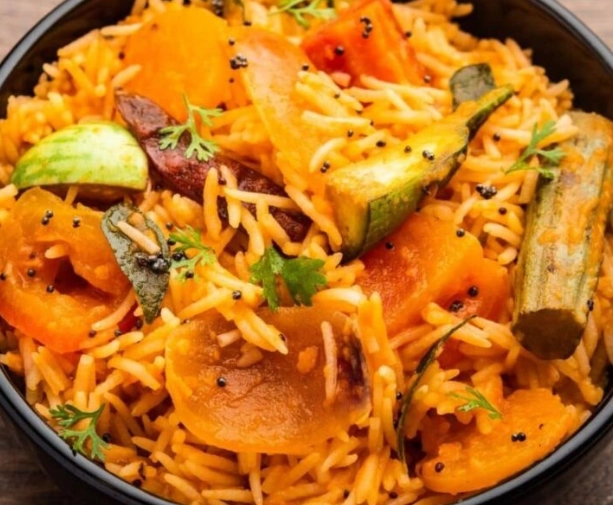
So, I went on a mission. A mission to reclaim those beloved flavors without the post-meal slump. I dug into my mom's old notes, experimented (with some definite failures along the way), and learned that creating a healthy, satisfying Indian dinner is not only possible but also surprisingly simple. It's about smart swaps, emphasizing the right ingredients, and understanding the "why" behind the method.
This guide is the result. It's for anyone staring into their fridge at 6 PM, wanting something warm, spiced, and comforting that also makes them feel good. We're moving beyond the myth and diving into the practical, delicious reality of light Indian dinners.
The Three Pillars of a Truly Healthy Indian Dinner
Before we jump to the recipes, let's lay the groundwork. Throwing together some spices and veggies is one thing, but building a meal that's balanced, nutritious, and keeps you full? That requires a bit of structure. Think of these as your guiding principles.
Pillar One: The Balanced Plate Method (Indian Edition)
Forget restrictive dieting. The simplest way to build a healthy meal is to visualize your plate. I loosely follow the MyPlate model from the USDA, but with a desi twist.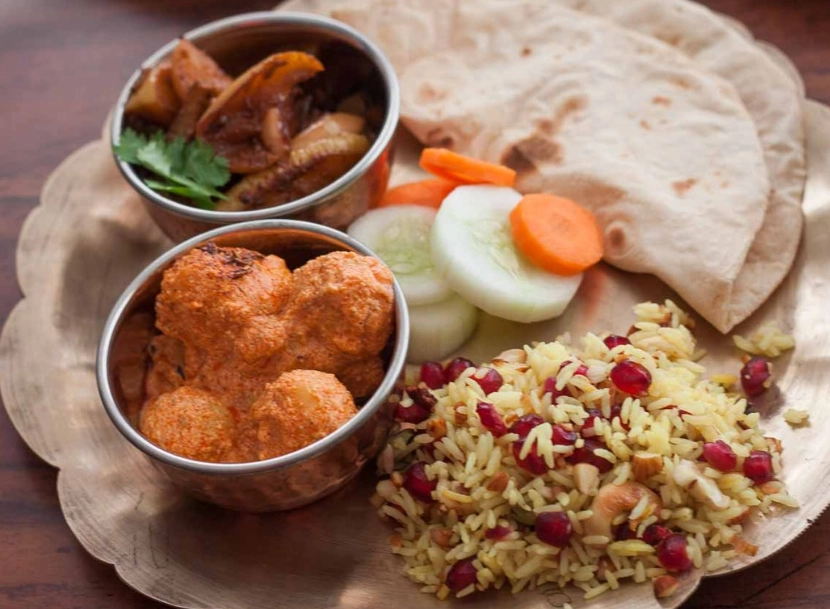
- Half the Plate: Vegetables. And I don't mean a tiny side salad. This is where Indian cooking shines. Think sabzis (dry veggie dishes), hearty curries like bhindi masala or baingan bharta, or a big portion of sautéed greens (saag). The more color and variety, the better.
- One Quarter: Lean Protein. This is your dal (lentil soup), chana masala (chickpeas), rajma (kidney beans), grilled tandoori-style chicken or fish, or paneer (cottage cheese) in a tomato-based sauce, not a cream one.
- One Quarter: Smart Carbs. Opt for whole grains. That's brown rice, quinoa, millets like jowar or bajra roti, or even a small serving of whole wheat chapati. They digest slower, keeping your energy steady.
See? It's straightforward. A bowl of dal (protein) with a heap of cabbage sabzi (veggies) and one bajra roti (smart carb) is a perfect, balanced plate of healthy Indian food.
Pillar Two: The Art of Intelligent Cooking
This is where the magic—and the calorie savings—happen. How you cook is just as important as what you cook.
- Rethink the Tadka (Tempering): The hot oil tempering with mustard seeds and cumin is iconic. But you can dry roast the spices first, then add a teaspoon of oil at the end. The flavor is still deep, but the oil content plummets.
- Embrace Dry Cooking & Steaming: Not every dish needs to swim in gravy. Bhuna (dry roasting) vegetables with spices (like aloo gobi) or steaming fish in banana leaves with marinade are fantastic, low-fat cooking methods.
- The Cream Swap: This was a game-changer for me. Instead of heavy cream, try blending soaked cashews or almonds with water for a rich, creamy texture. For a dairy-free, low-calorie option, a spoonful of raw, ground poppy seeds (khus khus) or a paste of boiled onions and tomatoes works wonders to thicken a curry. Greek yogurt is another brilliant swap for marinades or to finish a dish.
I tried making a "light" makhani sauce once with just tomato and no cream or nuts. It was... watery and sad. The cashew trick? Absolute winner. It gives that luxurious feel without the gut bomb.
Pillar Three: Spice as Your Health Secret Weapon
This isn't just about heat. The spices in your masala dabba are little powerhouses of antioxidants and anti-inflammatory properties. Turmeric (with black pepper for absorption), cumin, coriander, ginger, and garlic aren't just flavor agents—they're nutritional boosts. When you build flavor with layers of these whole spices, you rely less on salt and fat.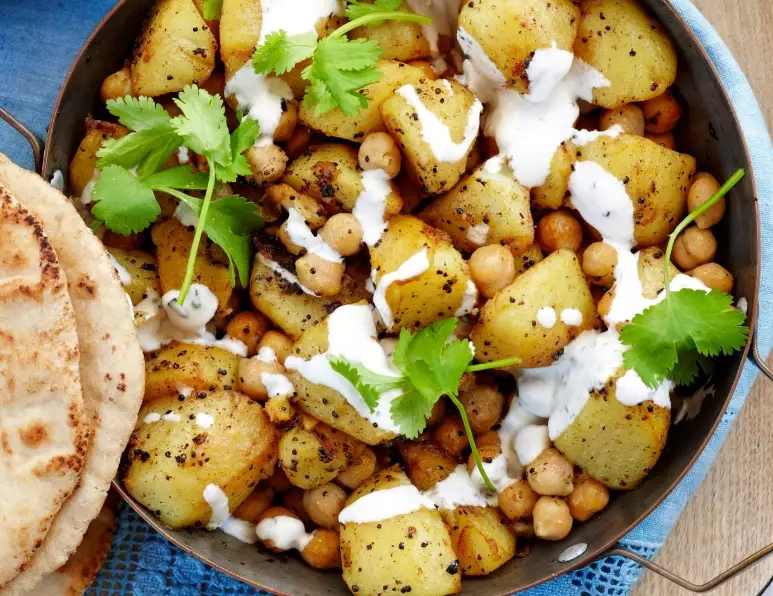
Your Go-To List of Healthy Indian Dinner Ideas
Alright, enough theory. Let's get to the practical part. Here are some categories and specific healthy Indian dinner ideas that are in my regular rotation. I've broken them down by focus, so you can pick based on what you're craving or what you have on hand.
Category 1: The Classic, Lightened Up
These are the beloved favorites, tweaked just enough to be healthier without losing their soul.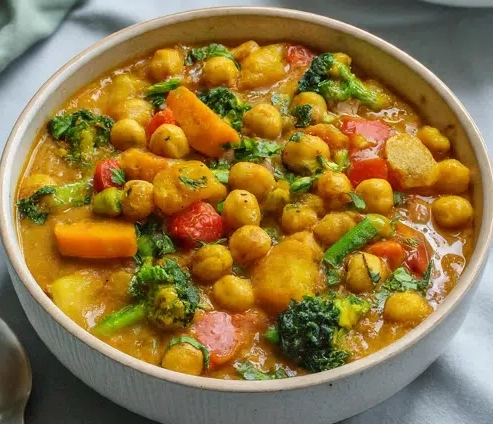
Dal Tadka (Tempered Lentil Soup)
The ultimate comfort food. I make mine with masoor dal (red lentils) or toor dal (pigeon peas) because they cook fast. The key is to go easy on the ghee in the final tempering. Use just a teaspoon of ghee or a mix of ghee and a heart-healthy oil like avocado oil. Load it up with garlic and cumin in the tadka. Serve with a big portion of sautéed spinach and one roti. It's protein-packed, fibrous, and deeply satisfying.
Chana Masala (Chickpea Curry)
A superstar of healthy Indian dinner ideas. Chickpeas are full of protein and fiber. My hack? I don't fry the onion-ginger-garlic paste in a quarter cup of oil. I sauté it with a splash of water until it's golden and fragrant, then add my spices and tomatoes. It drastically cuts the oil. Use a potato masher to crush some of the chickpeas—it thickens the gravy naturally. Perfect over a small portion of brown rice.
Category 2: Protein-Packed Power Dinners
For nights when you need something extra substantial after a workout or a long day.
Tandoori-Style Baked Fish or Chicken
Skip the deep-fried pakoras. Marinate chicken breast pieces or firm fish fillets (like salmon or cod) in a mix of Greek yogurt, lemon juice, ginger-garlic paste, and tandoori spices (paprika, cumin, coriander, a pinch of garam masala). Let it sit for at least 30 minutes, then bake on a rack at 400°F (200°C) until cooked through. The yogurt keeps it incredibly moist. Pair with a mint-cilantro chutney (yogurt-based, not oil-based) and a cucumber salad.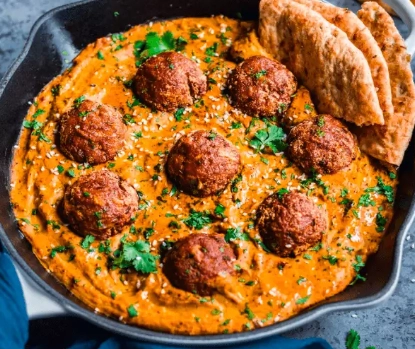
Sprouted Moong Salad (Moong Usal)
This is a forgotten gem. Sprouted green gram (moong) is a nutritional powerhouse—easier to digest than unsprouted beans and higher in certain nutrients. Sauté the sprouts with mustard seeds, curry leaves, turmeric, and green chilies. Finish with lemon juice and fresh coconut. It's a warm, spicy salad that's a complete meal with some chopped tomatoes and onions mixed in. I find it incredibly light yet energizing.
Category 3: The Vibrant Veggie Feast
Plant-forward meals that are anything but boring.
Baingan Bharta (Smoked Eggplant Mash)
When done right, this is one of the healthiest and most flavorful dishes. Roast a whole eggplant directly over a gas flame or under a broiler until the skin is charred and the inside is silky soft. Peel and mash the flesh. In a pan, use minimal oil to sauté onions, tomatoes, green peas, and spices, then stir in the smoky eggplant. The smokiness provides so much depth, you won't miss the fat. Eat it with a thin, whole-wheat chapati.
Palak Paneer (Without the Cream)
Yes, it's possible! Blanch a big bunch of spinach, blend it into a puree (no cream needed). Sauté onions, ginger, and garlic. Add the spinach puree and spices. For the paneer, instead of frying it, I lightly pan-sear it in a non-stick pan with just a spray of oil or bake it until golden. Toss it into the spinach gravy at the end. The color is brighter, the taste cleaner, and you feel great after eating it.
Category 4: The 30-Minute Weeknight Savior
Because some nights, speed is non-negotiable.
Masala Omelette with Roti
Don't underestimate this. Whisk two eggs with chopped onions, tomatoes, green chilies, cilantro, and a pinch of turmeric and red chili powder. Cook in a non-stick pan. Have it with a store-bought whole wheat roti (toasted on the flame) and a side of ketchup or green chutney. It's high-protein, low-carb, and ready in 10 minutes. My personal favorite when I'm tired and hangry.
Quick Tomato Saar with Lentil Dumplings
Saar is a thin, peppery Maharashtrian soup. Make a broth by simmering tomatoes, garlic, cumin, and black pepper. Strain if you like it smooth. For dumplings, mix leftover cooked rice with some besan (gram flour) and spices, form small balls, and drop them into the simmering saar to cook through. It's light, hydrating, and comforting—like a hug in a bowl.
The Healthy Indian Pantry: A Quick-Reference Table
Having a few key items on hand makes throwing together these healthy Indian dinner ideas a breeze. Here's what I always try to keep stocked.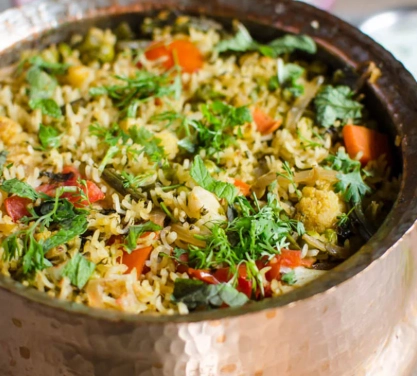
| Pantry Staples | Why It's a Health Hero | Quick Use Idea |
|---|---|---|
| Various Dals (Lentils) – Masoor, Moong, Toor | Excellent source of plant-based protein and fiber. Keep you full for hours. | Cook a big batch of plain dal for the week. Temper differently each night. |
| Canned Chickpeas & Kidney Beans | Convenient, protein-packed. Rinse to reduce sodium. | Instant chana masala or rajma. Add to salads. |
| Whole Spices – Cumin, Coriander, Mustard Seeds | Add deep flavor without calories. Antioxidant properties. | Temper at the start of any veggie dish. |
| Turmeric & Red Chili Powder | Anti-inflammatory (turmeric). Adds heat and color. | Base for almost every curry and marinade. |
| Rolled Oats | Not traditional, but a fantastic healthy thickener. | Blend into smoothies, use to make savory oatmeal upma. |
| Raw Cashews & Almonds | For creating creamy textures without dairy. | Soak and blend into sauces, or snack on a handful. |
Answering Your Burning Questions (FAQ)
I get a lot of questions from friends when I talk about this stuff. Here are the most common ones, straight from my inbox.
What exactly makes an Indian dinner "healthy"?
It's a dinner that focuses on whole, minimally processed ingredients, uses fats intelligently (and sparingly), includes a balance of protein, fiber, and complex carbs, and leaves you feeling energized, not sluggish. It's about the overall composition and cooking method, not just the name of the dish.
I'm used to lots of oil. Won't the food taste bland?
This was my biggest fear. And look, the first time I drastically cut oil, my sabzi did taste a bit... off. But that's because I was just removing oil, not replacing its flavor role. That's where the spices come in. Toasting whole spices, using fresh ginger and garlic, finishing with lemon juice or fresh herbs—these add layers of flavor that fat alone can't provide. You're not subtracting flavor; you're changing its source.
What's the best source of protein for a vegetarian healthy Indian dinner?
Lentils (dal) are the gold standard. But don't forget about other legumes: chickpeas, kidney beans, black-eyed peas, and sprouts. Paneer is good too, but it's higher in saturated fat, so enjoy it in moderation. A combination is best—like dal with a side dish containing peas or peanuts.
Can I still eat rice and roti?
Absolutely! Carbs are not the enemy. The goal is to choose better-quality carbs and control the portion. Swap white rice for brown or red rice. Choose whole wheat or multigrain atta for your rotis. And yes, one or two rotis is a reasonable portion, especially if your plate is full of vegetables and protein.
It's about accompaniment, not the main event.
Are there any healthy Indian dessert options?
This is a tough one, as most traditional desserts are sugar and ghee bombs. For a post-dinner sweet touch, I opt for a small bowl of fruit salad (maybe with a sprinkle of chaat masala!), a date stuffed with a nut, or a few pieces of baked (not fried) shrikhand-covered fruit. But honestly, after a well-spiced, satisfying healthy Indian dinner, I rarely crave something super sweet.
Putting It All Together: A Sample Week of Dinners
Let's make this concrete. Here’s what a week of healthy Indian dinner ideas could look like at my house. It’s mix-and-match, and leftovers are your friend.
- Monday (Meatless): Chana Masala (made with the low-oil sauté method) + Cabbage & Peas Sabzi + 1 Bajra Roti.
- Tuesday (Quick): Masala Omelette + Toasted Whole Wheat Bread + Sliced Cucumbers and Tomatoes.
- Wednesday (Comfort): Yellow Dal Tadka (with 1 tsp ghee) + Sautéed Methi (fenugreek leaves) with potatoes + ½ cup brown rice.
- Thursday (Leftover/Reinvent): Use leftover chana and sabzi to make a wrap in a whole wheat tortilla with some Greek yogurt raita.
- Friday (Protein Focus): Baked Tandoori Chicken Thighs + Mint Raita (yogurt-based) + Big Garden Salad with lemon dressing.
- Saturday (Veggie Feast): Baingan Bharta + Moong Dal + Mixed Vegetable Salad.
- Sunday (Soul Food): Lightened-Up Palak Paneer (baked paneer) + Mixed Bean Salad + 1 Jowar Roti.
The journey to finding your favorite healthy Indian dinner ideas is personal. It's about tweaking, tasting, and figuring out what makes you feel good. Start with one swap—maybe try dry roasting your spices next time, or add an extra handful of spinach to your curry. Small steps lead to big changes.
Remember, the goal isn't perfection. It's progress. It's enjoying the food you love in a way that loves you back. So go ahead, raid your spice box, and get cooking. Your taste buds—and your body—will thank you.