Quick Guide
Ever stood in the spice aisle, completely lost, holding a recipe that calls for "garam masala" and wondering what on earth that even is? Or maybe you've tried a recipe promising "authentic Indian flavors," only to end up with a bland, watery curry that tastes nothing like the vibrant dish you had at that little restaurant downtown. I've been there. Honestly, it's frustrating.
The truth is, a lot of what gets labeled as "Indian food" online is a simplified, sometimes completely off-base version. It's like someone describing a symphony by only mentioning the violin. You miss the whole orchestra. Real Indian cooking isn't about dumping a ton of chili powder into a pot. It's a delicate, layered dance of spices, techniques, and ingredients that have been perfected over centuries.
But here's the good news: it's not some unattainable magic. You don't need to be a professional chef or have your great-grandmother's secret recipe scroll. You just need a bit of guidance to cut through the noise. That's what this is for. We're going to strip away the intimidation and talk about what makes authentic Indian recipes tick, and how you can actually make them in your own kitchen without needing a degree in culinary arts.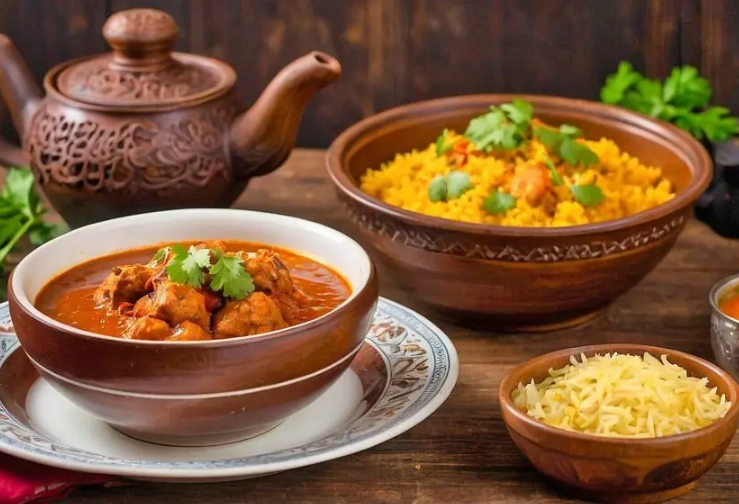
Think of this as your friendly, no-BS guide. We'll talk spices, we'll bust myths, and I'll even share some hard-won lessons from my own kitchen disasters (yes, there have been a few). By the end, you'll not only understand the *why* behind the steps in those authentic Indian recipes, but you'll feel confident enough to start tweaking them to your own taste. That's when the real fun begins.
The Foundation: It All Starts With Your Spice Box (No, Really)
If you want to cook authentic Indian food, you have to make friends with spices. This is non-negotiable. But before you panic and buy one of every jar on the shelf, let's be strategic. You don't need fifty. You need a core team of reliable players.
I remember my first attempt. I had generic "curry powder" (more on that trap later) and some stale cumin. The result was... educational. Let's just say it taught me that quality and freshness aren't optional.
Quick Truth Bomb: Most pre-ground spices you buy have been sitting on a shelf for months, losing their potent oils and aromas. For the deepest flavor, buy whole spices and grind them as you need them. A cheap coffee grinder dedicated to spices is a game-changer. Trust me on this.
So, what's in the core team? Here’s a breakdown of the absolute essentials. Think of this as your starter kit for unlocking authentic Indian recipes.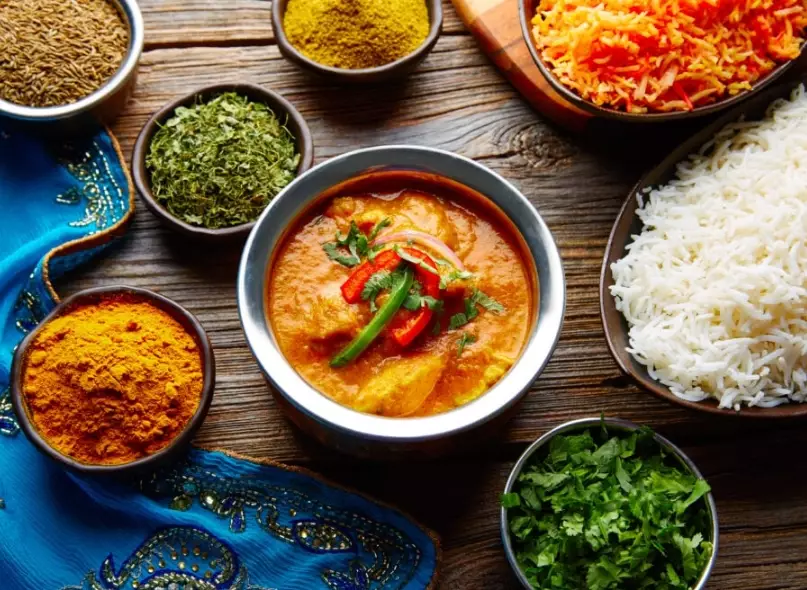
| Spice (Whole is Best!) | Flavor Profile | Its Starring Role In... | My Honest Tip |
|---|---|---|---|
| Cumin Seeds (Jeera) | Earthy, warm, nutty, slightly citrusy. | Almost everything. The base note for countless dals, curries, and rice dishes. | Toast them lightly in a dry pan until fragrant. It transforms them from earthy to deeply aromatic. |
| Coriander Seeds (Dhania) | Warm, floral, lemony, with a subtle sweetness. | The other half of the dynamic duo with cumin. Ground coriander is a backbone spice. | Buy whole seeds and grind. Pre-ground coriander loses its charm faster than you'd think. |
| Turmeric (Haldi) | Earthy, peppery, slightly bitter. Gives that iconic golden color. | Everything for color and its earthy base. Also a health powerhouse. | A little goes a long way. Don't overdo it, or things can taste medicinal. |
| Garam Masala | Warm, sweet, complex blend (cinnamon, cardamom, cloves, etc.). | Added *at the end* of cooking for a burst of aroma. It's a finisher, not a starter. | Store-bought is fine to start, but blends vary wildly. Find one you like or make a small batch yourself. |
| Red Chili Powder (Kashmiri) | Mild heat, vibrant red color. | Providing color and mild warmth without brutal heat. Perfect for butter chicken. | Seek out Kashmiri chili powder specifically. It's less about fire and more about color and flavor. |
| Mustard Seeds (Rai) | Pungent, nutty, sharp pop of flavor. | South Indian and Bengali cooking. Used for tempering (tadka). | They pop like popcorn in hot oil! Have a lid ready. Black or brown are most common. |
See? Not so scary. With just these six, you can tackle a massive range of dishes. The key is understanding how they work together. Which brings us to the single most important technique in Indian cooking.
The Heart of the Flavor: Mastering the "Tadka" (Tempering)
If I had to pick one technique that makes Indian food taste, well, *Indian*, this is it. Tadka (also called chaunk or tempering) is the process of frying whole or ground spices in hot oil or ghee to release their essential oils before adding them to a dish.
It’s the difference between a flat, one-dimensional taste and a flavor that hits you in layers. You smell it first. That sizzle when cumin seeds hit the hot ghee? That's the sound of flavor being born.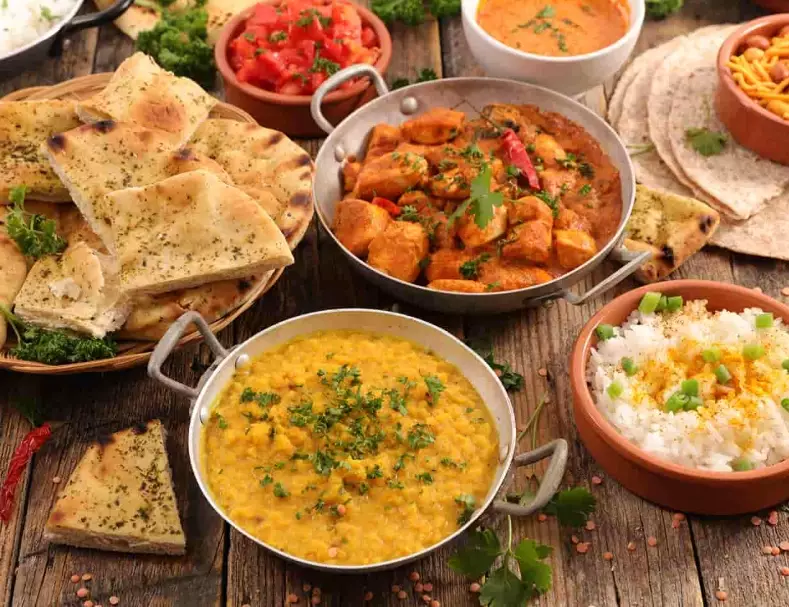
Here’s how a basic tadka works for a simple dal (lentil soup):
- Cook your lentils with turmeric and salt until soft.
- In a small separate pan, heat a tablespoon of ghee or oil over medium heat.
- Add a teaspoon of cumin seeds. Let them sizzle for 10-15 seconds until they darken a shade and smell amazing.
- Add a pinch of asafoetida (hing) if you have it, and a dried red chili.
- Pour this entire sizzling, fragrant oil and spice mixture directly into the pot of cooked dal.
- It will hiss and bubble violently—that's good! Stir it in.
That's it. You've just transformed a simple lentil soup into something magical. This technique is used in countless authentic Indian recipes, from dals to curries to yogurt salads (raita). It's non-negotiable.
"The tempering is the soul of the dish. It wakes up the spices and carries their flavor into every bite." – This isn't just a pretty saying; it's the absolute truth in the kitchen.
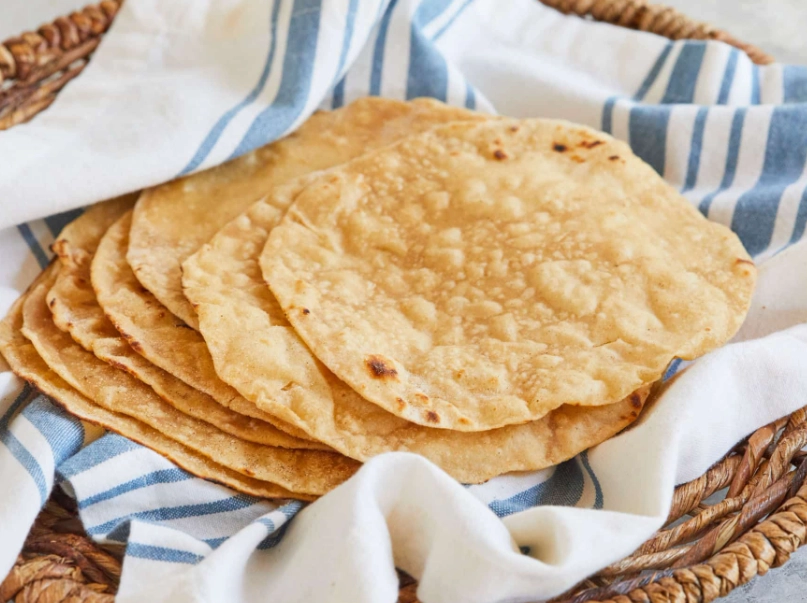
Your First Mission: Two Foolproof Authentic Indian Recipes
Enough theory. Let's cook. I'm giving you two classics. One is a rich, restaurant-style curry (but simpler than you think), and the other is a humble, healthy, everyday dish. Both are pillars of authentic Indian recipes.
Weeknight Hero: Real Chana Masala (Chickpea Curry)
Forget the tinny-tasting stuff from a can. Homemade chana masala is hearty, tangy, spicy, and incredibly satisfying. It's also vegan and packed with protein. This is my go-to when I want something delicious without too much fuss.
What you'll need:
- 2 cans of chickpeas, rinsed, or 1 cup dried chickpeas (soaked overnight and boiled until tender).
- 1 large onion, finely chopped.
- 2 tomatoes, pureed (fresh is best, but canned crushed tomatoes work in a pinch).
- Ginger-garlic paste (1 tbsp, or 1" ginger & 3 cloves garlic, minced).
- Spices: Cumin seeds, coriander powder, turmeric, red chili powder, garam masala, dry mango powder (amchur) for tang.
- Fresh cilantro.
The Method (Where the Magic Happens):
- The Base: Heat oil in a pot. Add cumin seeds. After they sizzle, add the onions. Cook them slowly. I mean it—low and slow until they're golden brown, not just translucent. This is called 'bhunao' and it's the foundation of a rich gravy. This can take 10-15 minutes. Don't rush it.
- The Aromatics: Add the ginger-garlic paste. Fry for a minute until the raw smell disappears.
- The Spice Bloom: Now add your coriander powder, turmeric, and red chili powder. Stir for just 30 seconds. If it looks too dry, add a splash of water. This "cooks" the ground spices and removes any raw taste.
- The Body: Pour in the tomato puree. Add salt. Cook this mixture, stirring often, until the oil starts to separate from the sides. You'll see little droplets of oil around the edges. This is a KEY visual cue in authentic Indian recipes that your masala base is ready.
- Bring it Together: Add the chickpeas and enough water to come about halfway up them. Simmer for 15-20 minutes so the chickpeas drink up the flavor.
- The Finish: Crush a few chickpeas with the back of your spoon to thicken the gravy. Stir in garam masala and a teaspoon of dry mango powder (this gives that classic tangy kick). Garnish with cilantro.

Personal Opinion: I love amchur (dry mango powder) here, but if you can't find it, a tiny squeeze of lemon juice at the end works. It's not exactly the same, but it gets the job done. Don't skip the tang element though—it's what makes chana masala, chana masala.
The Crowd-Pleaser: Simplified, But Still Authentic, Butter Chicken (Murgh Makhani)
Yes, it's everywhere. But a truly good, authentic butter chicken is a thing of beauty—creamy, subtly spiced, and mildly sweet. The restaurant version often uses copious butter and cream (and sometimes food color). This home version balances flavor and practicality.
The secret? Marination and the tomato-onion gravy. Don't skip the marination time.
For the Marinade: Mix 1 lb chicken thigh pieces (boneless, skinless) with:
- 1 tbsp ginger-garlic paste
- 1 tbsp Kashmiri red chili powder (for color, not heat)
- 1 tsp garam masala
- 1 tbsp lemon juice
- 3 tbsp plain yogurt
- Salt
Let it sit for at least 1 hour, overnight is ideal.
For the Gravy:
- Cook 4-5 roughly chopped tomatoes and 1 chopped onion with a bit of water until completely mushy. Let it cool, then blend into a smooth puree. Strain it if you want a super-smooth texture (I sometimes skip this if I'm lazy).
- Heat a mix of butter and oil. Add a bay leaf, a cinnamon stick, and a few green cardamom pods.
- Add the tomato-onion puree. Cook it down. This takes patience. You need to cook it until it thickens significantly and the raw tomato taste is gone. Again, look for the oil separating.
- Add your marinated chicken (shake off excess marinade). Cook until the chicken is done.
- Finish with a splash of cream (or for a lighter version, a bit of milk and a spoon of ground cashew paste), a pinch of sugar, and a final dusting of garam masala.
The result? A rich, aromatic curry that feels special but didn't require you to source fifty ingredients. This approach—focusing on technique for foundational authentic Indian recipes—is what makes them replicable at home.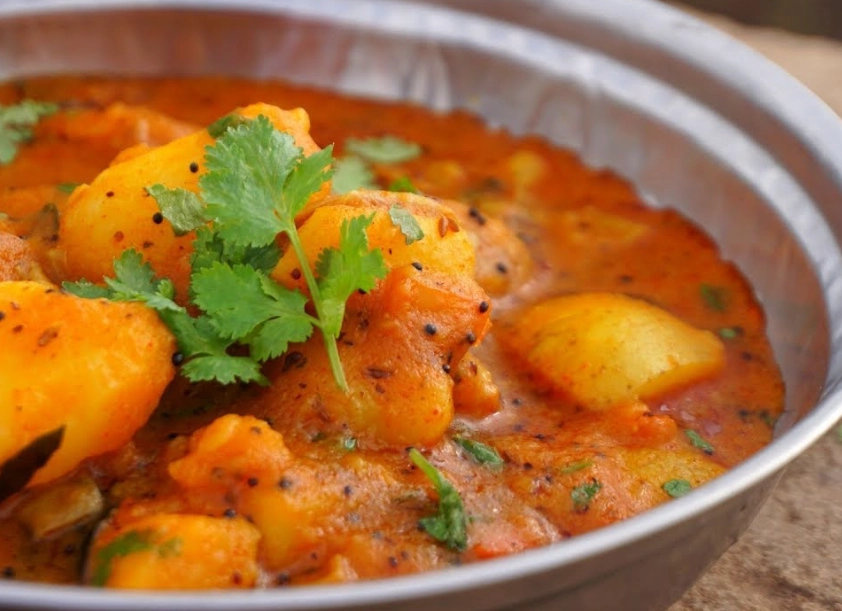
Navigating Regional Diversity: It's Not All "Curry"
This is a big one. India is a subcontinent with wildly different climates, crops, and cultures. The food from Kerala in the south is a world away from the food of Punjab in the north. Assuming it's all the same is like saying Italian and German food are identical because they're both European.
When you search for authentic Indian recipes, getting specific about the region helps immensely. It sets your expectations and guides your ingredient list.
A quick, imperfect, but helpful regional cheat sheet:
- North India (Punjab, Delhi): What many think of as "Indian food." Creamy, tomato-onion based gravies (like butter chicken), tandoori meats, breads like naan and paratha. Uses a lot of dairy (ghee, cream, paneer).
- South India (Kerala, Tamil Nadu, Karnataka): Lighter, often coconut-based. Rice is the staple. Think dosas (fermented crepes), idlis (steamed cakes), sambars (tangy lentil stews), and fish curries with a coconut milk base. Mustard seeds and curry leaves are signature.
- West India (Gujarat, Maharashtra): Often vegetarian, with a distinct sweet-sour-salty balance. Dhokla (steamed chickpea cakes), Gujarati dal which is slightly sweet, and Bombay-style street food like pav bhaji.
- East India (Bengal, Odisha): Fish is king. Mustard oil and poppy seed pastes are common. Bengali cuisine has delicate flavors and famous sweets like rasgulla.
So, if you find a recipe for a "Kerala Fish Curry," expect coconut and kokum (a souring agent). If it's a "Punjabi Sarson ka Saag," expect mustard greens and maize flour roti. This context is crucial for authenticity.
Answering Your Real Questions (The FAQ You Actually Need)
What's the deal with "curry powder"? Is it authentic?
Short answer: Not really. Long answer: "Curry powder" is a British colonial invention—a simplified, pre-mixed blend meant to approximate the complex spice mixtures used in India. In actual Indian kitchens, cooks blend spices fresh for each dish, adjusting ratios based on the protein or vegetable. Using a single "curry powder" for everything will give everything a same-y taste. It's better to have individual spices. That said, if it's all you have, it's a start. But know that moving beyond it is your first step towards more authentic Indian recipes.
Do I *need* an Indian pressure cooker (Instant Pot)?
Need? No. Want? Absolutely. The traditional Indian pressure cooker (or its modern cousin, the Instant Pot) is a workhorse for a reason. It cooks lentils (dal) in 10 minutes instead of an hour. It makes fall-off-the-bone meats. It's indispensable for busy weeknights. For many authentic Indian recipes involving legumes or tougher cuts of meat, it's the traditional tool. A heavy-bottomed pot works fine, it just takes longer.
Ghee vs. Oil. Which is better?
This is a flavor and health choice. Ghee (clarified butter) has a rich, nutty aroma that is irreplaceable in many dishes. It also has a high smoke point. For special dishes or finishing a dal, ghee is king. For everyday cooking, many Indian households use neutral oils like vegetable, canola, or mustard oil (in the east). Authenticity isn't ruined by using oil, but for certain dishes, ghee adds a specific depth. I use a mix—oil for the initial cooking, a spoon of ghee for the final tadka.
My curry is too watery / too thick. Help!
Too watery? Let it simmer uncovered to reduce. Or, make a loose paste of 1 tbsp besan (chickpea flour) or cornstarch with a little water, stir it in, and cook for 5 more minutes. Too thick? Add hot water, little by little, until you reach the desired consistency. Remember, many Indian gravies thicken as they sit.
Where can I learn more about specific techniques or history?
For truly in-depth, well-researched information, look beyond recipe blogs. Websites like Serious Eats often have excellent deep dives into the science and history of cuisines, including Indian. For a more cultural and regional perspective, the food sections of major Indian publications like The Hindu or NDTV Food offer context straight from the source. These are resources that discuss the *why* behind the recipes.
Beyond the Recipe: Embracing the Mindset
Cooking authentic Indian food is as much about a mindset as it is about ingredients. It's forgiving. Don't have fenugreek leaves? It'll still be good. Used spinach instead of mustard greens? It'll be different, but probably still delicious. The core principles—layering flavors, blooming spices, balancing tastes (sweet, sour, salty, bitter, spicy)—are what matter most.
Start with one dish. Master it. Understand why each step is there. Then try another. Your spice confidence will grow. You'll start smelling when the onions are properly browned or when the spices are perfectly toasted.
Final piece of advice: Taste as you cook. Constantly. Adjust. Need more salt? Add it. Too spicy? A pinch of sugar or a dollop of yogurt can calm it down. Too tangy? Balance with a touch of sweetness. The recipe is a map, but you're the driver. Making a dish your own while respecting its roots is the highest form of cooking authentic Indian recipes.
So go on. Heat up that pan. Let the cumin seeds sizzle. Don't be afraid of the process. The journey to making truly satisfying, real Indian food at home is full of delicious mistakes and triumphant successes. And honestly, that's the best part.
Discussion