Quick Guide
- Why Indian Food is Secretly Great for Kids
- Your Game Plan: Introducing Indian Flavors to Little Palates
- Top Kid-Friendly Indian Dishes to Try First
- Navigating Common Challenges: Picky Eaters, Textures, and Allergies
- The Nutritional Breakdown: Is It Healthy for Them?
- A Simple, Step-by-Step Recipe to Start With: Mild Yellow Dal
- Answering Your Burning Questions (FAQs)
- Putting It All Together: A Sample Weekly Meal Idea
Let's be honest. The idea of serving Indian food for kids can feel a bit intimidating. You picture fiery curries, complex spice blends, and a skeptical little face pushing the plate away. I get it. I've been there. My own niece looked at a bowl of yellow dal like it had just arrived from another planet. But here's the thing we often forget: at its heart, Indian family cooking is about comfort, nourishment, and incredible flavor that doesn't always mean hot. It's perfect for families, if you know where to start.
Indian cuisine is a treasure trove of soft textures, mild flavors, and hidden vegetables. Think creamy lentil soups, gently spiced rice dishes, and flatbreads perfect for little hands to tear and dip. The trick isn't to avoid Indian food for kids, but to navigate it smartly. This guide is here to do just that. We'll walk through the why, the how, and the what-to-make, stripping away the intimidation factor.
Why Indian Food is Secretly Great for Kids
Before we dive into recipes, let's talk about why you should even consider this. It's not just about expanding their palate—though that's a fantastic bonus. It's about nutrition and variety in disguise.
Indian cooking relies heavily on legumes (dal, chickpeas), vegetables, yogurt, and whole grains. These are building blocks for a healthy diet. A simple dal is packed with protein and fiber. A spinach and cheese dish (saag paneer) is a clever way to get greens in. The use of spices like turmeric, cumin, and coriander isn't just for taste; many have noted digestive and anti-inflammatory properties. The American Academy of Pediatrics encourages exposing children to a variety of flavors early on to promote adventurous eating habits. Indian food, with its layered flavors, is a masterclass in this.
But the real win? Versatility. You can control every element. Too spicy? Dial it back. Need to hide a vegetable? Puree it into the sauce. Texture an issue? Make it smoother. This control makes Indian food for kids a highly adaptable cuisine.
Your Game Plan: Introducing Indian Flavors to Little Palates
You wouldn't hand a kid a habanero pepper. The introduction needs to be gradual and strategic. Throwing a complex chicken vindaloo at them on day one is a recipe for failure (and maybe tears).
First, identify the "gateway" dishes. These are the ones with comforting textures and gentle flavors. Think of foods that are already kid-approved: yogurt, soft breads, rice, mild soups. Indian cuisine has versions of all these.
Second, become best friends with ghee (clarified butter) and yogurt. Ghee has a rich, nutty flavor that makes everything taste better and is often easier to digest than regular butter. A dollop of plain yogurt on the side is the universal coolant. It cools the palate, adds creaminess, and provides a familiar safety net for your child. If a bite is too flavorful, they can follow it with yogurt.
Third, manage the heat. The primary source of heat in Indian cooking is chili powder or green chilies. The simple rule? Omit it entirely for the kids' portion, or add a tiny, tiny pinch at the very end of cooking, after you've separated theirs. You can always add heat to an adult's plate, but you can't take it out of a child's.
Building a Spice Tolerance (The Gentle Way)
This is a marathon, not a sprint. Start with the warm, earthy spices that lack heat.
- Cumin: Toasty, nutty. Start with cumin seeds tempered in ghee—it gives a wonderful aroma without grit.
- Turmeric: Earthy, slightly bitter (but in a good way). It gives that classic golden color and is a great introductory spice.
- Coriander Powder: Citrusy, floral, and sweet. It's a background note that adds depth without sharpness.
- Garam Masala: This is a blend, so check the ingredients. A good one has cinnamon, cardamom, cloves—warming spices reminiscent of apple pie! Add just a pinch at the end of cooking.
I made the mistake once of using a garam masala blend that was heavy on black pepper and chilies. My nephew took one bite and declared dinner "broken." Lesson learned: taste your spice blends first.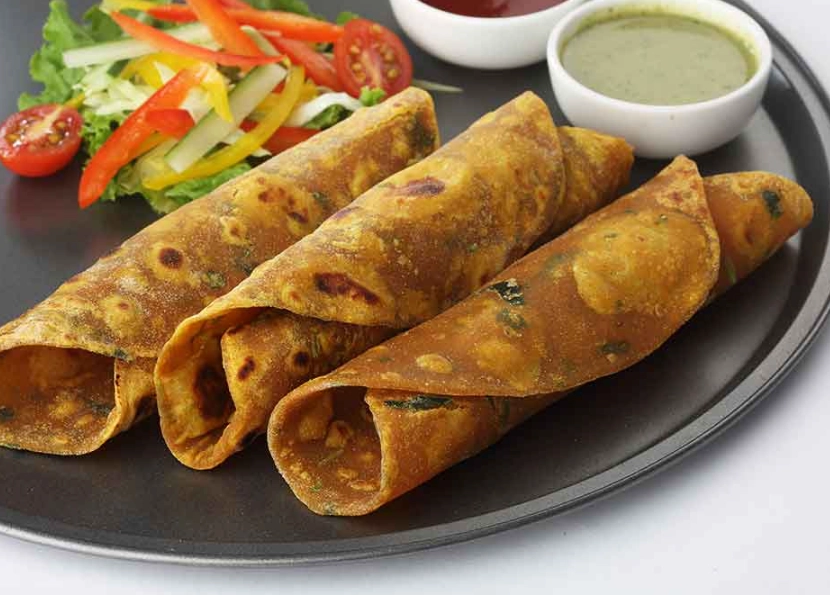
Top Kid-Friendly Indian Dishes to Try First
Here's a practical list. These are the workhorses of Indian family meals for kids. They're commonly loved, easy to adjust, and nutritionally solid.
The Ultimate Starter: Dal (Lentil Soup)
If I had to pick one dish to represent kid-friendly Indian food, it's yellow dal (moong dal or toor dal). It's essentially a creamy, savory lentil soup. You cook lentils until they fall apart, season them with a simple tempering of cumin, turmeric, and maybe a hint of garlic in ghee. It's soft, it's comforting, it's packed with protein, and it's perfect over rice or with a piece of roti for dipping. You can make it as plain or as flavorful as you want. This is your number one ally.
The Crowd-Pleaser: Butter Chicken (Mild Version)
Yes, you read that right. The restaurant version can be rich, but a homemade, toned-down butter chicken is a fantastic gateway. The sauce is tomato-based, simmered with cream (or yogurt), butter, and mild spices. The key is to go very light on the garam masala and Kashmiri red chili powder (use just a pinch for color, not heat). The result is a sweet, tangy, creamy sauce that most kids adore over rice or with naan for dipping. It's familiar in its sauciness, just with a new flavor profile.
The Veggie Hider: Palak Paneer (Spinach & Cheese)
Before you say "my kid would never eat spinach," hear me out. Palak paneer involves blanching spinach, pureeing it into a smooth, vibrant green sauce, and cooking it with cubes of soft paneer (Indian cottage cheese). The spinach flavor mellows dramatically. You season it gently with garlic, ginger, and cumin. The cheese provides a fun texture to pick up, and the color is exciting. It's a brilliant way to serve greens.
The Comfort Food: Jeera Rice (Cumin Rice)
Sometimes, you just need a side dish that you know they'll eat. Jeera rice is basmati rice cooked with whole cumin seeds toasted in ghee. That's it. The cumin seeds pop with a lovely aroma and a subtle, toasty flavor that makes plain rice infinitely more interesting. It's a safe, fragrant base for any meal.
The Finger Food: Aloo Paratha (Spiced Potato Stuffed Flatbread)
This is Indian food's answer to a quesadilla or a stuffed pancake. A soft whole wheat dough is stuffed with a spiced mashed potato mixture (just potatoes, a bit of salt, maybe some cumin), rolled out, and cooked on a griddle with a little ghee. It's soft, hearty, and perfect for eating with hands. Serve it with a side of plain yogurt. It's a complete meal that travels well for lunches too.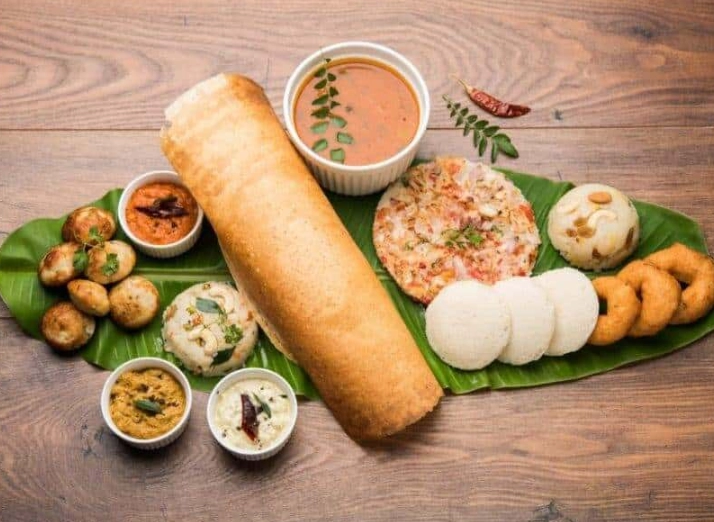
Navigating Common Challenges: Picky Eaters, Textures, and Allergies
Let's get real about the hurdles. It's not all success stories on the first try.
The Nutritional Breakdown: Is It Healthy for Them?
This is a fair question. Restaurant Indian food can be heavy on cream, butter, and oil. But home-cooked Indian food is a different story. Let's look at some common components through a nutritional lens.
| Dish/Ingredient | Key Nutrients | Kid-Friendly Benefit | How to Optimize at Home |
|---|---|---|---|
| Dal (Lentils) | Plant-based protein, Fiber, Iron, Folate | Supports growth, digestion, energy | Cook until very soft. Use a mix of dals (yellow moong cooks fastest). |
| Roti/Chapati (Whole Wheat Flatbread) | Complex Carbs, Fiber, B Vitamins | Sustained energy, good for dipping | Use 100% whole wheat flour (atta). Control the amount of ghee brushed on top. |
| Yogurt (Dahi/Curd) | Calcium, Protein, Probiotics | Bone health, gut health, cools spice | Choose plain, full-fat for toddlers. Add a pinch of salt or a drizzle of honey for flavor. |
| Paneer (Indian Cottage Cheese) | Calcium, Protein, Fat | Muscle/bone building, satisfying | Cut into small, soft cubes. Can be pan-fried lightly for a different texture. |
| Spinach/Palak (in purees) | Iron, Vitamin A, Vitamin K, Folate | Immune support, vision, blood health | Blanch and puree finely to hide in sauces. Pair with vitamin C (lemon juice) to aid iron absorption. |
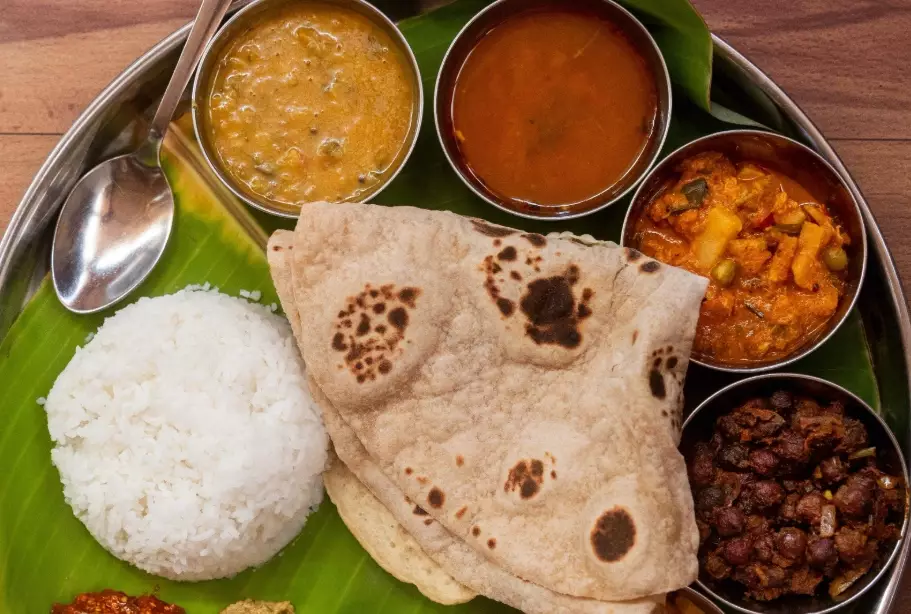
The U.S. Department of Agriculture's MyPlate guidelines emphasize a balance of vegetables, protein, grains, and dairy—a balance that a well-planned Indian thali (plate) naturally provides: dal (protein), sabzi (vegetable), roti (grain), and yogurt (dairy).
My one critique of some home cooking is the overuse of salt, especially in the tempering (tadka). Kids' kidneys are still developing, and their recommended sodium intake is much lower than adults'. Be mindful. Season lightly during cooking and let adults add extra salt at the table.
A Simple, Step-by-Step Recipe to Start With: Mild Yellow Dal
Let's make this practical. Here is a foolproof recipe for the ultimate introductory dish. This makes about 4 kid-sized portions.
You'll need:
- 1 cup yellow moong dal (split yellow lentils) - rinsed well
- 3 cups water
- 1/2 tsp turmeric powder
- 1 tbsp ghee or neutral oil
- 1 tsp cumin seeds
- 1 small pinch of asafoetida (hing) - optional, but great for digestion
- Salt to taste (go light!)
What to do:
- In a pot, combine the rinsed dal, water, and turmeric. Bring to a boil, then lower heat and simmer, partially covered, for 25-30 minutes. Skim off any foam that rises. The dal should be completely soft and mushy. You can mash it a bit with the back of a spoon. Add a little more water if it gets too thick—it should be like a thick soup.
- In a small pan, heat the ghee over medium heat. Add the cumin seeds and let them sizzle for about 30 seconds until fragrant. If using, add the tiny pinch of asafoetida and immediately turn off the heat. (Careful, it's potent!).
- Pour this hot, fragrant ghee and cumin mixture (the "tadka") into the cooked dal. It will sizzle gloriously. Stir.
- Add a very small amount of salt, stir, and taste. Remember, you can add more, but you can't take it out. Serve warm over a bed of plain rice or with soft roti for dipping.
Answering Your Burning Questions (FAQs)
Let's tackle some of the specific questions that pop into a parent's head when considering Indian food for kids.
Putting It All Together: A Sample Weekly Meal Idea
Let's visualize a week of gentle introductions.
- Monday: Mild Yellow Dal & Jeera Rice. The classic start.
- Tuesday: Leftover dal in a thermos for lunch. Dinner could be scrambled eggs (anda bhurji) made gently with onions, tomatoes, and a hint of turmeric and cumin, served with toast (a fusion twist!).
- Wednesday: A "build-your-own-bowl" night. Bowls of plain rice, mild butter chicken sauce, plain grilled chicken pieces, steamed peas, and yogurt. Let everyone assemble.
- Thursday: Aloo Paratha with yogurt. Comfort food night.
- Friday: Homemade "baked samosa pockets." Use wonton wrappers filled with a simple mashed potato and pea mixture, bake until crisp. Fun, familiar shape, new flavor.
The goal isn't to have Indian food every night. It's to weave these flavors and dishes into your regular rotation, normalizing them.
Exploring Indian food for kids is a journey that can add incredible variety, nutrition, and fun to your family table. It starts with a single, mild bite of dal. It might lead to a lifelong love of diverse flavors. And even if it just leads to them happily eating spinach once a week, I'd call that a win. So grab some lentils, a pinch of turmeric, and a little ghee. Your next family favorite might be just one pot away.
Discussion