Your Quick Guide to Indian Seafood
Let's talk about Indian seafood recipes for a minute. If you think Indian food is just chicken tikka and butter naan, you're missing out on a whole ocean of flavor. Literally. With a coastline stretching over 7,500 kilometers, it's no surprise that seafood is a cornerstone of regional cooking from Kerala to Bengal. The beauty of these dishes lies in their simplicity married to complex spice blends. You don't need a restaurant kitchen to pull them off. Honestly, my first attempt at a proper fish curry was a bit of a disaster—way too much chili, not enough tamarind. But that's how you learn, right?
What makes Indian seafood recipes so special? It's the context. It's the fisherman's catch hitting the pan with spices toasted just minutes before. It's the coconut milk simmering with curry leaves in a Goan shack. I want to take you past the generic "curry" label and into the specific, vibrant world of regional specialties. Whether you've got some salmon fillets from the store or fresh prawns, there's an Indian preparation waiting for them.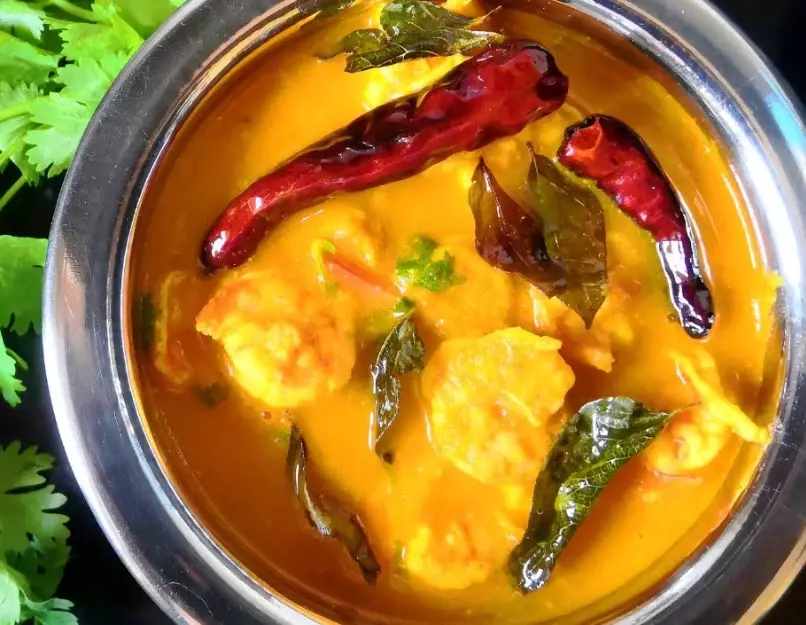
The Core Idea: Indian seafood cooking isn't about masking the taste of the fish. It's about building a flavor base—what we call a "masala"—that complements and elevates it. The fish or prawns are often the last thing to go in, cooking just long enough to soak up the gravy without turning rubbery. It's a delicate dance between spice and sea.
Before You Start: The Non-Negotiable Basics
Jumping straight into a recipe without this foundation is like building a house on sand. Let's get the essentials sorted first.
The Holy Trinity of Indian Seafood Spices
You can have a dozen spices, but three are absolutely critical for that authentic backbone of flavor in most Indian seafood recipes.
- Mustard Seeds: Especially black or brown mustard seeds. They're not hot like mustard paste. When popped in hot oil (a technique called "tadka"), they release a nutty, slightly bitter aroma that's unmistakable in South and West coastal cooking. Yellow mustard seeds just don't give the same punch, in my opinion.
- Turmeric: The golden child. It provides that warm, earthy base color and flavor. It's also what gives many fish curries their distinctive yellow hue. A pinch goes a long way.
- Coriander Seeds (ground): This is your warmth and citrusy depth. It's the unsung hero that rounds out sharper spices. Always try to buy whole seeds and dry-roast and grind them yourself if you can. The pre-ground powder loses its soul pretty quickly sitting on a shelf.
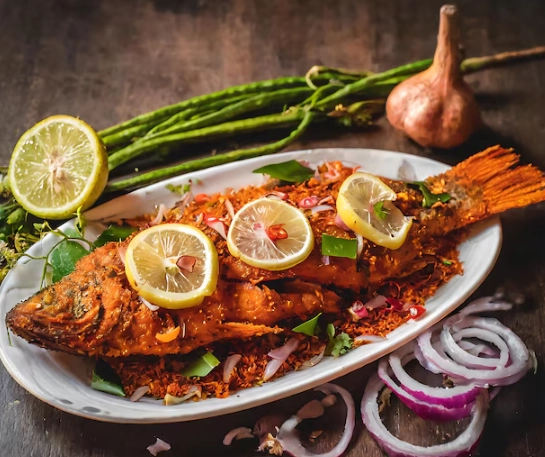
Pro Tip from My Kitchen: Buy whole spices in small quantities from a store with good turnover (Indian grocery stores are best). Store them in airtight jars away from light and heat. Your ground coriander from two years ago? Probably tasteless. Time for a refresh.
Choosing Your Seafood: A Practical Guide
This is where people get anxious. "Do I need pomfret? What is Rohu?" Don't stress. The genius of Indian seafood recipes is their adaptability.
For Curries and Stews: You want firm-fleshed fish that won't disintegrate during simmering. Think salmon, cod, halibut, sea bass, or even swordfish steaks cut into chunks. In India, varieties like Kingfish (Surmai) or Rohu are staples. The flesh holds its shape beautifully.
For Pan-Frying or Shallow Frying (like the famous Bengali 'Fish Fry'): Any white, flaky fish works wonders. Tilapia, sole, or flounder fillets are perfect. They take on a marinade well and cook quickly.
For Prawn/Shrimp Dishes: Size matters, but not in the way you think. For curries (like Goan Prawn Curry), medium-sized prawns (31-40 count) are ideal. They cook fast and absorb flavor. For dry, spiced dishes or grills, larger prawns (16-20 count) make a more impressive presentation. Just remember, the bigger they are, the quicker you need to get them off the heat to avoid chewiness.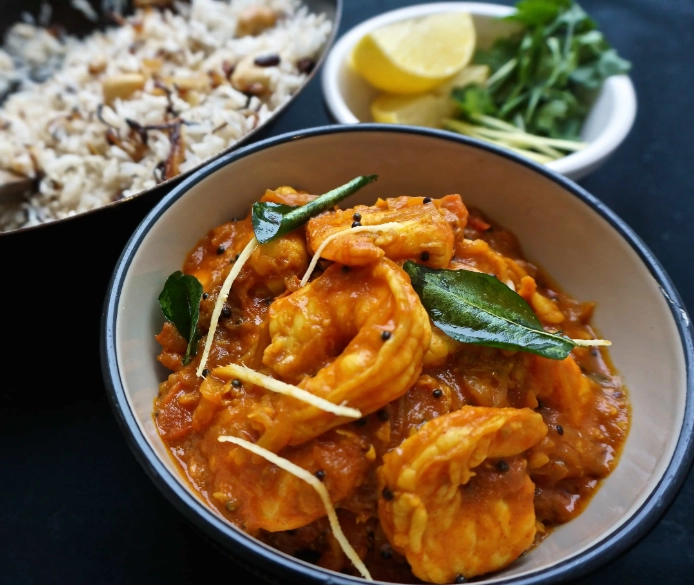
A Tour of India's Coastal Kitchens: Must-Try Regional Classics
India's coastline is a patchwork of distinct culinary regions. Each has its own personality. Here’s a quick map of the major players and their signature styles.
| Region | Signature Flavor Profile | Star Dish Example | Key Ingredients You'll Taste |
|---|---|---|---|
| Goa (West Coast) | Fiery, tangy, coconut-rich. Heavily influenced by Portuguese cuisine. | Goan Prawn Curry ("Ambot Tik") | Dried red Kashmiri chilies, tamarind, coconut milk, vinegar. |
| Kerala (South West Coast) | Aromatic, coconut-based, often with a black pepper kick. Uses a lot of curry leaves. | Meen Molee (Fish Stew) | Fresh coconut milk, green chilies, curry leaves, ginger, black pepper. |
| Bengal & Odisha (East Coast) | Mustard-forward, poppy seed paste, subtle heat. More about pungency than fire. | Shorshe Ilish (Hilsa Fish in Mustard Sauce) | Mustard paste (black and yellow), green chilies, turmeric, mustard oil. |
| Konkan (Maharashtra & Karnataka Coast) | Kokum (sour fruit) and coconut balance. Less fiery than Goa, more rustic. | Fish Curry with Kokum ("Sol Kadi" often served alongside) | Kokum, grated coconut, coriander seeds, dried red chilies. |
| Tamil Nadu & Andhra (South East Coast) | Spicy, tamarind-sour, less reliant on coconut. Robust and bold. | Chepala Pulusu (Andhra Fish Curry) | Tamarind, onion paste, fenugreek seeds, chili powder. |
See what I mean? Calling it all just "curry" does a massive disservice. A Goan curry and a Bengali curry are worlds apart. Understanding this regionality is the first step to cooking authentic Indian seafood recipes.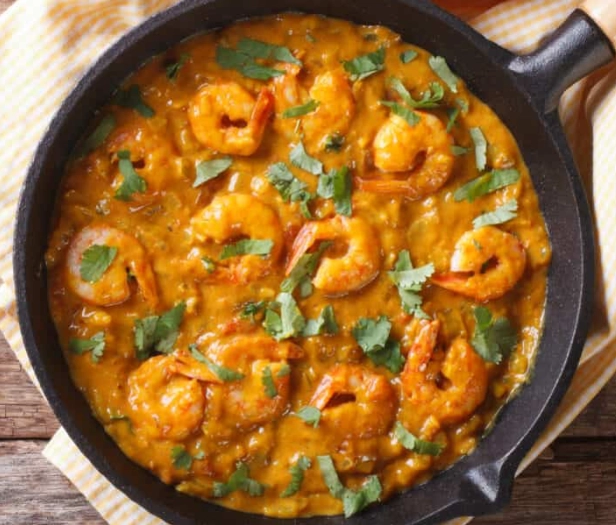
Mastering Two Foundational Indian Seafood Recipes
Let's move from theory to practice. Here are two approachable yet deeply authentic recipes that showcase different ends of the spectrum. These are the ones I make most often at home.
The Weeknight Wonder: Simple Keralan Fish Curry
This is my go-to when I want something comforting, fragrant, and on the table in under 45 minutes. It's lighter than a tomato-based curry, letting the flavor of the fish shine.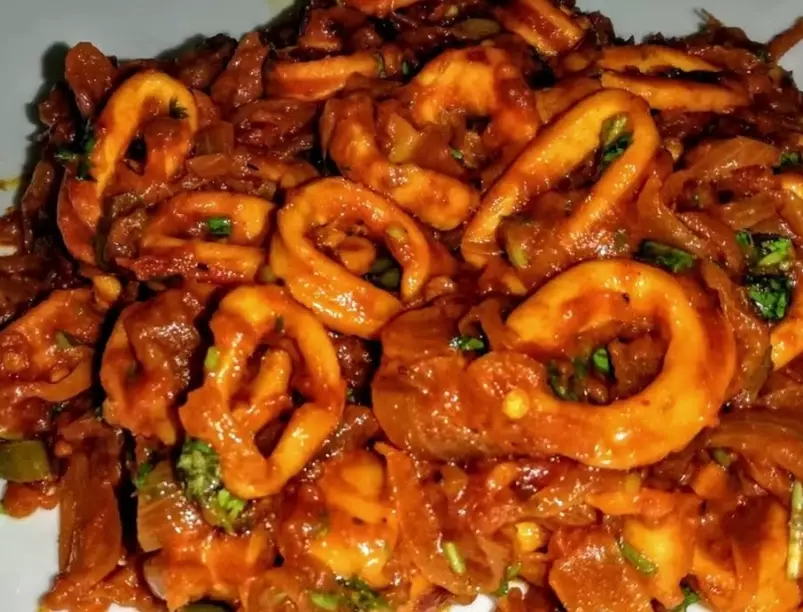
What you'll need:
- 500g firm white fish fillets (cod, halibut), cut into large chunks
- 1 cup thin coconut milk (or 1/2 cup thick milk diluted)
- 1 cup thick coconut milk
- 1 tbsp coconut oil or any neutral oil
- 1 tsp black mustard seeds
- 10-12 fresh curry leaves (don't skip these—find them frozen at an Indian store)
- 1 medium onion, finely sliced
- 2 green chilies, slit lengthwise
- 1 tbsp ginger-garlic paste
- 1 tsp turmeric powder
- 1.5 tsp coriander powder
- 1/2 tsp black pepper powder (freshly cracked is best)
- Salt to taste
- A small piece of tamarind (soaked in 2 tbsp warm water) OR 1/2 tsp tamarind paste
How to make it:
- Heat the oil in a deep pan or clay pot. When hot, throw in the mustard seeds. Let them pop and dance for about 30 seconds.
- Add the curry leaves (careful, they might splutter) and green chilies. Sauté for 10 seconds until fragrant.
- Add the sliced onions and a pinch of salt. Cook on medium heat until they turn soft and translucent, about 6-7 minutes. No need to brown them.
- Stir in the ginger-garlic paste and cook for another minute until the raw smell disappears.
- Now add the turmeric, coriander powder, and black pepper. Give it a good stir for 20 seconds to "roast" the spices in the oil.
- Pour in the THIN coconut milk and the tamarind water (squeeze the pulp and discard the seeds). Bring this to a gentle simmer. Let it bubble away for 5-7 minutes. This is your gravy base. Taste and adjust salt.
- Gently slide in the fish pieces. Spoon some gravy over them. Let it cook on a low simmer for 6-8 minutes. Don't stir vigorously—just shake the pan occasionally. The fish is done when it flakes easily.
- Finally, pour the THICK coconut milk over the top. Do not boil after this point. Just heat through for a minute or two until warmed. Turn off the heat.
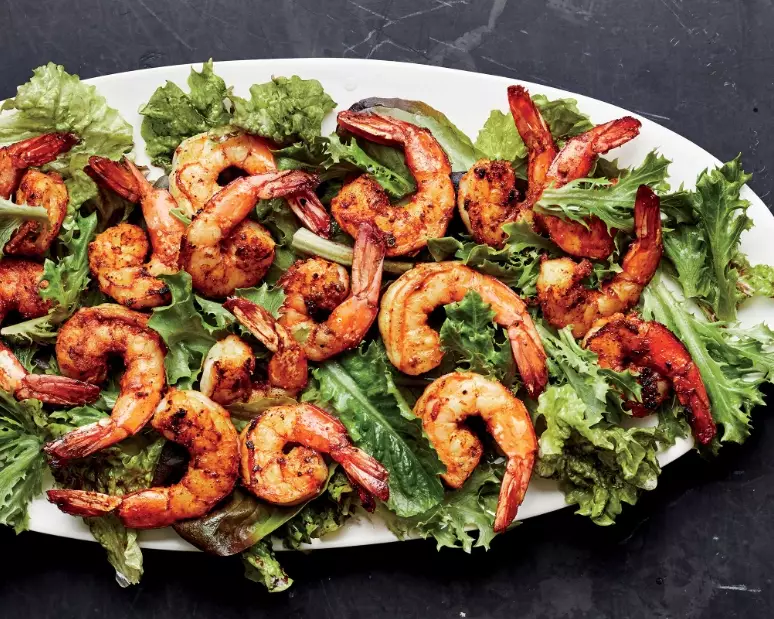
The Flavor Bomb: Spicy Goan-Style Prawn Masala
This is for when you want something punchy, robust, and packed with flavor. It's drier than a curry, more of a masala coating the prawns. Perfect with simple steamed rice or crusty bread to mop up the sauce.
What you'll need:
- 500g medium prawns, peeled and deveined
- 1 large onion, roughly chopped
- 2 medium tomatoes, chopped
- 4-5 dried Kashmiri red chilies (soaked in hot water for 15 mins) – they give color and mild heat
- 4 cloves garlic
- 1-inch piece ginger
- 1 tsp cumin seeds
- 1/2 tsp turmeric powder
- 1 tsp garam masala
- 1 tbsp vinegar (palm vinegar if you have it, else white or apple cider)
- 2 tbsp oil
- Salt to taste
- Fresh coriander leaves for garnish
How to make it:
- Make the masala paste: Blend the soaked red chilies, garlic, ginger, and chopped onion into a smooth paste. Add a splash of water if needed. This wet masala is the heart of the dish.
- Heat oil in a wide skillet. Add cumin seeds. Let them sizzle.
- Carefully add the wet masala paste (it will splatter). Cook on medium heat, stirring frequently, for 8-10 minutes. You need to cook out the raw onion smell. The oil will start to separate from the masala. This is a crucial step—don't rush it.
- Add the chopped tomatoes, turmeric, and salt. Cook until the tomatoes break down and the mixture becomes a thick, cohesive paste, about 5-7 more minutes.
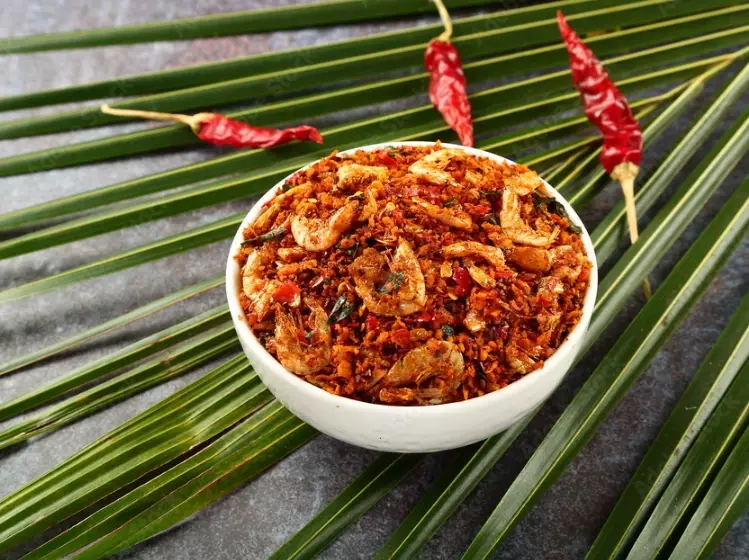
- Turn the heat up to medium-high. Add the prawns. Toss them well in the masala so each one is coated.
- Cook the prawns for 2-3 minutes per side. They cook incredibly fast. The moment they turn opaque and curl up, they're done.
- Sprinkle garam masala and drizzle the vinegar over everything. Give it one final toss.
- Garnish with a heap of fresh coriander and serve immediately.
The vinegar at the end is the magic touch. It brightens everything up.
Leveling Up: Techniques That Make a Difference
Anyone can follow a recipe. To really own these Indian seafood recipes, you need to understand the "why" behind a few techniques.
The Art of the Tadka (Tempering)
This is the secret weapon. Tadka is the technique of frying whole spices in hot oil or ghee and then adding this flavored oil to a dish. For seafood, it's often done at the beginning or poured over the finished dish.
Why do it? Heat unlocks volatile oils in whole spices, transforming their flavor from raw and one-dimensional to deep, nutty, and aromatic. That initial sizzle of mustard seeds in oil defines the entire aroma of a South Indian curry.
My favorite seafood tadka combo: 1 tbsp oil, 1 tsp black mustard seeds, 1/2 tsp cumin seeds, 10 curry leaves, 2 dried red chilies broken. Heat oil, add it all, let it crackle for 30 seconds, then pour over a finished fish curry. Instant aroma therapy.
To Grind or Not to Grind?
Pre-ground spices are convenient, but for certain dishes, taking the extra minute to make a fresh paste is a game-changer.
- Use Pre-Ground: For background notes in long-simmered gravies (coriander, turmeric). The long cook time will develop their flavor.
- Make a Fresh Paste: For the primary flavor layer, especially in quicker-cooking dishes like the Goan prawn masala above. Fresh ginger, garlic, chilies, and onions ground together create a vibrant, immediate flavor that pre-ground powders can't match.
I keep a small cheap coffee grinder dedicated to spices. It takes 60 seconds. The difference is night and day.
Answering Your Burning Questions (FAQs)
I get these questions all the time from friends trying these recipes. Let's clear them up.
Bringing It All Home
Look, the goal isn't to perfectly replicate a dish from a specific village in Goa. The goal is to capture the essence—the layering of spices, the respect for the seafood, the balance of sour, heat, and aroma. Start with one recipe. Maybe the Keralan curry. Get comfortable with the process of the tadka, simmering the base, adding the fish last.
Indian seafood recipes are a celebration of simplicity meeting complexity. They're weeknight dinners and festive feasts. They're flexible. Don't be afraid to tweak the chili count or use lime instead of tamarind. The best Indian home cooks work with what they have.
The real secret? There is no secret. Just good ingredients, treated with care, and a willingness to get a little spice on your fingers.
So, grab a pan, some mustard seeds, and whatever good-looking fish is at your market. The coast of India is closer to your kitchen than you think.
Discussion