Quick Guide
Let's be honest. The first time you look at a traditional Indian recipe, your heart probably sinks a little. The ingredient list scrolls on forever. Words like "asafoetida" and "cardamom pods" pop up. It talks about frying whole spices in ghee until they "splutter," and you're left wondering if you need a degree in chemistry just to get dinner on the table.
I've been there. My first attempt at a proper curry involved toasting and grinding about twelve different spices. The kitchen smelled amazing, sure, but the process took two hours and I was so exhausted I barely enjoyed the meal. It felt like a project, not a weeknight dinner.
But here's the thing I learned after years of trial, error, and a few spectacularly bland or overly fiery failures: authentic flavor doesn't have to mean complicated process. The real goal is learning how to make Indian food easy, approachable, and totally doable on a regular Tuesday. It's about stripping away the intimidation and finding the smart shortcuts that home cooks across India actually use.
This isn't about "dumbing down" the cuisine. It's about working smarter. You can capture that incredible, layered flavor without spending your entire evening in the kitchen. The secret lies in understanding a few core principles and then bending them to fit your life.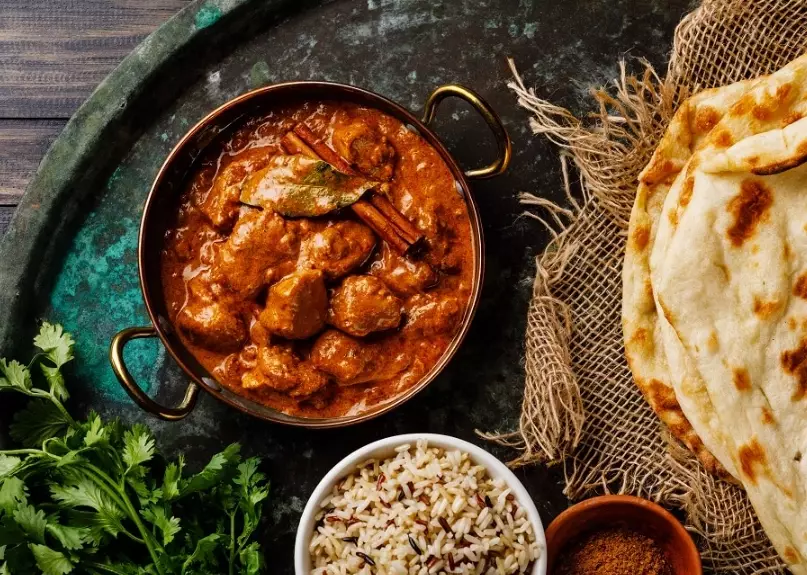
Forget the Spice Wall: Your Simplified, Essential Pantry
The biggest mental block for most people is the spices. You see a recipe calling for eight different powders and think you need to buy them all. You don't. Not at first. A huge part of learning how to make Indian food easy is building a small, powerful foundation.
You can cook a staggering variety of dishes with just five core ground spices. Seriously. Here's the non-negotiable starter pack:
- Turmeric: The golden child. It adds earthy depth and that iconic yellow color. Don't worry, it's mild.
- Cumin: Warm, nutty, and absolutely fundamental. Ground cumin is your workhorse.
- Coriander: This is cumin's best friend. It's citrusy, floral, and balances cumin's earthiness. You almost always use them together.
- Garam Masala: This isn't a single spice, but a pre-mixed blend. Think of it as the "finishing touch" spice. It's warm (cinnamon, clove, cardamom notes) and is usually stirred in at the end. A good store-bought one is perfectly fine. I like the one from a local Indian grocer, but even McCormick's works in a pinch.
- Red Chili Powder (or Paprika): This is for heat and color. Cayenne works too. Start with less—you can always add more.
With just these five jars, you're already in business. As you get comfortable, you can add two whole spices that make a world of difference: cumin seeds and black mustard seeds. Tossing a teaspoon of either into hot oil at the start of cooking (they'll pop and crackle) adds a whole new layer of texture and aroma. It's a simple trick with massive payoff.
Now, about buying them. You don't need to find a specialty store. Most supermarkets have these in the international aisle. But if you can, buy from a store with high turnover (like an Indian grocery or online retailer) because ground spices lose their punch after about six months. Storing them in a cool, dark place is key. The American Spice Trade Association has great general guidelines on spice storage to maximize shelf life, which is just smart cooking practice for any cuisine.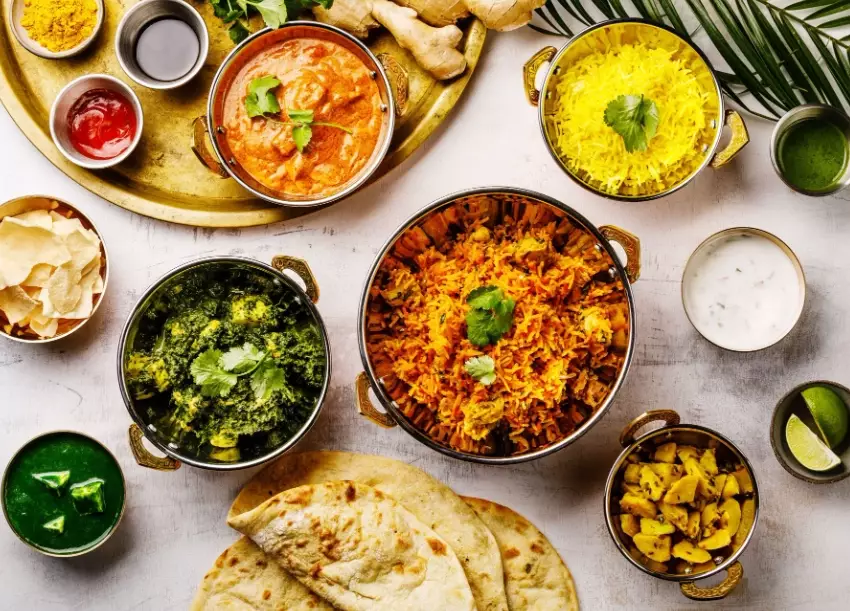
The "Lazy" Base: Onions, Tomatoes, Ginger & Garlic
If the spices are the soul, this quartet is the body of most Indian gravies. The traditional method involves finely chopping and slow-cooking onions for ages. My shortcut? A food processor or a box grater.
Grate one large onion. Mince a couple cloves of garlic and about an inch of ginger (no need to peel it perfectly). Cook this mix in a bit of oil over medium heat until it turns golden and pasty. Then add your ground spices (turmeric, cumin, coriander) and cook for a minute until fragrant. Add a can of crushed tomatoes or two chopped fresh ones. Let it simmer and thicken.
Congratulations. You've just made the base for about 70% of Indian curries. This paste freezes beautifully, by the way. Make a double batch and freeze half in an ice cube tray. Future-you will be grateful.
Genius Shortcuts That Actually Work
Okay, so you have your spices and your base. Now let's talk about the hacks that turn a marathon into a sprint. These are the real secrets to how to make Indian food easy on a busy schedule.
1. The Jarred Garlic-Ginger Paste Controversy. Purists will gasp, but I keep a jar of this in my fridge. Is it as vibrant as fresh? No. But for a Wednesday night when you're tired, it's 85% as good for 10% of the effort. It's a compromise I'm willing to make. The same goes for pre-minced garlic in a pinch, though the ginger in those jars is usually better.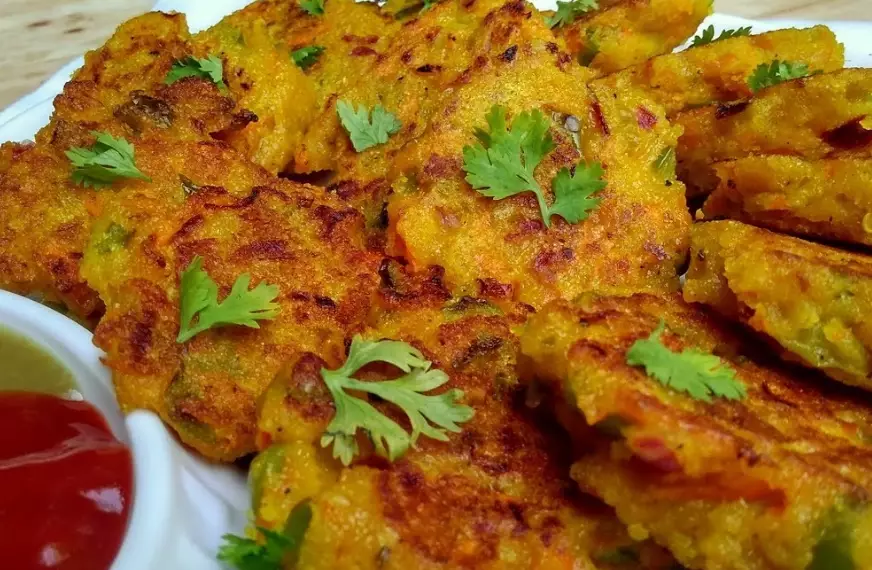
2. Canned Tomatoes Are Your Friend. In winter, when fresh tomatoes are bland and mealy, a good-quality can of crushed or pureed tomatoes is far superior. It provides consistent acidity and body. Don't let anyone shame you for it.
3. The Pressure Cooker / Instant Pot Revolution. This is the ultimate game-changer for Indian cooking. Dals (lentil dishes) that take an hour of simmering are done in 15 minutes. Tough cuts of meat become fall-apart tender in a fraction of the time. If you want to know how to make Indian food easy and fast, this is the single best investment. You can cook an entire chicken curry from start to finish in one pot in under 30 minutes.
4. Frozen Vegetables Work Wonders. Making matar paneer (peas and cheese)? Frozen peas are perfect. Need spinach for saag? Frozen chopped spinach, thawed and squeezed, is often more convenient and consistent than wrestling with bunches of fresh spinach that cook down to a tablespoon.
Two Foolproof Recipes to Build Your Confidence
Let's stop talking theory and start cooking. Here are two classic dishes that demonstrate the simplified method perfectly. They answer the core question of how to make Indian food easy, delicious, and satisfying.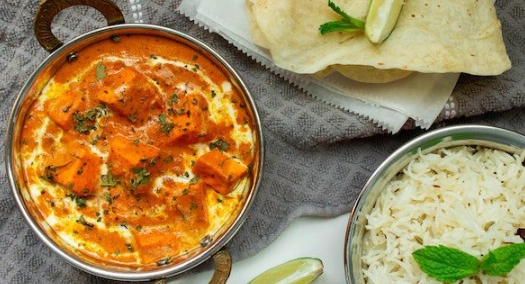
Easy Weeknight Red Lentil Dal (Dal Tadka)
Dal is the ultimate comfort food. It's cheap, nutritious, and incredibly forgiving. This version cuts out fussy steps.
What you need: 1 cup red lentils (masoor dal), rinsed. 1 small onion, grated. 1 tomato, chopped. 1 tsp each ground turmeric, cumin, and coriander. 1/2 tsp red chili powder. 3 cups water. Salt. For the "tadka" (tempering): 2 tbsp ghee or oil, 1 tsp cumin seeds, 2 dried red chilies, a pinch of asafoetida (optional, but amazing), 2 garlic cloves sliced.
Put the lentils, grated onion, tomato, ground spices, water, and salt in a pot. Bring to a boil, then simmer for 20-25 mins until lentils are soft. Mash a bit with a spoon. It should be soupy. If it gets too thick, add hot water.
Now for the magic.
In a small pan, heat the ghee. Add the cumin seeds and let them sizzle for 10 seconds. Add the dried chilies, optional asafoetida, and garlic slices. Fry until the garlic is lightly golden. Immediately pour this sizzling oil and spices directly over the cooked dal. It will crackle and release an incredible aroma. Stir it in. Done. Serve with rice or bread. The whole process is maybe 35 minutes, mostly hands-off. The tempering at the end is the trick that makes it taste like it simmered for hours.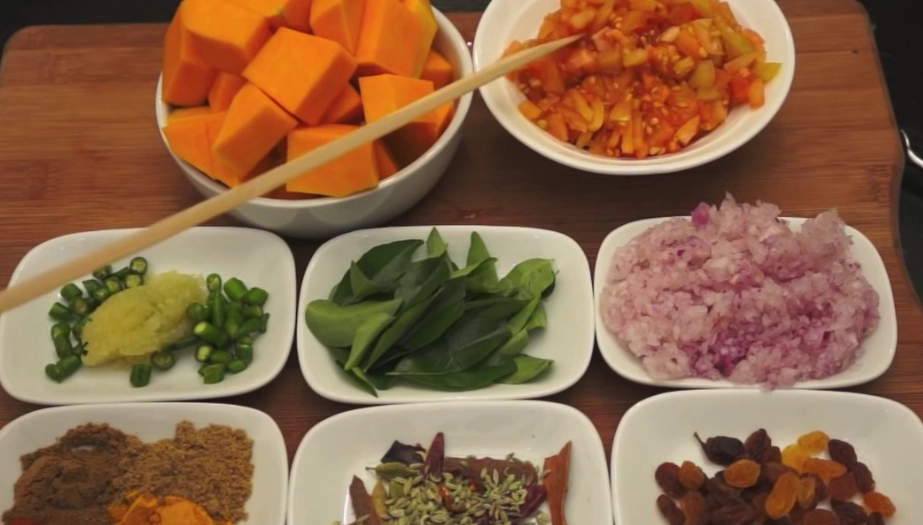
Simple "No-Fuss" Chicken Curry
This is the blueprint curry. Master this, and you can swap the chicken for chickpeas, potatoes, or shrimp.
What you need: 1.5 lbs chicken thighs, cut up. 1 large onion, grated. 1 tbsp ginger-garlic paste (or fresh). 1 can crushed tomatoes. 1.5 tsp each ground cumin and coriander. 1 tsp turmeric. 1/2 tsp chili powder. 1 tsp garam masala. Oil, salt, cilantro for garnish.
Heat oil in a deep pan. Add the grated onion and cook on medium, stirring now and then, for about 10 minutes until it's reduced and light brown. Add the ginger-garlic paste and cook for 1 minute. Add all the ground spices except the garam masala. Cook for 30 seconds until fragrant.
Pour in the crushed tomatoes. Cook this masala base for 8-10 minutes until the oil starts to separate a little at the edges. Add the chicken pieces and coat them in the masala. Add about a cup of water and salt. Cover and simmer for 20-25 minutes until the chicken is cooked through.
Stir in the garam masala. Let it cook for another 2 minutes. Taste and adjust salt. Sprinkle with fresh cilantro if you have it. That's it. You've made a rich, flavorful curry with minimal active effort. The key is letting the onion cook down properly and giving the tomato time to meld with the spices.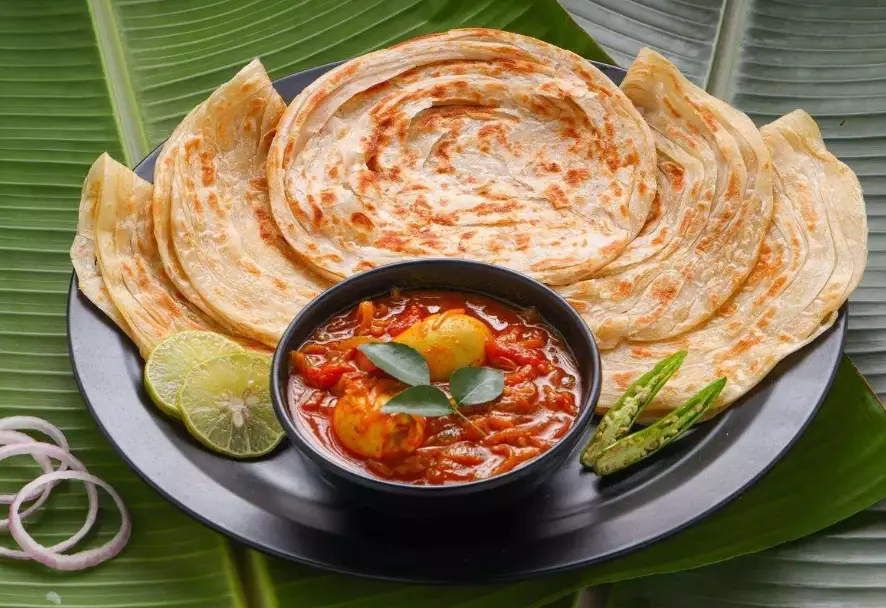
Your Burning Questions, Answered
Bringing It All Together
So, what's the final answer to how to make Indian food easy? It's a mindset shift. Stop seeing it as a mysterious, complex art form. See it as a simple formula: Aromatics + Spices + Main Ingredient + Liquid + Time.
Start with the simplified pantry. Embrace the shortcuts that matter (garlic-ginger paste, canned tomatoes) and skip the ones that don't (pre-made sauces). Master one or two base recipes, like the dal and chicken curry above. Get comfortable with the process. Then start experimenting—add a handful of spinach, throw in some potatoes, try a different protein.
The goal isn't perfection. It's flavor, joy, and a home-cooked meal that doesn't stress you out. I still occasionally order takeout when I'm feeling lazy, but now, more often than not, I find myself reaching for my jar of cumin. Because I know that in the time it takes for delivery to arrive, I can have something just as good, if not better, simmering on my own stove. And honestly, that's a pretty great feeling.
Give it a shot this week. Pick one recipe. You might just surprise yourself.
Discussion