Quick Guide
- Why Bother with Indian Cooking at Home Anyway?
- The Foundation: Your Pantry and Spice Kit
- The Techniques That Make All the Difference
- Let's Cook: Two Dead-Simple Recipes to Build Confidence
- Leveling Up: Balancing Flavors and Troubleshooting
- Answering Your Burning Questions (FAQs)
- Resources to Keep You Going
So you want to cook Indian food at home. I get it. You've had that incredible butter chicken at a restaurant, or maybe a friend brought over a fragrant biryani that blew your mind. The flavors are deep, complex, and utterly addictive. But then you look up a recipe, and the ingredient list looks like a novel. Twenty different spices? Steps that take hours? It's enough to make anyone order takeout instead.
Here's the thing I wish someone had told me years ago: Indian cooking at home doesn't have to be an all-day project or require a pantry from a specialty store. A lot of what makes it seem intimidating is just unfamiliarity. Once you get a handle on a few core ideas, the whole world opens up. I'm not talking about becoming a master chef overnight. I'm talking about making a genuinely delicious, satisfying dal (lentil curry) or a simple vegetable sabzi on a Tuesday night. That's totally doable.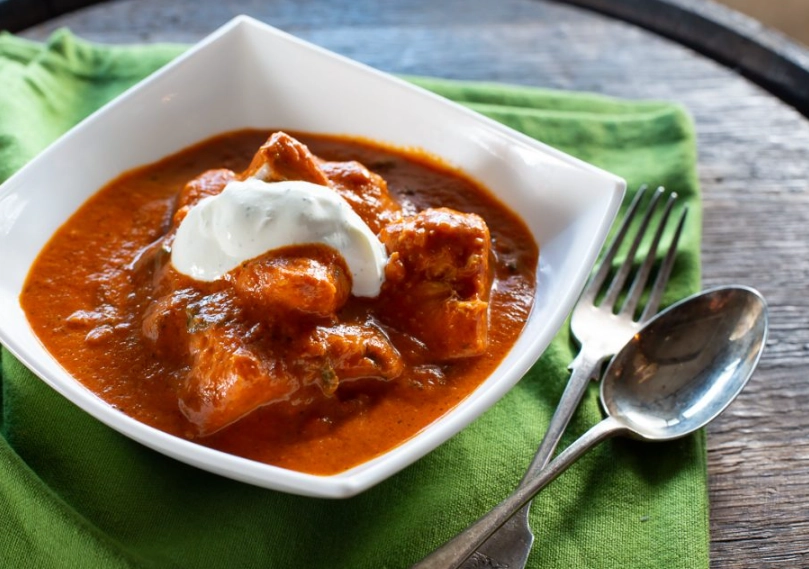
I remember my first attempt. It was a chicken curry from a generic online recipe. I threw all the powdered spices into boiling water with the chicken. The result was... beige, watery, and tasted like dust with a kick. It was a disaster. But that failure taught me more than any success could have. It taught me that technique and order matter just as much as the ingredients. This guide is the result of years of trial, error, and finally, triumph in my own kitchen. We're going to skip the beige-water phase and get you straight to the good stuff.
Why Bother with Indian Cooking at Home Anyway?
Let's be real, you can get Indian food delivered. But there are some solid reasons to learn how to do it yourself. For one, you control everything. Love garlic? Add more. Watching your salt? Easy. Can't handle extreme heat? You decide the chili level. It's customizable in a way restaurant food often isn't.
It's also surprisingly cost-effective. A single bag of dried lentils, some onions, tomatoes, and a spoonful of spices can feed a family for pennies. The initial investment in spices might feel like a lot, but those little jars last for dozens of meals. Compared to the price of a single restaurant meal, it pays for itself quickly.
And then there's the health aspect. When you cook Indian food at home, you control the amount of ghee, oil, and cream. You'd be amazed how much flavor you can build without drowning everything in fat. The foundation of so many dishes is vegetables, legumes, and lean proteins, simmered in a sauce built from aromatics and spices. It's hearty, nutritious, and far from the heavy, greasy stereotype.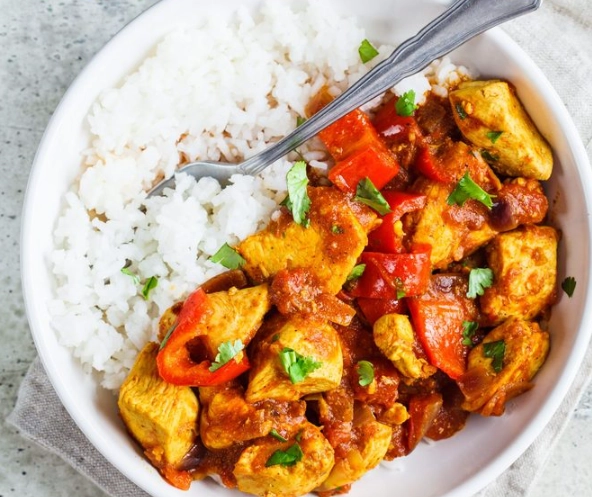
The Foundation: Your Pantry and Spice Kit
This is the part that freaks people out. You don't need everything. You just need the right starters. Think of it like building a toolkit. You wouldn't buy every tool at the hardware store for one simple repair.
The Spice Rack Starter Pack
Forget the giant list. If you're just starting your journey into Indian cooking at home, focus on these five dry spices. They are the workhorses.
| Spice | What It Looks/Smells Like | Its Job in the Dish | A Simple Dish to Try It In |
|---|---|---|---|
| Turmeric (Haldi) | Bright yellow powder, earthy, slightly bitter aroma. | Provides golden color and a warm, earthy base note. It's anti-inflammatory too. | Basic Dal (lentil soup). A pinch gives it that classic yellow hue. |
| Cumin Seeds (Jeera) | Tiny, boat-shaped brown seeds. Smells warm and nutty when toasted. | Used whole for tempering (tadka) to add a nutty, aromatic punch at the start or finish of a dish. | Jeera Rice (Cumin Rice). Literally just rice toasted with cumin seeds. |
| Coriander Powder (Dhania) | Light brown powder, with a sweet, lemony, floral fragrance. | The primary background flavor in most curries. It's mellow, sweet, and rounds out sharper spices. | Almost any vegetable curry (sabzi). |
| Garam Masala | Dark brown powder, warm and complex aroma (cinnamon, cardamom, cloves). | A finishing spice. Added near the end of cooking for a burst of warm, sweet fragrance. Don't fry it for long! | Sprinkled on top of finished Butter Chicken or a simple potato curry. |
| Red Chili Powder (or Paprika) | Fine red powder. Heat level varies wildly! | Provides heat and color. If you're sensitive to spice, use Kashmiri red chili powder (milder, vibrant color) or sweet paprika for color only. | Used in almost all savory dishes for a kick. |
See? Not so bad. You can find all of these in the international aisle of a major supermarket or at any Indian grocery store. My personal advice? Buy whole cumin seeds and coriander seeds. A cheap coffee grinder (dedicated to spices) lets you toast and grind them fresh. The flavor difference is night and day compared to pre-ground powder that's been sitting on a shelf for months. The pre-ground stuff works in a pinch, but fresh grinding is a game-changer for Indian cooking at home.
The Fresh Stuff You Probably Already Have
The holy trinity of fresh ingredients in North Indian cooking is onion, ginger, and garlic. South Indian cooking often adds curry leaves and mustard seeds to that list. For now, focus on the big three.
Onions: You'll cook them down until they're soft, golden, and almost melting. This paste (sometimes blended with tomatoes) forms the body of countless curries. Patience here is key. Rushing leads to crunchy, raw-tasting onions.
Ginger & Garlic: Almost always used together, either finely minced or crushed into a paste. I keep a knob of ginger and a head of garlic in the fridge. When I need it, I peel and whizz equal parts with a tiny bit of water in my small grinder. You can also buy prepared pastes, but the flavor is sharper and fresher when you do it yourself.
Fresh Green Chilies & Cilantro: The garnish heroes. A slit green chili simmered in a dish adds a fresh heat. A handful of chopped cilantro (coriander leaves) thrown on at the end brightens everything up.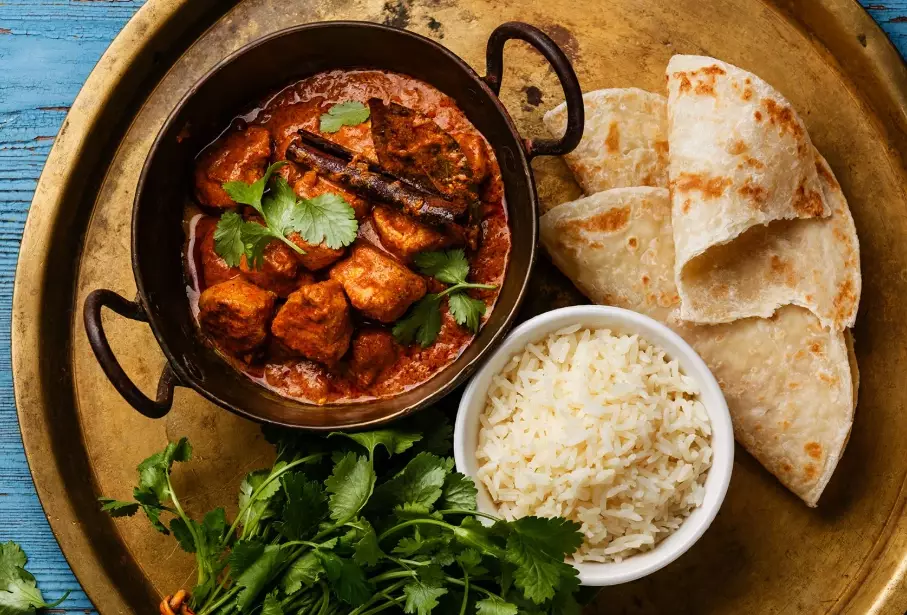
The Techniques That Make All the Difference
You have the ingredients. Now, how do you use them? Indian cooking at home relies on a few simple but critical techniques.
Tempering (Tadka)
This is your secret weapon. It's the process of frying whole spices (like cumin seeds, mustard seeds, dried red chilies) in hot oil or ghee to release their essential oils and fragrance. This flavored oil is then poured over a dish (like dal) at the end, or used as the base to start a curry. The sizzle and aroma are instant magic. It takes 60 seconds but transforms simple food.
The Onion-Tomato Base (Masala)
This is the heart of most curry gravies. You slowly cook down onions until deeply golden, then add ginger-garlic paste and cook until the raw smell disappears. Then add tomatoes and spices (like turmeric, coriander, chili powder) and cook until the oil starts to separate from the mixture. That "oil separation" is the visual cue that your masala is properly cooked and won't taste raw. This step can take 15-20 minutes. Don't rush it. This is where the flavor develops.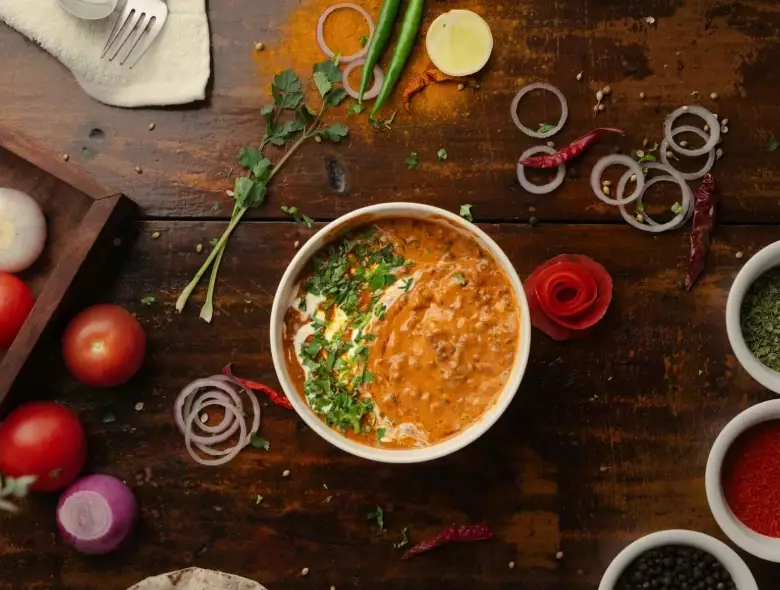
Layering Spices
Spices are added at different times. Whole spices go in hot oil first (tempering). Ground spices (turmeric, coriander) are added to the onion-tomato mixture to cook out their raw edge. Delicate, fragrant spices like garam masala are stirred in at the very end so their aroma doesn't evaporate. It's a symphony, not a one-note blast.
Let's Cook: Two Dead-Simple Recipes to Build Confidence
Enough theory. Let's make something you can eat tonight. These recipes are forgiving and use our starter spice kit.
Weeknight Yellow Dal (Lentil Soup)
This is the ultimate comfort food. It's cheap, healthy, and takes about 30 minutes. You'll need 1 cup of red lentils (masoor dal), which cook fast and don't need soaking.
- Rinse 1 cup of red lentils until the water runs clear.
- In a pot, combine lentils with 3 cups of water, ½ tsp turmeric, and a pinch of salt. Bring to a boil, then simmer for 20-25 mins until mushy. Skim off any foam.
- While that cooks, make your tadka. Heat 2 tbsp of oil or ghee in a small pan. Add 1 tsp cumin seeds and let them sizzle for 10 seconds. Add 1 dried red chili and 2 cloves of crushed garlic. Cook for another 30 seconds until garlic is golden.
- Pour this sizzling oil mixture (tadka) over the cooked dal. It will splutter gloriously. Stir. Adjust salt.
- Finish with a squeeze of lemon juice and chopped cilantro. Serve with rice or bread.
See? No complex onion cooking. The flavor comes from the tadka. You've just done authentic Indian cooking at home.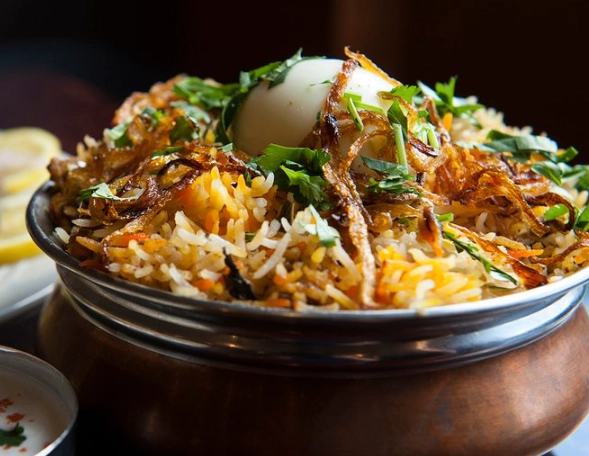
Simple Aloo Gobi (Potato & Cauliflower Curry)
A classic vegetarian dish that's hearty and satisfying. The technique here is the onion-tomato masala.
- Heat 3 tbsp oil in a wide pan. Add 1 tsp cumin seeds.
- Add 1 large chopped onion. Cook on medium-low heat, stirring often, for 10-12 minutes until soft and golden brown. This is the patience part.
- Add 1 tbsp minced ginger-garlic. Cook for 2 mins until fragrant.
- Add 2 chopped tomatoes, ½ tsp turmeric, 1 tsp coriander powder, and ½ tsp red chili powder. Cook, stirring, for 5-7 minutes until the tomatoes break down and the oil glistens on the sides.
- Add 2 diced potatoes and 1 small head of cauliflower, cut into florets. Stir to coat in the masala.
- Add ½ cup water and salt. Cover and simmer for 15-20 mins until veggies are tender.
- Sprinkle with ½ tsp garam masala and cilantro. Done.
Leveling Up: Balancing Flavors and Troubleshooting
Okay, you've made a few things. Sometimes they're perfect. Sometimes... something's off. Here's how to fix common issues.
Why does my curry taste bitter?
Usually, it's burnt garlic or onions. If you see black specks, that's the culprit. Garlic burns in seconds. Always add it after the onions are soft and keep the heat medium. Also, ground turmeric can turn bitter if fried too long in empty oil. Always add it with other ingredients (like tomatoes) to buffer it.
My curry is too watery. Help!
Two fixes. First, you can simmer it uncovered to let liquid evaporate. Second, and more effectively, make a slurry. Mix 1 tsp of besan (chickpea flour) or plain yogurt with a few tablespoons of the curry liquid in a small bowl until smooth. Stir this back into the main pot and simmer for 2-3 minutes. It will thicken beautifully without lumps.
It's just... bland. What did I do wrong?
Probably under-salted. Salt is crucial for bringing out all the other flavors. Add in small increments and taste. Also, you might not have cooked your onion-tomato masala long enough. That "oil separation" stage is non-negotiable for depth. Lastly, a squeeze of lemon juice or a pinch of amchur (dried mango powder) at the end can add the missing tang (sourness) that balances rich and spicy flavors.
Answering Your Burning Questions (FAQs)
Resources to Keep You Going
You don't have to figure it all out alone. Here are some trusted resources I return to again and again for inspiration and reliable recipes.
- Veg Recipes of India: My go-to for vegetarian recipes. Dassana's step-by-step photos are incredibly helpful. Her dal recipes are foolproof.
- BBC Good Food: Search for "Indian" and you'll find a treasure trove of tested, accessible recipes from simple sides to celebratory feasts. A great bridge between familiar cooking styles and Indian flavors.
- YouTube Channels: Visual learning is key. Your Food Lab (Sanjyot Keer) is fantastic for detailed techniques and great energy. Bong Eats is excellent for precise Bengali recipes.
- For Cultural Context & Travel Inspiration: The official Incredible India tourism website offers glimpses into regional cuisines, which can inspire what you want to cook next.
The journey into Indian cooking at home is exactly that—a journey. You'll have flops. You'll have moments where you nail a dish and feel like a kitchen genius. Start simple, master the dal and the basic sabzi. Get comfortable with the rhythm of the tadka and the patience required for the masala. Before you know it, you'll be improvising, adjusting heat levels, and making food that truly tastes like yours. And that's the real goal, isn't it? To make delicious food that brings you joy. Now, go warm up some oil and throw in those cumin seeds. I promise you, the sizzle is the best sound to start with.
Discussion